

When someone you care about passes, a few of their things suddenly matter more than you ever expected — and those are the ones you should never rush to discard.
When someone we love passes away, their possessions can suddenly carry more weight than ever. What might have seemed like routine objects can transform into anchors of memory, little links to the person we miss. Some items are irreplaceable because they preserve part of the relationship we had, and discarding them too soon can feel like losing a piece of someone who is still alive.
Yet the process of sorting and letting go can feel overwhelming, and many people struggle to decide what to keep and what to release. Research shows that the act of holding on to particular items is deeply rooted in human behaviour: the University of York found that “mundane items like spoons and grinding stones were kept by Iron Age people as an emotional reminder” of those who had died.
Letters and Handwritten Notes

Old letters, postcards, or handwritten notes are more than ink and paper — they’re little time capsules of voice and memory. A letter can carry the tone, humour, or care of your loved one in a way that no image can quite match. Research indicates that objects used for remembrance help sustain continuing bonds with the deceased, supporting healthy grieving.
If you find yourself sorting through boxes, set aside a small folder or box just for these written pieces, and revisit them when you’re ready. They remind you of who the person was and how your relationship evolved — and they’re worth preserving because they anchor a part of your shared story.
Photographs and Keepsake Albums

Photos capture snapshots of life’s chapters — trips, celebrations, quiet moments — and help keep memories vivid. Researchers in grief and memory note that objects used for remembrance often include “a person’s clothing, personal items, books, plants, letters”. Instead of shoving them into some forgotten corner, choosing to curate them can make a world of difference to how you feel.
Creating a specific album or digital archive of photos gives you control over how you revisit those memories — and allows future generations to see that story too. Letting them sit unread or unseen means the value is there but untapped; preserve them so they work for you, not just gather dust.
Clothing That Carries Their Scent or Style

Garments belonging to a loved one can trigger powerful physical and emotional memories. There is evidence that “everyday items” take on emotional significance after death, becoming tangible reminders of the person who owned them. That classic shirt, the scarf they always wore, the jacket they grabbed for trips — these items connect to presence through the senses.
It may feel odd to keep clothing rather than donate it right away, but the pause matters. Rather than discarding a wardrobe clean sweep, designate a few meaningful pieces and revisit them on your own timeline when you feel ready.
Sentimental Jewellery or Small Heirlooms

A ring, necklace, watch, or even a keychain might feel small, but its emotional weight can be enormous. These kinds of keepsakes tie into continuing bonds theory, which holds that maintaining links with the deceased is a normal and healthy part of grieving. Holding onto an heirloom can feel like a silent conversation with someone you miss.
If you’re unsure of what to do, consider how the item makes you feel now: if it brings comfort and a smile when you see it, then it deserves to stay. If it triggers only pain, you can consider storing it safely and revisiting whether it deserves a different place in time.
Audio or Video Recordings
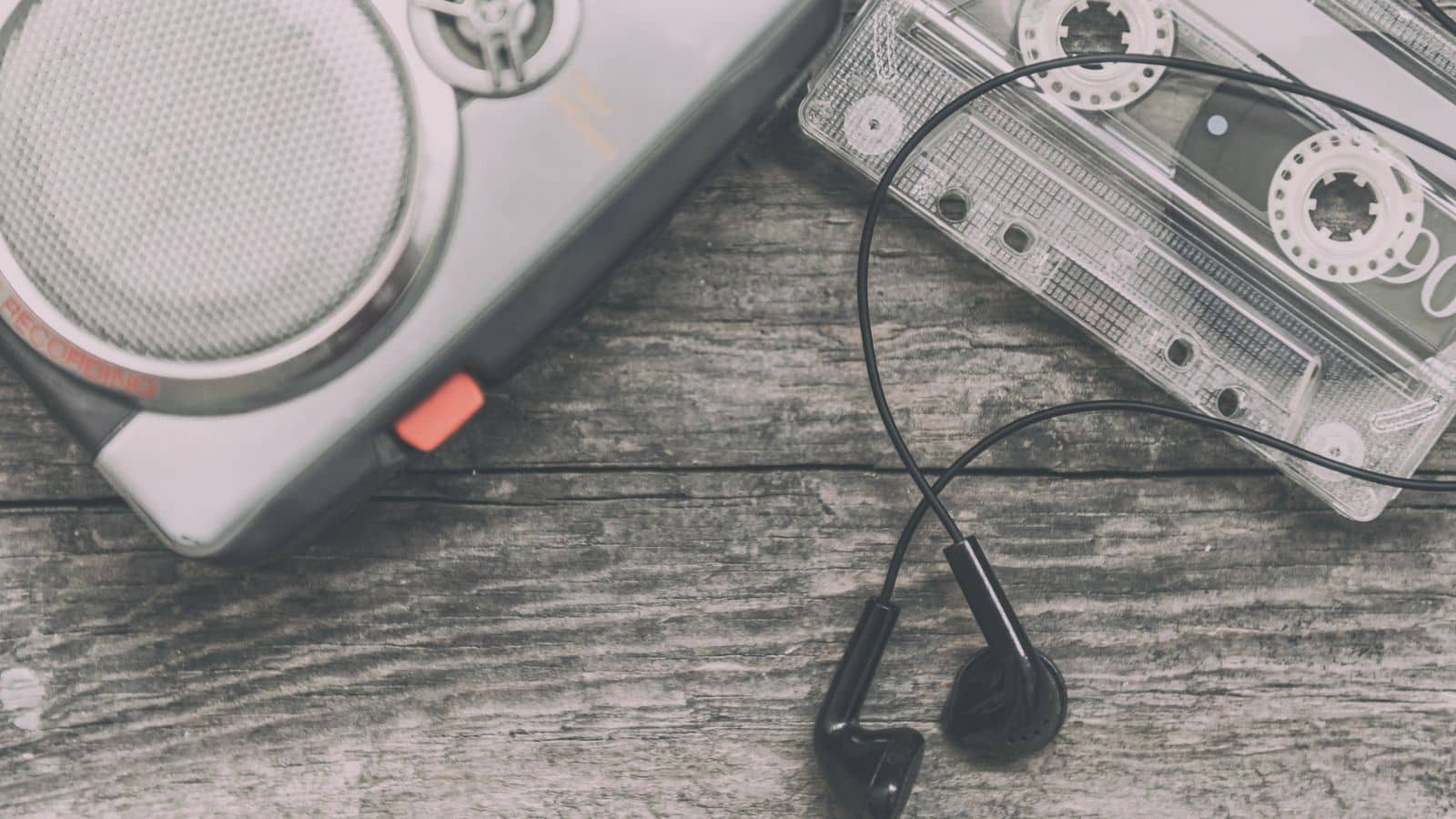
If your loved one recorded audio messages or videos, or if there are phone recordings of them laughing or talking, keep them. Recording technology creates a new kind of keepsake, reminding us of voice, cadence, and presence in a way even photos cannot. Research on personal digital archiving found that people often lose valuable digital artifacts, such as voice recordings, because they do not manage them properly. While such media can feel heavy at first, they become more meaningful over time.
Organize these files (or physical media such as tapes or DVDs) and label them clearly. You’ll appreciate the ease of revisiting memories without a frantic search through unmarked boxes.
Important Documents and Papers

Save this article
Legal documents, handwritten wills, insurance papers, certificates, or even notebooks full of to‑dos matter more than you might expect. Sorting expert Cathy Schaefer notes that “once someone dies all of a sudden their things have new meaning,” and that careful attention to these items helps the process go more smoothly. Research shows that these items also serve as emotional artifacts beyond just administrative value.
Rather than discard legal or administrative papers, categorize and store them in a labelled folder. This helps you avoid future headaches and makes the tangible transition easier.
Favourite Personal Items, Like a Tool or Kitchen Item
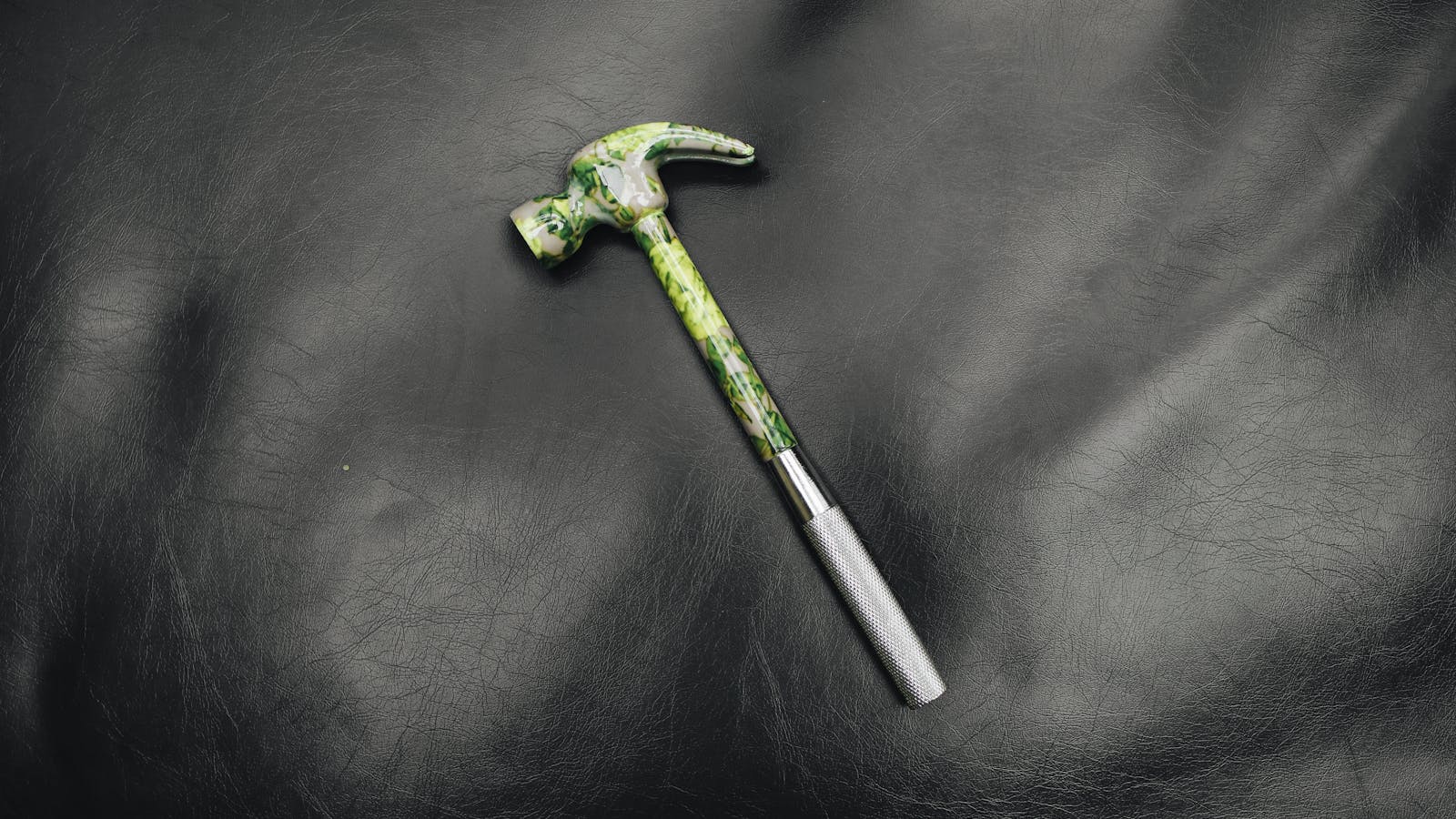
That old hammer, the special pan, the garden trowel — everyday objects your loved one used often end up carrying emotional weight. Research on “problematic stuff” shows that even mundane objects can acquire emotional significance after someone passes away. Rather than discard them as trash, consider keeping one or two items that remind you of their daily presence.
These items can be displayed discreetly, used carefully, or stored safely for later use. Sometimes keeping this kind of item helps bridge the gap between saying goodbye and remembering with warmth.
Personal Journals or Diaries

Journals or diaries kept by your loved one (or even your own reflections written with them in mind) are priceless for preserving memory. These items often capture raw emotions, details, and stories we might otherwise forget. Because they document lived experience rather than curated presentation, they become vivid portals into the person’s inner life.
If you’re hesitant to keep them easily accessible, consider storing them in a safe place and revisiting them when you’re ready. We sometimes underestimate how rich our “ordinary” moments become once the person we shared them with is gone.
Key Takeaway

When you’re sorting through a loved one’s belongings, remember that some items are priceless because they preserve connection, identity, and memory rather than monetary value. Keep things that remind you of the relationship you shared, the person they were, and the life you lived together.
It’s okay to let go of some things when you’re ready, but don’t rush yourself and don’t feel guilty about holding on. These items can be part of your healing, a way to honour your loved one, and a bridge between the past and the present.
Disclaimer: This list is solely the author’s opinion based on research and publicly available information. It is not intended to be professional advice.
Disclosure: This article was developed with the assistance of AI and was subsequently reviewed, revised, and approved by our editorial team.
Like our content? Be sure to follow us.
You Might Also Like:

11 Best Gig Apps To Make Money: The gig economy is booming, and finding flexible work opportunities has always been challenging. You can start earning money today with a smartphone and some spare time. Gig apps offer convenience, flexibility, and the chance to make extra cash.
10 Simple Habits to Recharge Your Mind and Body

10 Simple Habits to Recharge Your Mind and Body
Feeling drained doesn’t always come from significant events like a sleepless night or an intense workout — often, it’s the small daily choices that leave us running on empty. The good news is that science shows simple, consistent habits can help restore balance. From mindful breathing to nourishing foods, these practical routines recharge both mental clarity and physical stamina.
Here are 10 simple habits to recharge your mind and body, backed by research and easy enough to start today.





