

Walk into any Walmart and you’ll see cameras in the ceiling, items behind glass, and self-checkout stations being watched like a hawk. Yet despite all that, billions of dollars in merchandise still walk out the door unpaid every year.
What’s really surprising is which items disappear the most. It’s not just big electronics or designer gadgets. In many cases, it’s everyday things you probably have in your cart right now.
Below are the products that Walmart workers, loss-prevention experts, and industry reports say get stolen the most — and why they’re such prime targets.
1. Baby Formula: High Price, Constant Demand
One of the most commonly stolen products in big-box stores is baby formula.
Formula is expensive, always in demand, and easy to resell locally or online. Some people take it out of desperation to feed their own kids, while organized theft rings steal it in bulk and move it like inventory.
Because of this, many Walmarts keep formula near the front of the store or under closer watch — but it still ranks near the top of “most stolen” lists.
2. Razor Blades: Tiny Packages, Big Profit
There’s a reason razor cartridges are often behind glass. Razor blades and refills are consistently named among the most stolen items in retail, including Walmart.
They’re small enough to slip into a pocket, yet a single pack can cost $15–$20 or more. That combination of size and value makes them extremely attractive to both casual shoplifters and organized groups.
Once stolen, they’re easy to flip at a discount — and most buyers don’t question a deal on brand-name razors.
3. Cosmetics and Beauty Products
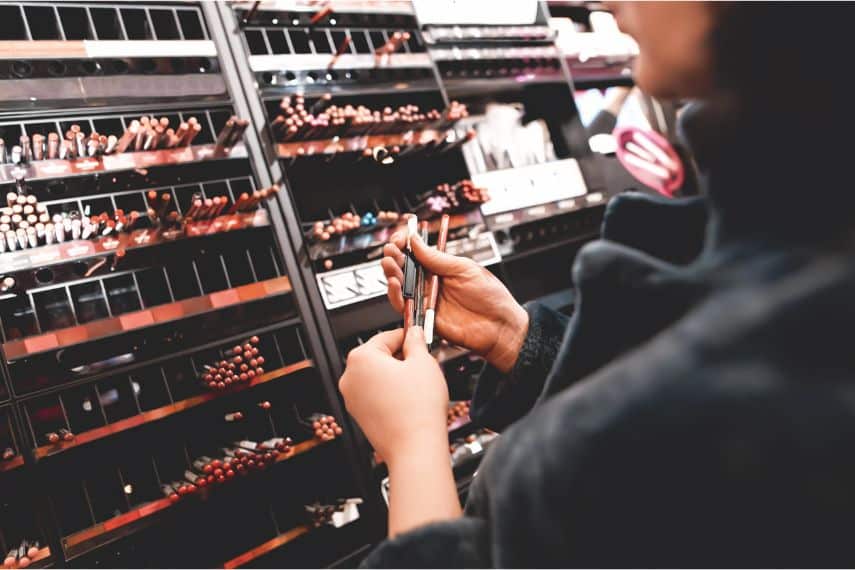
The beauty aisle is another hot zone. Walmart employees and retail reports regularly point to cosmetics as some of the most commonly stolen products.
Items like mascara, lipstick, foundation, fake eyelashes, and nail products are compact, pricey, and in constant demand. Social media trends and influencer-driven brands only make them more desirable.
Some locations now lock certain beauty brands or add extra cameras in this aisle because of persistent theft.
4. Over-the-Counter Medications
Over‑the‑counter (OTC) meds — pain relievers, allergy pills, cold medicine, diet aids, and sleep aids — also rank high on Walmart theft lists.
These products are valuable, easy to conceal, and always in demand, whether for personal use or resale. National retail data shows health and beauty items, including medication and razors, among the top categories targeted by organized retail crime.
Because the packages are small and usually on open shelves, it’s easy for someone to grab multiple boxes in seconds.
5. Meat, Cheese, and Other Groceries
It’s not just non-food items. Grocery products — especially packaged meat, cheese, seafood, and energy drinks — are increasingly stolen from chains like Walmart.
Industry lists often rank meat among the most stolen grocery items in the United States, and Walmart is no exception. With food prices up, some thefts are about survival, while others are purely about profit. High-end steak, seafood, and branded cheese can be resold quickly.
Some stores have resorted to adding security tags to meat or placing certain items in locked or monitored coolers.
6. Laundry Detergent and Cleaning Supplies
You might not expect laundry detergent to be a theft magnet, but it’s become a major target — especially for organized retail theft groups.
Save this article
Large jugs of brand-name detergent can cost $15–$25 and are easy to resell because everyone uses them. A National Retail Federation survey even highlighted detergent as a notable item in organized retail crime.
Household cleaners, dish soap, and paper products like toilet paper also get hit, particularly when prices spike.
7. Small Electronics and Accessories
The high-value tech that’s not locked up is another big problem.
Items like earbuds, phone chargers, memory cards, gaming controllers, streaming devices, and sometimes video games show up frequently on “most stolen from Walmart” lists.
Thieves will sometimes open a box in the aisle, pocket the device, and leave the empty packaging behind. The items are perfect for quick online resale or cash sales in person.
8. Toys, Trading Cards, and Collectibles
From kids’ toys to collectible cards, this category is a quiet but persistent source of loss.
Walmart-focused lists and employees regularly mention toys, especially smaller, high-demand items like Hot Wheels, LEGO sets, and trading cards such as Pokémon or sports cards.
These items are easy to hide and can fetch surprisingly high prices among collectors, which is why some stores have moved trading cards behind counters or into locked displays.
9. Clothing, Socks, and Underwear
Clothing may not seem as flashy as electronics, but it’s a steady source of shrink.
Apparel, underwear, socks, and small accessories like hats and sunglasses show up in broader retail theft data and in Walmart‑specific coverage as frequently stolen categories.
These items are simple to layer under existing clothes or tuck into bags, and they don’t attract as much suspicion as someone walking out with a TV.
Why These Items Get Stolen So Often
When you look across all of these categories, a clear pattern emerges. The most stolen Walmart items tend to be:
- Small and easy to conceal
- Relatively expensive for their size
- Everyday essentials (food, formula, meds, detergent)
- Or easy to flip for fast cash (razors, cosmetics, small tech, collectibles)
National retail surveys estimate that theft and other “shrink” cost U.S. retailers over $100 billion in 2022 alone, and Walmart is one of the chains most vocal about its impact.
How Walmart Is Fighting Back
If you’ve noticed more items under lock and key, you’re seeing the result of this trend.
Walmart has stepped up security with more locked displays, additional cameras, digital monitoring at self-checkout, and dedicated loss‑prevention staff watching in-store and on video. In some markets, the company has even closed underperforming stores, citing shrink as one factor.
The downside for shoppers is obvious: longer waits to get products unlocked and a more controlled, less “open” shopping experience.
READ: Walmart knows when you are stealing – this is how.
Beyond the Headlines: Desperation vs. Organized Crime
Not every theft looks the same. Some people steal baby formula or groceries because they feel out of options. Others treat theft like a business, hitting multiple stores, focusing on high-value, high-demand goods, and reselling them through markets and social media.
But whether it’s a pack of razor blades, a jug of detergent, or a stack of video games, one rule holds: if it’s small, valuable, and easy to sell, there’s a good chance it’s on someone’s “shopping list” — and Walmart’s shelves are paying the price.





