

Across the U.S., feeding the wrong wild animal could land you with fines of up to $5,000—or even a trip to jail.
You’ve probably seen it—a squirrel staring from a park bench, or ducks waddling by as you reach for breadcrumbs. Tossing them a snack feels harmless, maybe even kind. However, that small gesture can cost you thousands in fines, and in some places, even result in jail time.
Feeding wildlife disrupts ecosystems by weakening their foraging instincts, crowding them in unsafe numbers, and spreading disease. That’s why many communities have banned it, enforcing strict penalties to protect both people and animals. The next time you’re tempted to share your food, remember: what seems like kindness could cause serious harm.
Ducks
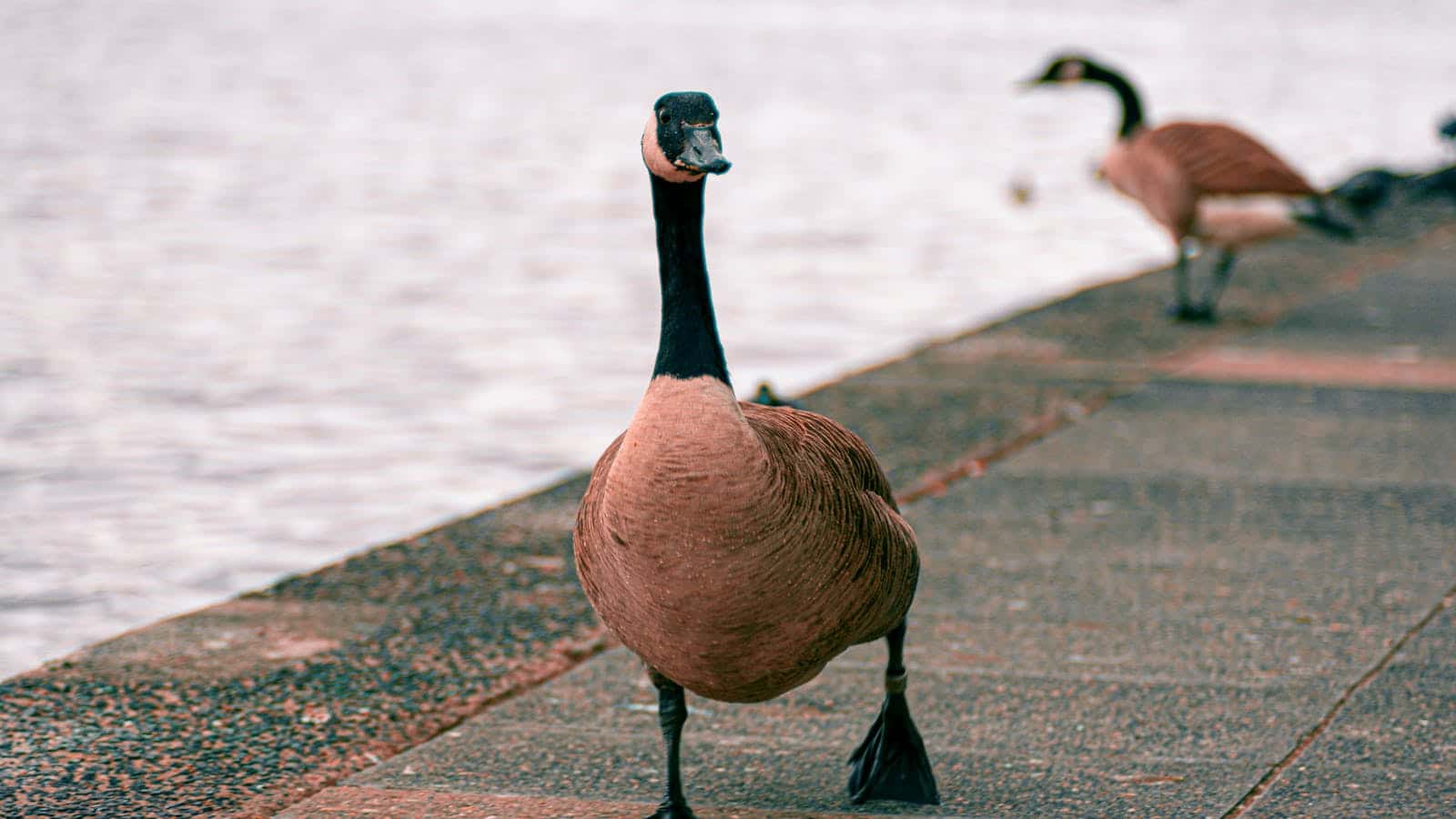
Tossing bread to ducks at the local park is a classic childhood memory. However, here’s a secret: it’s incredibly detrimental to them. Bread offers no nutritional value, and filling up on it can lead to a condition called “angel wing,” where the wings become deformed. Additionally, bread fed to ducks can often go uneaten, which can pollute waterways, promote algae growth, and harm fish populations.
Bears
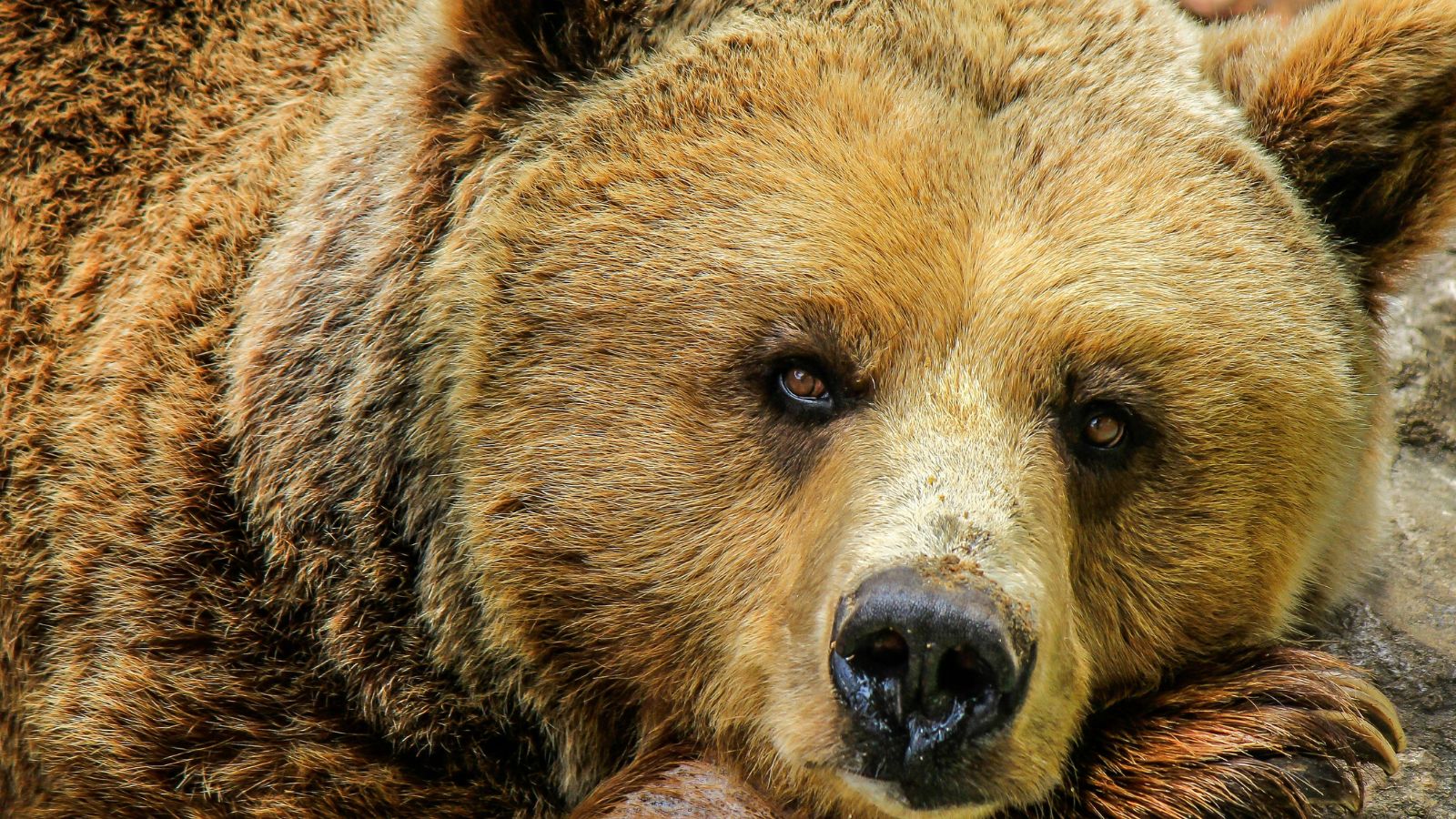
Imagine pulling up to a trailhead in a national park, ready for a hike, only to find a bear rummaging through a garbage can. This isn’t a scene from a movie; it’s a real and growing problem. Feeding bears, whether intentionally or by leaving food unsecured, habituates them to humans, making them more likely to approach humans.
A bear that learns to associate people with food is dangerous. For instance, a first offense for intentionally feeding a bear can result in a fine of up to $5,000, and subsequent offenses can lead to even more severe penalties. The authorities aren’t joking around about this.
Moose
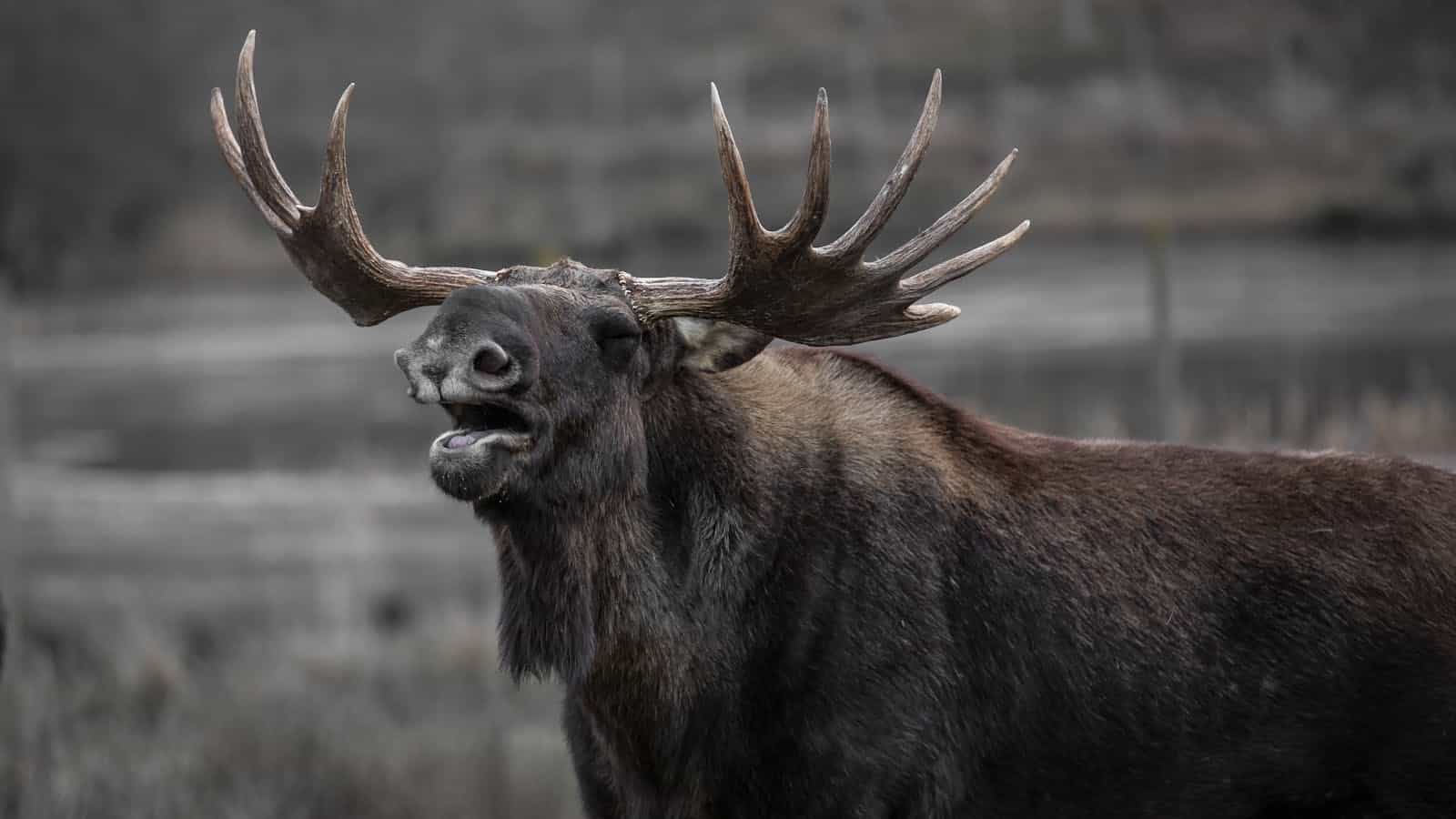
These gentle giants might seem docile, but a moose that becomes comfortable with human handouts can quickly become unpredictable. Their sheer size alone makes them a serious threat when they lose their natural fear of humans. Many states in the northern United States, like Maine and New Hampshire, have strict laws against feeding moose. Alaska could fine you $320 for feeding a moose.
Alligators

Down in the swamps and marshes of the Southeast, a gator might look like a floating log, but it’s a powerful predator. Feeding alligators is a big no-no for good reason. It teaches them to approach people for food, which can lead to aggressive behavior and potential attacks. In Florida, it is a second-degree misdemeanor to feed an alligator, with fines of up to $500 and a possible jail sentence of 60 days.
Wild Turkeys
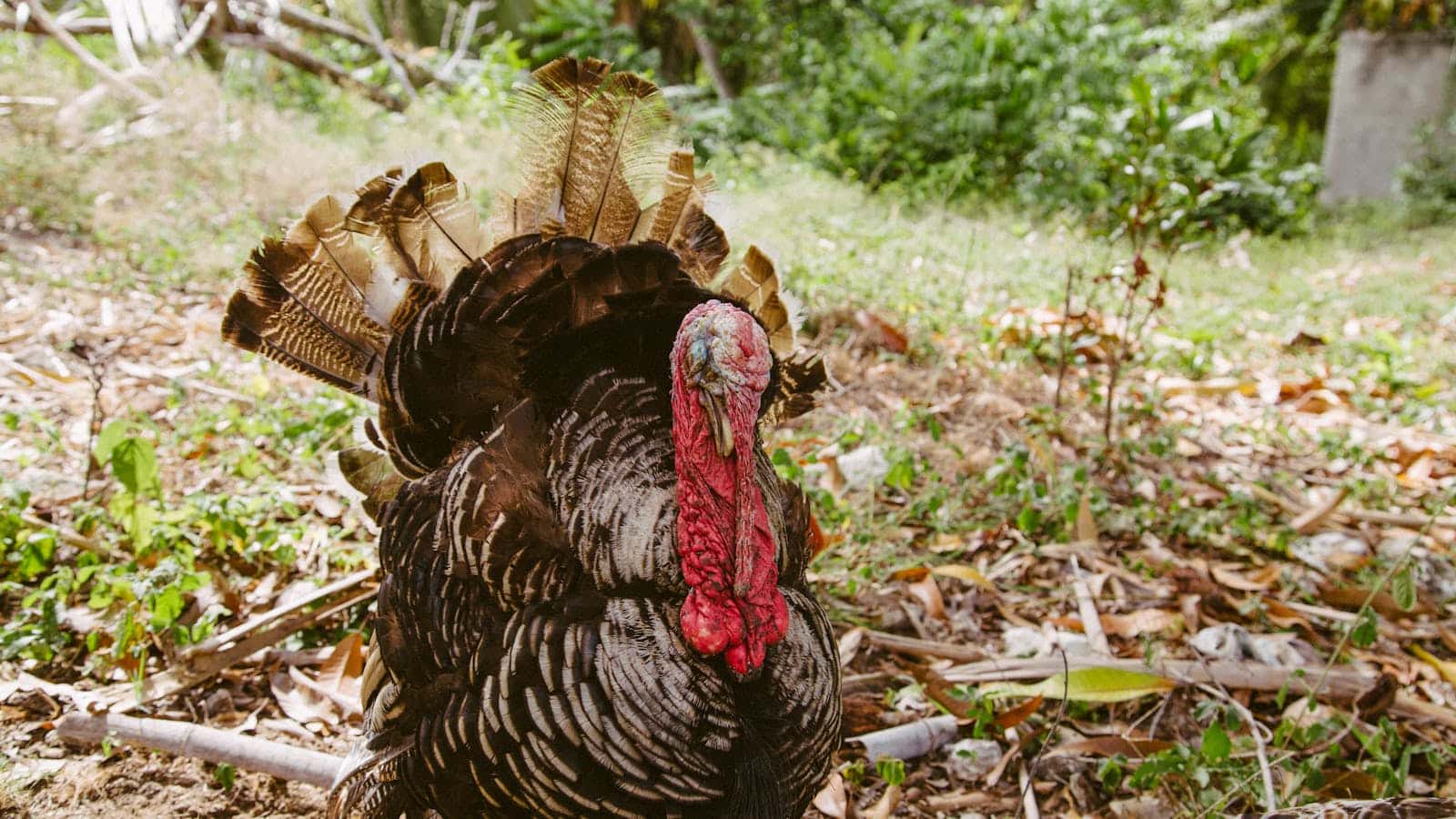
If you live in a suburban area, you’ve probably seen a flock of wild turkeys strutting down the street like they own the place. While they might seem harmless, feeding them can lead to their congregating in large, disruptive groups. According to Mass.gov, aggressive turkey behavior can be linked to human feeding. A fed turkey is a bold turkey, and they’ve been known to chase people and even peck at cars.
Deer
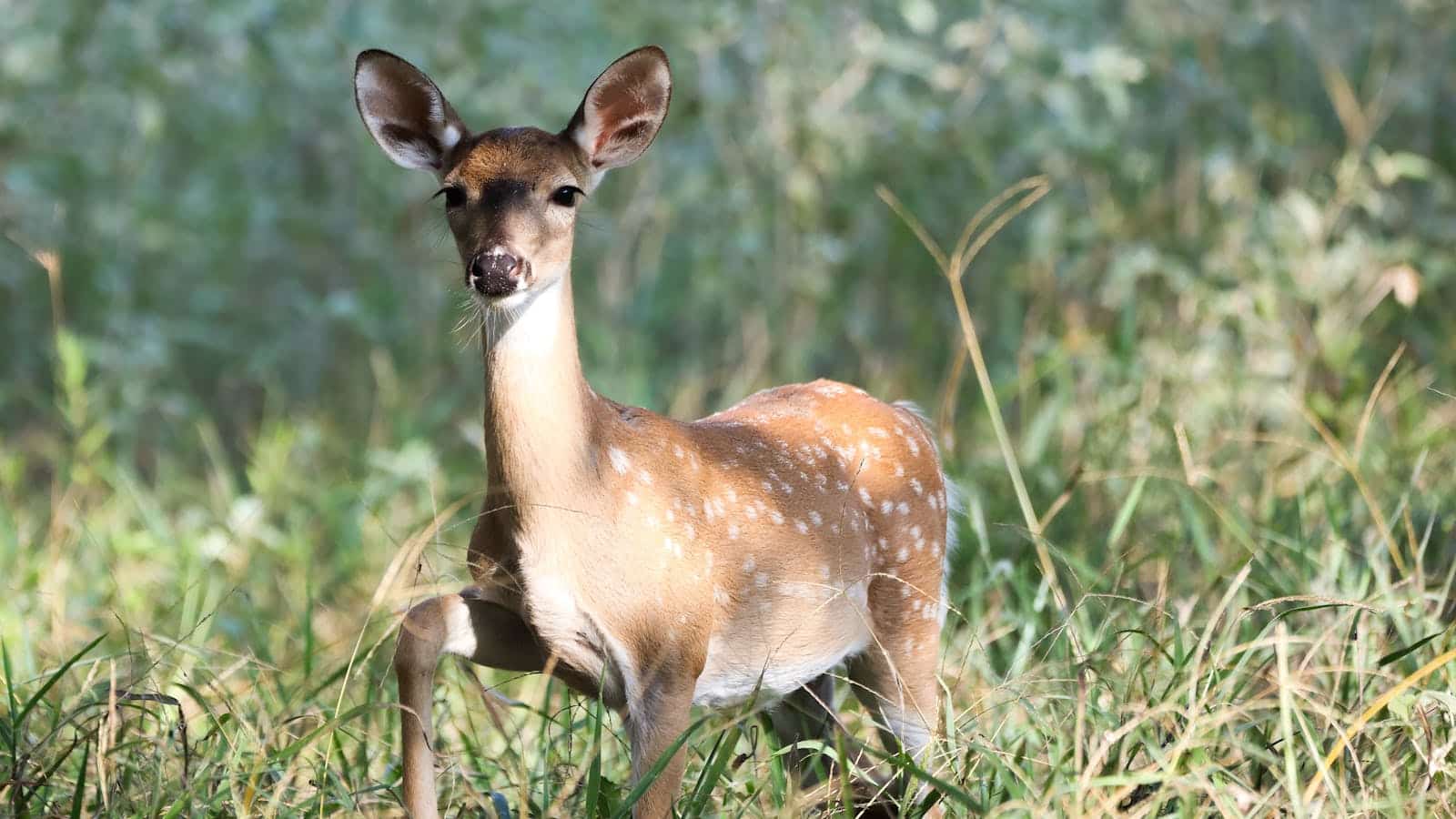
They look like something straight out of a Disney film, but feeding deer can be a disaster. It can spread diseases like Chronic Wasting Disease (CWD), which is a fatal neurological illness. In many states, including Wisconsin and Michigan, feeding deer is illegal, with fines ranging from a few hundred to several thousand dollars. CWD is a serious concern. A recent study found that feeding deer directly increases their exposure to CWD.
Coyotes
Save this article
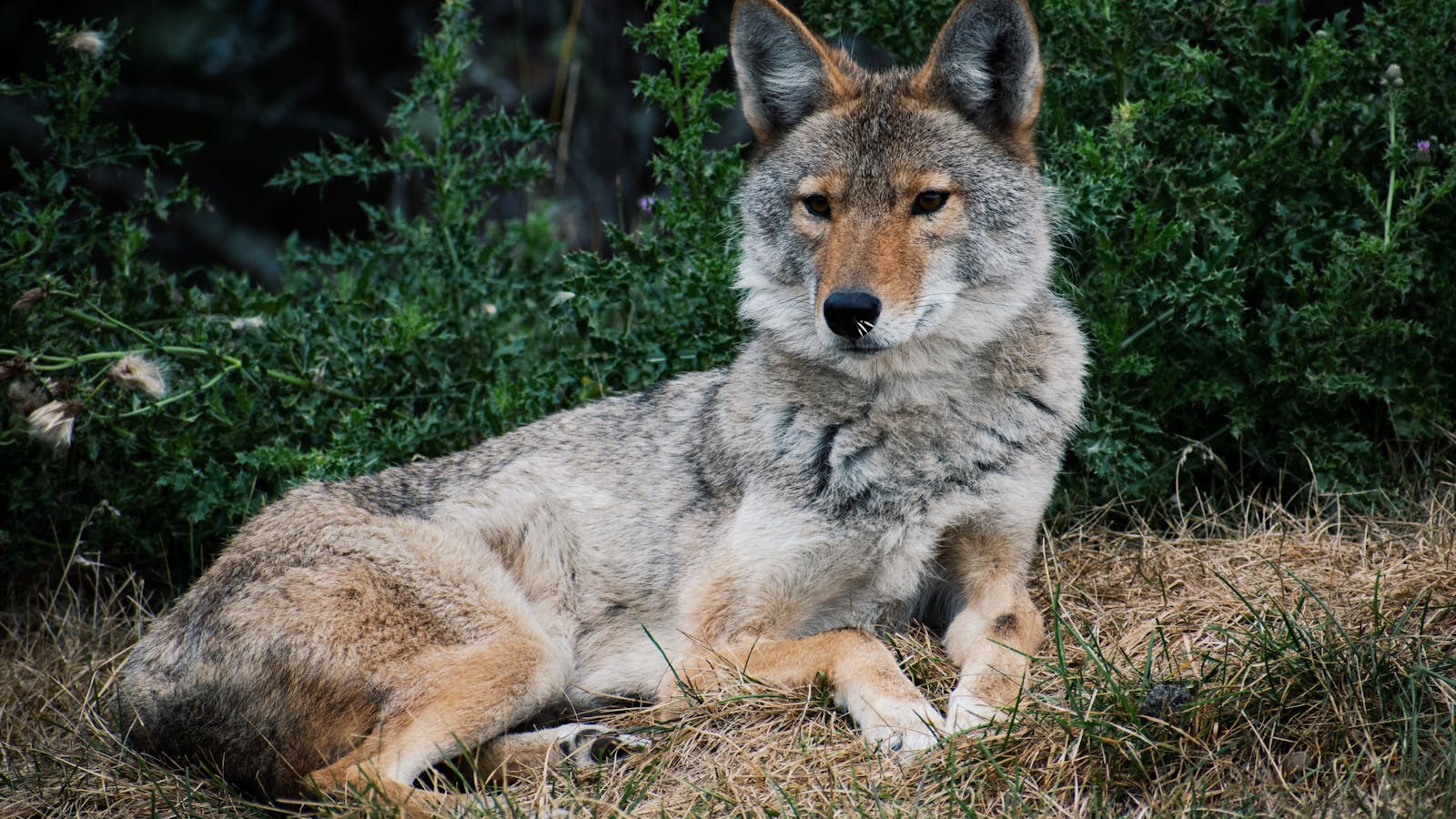
These wily canines are adaptable and can thrive in urban and suburban areas. Feeding them, even indirectly by leaving pet food outside, can make them lose their fear of humans. This can lead to increased human-wildlife conflicts, including attacks on pets and, in rare cases, people. In some jurisdictions, such as certain towns in California, feeding coyotes can result in fines of up to $1,000. It’s a classic case of good intentions paving the road to trouble.
Raccoons

These masked bandits are clever and opportunistic. They’re a common sight in backyards, and while they might seem cute from a distance, feeding them can lead to a host of problems. It can cause them to become overpopulated and lose their natural wariness of people. A single raccoon can carry diseases such as rabies and roundworm, which can be transmitted to both pets and humans.
Seagulls
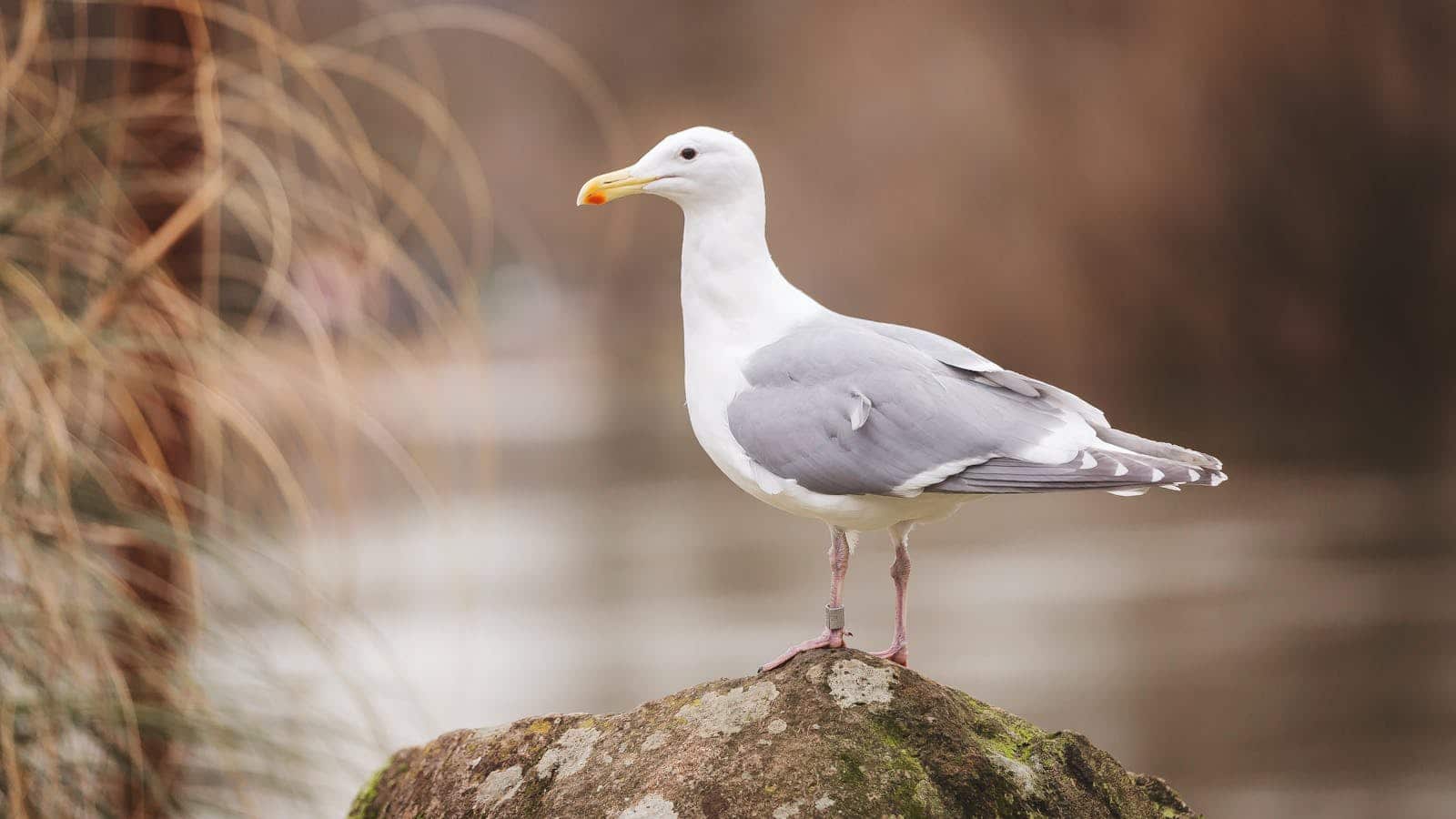
Whether you’re at the beach or a coastal city, the sight of a gull swooping down to grab a discarded French fry is a familiar one. However, feeding these birds can lead to the formation of aggressive and unhealthy flocks. In some coastal towns, like Ocean City, Maryland, fines for feeding seagulls can be as high as $500.
Monkeys

While not a common sight in most of the U.S., regions like Florida have wild monkey populations. A good example is the troop of rhesus macaques living near Silver Springs State Park. Feeding them is not just illegal but incredibly dangerous.
Monkeys can be unpredictable and carry diseases like Herpes B. It might seem like a fun photo op, but the risks for both you and the animal are too great. What feels like kindness can turn into cruelty. The best way to help wildlife is to admire them from a distance — and keep the snacks to yourself.
Disclaimer – This list is solely the author’s opinion based on research and publicly available information. It is not intended to be professional advice.
How Total Beginners Are Building Wealth Fast in 2025—No Experience Needed

How Total Beginners Are Building Wealth Fast in 2025
I used to think investing was something you did after you were already rich. Like, you needed $10,000 in a suit pocket and a guy named Chad at some fancy firm who knew how to “diversify your portfolio.” Meanwhile, I was just trying to figure out how to stretch $43 to payday.
But a lot has changed. And fast. In 2025, building wealth doesn’t require a finance degree—or even a lot of money. The tools are simpler. The entry points are lower. And believe it or not, total beginners are stacking wins just by starting small and staying consistent.
Click here and let’s break down how.
5 Easy Steps to Change Any Habit
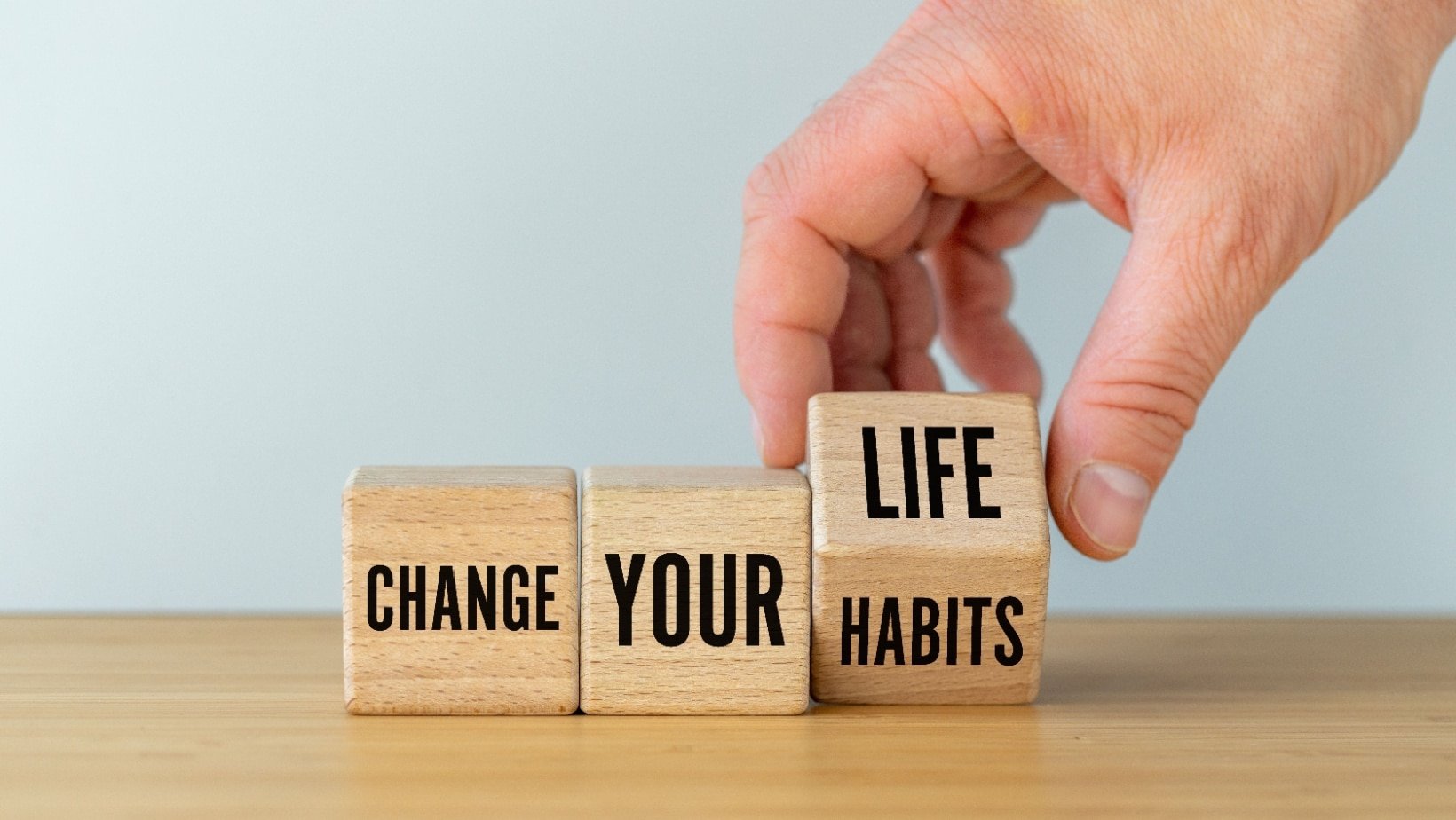
5 Easy Steps to Change Any Habit
We all click on them with the hope that just THIS time the secret to changing a bad habit or adopting a healthy one will be revealed and we’ll finally be able to stick to that diet, stop that one or ten things that might in the moment make us feel temporarily good but really just make us fat, unhealthy, sad, mad or just frustrated with ourselves.





