For years, protein conversations have focused on quantity and muscle gain, but long-term wellness depends just as much on where protein comes from. The source influences inflammation, gut health, cardiovascular risk, and how the body ages over time. Rethinking protein means looking beyond quick results and toward patterns that support health for decades, not just months.
Evidence supports this shift. A cohort study in JAMA Internal Medicine found that replacing just 3 percent of calories from animal protein with plant protein was linked to a lower risk of death from all causes. That small adjustment highlights how choosing different protein sources can quietly shape long-term health outcomes.
Plant vs animal protein and longevity
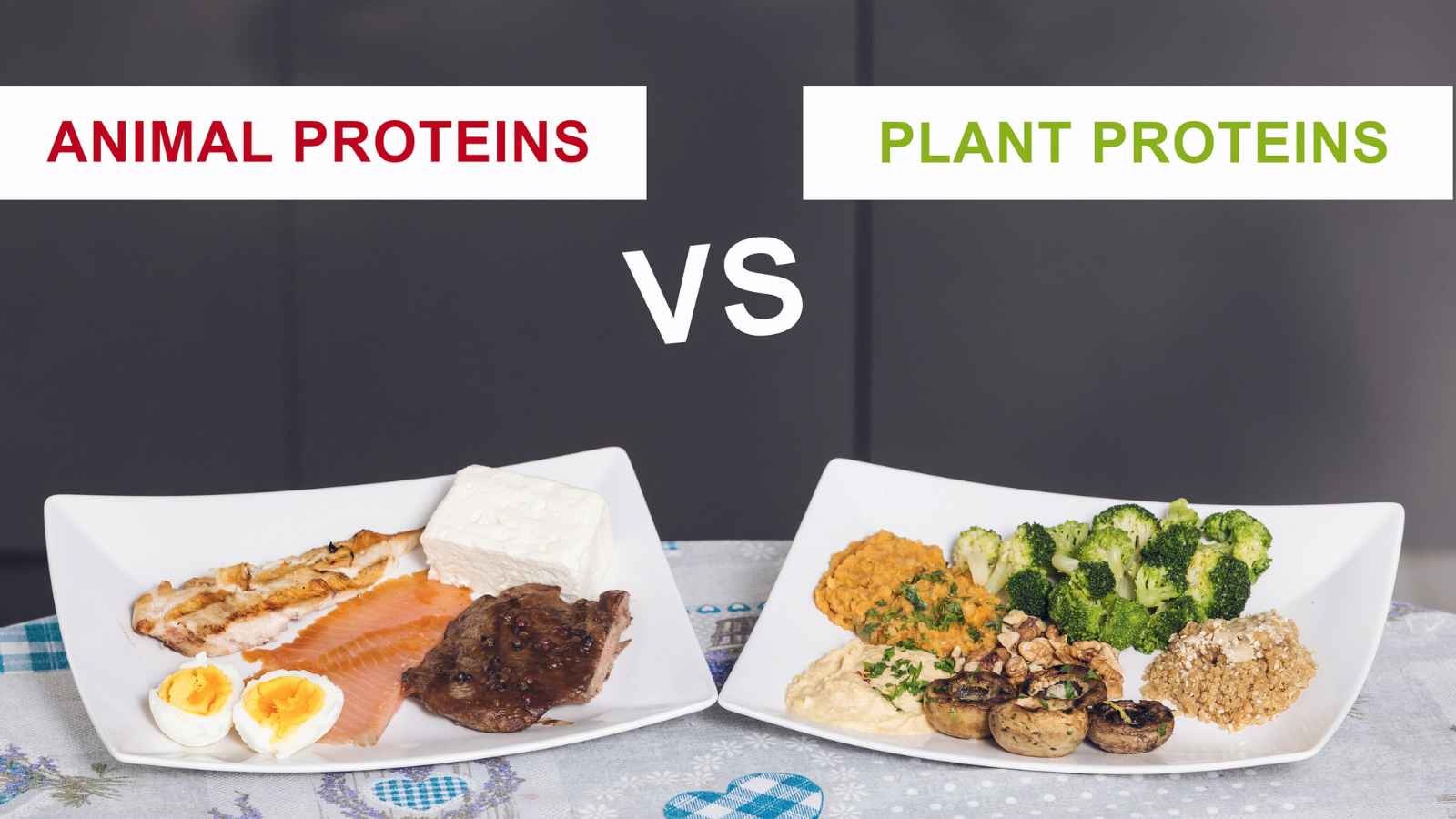
Protein source matters for survival. A BMJ analysis pooling over six million person-years found that each standard-deviation increase in plant protein intake was associated with about a 5 percent lower risk of all-cause mortality. Animal protein showed no similar benefit after lifestyle adjustment.
This pattern appears across cultures. A Japanese cohort study reported lower total and cardiovascular mortality with higher plant protein intake, and lower risks when plant protein replaced red or processed meat.
Protein for healthy aging and muscle

Aging research highlights a parallel risk: insufficient protein contributes to muscle loss. Systematic reviews show that older adults with sarcopenia consistently consume less protein than their peers, linking low intake to frailty and loss of function.
A 2022 meta-analysis cited by MDPI, involving more than 3,300 older adults, found that higher protein intake was linked to a lower prevalence of sarcopenia. The association was particularly strong for protein from plant sources.
The National Library of Medicine also suggests that many older adults need around 1.2 g/kg/day of protein, and up to 1.5 g/kg/day in the presence of muscle loss.
Nutrient packages: what travels with your protein
Protein quality reflects its nutritional context. Red and processed meats often arrive with saturated fat, sodium, nitrites, and heme iron, nutrients repeatedly linked to cardiometabolic risk in observational and mechanistic studies.
Save this article
Plant proteins typically come bundled with fiber, polyphenols, potassium, magnesium, and unsaturated fats. These nutrient clusters improve insulin sensitivity, lipid profiles, blood pressure, and gut microbiome diversity.
The National Library of Medicine suggests that even adequate protein intake may not protect muscle if the overall pattern is energy-dense and meat-heavy.
Environmental and ethical dimensions of protein choices
Protein choices shape environmental outcomes. FAO-summarized life-cycle assessments show that meat and dairy supply about 20 percent of global calories yet use roughly 70 percent of agricultural land. They also produce over 70 percent of food-related greenhouse gas emissions, with beef being the most resource-intensive.
Reviews of alternative proteins such as mycoprotein, microalgae, and cultured meat show substantially lower land and water use per unit of protein. Processing can reduce some of these benefits. Overall, diets lower in beef and processed meat consistently reduce environmental pressure.
Key Takeaway

Protein remains essential for muscle and healthy aging, but its long-term impact depends on source and dietary context.
Evidence supports making plant proteins the default, using fish and fermented dairy strategically, and limiting red and processed meats. This approach aligns human health with environmental sustainability without sacrificing protein adequacy.
Disclosure: This article was developed with the assistance of AI and was subsequently reviewed, revised, and approved by our editorial team.
Disclaimer – This list is solely the author’s opinion based on research and publicly available information. It is not intended to be professional advice.
Like our content? Be sure to follow us