

Fruits rank among the simplest ways to add powerful nutrients to your diet, and growing scientific evidence links regular fruit intake with longer life and better health.
Rich in vitamins, fiber, and antioxidants, fruits help protect cells from damage, support digestion, and stabilize blood sugar levels. Fruit consumption is a cornerstone of dietary patterns that reduce the risk of chronic diseases and promote healthy aging.
Data from research by the American Heart Association shows that adults who eat at least two servings of fruit daily have a lower risk of early death. In fact, people who ate 5 servings of fruit per day had a 13% lower risk of dying from any cause.
Blueberries
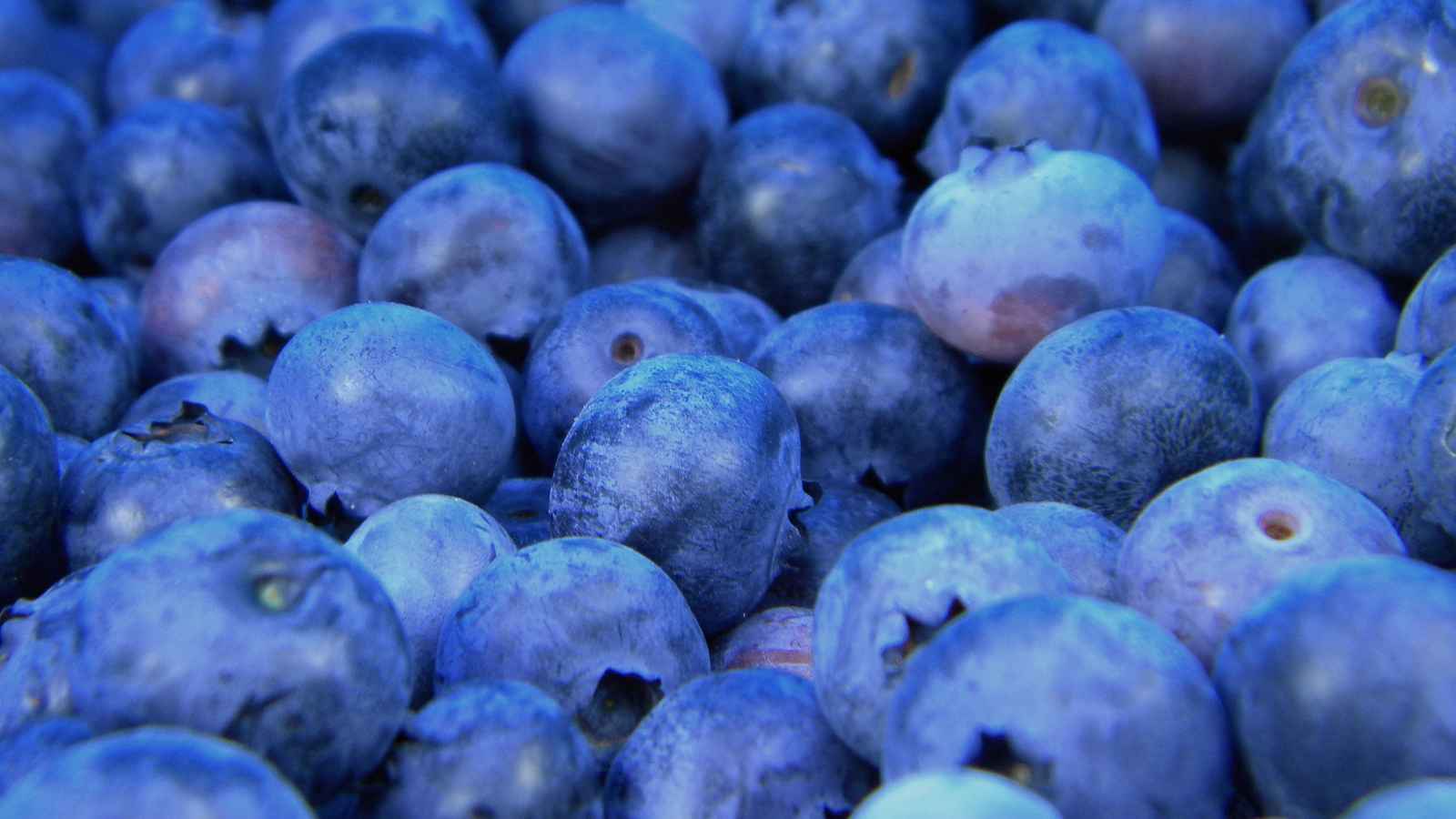
In a controlled clinical trial published in The American Journal of Clinical Nutrition, older adults who consumed blueberries daily for twelve weeks showed measurable improvements in cognitive performance. They also showed improvements in vascular function. The researchers linked these changes to anthocyanins and other polyphenols that give blueberries their deep color and remain detectable in the body with regular intake.
A study in Advanced Nutrition linked regular blueberry consumption to better heart, brain, gut, and metabolic health. It cited their combination of fiber and antioxidant compounds.
Dark purple fruits like blueberries support healthy ageing. Their polyphenols appear to act directly on blood vessels and brain signaling pathways.
Strawberries
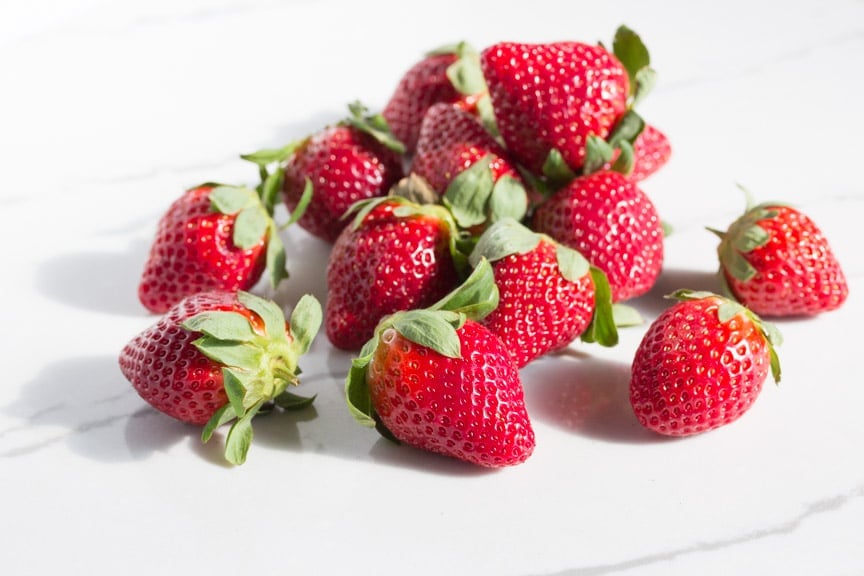
The same berry mortality datasets that elevate blueberries also place strawberries firmly in the longevity column. Analyses of U.S. and European cohorts published in The Journal of Nutrition show that people who regularly consume strawberries have a lower risk of dying from any cause. This is compared with those who rarely eat them.
Strawberries deliver vitamin C, folate, fiber, and anthocyanins, compounds repeatedly associated with reduced oxidative stress and inflammation in cardiometabolic research. Flavonoid intake analyses from Harvard-affiliated cohorts published in Circulation show a clear dose-response relationship.
Higher anthocyanidin consumption is linked to lower mortality. This positions strawberries as a dessert that behaves more like a protective habit than a treat.
Cranberries

In berry-focused mortality analyses published in Advances in Nutrition, cranberries emerge with some of the strongest reductions in cardiometabolic death risk. In certain cohorts, regular cranberry intake was associated with a nearly halving of cardiometabolic mortality compared with non-consumers.
Cranberries are unusually rich in proanthocyanidins, polyphenols linked to improved lipid profiles, vascular function, and glucose regulation. Researchers emphasize that benefits appear most clearly with consistent intake over time.
Cranberries are naturally tart, so nutrition scientists recommend whole berries or minimally sweetened juices. They also suggest lower-sugar dried versions to preserve phytochemicals without overwhelming added sugar.
Apples

Apples appear so often in cardiovascular and mortality research that they risk being overlooked. Pooled cohort analyses consistently show higher intakes of apples and pears associated with fewer heart attacks, strokes, and deaths from all causes.
Their power lies in combination. Apples provide soluble fiber, particularly pectin, alongside polyphenols that help lower LDL cholesterol, improve endothelial function, and support a healthier gut microbiome.
Cardiometabolic researchers frequently describe apples as a baseline fruit. Unflashy, accessible, and reliably present in lower-mortality data across populations.
Save this article
Citrus fruits

Large fruit and vegetable meta-analyses published in The Lancet and European Heart Journal repeatedly link citrus intake with reduced cardiovascular events and improved overall survival. Oranges, grapefruits, and mandarins show especially strong associations with a lower risk of ischemic stroke.
Citrus fruits deliver vitamin C, potassium, folate, and flavanones such as hesperidin. These compounds have been linked in vascular research to lower blood pressure, improved endothelial function, and reduced inflammation. Whole fruit and minimally processed juice retain far more of these benefits than highly filtered, sugar-added citrus drinks.
Grapes

Red and purple grapes are rich in polyphenols, including resveratrol, quercetin, and anthocyanins. These compounds are frequently associated with cardiometabolic protection.
Grape consumption contributes meaningfully to total flavonoid exposure. This higher exposure correlates with lower all-cause and cardiovascular mortality.
Grapes offer many of the same compounds as red wine, without alcohol. This makes them a safer long-term source of these protective molecules.
Pomegranates
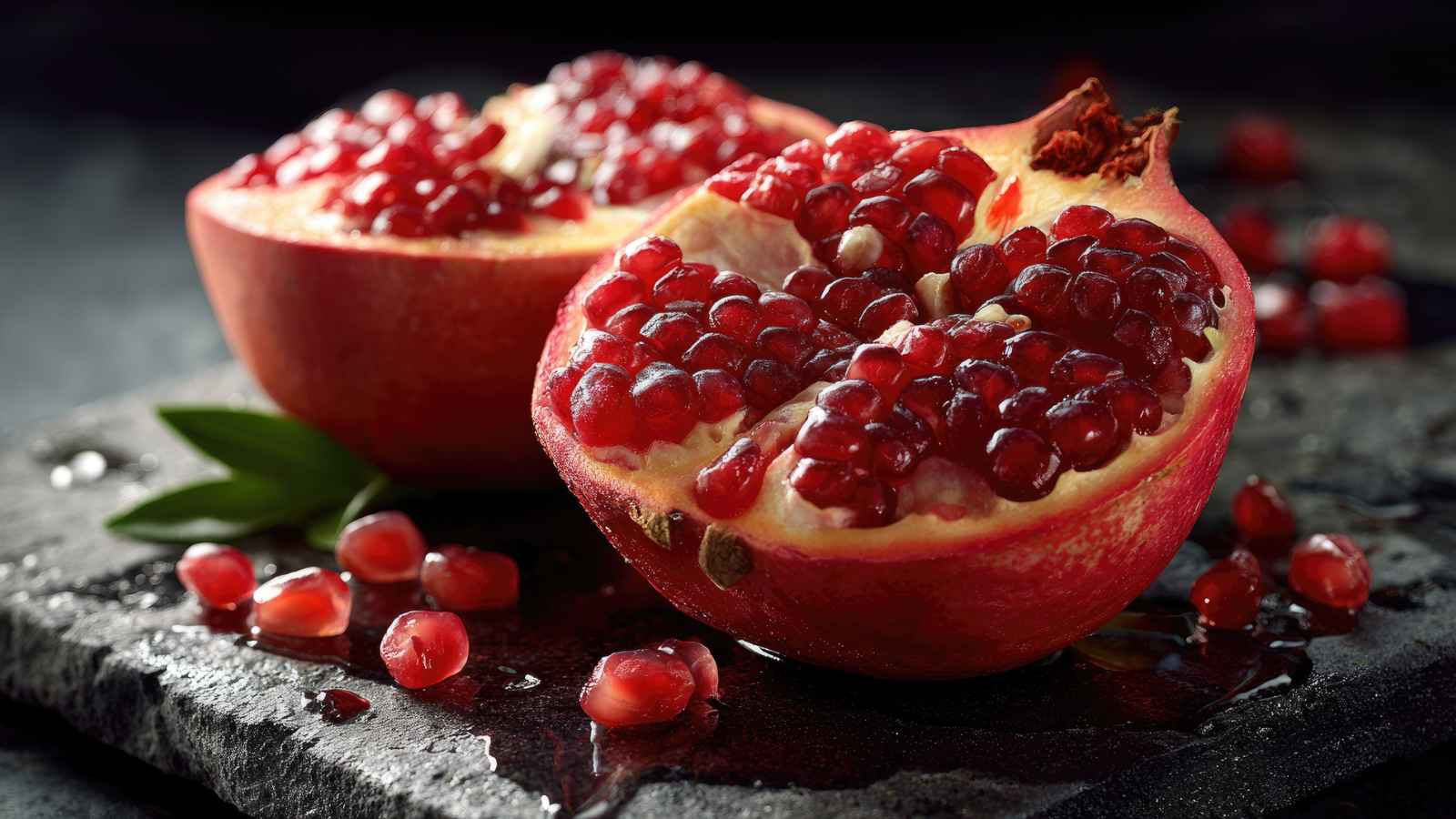
Pomegranates are rich in punicalagins and other unique polyphenols that exhibit anti-inflammatory and antioxidant effects in human trials. Small clinical studies published in Atherosclerosis have found that pomegranate juice can improve markers such as carotid intima-media thickness. They have also reported reductions in oxidative stress, which is relevant to long-term vascular health.
Although pomegranates are not always separated out in large mortality meta-analyses, they fall squarely into the category of deeply pigmented, polyphenol-rich fruits linked to lower cardiovascular risk. Nutrition scientists frequently group them with berries and dark grapes as fruits whose benefits extend well beyond basic vitamins.
Kiwis
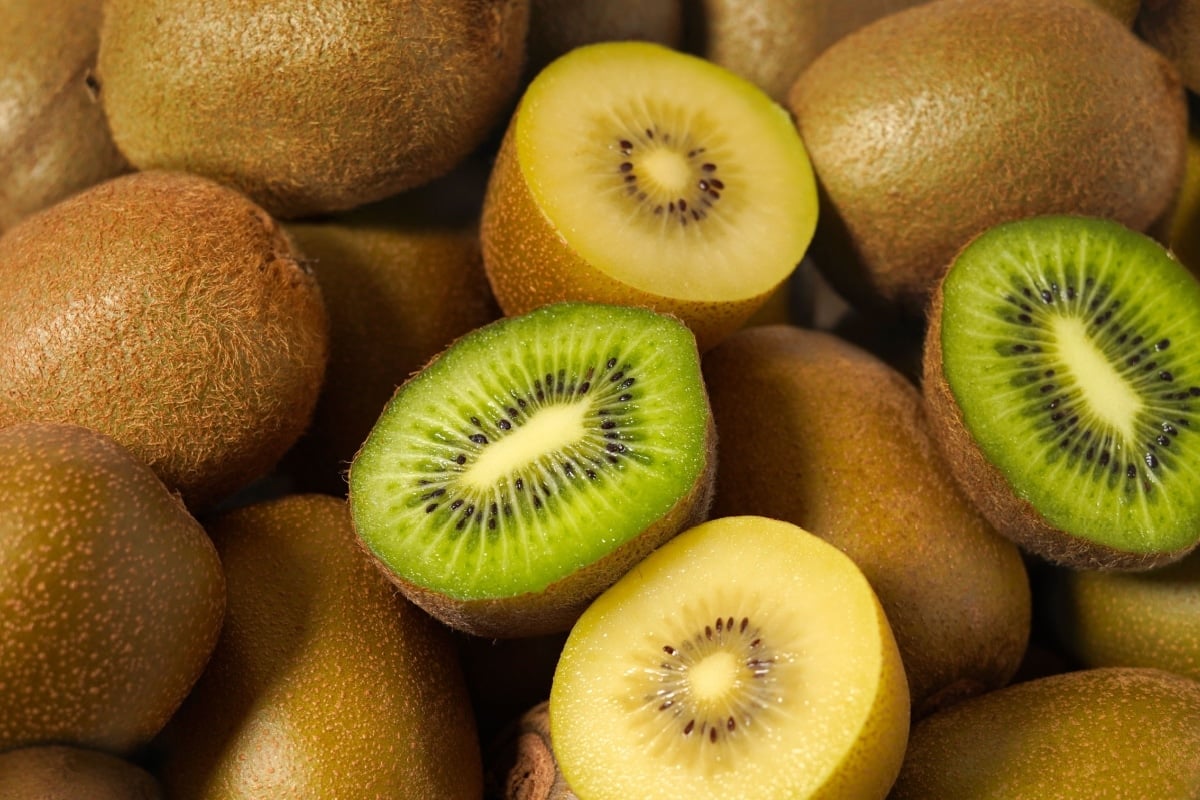
Kiwifruit stands out for its extraordinary vitamin C content, as well as fiber, potassium, and antioxidant compounds. Dietary pattern studies published in The American Journal of Clinical Nutrition often group kiwis with other vitamin C-rich fruits. These fruits are associated with lower rates of hypertension and improved vascular function.
Emerging clinical research has linked kiwifruit consumption to modest reductions in blood pressure and improvements in sleep quality, both factors associated with longer life. Dietitians often recommend kiwis for people who struggle to meet daily fruit targets. One or two kiwis can deliver a substantial portion of daily vitamin C and fiber with minimal calories.
Key Takeaway

Eating fruit regularly is strongly associated with a lower risk of early death, especially from heart disease and stroke. Evidence from journals such as The Lancet, Circulation, and The BMJ suggests that berries, apples, citrus, grapes, and kiwis repeatedly rise to the top.
Scientists are no longer just saying eat more fruit. They are starting to identify which fruits seem to pack the biggest longevity punch, and the pattern favors those rich in fiber, vitamin C, and deep colored polyphenols.
Disclaimer – This list is solely the author’s opinion based on research and publicly available information. It is not intended to be professional advice.
Like our content? Be sure to follow us





