When people cut back on plant foods, the health impact depends less on what they remove and more on what takes its place. Swapping vegetables, legumes, or whole grains for refined carbs or processed meats shifts nutrient intake, inflammation, and metabolic health in subtle but powerful ways. The plate tells a story, and replacement choices often matter more than elimination itself.
Research makes this clear. A study in The BMJ found that replacing plant protein with animal protein, especially processed meat, was associated with a higher risk of cardiovascular disease. The finding underscores that plant foods protect health not only by what they provide, but by what they help keep off the plate.
The substitution lens: not just more or fewer plants
Modern nutrition research increasingly uses substitution models to ask what happens when plant calories are replaced by other foods. These models, used in large cohort analyses in journals such as JAMA Internal Medicine and The BMJ, hold calories constant to isolate the effect of swapping foods.
Replacing plant foods with red or processed meat or ultra-processed foods is linked to higher cardiovascular and all-cause mortality. Replacing animal protein with plant protein or minimally processed plant alternatives consistently lowers risk, showing that plant displacement is not a neutral trade.
When plants give way to animal protein
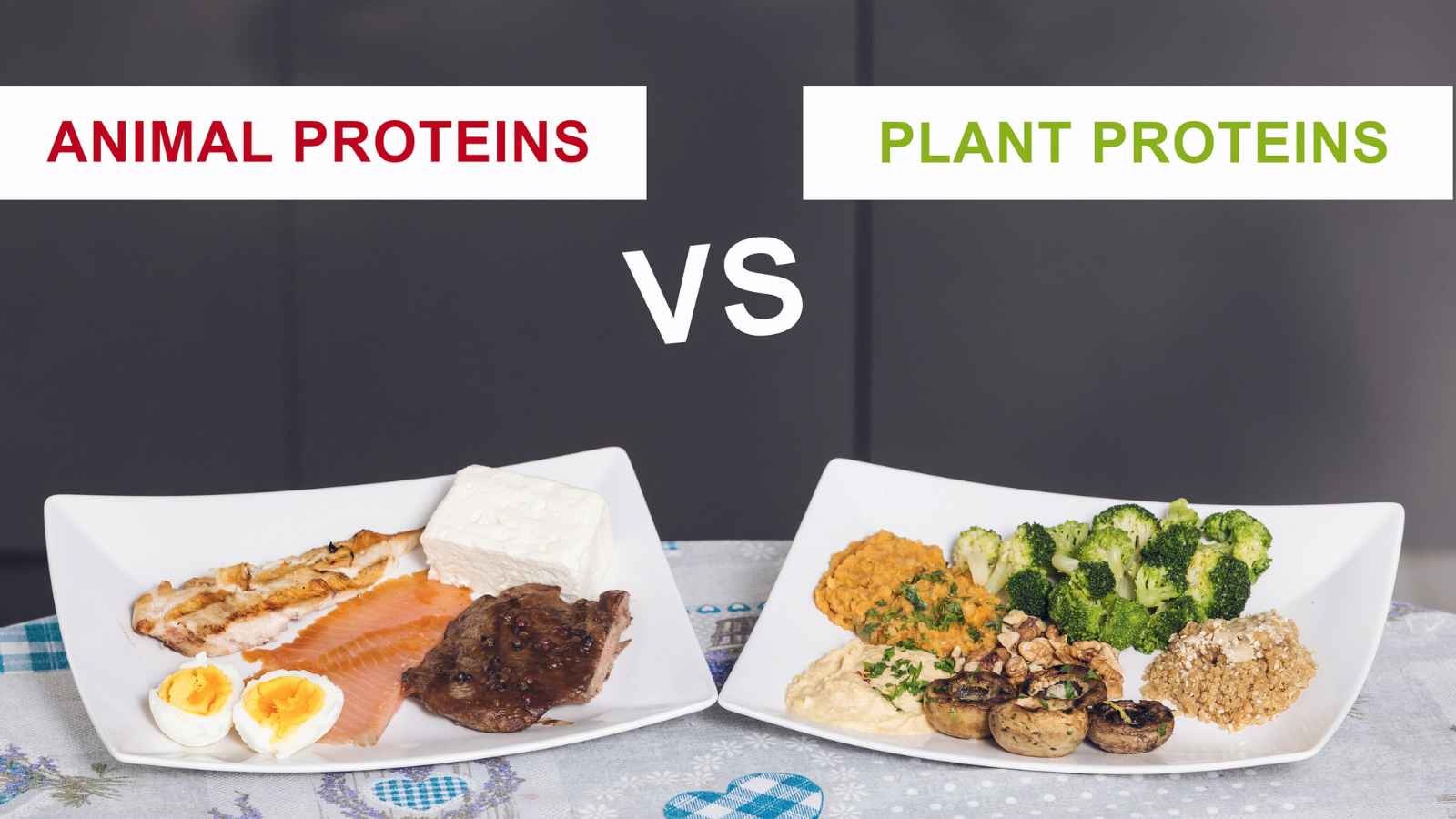
A JAMA Internal Medicine cohort study followed over 130,000 adults and found that higher animal-protein intake was associated with higher cardiovascular mortality. Higher plant-protein intake predicted lower all-cause mortality. Each 10 percent increase in calories from animal protein raised overall mortality risk by about 2 percent and cardiovascular mortality by about 8 percent.
In contrast, each 3 percent increase in energy from plant protein lowered overall and cardiovascular mortality by roughly 10 to 12 percent. A 2023 systematic review of substitution models cited by the National Library of Medicine reported similar findings. The review found that replacing animal protein with plant protein was linked to lower cardiovascular mortality and a reduced risk of type 2 diabetes.
When plants are pushed out by ultra-processed foods

U.S. NHANES analyses show that higher ultra-processed food intake coincides with lower intakes of fiber, potassium, magnesium, and vitamins A, C, D, and E. It also coincides with higher refined carbohydrates and added sugars. Each additional daily serving of ultra-processed food has been associated with about an 18 percent higher risk of death.
Experimental data support these associations. An NIH-controlled feeding trial published in Cell Metabolism found that participants eating an ultra-processed diet consumed about 500 extra calories per day and gained roughly two pounds in two weeks. The gain occurred largely because whole plant foods were displaced.
Save this article
The gray zone: ultra-processed plant alternatives vs whole plants
Plant-based meat and dairy alternatives blur the line because they are plant-derived but often ultra-processed. Nutrient profiling studies show these products are often lower in saturated fat than animal versions, but vary widely in sodium and overall quality.
The National Library of Medicine found that replacing meat with plant-based meat analogues reduced total cholesterol by about 6 percent and LDL cholesterol by 12 percent.
It also reduced body weight by about 1 percent. Researchers emphasize that minimally processed plant foods like beans, lentils, whole grains, and nuts deliver superior fiber density and nutrient profiles.
Policy signals and evolving guidelines
Dietary guidelines are increasingly shaped by substitution thinking. Recent U.S. guidance emphasizes increasing fruits, vegetables, and whole grains while limiting added sugars, refined grains, and ultra-processed foods.
Academic centers such as Harvard T.H. Chan School of Public Health now stress higher plant-to-animal protein ratios and treat ultra-processed foods as a separate risk factor. Public health messaging is shifting from simply eating more plants to protecting plant foods from being crowded out.
Key Takeaway

Health outcomes depend less on removing plants and more on what replaces them. Replacing plant foods with red or processed meat or ultra-processed foods raises long-term risk.
Replacing them with minimally processed plant foods or plant-forward alternatives lowers it. The most consequential nutrition choice is often what fills the empty space on the plate.
Disclosure: This article was developed with the assistance of AI and was subsequently reviewed, revised, and approved by our editorial team.
Disclaimer – This list is solely the author’s opinion based on research and publicly available information. It is not intended to be professional advice.
Like our content? Be sure to follow us