The rise of self-checkout has triggered sweeping shifts in consumer behavior and retail operations, redefining the checkout experience.
The checkout counter at your local grocery store is a theater of change. It was once a place of face-to-face interaction, a simple exchange of goods for money. Now, it’s a space filled with silent, glowing screens. It is the self-checkout revolution, a shift that is remaking the experience for both shoppers and the stores themselves.
This digital transformation has had a ripple effect, altering everything from our shopping habits to the store’s bottom line. It’s a double-edged sword, offering convenience and control while introducing new challenges. The following 11 impacts reveal how this technology has reshaped the retail landscape and what it means for our daily lifestyle.
Impact on Shoppers: Greater Privacy

For shoppers purchasing sensitive items, such as certain health products or lactose-free food, self-checkout offers a welcome layer of privacy. You can scan your items without feeling the need to explain your choices to a cashier. This creates a comfortable experience, especially for those who are managing a specific diet.
Impact on Stores: Increased Theft

The lack of human supervision at self-checkout machines has led to an increase in theft, resulting in substantial financial losses for retailers. It is a harsh truth. A Study by Bluebooks reveals that self-checks have 16 times more shrinkage than cashier lanes, significantly impacting a store’s bottom line. This silent form of loss can eventually translate to higher prices for all consumers.
Impact on Shoppers: Faster Checkout Times

For shoppers in a hurry, self-checkout can be a real lifesaver. When you’re only grabbing a few items, like a quick breakfast or a carton of milk, you can often breeze through the process. According to a 2023 survey by NCRvoyix, 77% of shoppers who use self-checkout do so because it’s faster for small purchases. This speed is a huge selling point for those of us with busy schedules.
Impact on Stores: Reduced Labor Costs

From a business perspective, the biggest draw of self-checkout is the reduction in labor costs. With fewer cashiers needed, stores can redirect employee hours to other tasks, like managing stock or assisting customers on the floor. This has a direct impact on the store’s finances. A study by the Brookings Institution found that automation could displace millions of retail jobs over the next decade.
Impact on Shoppers: The Burden of Errors
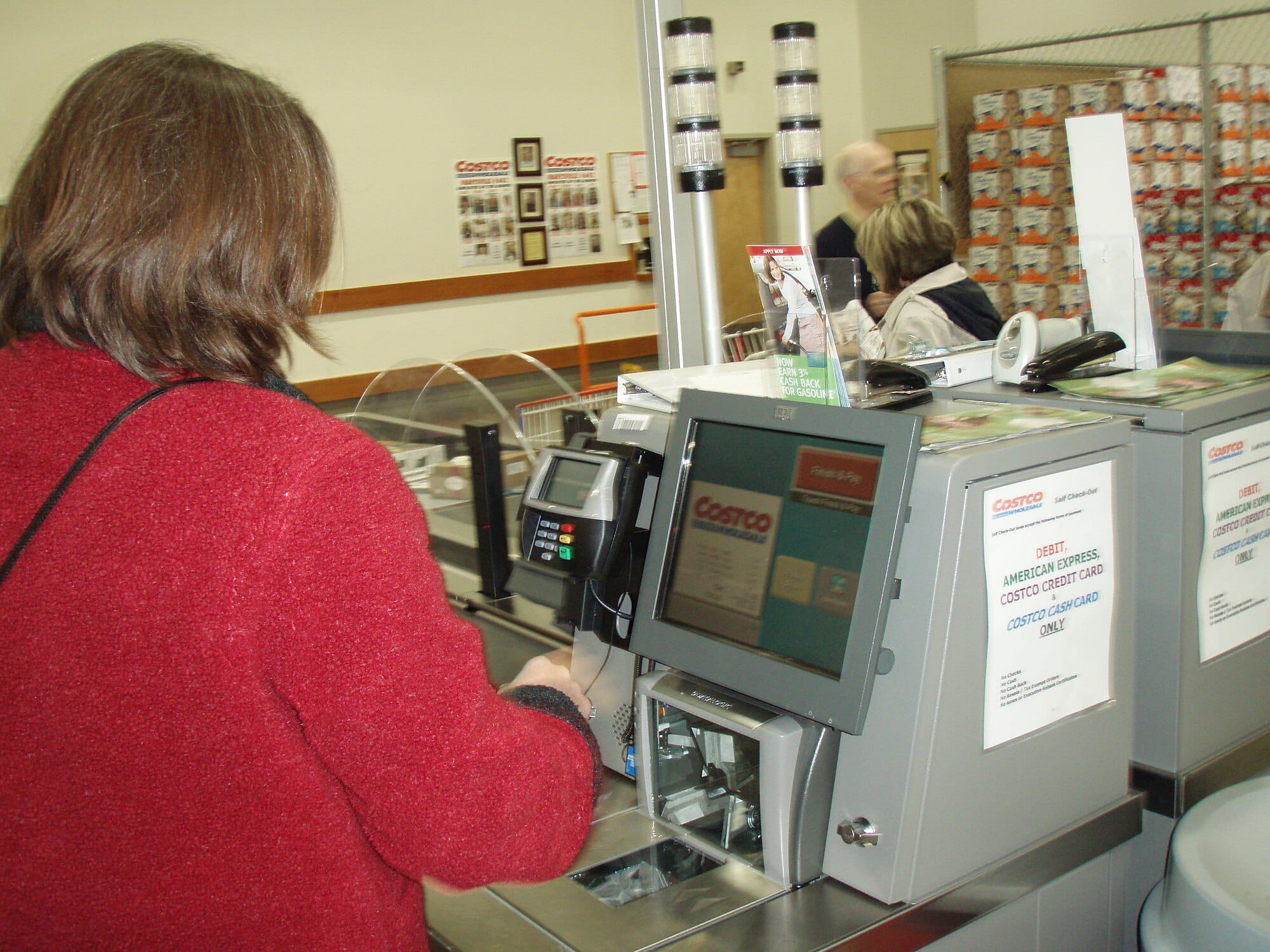
Anyone who uses self-checkout regularly knows the frustration of a scanning error. You might scan the wrong barcode, or the machine might reject an “unexpected item in the bagging area.” According to Loss Prevention Media, self-checkout systems have found that a transaction with a basket of just 50 items has a 60% chance of containing at least one error, often requiring assistance and negating any time saved.
Impact on Stores: Data Collection

Self-checkout machines are excellent tools for data collection. They can track customer purchasing habits, time spent at the kiosk, and even what items are most frequently left unscanned. This data can be used to optimize store layouts and marketing strategies. It is an invaluable source of financial information for a store’s investment plans.
Impact on Shoppers: A Sense of Control
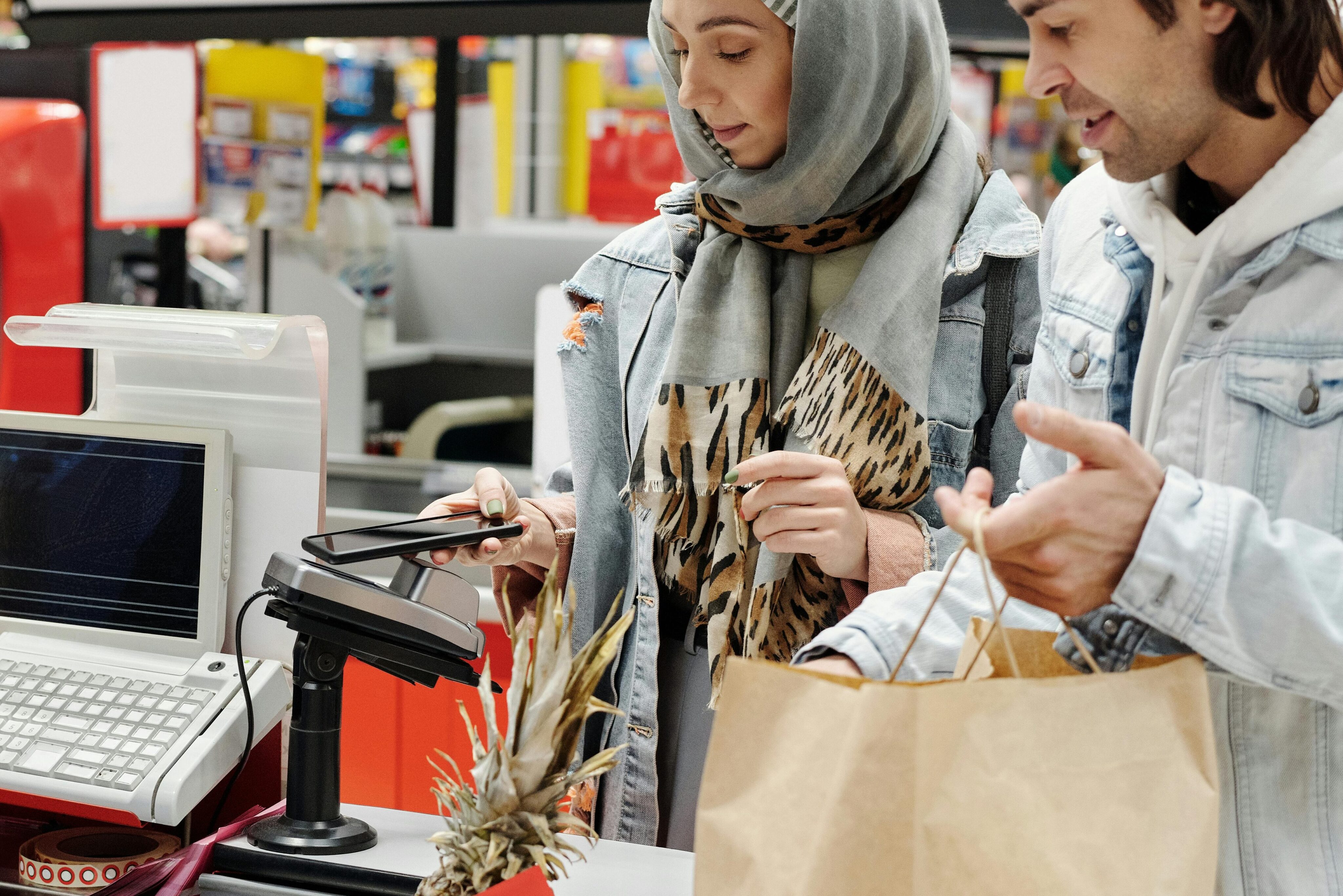
For many, self-checkout offers a sense of productivity and control. You can go at your own pace and pack your groceries exactly the way you want them. A survey from Capital One Shopping found that 73% of consumers prefer self-checkout. This desire for control is a significant reason why the technology has become so popular.
Save this article
Impact on Stores: Fewer Human Interactions

The growth of self-checkout means fewer human cashiers are needed. This has a direct impact on the social aspect of a store. This change alters the overall shopping experience and can affect the relationship between the customer and the store.
Impact on Shoppers: New Skills Needed

Using a self-checkout machine requires a different skill set than traditional shopping. You need to be aware of the machine’s features, like the weight of the items and the placement of your bags. You always have to be on your toes. As a shopper, this new skill set is a form of growth, making you a more efficient and careful consumer.
Impact on Stores: Cybersecurity Risks

As stores become more reliant on technology, they also become more vulnerable to cybersecurity risks. Self-checkout machines handle sensitive payment information, and any breach could have a significant impact on the finances and reputation of the store. Stores must make significant investments in insurance and security to protect their systems.
Impact on Shoppers: New Forms of Accidental Theft
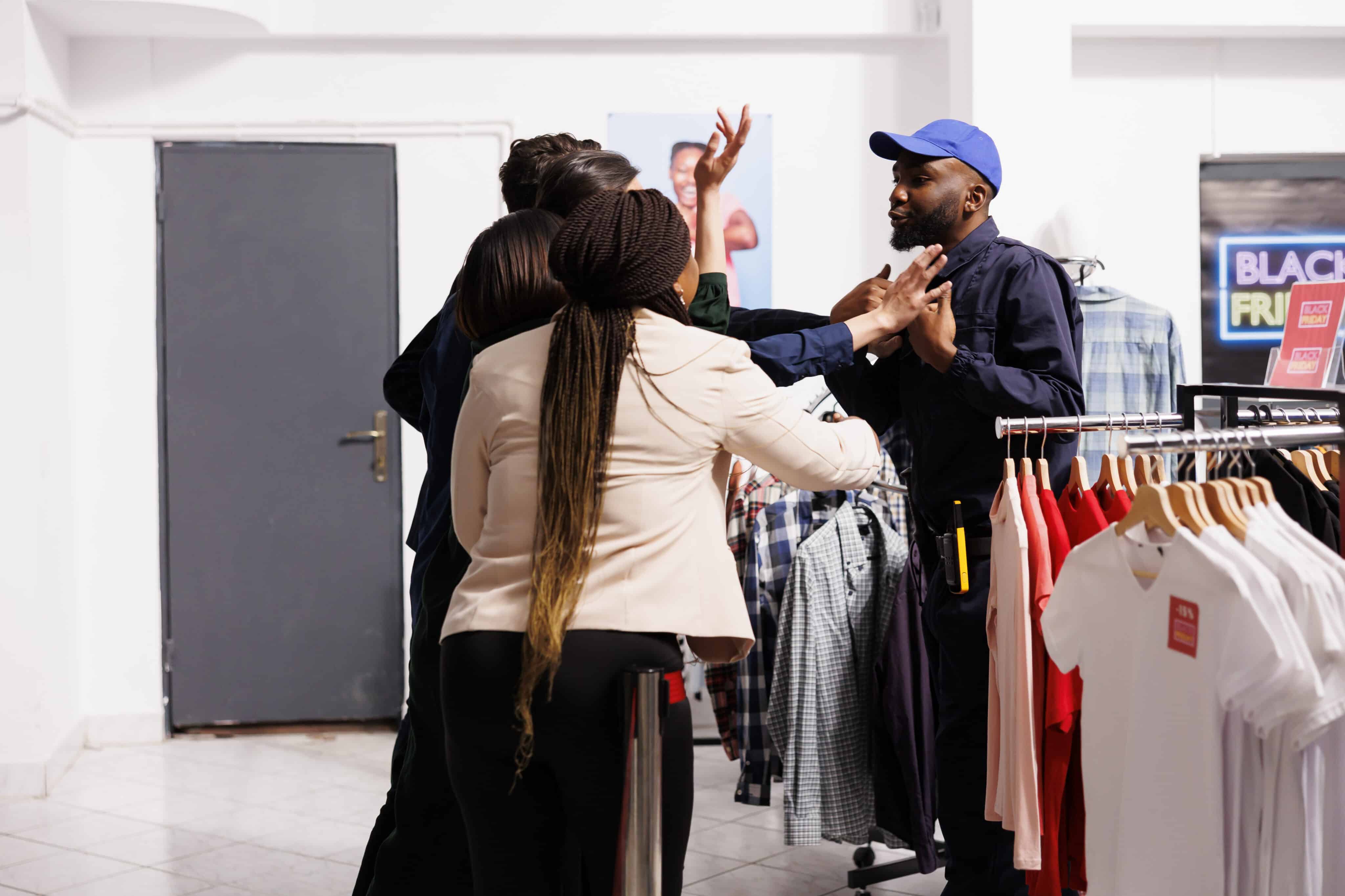
For the average shopper, the most stressful part of self-checkout can be the fear of accidental theft. You might forget to scan an item, or a glitch might cause an error, but the machine’s alarm will still sound. A survey by FitSmallBusiness found that 10% of self-checkout users say they’ve been wrongfully accused of taking something.
Disclaimer – This list is solely the author’s opinion based on research and publicly available information. It is not intended to be professional advice.
Like our content? Be sure to follow us.
How Total Beginners Are Building Wealth Fast in 2025—No Experience Needed

How Total Beginners Are Building Wealth Fast in 2025
I used to think investing was something you did after you were already rich. Like, you needed $10,000 in a suit pocket and a guy named Chad at some fancy firm who knew how to “diversify your portfolio.” Meanwhile, I was just trying to figure out how to stretch $43 to payday.
But a lot has changed. And fast. In 2025, building wealth doesn’t require a finance degree—or even a lot of money. The tools are simpler. The entry points are lower. And believe it or not, total beginners are stacking wins just by starting small and staying consistent.
Click here and let’s break down how.
5 Easy Steps to Change Any Habit
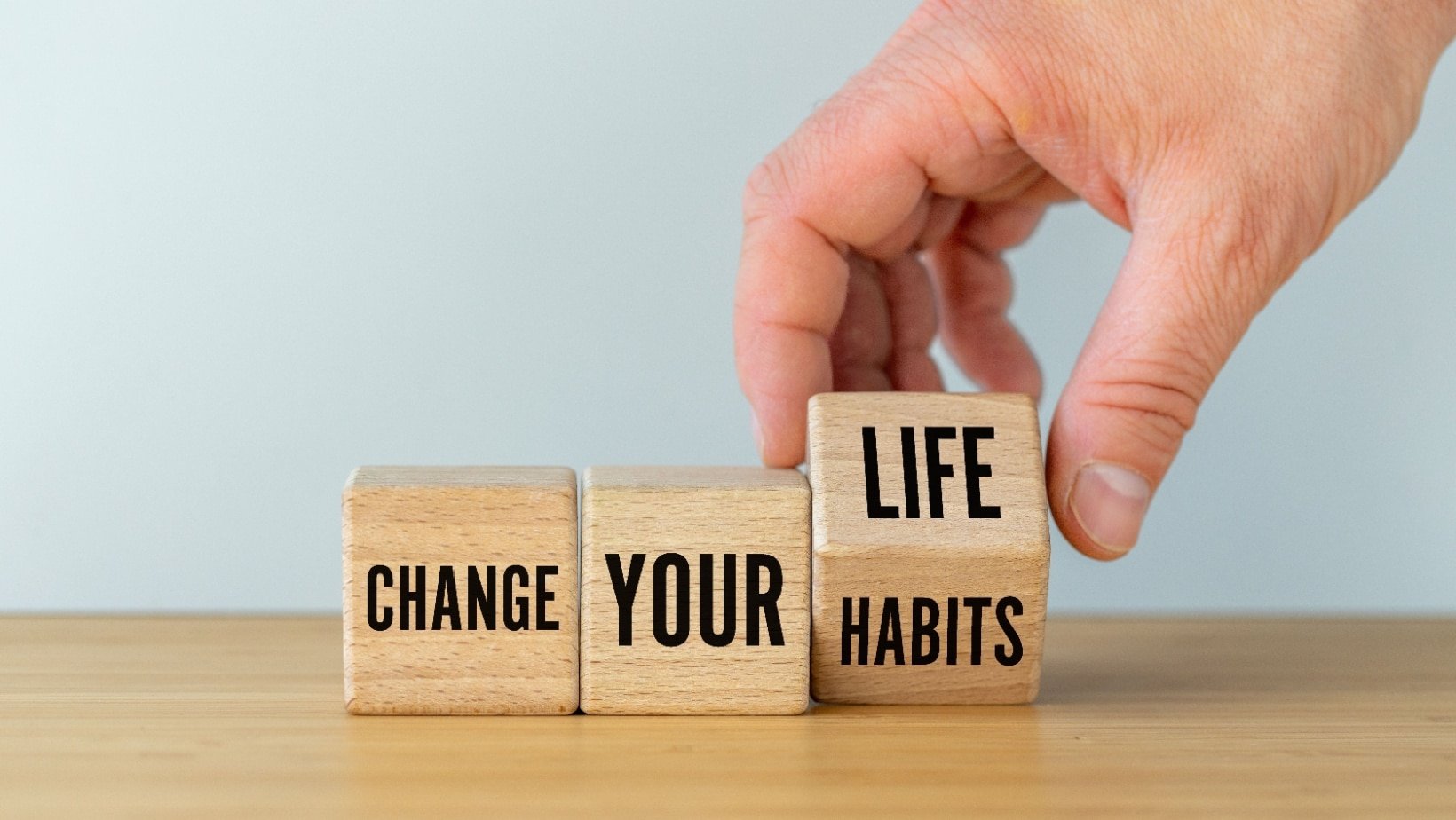
5 Easy Steps to Change Any Habit
We all click on them with the hope that just THIS time the secret to changing a bad habit or adopting a healthy one will be revealed and we’ll finally be able to stick to that diet, stop that one or ten things that might in the moment make us feel temporarily good but really just make us fat, unhealthy, sad, mad or just frustrated with ourselves.