

Around the world, animals from cows to crocodiles are worshipped, pampered, and even prioritized over humans in daily life.
In cultures spanning the globe, animals often hold a revered place, sometimes even transcending the status of humans. These creatures aren’t just pets or livestock; they are considered sacred, embodiments of deities, or symbols of profound spiritual significance. Their lives are protected, their needs met with unwavering devotion, and their presence brings a sense of peace and prosperity to their communities.
From ancient civilizations to modern societies, this profound respect for animal life reflects a worldview in which humanity is intricately connected to the natural world. This isn’t merely about affection; it’s a way of life, woven into the fabric of daily rituals, festivals, and ethical codes. Let’s take a stroll through some of these fascinating traditions where certain animals receive the royal treatment, often far beyond what many people experience.
Monkeys In India

In various parts of India, particularly where Hanuman, the monkey god, is worshipped, monkeys are treated with immense respect and care. They are often fed by locals and temple visitors, allowed to roam freely, and their playful antics are generally tolerated, if not celebrated. The Langur monkey, with its distinctive black face, is particularly associated with Hanuman and often seen as a living symbol of his devotion and strength.
Cows In India

Across India, cows are more than just farm animals; they are considered sacred manifestations of the divine, particularly associated with the goddess Kamadhenu, who is believed to grant wishes and provide nourishment. To harm a cow is unthinkable, and many Hindus believe that all 330 million gods reside within a cow. They roam freely through bustling city streets and tranquil villages alike, often adorned with garlands and offered special foods. A survey by the Pew Research Center found that 72% of Indian Hindus believe that eating beef is sacrilegious.
Elephants In India

In southern India, elephants are revered as living incarnations of the god Ganesha, the remover of obstacles. Temple elephants, often adorned in vibrant colors and intricate jewelry, play a central role in religious festivals and processions, blessing devotees with their trunks. These majestic creatures are cared for with exceptional dedication, receiving special diets, regular baths, and even veterinary care that might rival human healthcare in some regions.
Cats In Ancient Egypt

While not as prominent today, the reverence for cats in ancient Egypt is legendary. Bastet, the goddess of the home, fertility, and protection, was depicted as a lioness or a domestic cat; harming a cat was punishable by death. When a beloved feline passed away, families would often go into deep mourning, even shaving off their eyebrows as a sign of grief. Archeologists have unearthed numerous cat cemeteries, illustrating the depth of their veneration.
Rats In India

In Deshnoke, Rajasthan, the Karni Mata Temple is home to thousands of rats, known as “kabas,” who are considered sacred. Devotees believe these rats are reincarnated ancestors of the goddess Karni Mata and her clan. Visitors consider it a blessing to see a white rat amongst the scurrying masses, and sharing food with them is a highly respected act. It’s a truly remarkable sight, a testament to a deeply held spiritual belief.
Pythons In Benin

In the West African nation of Benin, pythons are revered as sacred creatures, particularly in the city of Ouidah, a significant center for Vodou. The Temple of Pythons houses dozens of non-venomous snakes that are free to roam the town. Locals believe that these pythons bring good luck and protection, and harming one is strictly forbidden, as it can result in severe consequences. If a python enters a home, it’s considered a blessing, and the snake is gently returned to its natural habitat.
Dogs In Nepal
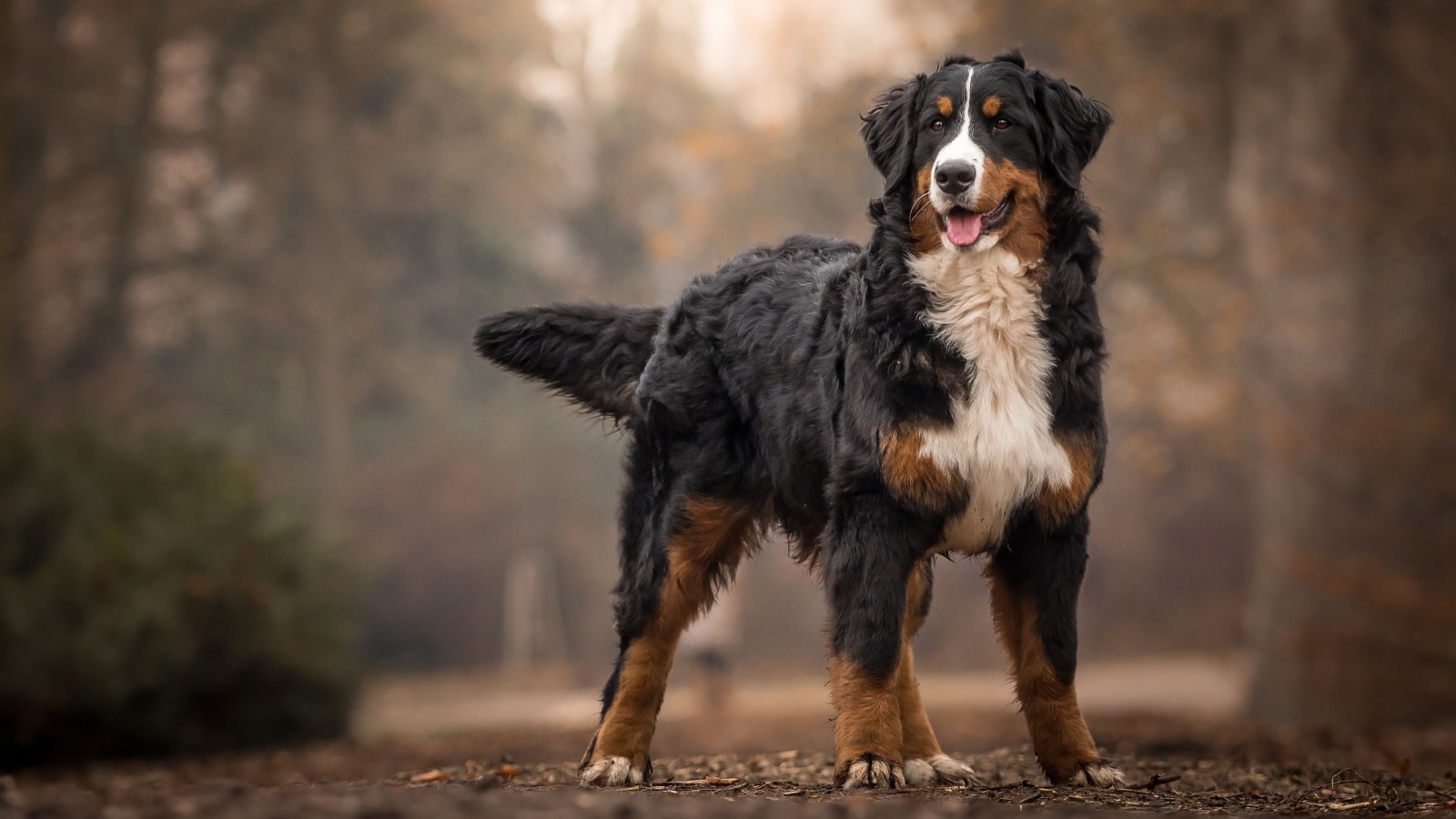
In Nepal, during the annual Tihar festival, also known as the festival of lights, one day is dedicated to worshipping dogs. Kukur Tihar, or Dog Day, sees dogs adorned with flower garlands, offered delicious food, and marked with a ‘tika’ on their foreheads, symbolizing their sacredness. This celebration recognizes the unique bond between humans and dogs, as well as their vital roles as guardians and companions.
Tigers In Parts Of Asia

Save this article
In various Southeast Asian cultures, particularly in countries such as Malaysia, Thailand, and Indonesia, tigers are often revered as powerful spirits of the forest and protectors. In some communities, specific rituals are performed to honor them, and their conservation is seen not just as an ecological necessity but as a spiritual imperative. A report by the World Wildlife Fund indicated that, despite poaching, tiger populations are slowly recovering in several regions due to concentrated conservation efforts. Perhaps cultural reverence also played a part.
Horses In Mongolia

For Mongolians, horses are far more than just transportation; they are integral to their national identity, culture, and history. Descendants of the mounts that carried Genghis Khan’s armies across continents, horses are treated with deep affection and respect. They are seen as companions and family members, and their well-being is often prioritized. Traditional Mongolian belief states that a horse’s spirit is as vital as a human’s.
Eagles In Native American Cultures
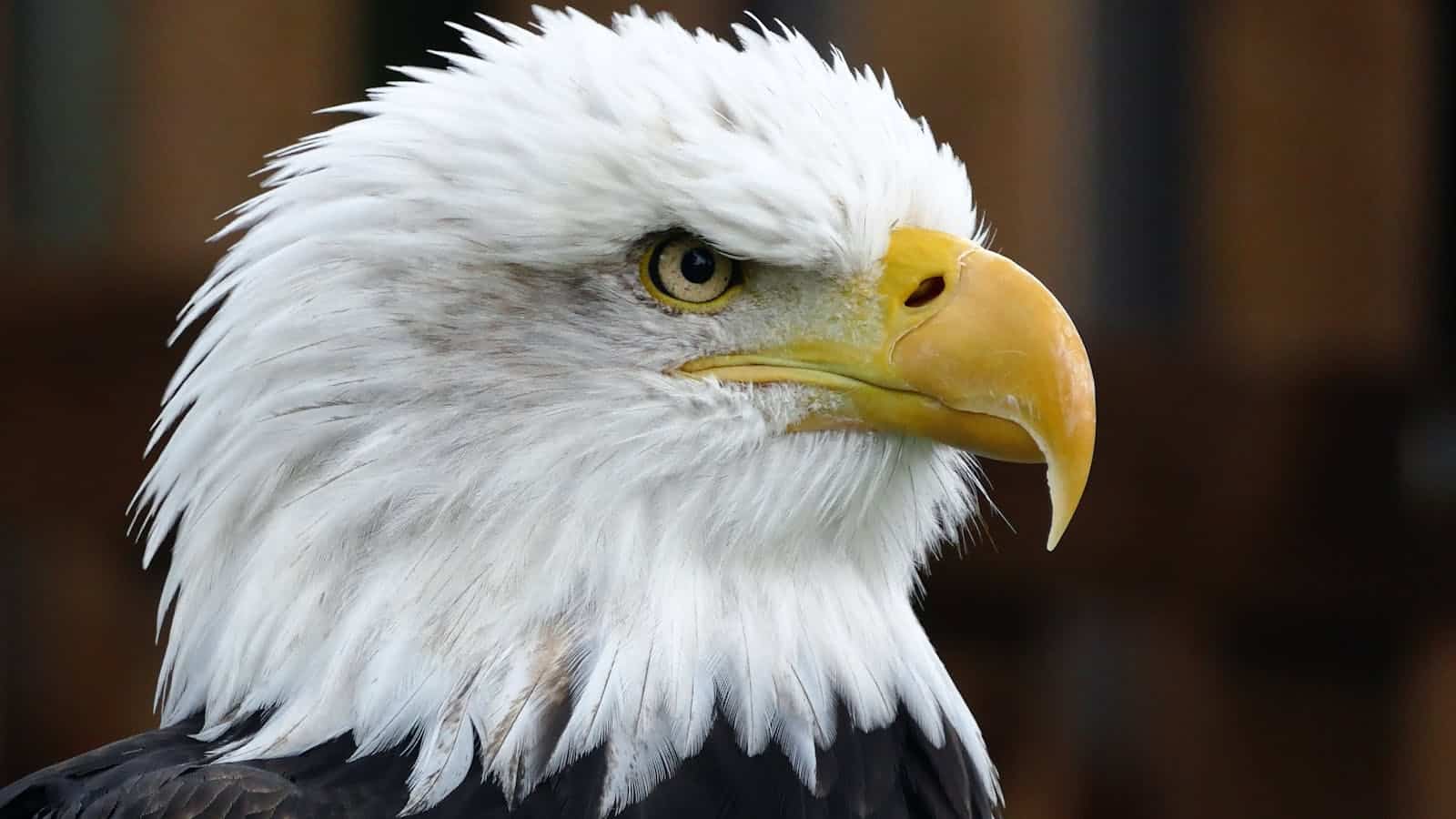
Eagles, particularly the bald and golden eagles, are considered sacred messengers between humans and the Creator in many Native American cultures. Their feathers are highly prized and used in sacred ceremonies, symbolizing honesty, truth, and courage. The possession of eagle feathers is federally protected and generally restricted to enrolled members of Native American tribes. Eagle populations have experienced significant recovery, partly due to habitat protection and the cultural significance attached to these birds.
Gibbons In Southeast Asia

In some Southeast Asian cultures, gibbons are regarded as forest spirits or even reincarnated ancestors. Their unique calls are believed to facilitate communication with the spiritual world, and they are often considered protected from harm. In certain areas of Thailand and Laos, communities actively work to preserve gibbon habitats, viewing their presence as a sign of a healthy and spiritually balanced forest.
Orcas In Indigenous Pacific Northwest Cultures

For many indigenous communities along the Pacific Northwest coast, orcas, also known as killer whales, are considered powerful and sacred beings, often regarded as ancestors or guardians of the sea. They are depicted in totem poles and traditional art, representing strength, intelligence, and family. The Makah Nation, for instance, has a deep spiritual connection to orcas, viewing them as integral to their cultural identity.
Swans In Ireland

In Irish folklore and mythology, swans often represent beauty, purity, and the soul. Tales like “The Children of Lir” transform humans into swans, imbuing these elegant birds with a profound spiritual significance. To harm a swan is considered extremely unlucky and sacrilegious in many parts of Ireland, reflecting a long-standing reverence for these majestic waterfowl.
Disclaimer – This list is solely the author’s opinion based on research and publicly available information. It is not intended to be professional advice.
How Total Beginners Are Building Wealth Fast in 2025—No Experience Needed

How Total Beginners Are Building Wealth Fast in 2025
I used to think investing was something you did after you were already rich. Like, you needed $10,000 in a suit pocket and a guy named Chad at some fancy firm who knew how to “diversify your portfolio.” Meanwhile, I was just trying to figure out how to stretch $43 to payday.
But a lot has changed. And fast. In 2025, building wealth doesn’t require a finance degree—or even a lot of money. The tools are simpler. The entry points are lower. And believe it or not, total beginners are stacking wins just by starting small and staying consistent.
Click here and let’s break down how.
5 Easy Steps to Change Any Habit

5 Easy Steps to Change Any Habit
We all click on them with the hope that just THIS time the secret to changing a bad habit or adopting a healthy one will be revealed and we’ll finally be able to stick to that diet, stop that one or ten things that might in the moment make us feel temporarily good but really just make us fat, unhealthy, sad, mad or just frustrated with ourselves.





