

Grocery bills keep climbing, takeout seems to get more expensive every month, and after a long day, cooking can feel like the last thing you want to do.
The problem is that convenience comes with a hefty price tag. Americans now spend nearly $10,000 a year on food, and research suggests that regularly replacing restaurant meals with home-cooked ones can cut food costs by as much as 40%. The good news? Eating healthier doesn’t require complicated recipes, expensive ingredients, or spending your entire Sunday meal prepping.
A handful of simple kitchen habits can save time, reduce food waste, and make cooking feel much less like a chore. Here are 14 practical hacks that can help you eat better, spend less, and make weeknight meals far easier.
Freeze your herbs in ice cube trays
Here’s something that’ll blow your mind: those gorgeous fresh herbs wilting in your fridge don’t have to be a source of guilt anymore. Chop them up, mix with a bit of olive oil or water, and freeze them in ice cube trays. Pop out a cube whenever you need fresh flavor for soups, stews, or sautés.
I’ve been doing this with basil, parsley, and cilantro for years, and it’s honestly a lifesaver. The USDA table of nutrient retention factors shows that freezing generally preserves most vitamins and minerals, especially when produce is frozen promptly after harvest.
Roast seeds and stems
Stop throwing away those broccoli stems and pumpkin seeds! Roast vegetable stems and seeds with a bit of salt and oil for crunchy, nutritious snacks or salad toppers.
Broccoli stems contain just as much vitamin C as the florets, and pumpkin seeds are packed with magnesium and healthy fats. It’s like getting bonus nutrition from ingredients you’d normally toss.
Pre-cook grains in bulk
Sunday meal prep just got a whole lot easier, my friend. Cook a massive batch of quinoa, brown rice, or farro at the beginning of the week and store portions in the fridge.
Research from the Whole Grains Council indicates that individuals who regularly consume whole grains have a 16-21% lower risk of heart disease. When you’ve got pre-cooked grains ready to go, throwing together a healthy bowl becomes a five-minute affair instead of a 45-minute ordeal.
Blend cauliflower into everything
Before you roll your eyes, hear me out. Steamed and blended cauliflower can be incorporated into mashed potatoes, pasta sauces, and even smoothies without significantly altering the taste.
You’re basically sneaking in extra vegetables while reducing calories and carbs. A cup of cauliflower has only 25 calories compared to 130 calories in a cup of white rice. Your waistline will thank you, trust me.
Use a muffin tin for portion control
This hack is pure genius, imo. Use a muffin tin to pre-portion foods like egg bites or overnight oats. Each cup holds roughly ¼ to ⅓ cup, making it perfect for managing portions without overthinking.
According to a Cochrane meta-analysis, reducing portion sizes can lead to consuming up to 29% fewer calories daily—especially in U.S. adults. That’s a huge win for anyone trying to eat mindfully without feeling restricted. Plus, having pre-prepared portions makes grabbing a healthy snack as simple as opening the fridge.
Make veggie-packed meatballs
Traditional meatballs are great, but veggie-loaded ones are next level. Finely chop mushrooms, zucchini, or carrots and mix them into your ground meat. You’ll add fiber, vitamins, and moisture while reducing the overall calorie density.
Adding vegetables to meat dishes can increase satiety, meaning you’ll feel fuller with smaller portions.
Spiralize everything (yes, everything)
Your spiralizer isn’t just for zucchini noodles anymore. Transform carrots, sweet potatoes, beets, and even apples into fun, veggie-packed alternatives. Have you ever tried spiralized sweet potatoes as a pasta substitute? Game changer.
The CDC recommends that adults eat 2-3 cups of vegetables daily, and spiralizing makes it incredibly easy to incorporate extra veggies into every meal. Your kids won’t even know they’re eating their vegetables!
Transform your ice cube trays into sauce stations
Those ice cube trays are about to become your new best friend. Freeze portion-sized amounts of pesto, tomato sauce, or homemade broth for instant flavor boosters.
When you need to jazz up a simple chicken breast or vegetables, pop out a cube and you’re golden. This hack helps you use up sauces before they expire, reducing waste.
Master the art of sheet pan cooking
If you’re not using sheet pan cooking, you’re seriously missing out. Toss the protein and vegetables with a bit of oil and seasonings, spread them in a single layer on a pan, and let the oven do the work.
Boiling vegetables can result in a 40–50% loss of water-soluble nutrients, including vitamin C and folate. Plus, cleanup is a breeze—something your future self will definitely thank you for.
Keep pre-cut vegetables in water
Here’s a restaurant secret that’ll change your life: store cut vegetables like carrots, celery, and bell peppers in containers filled with water. They’ll stay crisp for up to a week, making healthy snacking effortless.
When vegetables are already prepped and visible, you’re 3x more likely to eat them. Smart placement + smart prep = healthy habits that actually stick.
Use frozen fruit as a natural sweetener
Ditch the refined sugar and blend frozen fruit into oatmeal, yogurt, or smoothies for natural sweetness and extra nutrients. Frozen berries contain the same nutritional value as fresh ones—sometimes even more, since they’re frozen at peak ripeness. A study in the Journal of Agricultural and Food Chemistry found that frozen blueberries actually have higher antioxidant levels than fresh ones in some cases.
Pre-make smoothie packs
Monday morning smoothies just got infinitely easier. Portion out frozen fruits and vegetables into individual bags and store them in the freezer for easy access. When you’re ready, dump the contents into your blender with liquid and blend.
The USDA recommends 2 cups of fruit daily, and pre-made smoothie packs make hitting that target practically foolproof, even on your busiest mornings.
Save this article
Use Greek yogurt as a substitute for everything
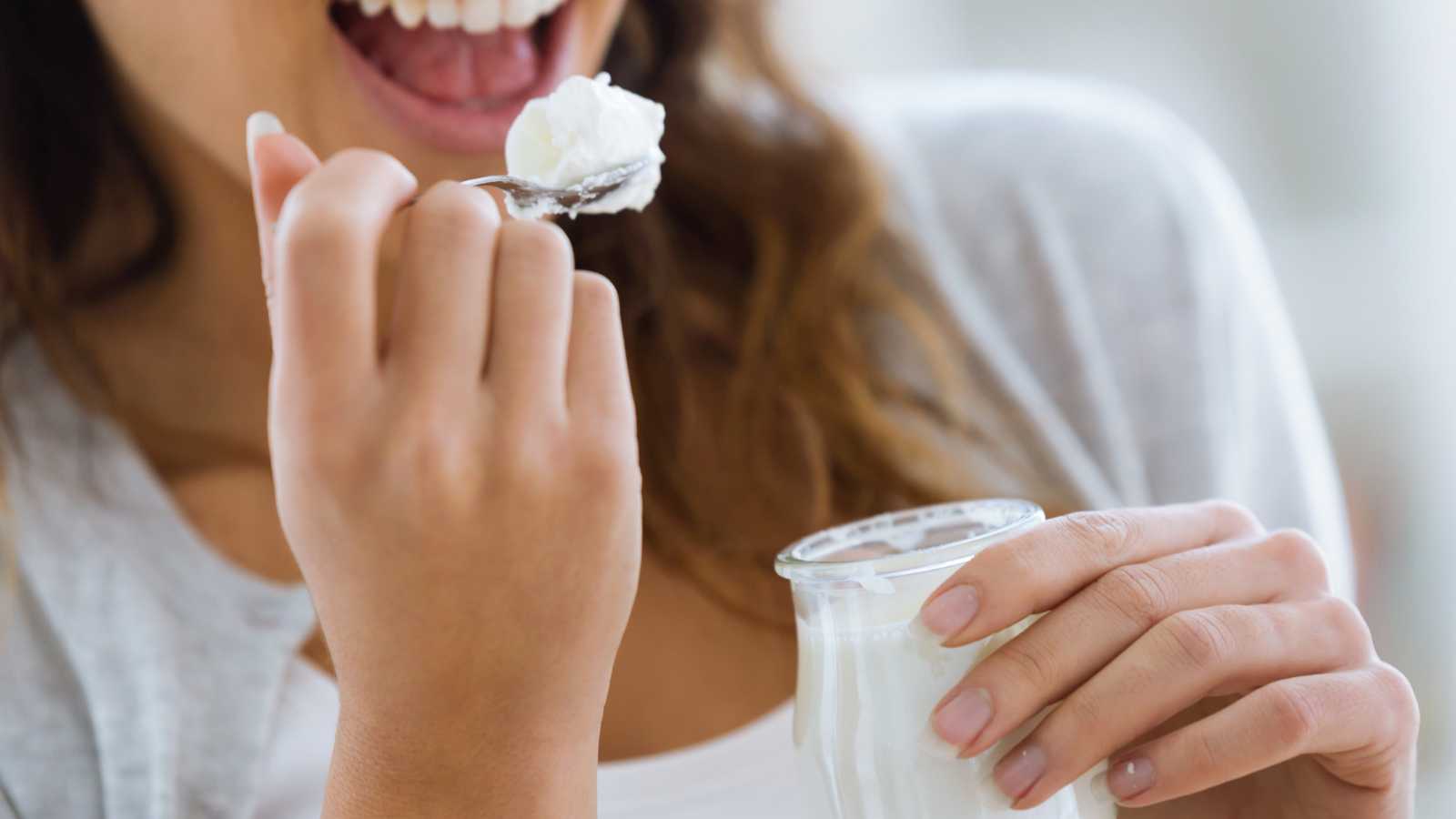
Greek yogurt is basically a superhero ingredient in disguise. Replace sour cream, mayo, and even butter in baking recipes with thick Greek yogurt. You’ll boost protein content while cutting calories and saturated fat.
High-protein foods, such as Greek yogurt, can increase feelings of fullness compared to lower-protein alternatives. Pretty impressive for something that tastes this good!
Make zucchini your secret weapon
Zucchini is basically the chameleon of the vegetable world. Grate it into meatloaf, pasta sauce, or even chocolate muffins for extra moisture and hidden vegetables.
People who eat more vegetables have a lower risk of cardiovascular disease. Plus, zucchini is 95% water, so you’re adding volume and nutrition without significantly increasing calories.
The Takeaway
Healthy eating doesn’t have to mean spending hours meal prepping, buying expensive specialty foods, or making every meal from scratch. A few smart kitchen shortcuts can make nutritious choices faster, cheaper, and much easier to maintain.
Batch-cooking grains, freezing herbs and sauces, keeping vegetables prepped and ready, and finding creative ways to add more produce to everyday meals can reduce both food waste and the temptation to order takeout. The real secret isn’t cooking perfectly — it’s setting up your kitchen so the healthier choice is also the easiest one.
Start with two or three hacks that fit your routine. Once they become habits, eating well can feel less like another item on your to-do list and more like something that happens naturally.
More articles:
- 10 antioxidant-rich foods that support immune defense
- Why yogurt and fruit may be one of the smartest snacks for long-term health & decreasing belly fat
- 12 reasons carrot juice should be part of your daily routine
Common spices linked to colon cancer prevention

In the quiet routine of seasoning a meal, you may be adding small, powerful defenses against one of the most common cancers.
Your spice rack might actually be hiding some powerful health benefits. It turns out that a handful of common pantry staples pack a serious punch against serious illnesses. Medical researchers are looking closely at how everyday seasonings can fight back against cellular damage in the digestive tract. Learn more.
12 ways extreme heat can change the way your body handles coffee

In places where the air no longer cools after sunset, even something as routine as coffee can feel like a different choice.
Your morning cup is still part of many people’s daily rhythm, but in hotter regions, extreme heat can change how the body responds to it. Across parts of the American Southwest, sustained high temperatures and longer heat waves have made hydration and heat stress more important factors in everyday habits. Learn more.
The key to better sleep and steady energy might come down to one mineral missing in your diet

Most people focus on getting more energy during the day and better sleep at night, but one key nutrient plays a role in both.
Magnesium supports muscle function, nerve signaling, and sleep regulation, yet many people don’t get enough of it through their daily diet. Health experts note that even mild deficiencies can affect rest, recovery, and overall well-being. Learn more.





