

Adventure travel has moved from a niche pursuit to a global obsession as more people seek experiences that challenge comfort zones and create lasting stories. According to the World Tourism Organization, adventure tourism has been one of the fastest-growing segments of the travel industry over the past decade. The growth is driven by demand for nature-based, active, and culturally immersive experiences. Travelers increasingly value what they do on a trip as much as where they go.
Across continents and climates, the world offers no shortage of unforgettable adventures. Towering mountains, remote deserts, dense jungles, and wild coastlines invite exploration in wildly different ways. The top adventures from around the globe stand out because they combine physical challenge, natural beauty, and a sense of place that stays vivid long after the journey ends.
New Zealand

Queenstown sells fear with a smile. Perched beside Lake Wakatipu, the town helped industrialize adventure, turning cliff edges and river gorges into global icons of controlled risk.
The Nevis Bungy, operated by AJ Hackett Bungy New Zealand, drops jumpers 134 meters into a canyon, making it one of the highest commercial bungee jumps in the world. Tourism New Zealand has long framed the country as a playground for physical extremes, and Queenstown sits at the center of that mythology.
The United Nations World Tourism Organization reported in its Global Tourism Trends series that adventure tourism has grown faster than mass tourism for more than a decade. New Zealand has consistently ranked among the top destinations for high-adrenaline travel.
Switzerland
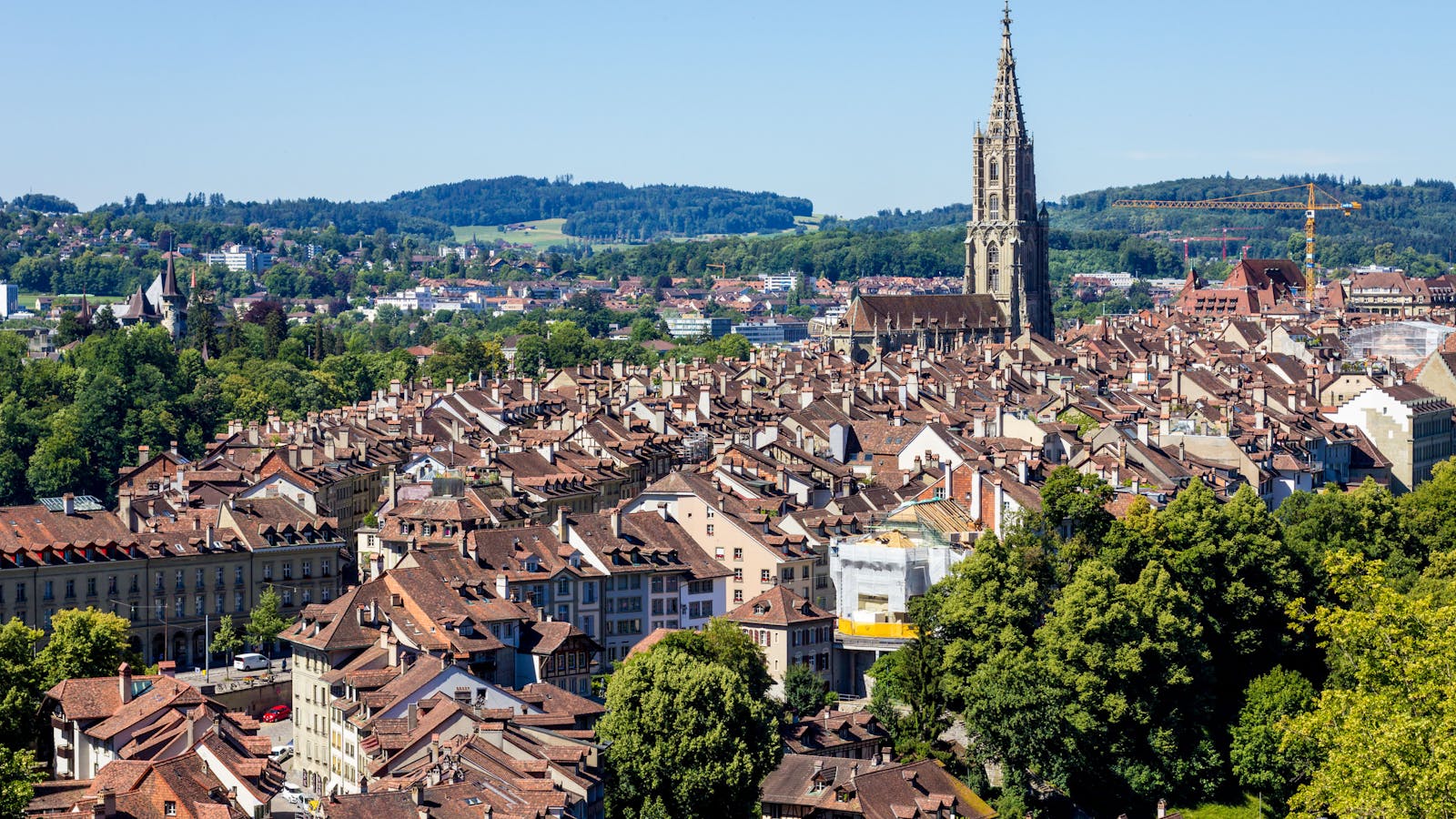
Interlaken rests between Lake Thun and Lake Brienz like a postcard that learned to fly. Skydiving companies here sell less the thrill of freefall than the view itself. Jumpers step out over snow-dusted peaks and emerald valleys, drifting through one of the most photographed landscapes on Earth.
Swiss tourism authorities cite adventure sports as a growing pillar of regional travel. The European Travel Commission notes that scenic adventure experiences now outperform pure thrill rides in traveler satisfaction surveys. Interlaken’s appeal lies in how it turns danger into beauty, offering adrenaline without grit, a reminder that modern adventure often prizes awe as much as fear.
Kenya

The Maasai Mara does not shout. It moves. Adventure here unfolds at dawn, when hot-air balloons rise silently over the savannah and wildebeest trace ancient migration routes below. Kenya Wildlife Service data shows the reserve remains one of Africa’s most visited protected areas, anchoring the country’s adventure tourism economy.
What makes this experience modern is its hybridity. Game drives, balloon safaris, and guided walks blend wildlife observation with gentle risk and deep cultural storytelling. The Adventure Travel Trade Association has highlighted safaris as a cornerstone of what it calls soft adventure, experiences that feel transformative without demanding technical skill. The thrill comes from proximity, not velocity.
Peru
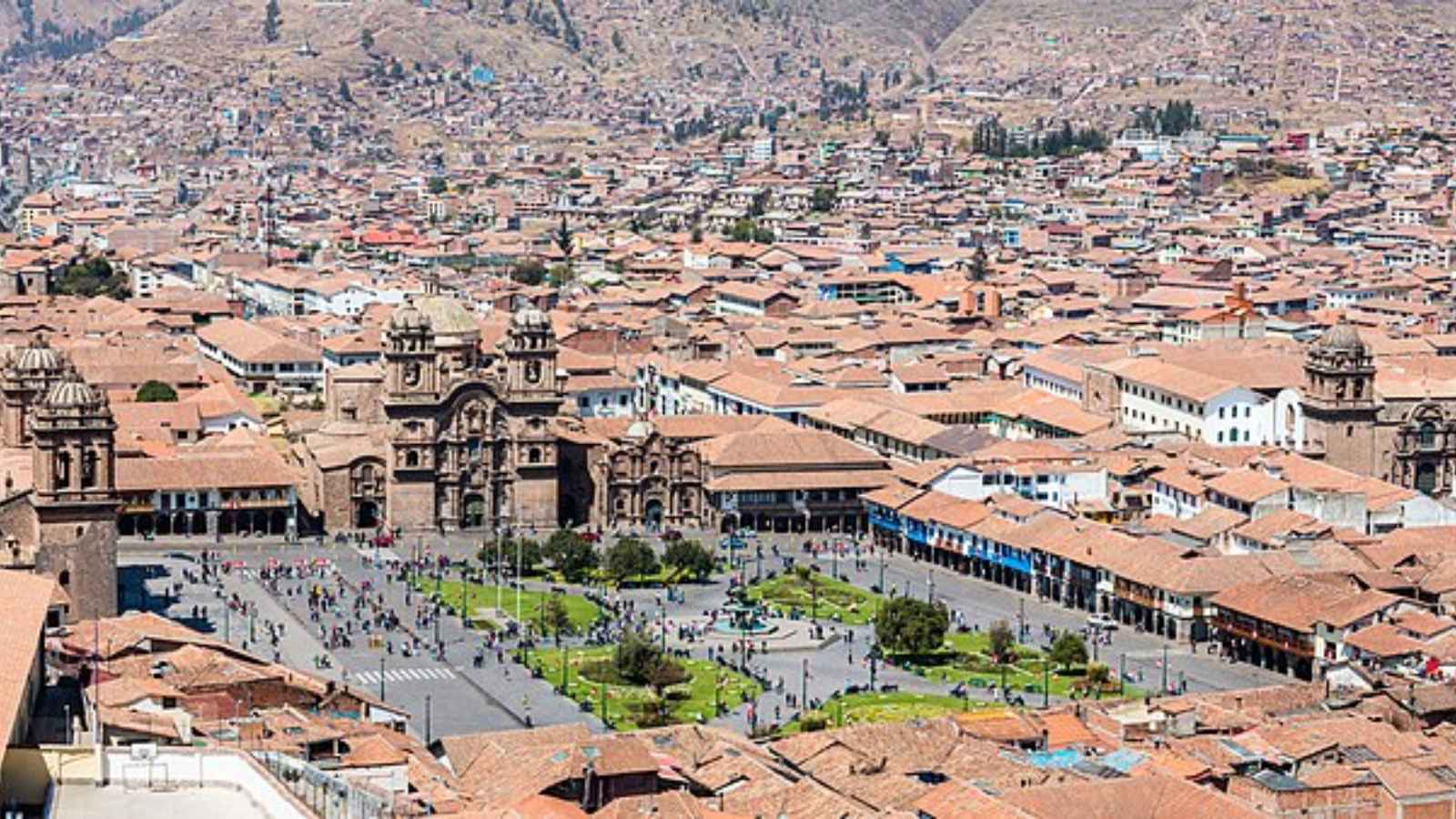
The Inca Trail compresses geography and time. Over four days, hikers climb stone staircases, pass cloud forests, and arrive at Machu Picchu on foot, as the Inca once did. Peru’s Ministry of Culture strictly caps daily permits, citing conservation research that links foot traffic to erosion and structural damage along the route.
That scarcity has only increased its allure. The World Bank has noted that Peru’s trekking tourism generates significant income for rural Andean communities, tying adventure directly to development. The modern draw is not just the hike, but the narrative of endurance, heritage, and altitude, an adventure defined as much by meaning as by muscle.
Nepal

Trekking to Everest Base Camp or circling the Annapurna Massif remains a rite of passage. These routes pull travelers into landscapes shaped by glaciers and belief, where altitude sickness is as real as the prayer flags snapping in the wind. The Nepal Tourism Board reports that trekking and mountaineering account for a major share of the country’s tourism revenue.
Recent shifts reflect broader trends. Academic analysis published by Tribhuvan University has documented rising interest in women-only treks and slower itineraries designed to reduce risk and increase cultural immersion. The mountains remain the same. The definition of adventure has softened, widening access without diminishing the sense of scale.
South Africa

Save this article
Gansbaai offers a rare proposition: enter the ocean not to conquer it, but to meet it. Shark cage diving places humans face-to-face with great white sharks under tightly regulated conditions. Oversight is provided by South Africa’s Department of Forestry, Fisheries, and the Environment.
Marine tourism research from the University of Cape Town notes that shark diving has shifted from spectacle to conservation tool, reshaping public attitudes toward apex predators. This is adventure reframed as education, where proximity replaces domination, and fear becomes a gateway to empathy.
Australia

The Great Barrier Reef is both a playground and a warning. Scuba diving and snorkeling here deliver color and biodiversity on a scale few ecosystems can match. According to the Great Barrier Reef Marine Park Authority, tourism remains a critical economic driver, even as climate stress intensifies.
The phrase last-chance tourism has entered the lexicon. Environmental research published by James Cook University documents how reef degradation has paradoxically increased visitation, as travelers rush to see what may not endure. Adventure here carries an ethical weight, blending wonder with urgency in every descent below the surface.
Iceland
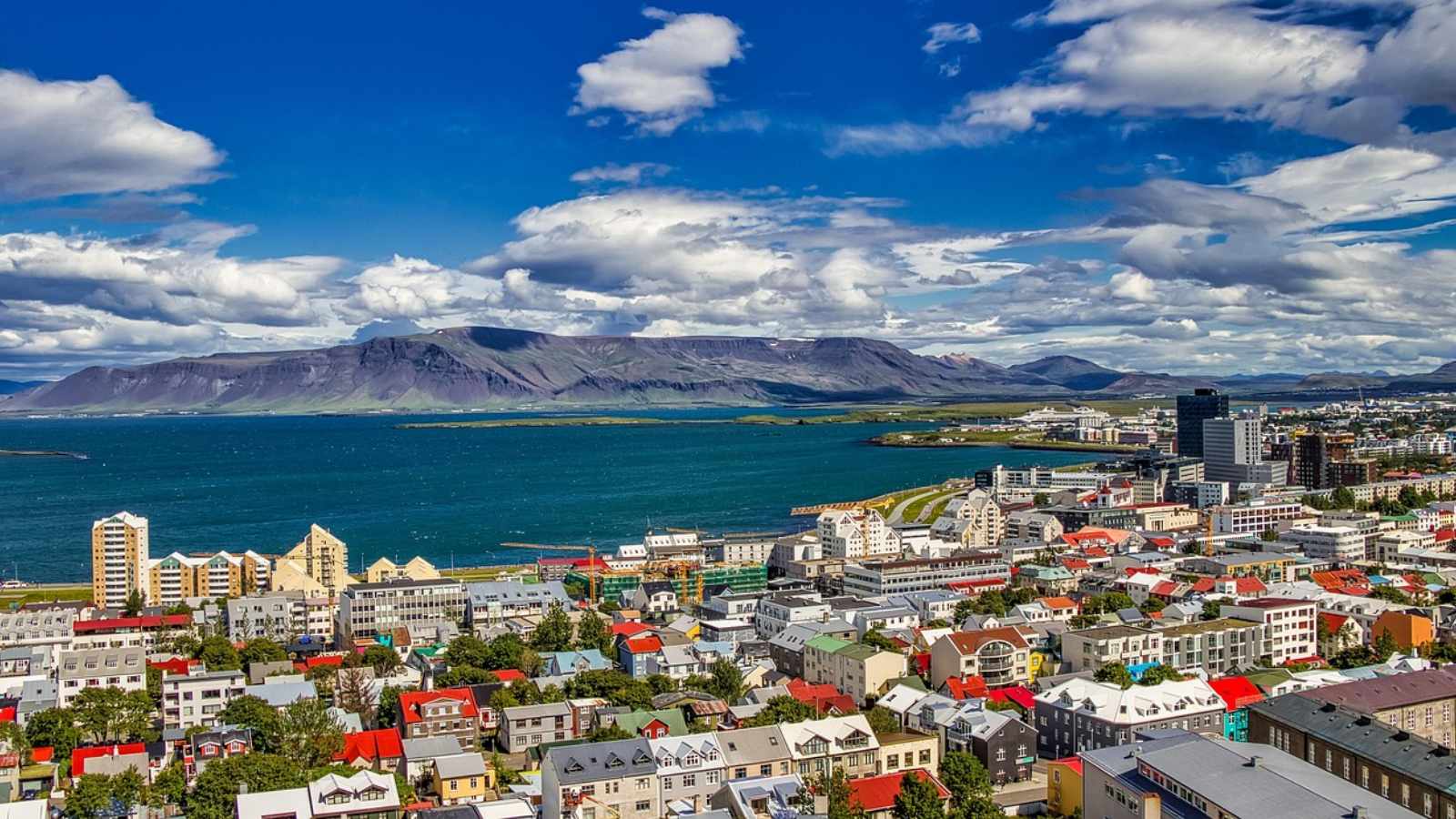
Iceland’s glaciers and volcanoes compress elemental drama into short distances. Guided glacier hikes and ice-caving tours on Vatnajökull National Park allow visitors to walk inside crevasses and sapphire tunnels shaped by meltwater and time. Icelandic Tourist Board data show that adventure and nature-based travel is the fastest-growing segment of arrivals.
What stands out is accessibility. Infrastructure and guided experiences have turned extreme landscapes into entry-level adventures. The same terrain that once demanded mountaineering skill now welcomes first-time hikers, reflecting a global shift toward experiences that feel epic without being exclusionary.
Italy

Tuscany rarely appears in classic adventure rankings, yet e-bike tours through its vineyards and hill towns now attract travelers seeking movement without hardship. Reports from the Italian National Tourism Agency highlight cycling tourism as a rapidly expanding market, particularly among older travelers and food-focused visitors.
The appeal lies in balance. Electric assistance flattens climbs, while the route still passes olive groves, medieval villages, and long lunches. Adventure here is not about pushing limits, but about expanding who gets to participate, merging exertion with indulgence.
Japan
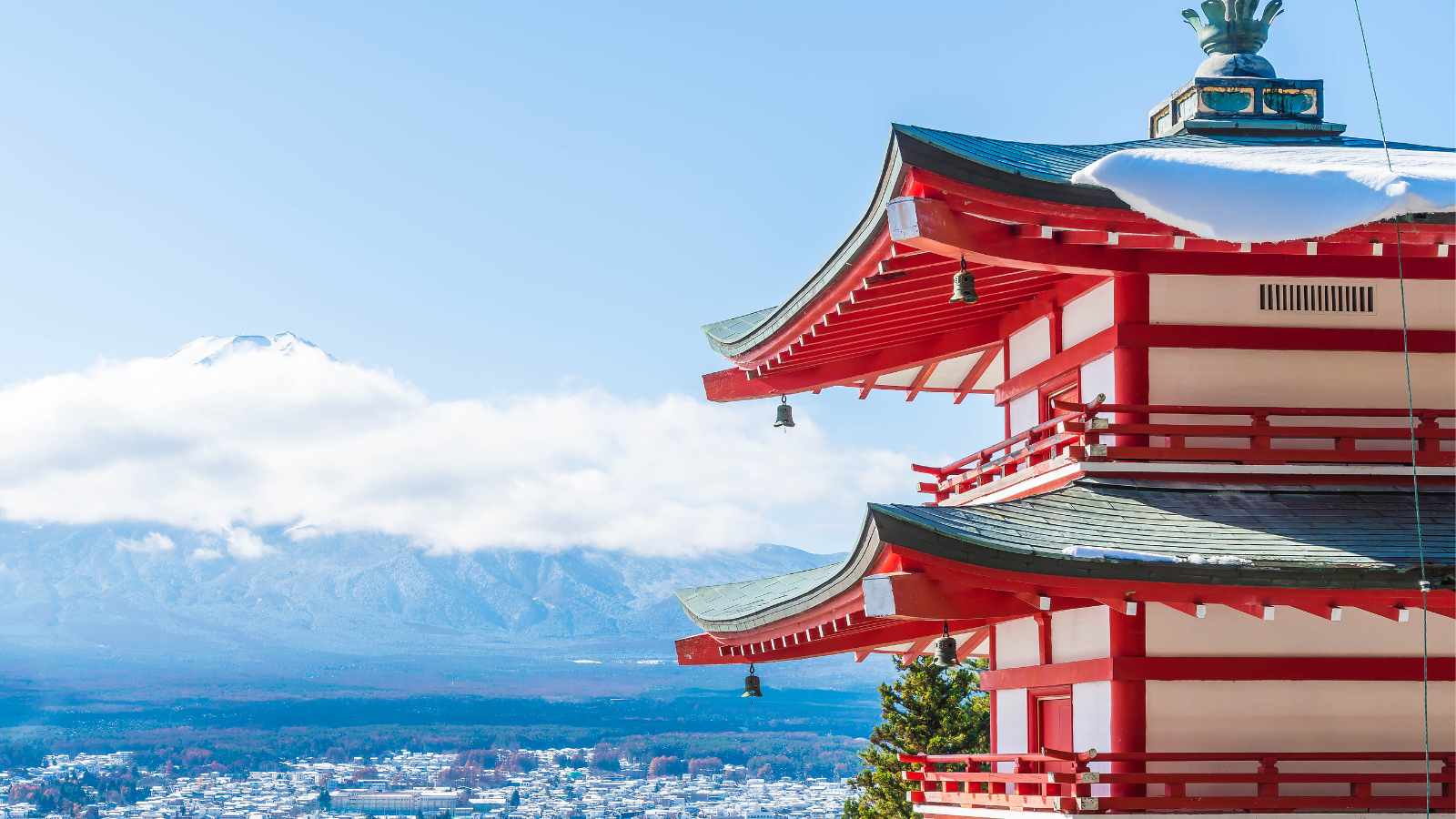
Hokkaido’s snow has achieved near-mythical status. Backcountry skiing and snowboarding draw riders chasing light, dry powder shaped by Siberian weather systems. The Japan National Tourism Organization has identified winter adventure as a key driver of regional tourism growth.
Yet the full experience includes what comes after. Onsen culture transforms recovery into a ritual, pairing exertion with rest. Travel researchers writing in Tourism Geographies describe this blend of high-intensity activity and deep relaxation as emblematic of contemporary adventure travel. They argue that in this model, restoration matters as much as risk.
Key Takeaways

Adventure tourism is no longer defined by a single leap or summit. As global travel data from institutions such as the United Nations World Tourism Organization make clear, the category of adventure travel is expanding. It now includes culinary routes, climate-conscious journeys, e-bikes, wildlife encounters, and experiences designed for ordinary bodies and diverse travelers.
The modern adventure is less about proving fearlessness and more about choosing how, and how deeply, you want to feel the world.
Disclaimer – This list is solely the author’s opinion based on research and publicly available information. It is not intended to be professional advice.
Like our content? Be sure to follow us





