
Have you ever looked at a half-used tin of baking powder or cocoa and wondered, “Is this still okay to use?” You’re not the only one. Most of us dislike throwing away perfectly good ingredients. The tricky part is that expired baking ingredients don’t always show clear signs of spoilage.
According to a MITRE-Gallup food-waste survey, American families throw away about $1,500 worth of food each year. Expired baking staples might seem harmless, but they can lead to flat cakes, bitter cookies, or even stomach problems you didn’t expect.
Before you turn on the oven, here’s a look at eight common baking ingredients you shouldn’t use past their expiration date. Ignoring these dates can cause problems and is a major contributor to food waste.
All-purpose flour

Old flour can pose a serious health risk if contaminated. The U.S. Centers for Disease Control and Prevention (CDC) has linked raw flour to E. coli outbreaks that have caused hundreds of illnesses in recent years.
These outbreaks occur because flour is a raw product and isn’t treated to kill germs like Salmonella or E. coli. Eating uncooked dough or batter made with expired flour raises your risk of getting sick from these germs.
Baking powder works by creating bubbles that make cakes, muffins, and quick breads light and fluffy. When it loses its strength, your baked goods won’t rise and will turn out dense and flat. Using old baking powder means wasting both your ingredients and your effort.
Active dry yeast
Expired yeast is completely useless, as the living organisms inside eventually die off. According to Fleischmann’s Yeast, a leading manufacturer, an unopened package of yeast retains its best quality for about 2 years past the production date, but its viability decreases thereafter.
Yeast is a living fungus that eats sugar and releases gas, helping bread dough rise. If the yeast is dead, your dough will stay dense no matter how long you let it sit. This means your bread won’t turn out, and you’ll waste your time and ingredients.
Ground spices

Aged spices, especially ground varieties, can develop dangerous mold and lose their vibrant flavor. According to ResearchGate, spices are vulnerable to fungal infection, which can lead to mycotoxin contamination when conditions are favourable for fungal growth.
When spices are ground, they have more surface area and are exposed to air, moisture, and light, which makes them spoil faster. Spoiled spices don’t just taste dull; they can also be a real health risk. Using them could mean adding hidden toxins to your food.
Eggs

Eggs that are past their expiration date are more likely to contain Salmonella, a serious health concern. The Centers for Disease Control and Prevention (CDC) says Salmonella causes about 1.35 million infections in the U.S. each year, and eggs are a common source.
Over time, allowing bacteria to penetrate the porous shell and infect the inside. Cooking can kill Salmonella, but using old eggs in recipes with uncooked or lightly cooked components, like frosting or meringue, is exceptionally dangerous.
Buttermilk and milk

Spoiled dairy products, such as buttermilk and milk, can quickly harbor harmful bacteria. Bacteria like Listeria and E. coli can multiply fast in milk that’s past its best date, even if it’s kept cold.
These pathogens are especially dangerous after the ‘sell-by’ date. While sour milk is obvious, some dangerous bacteria do not produce a noticeable odor or taste. Using expired dairy in your baking can introduce these invisible microbes into your finished food.
Cooking oils
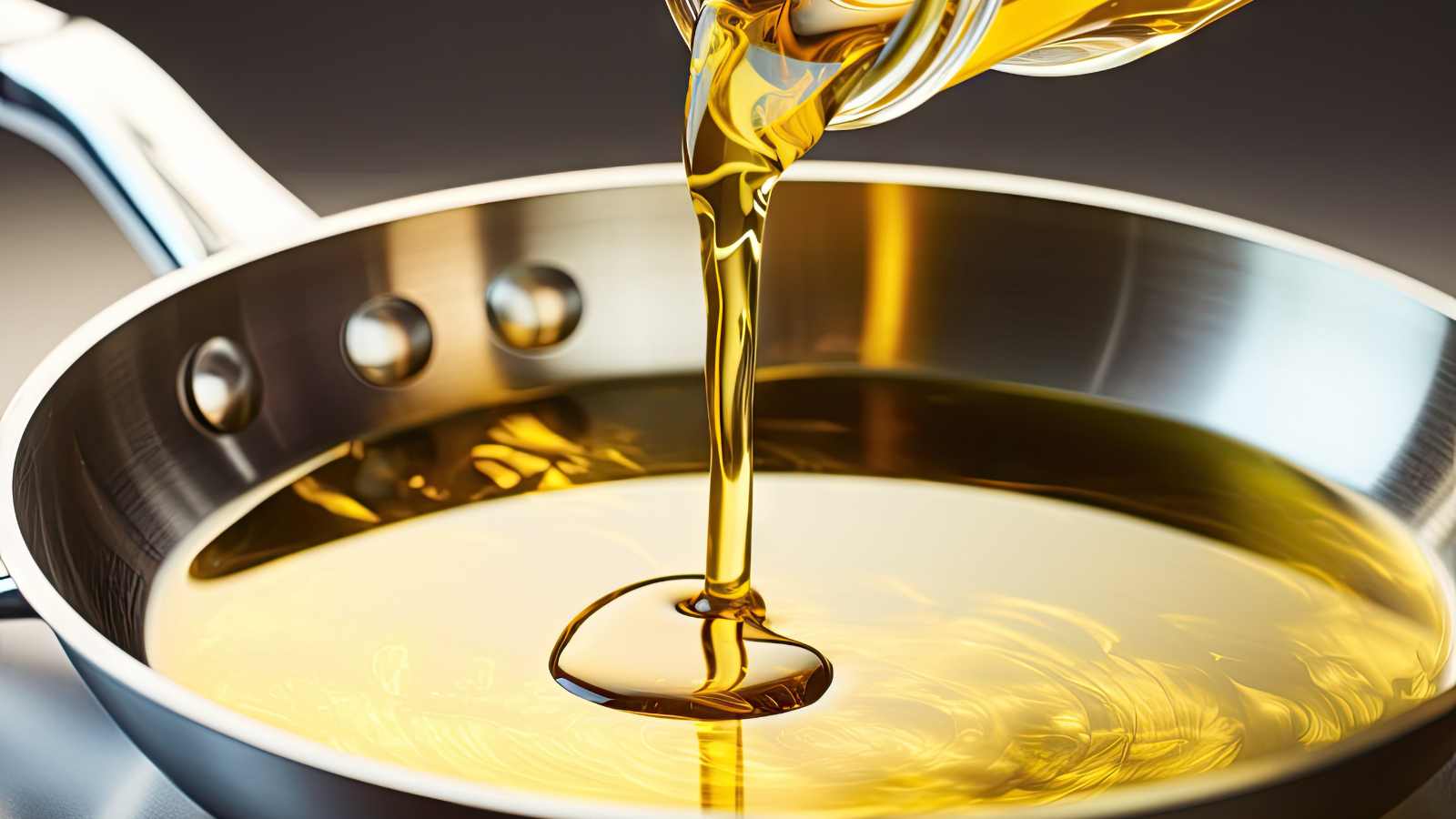
Rancid oils create harmful free radicals that can damage your cells over time. A study in PubMed Central found that the peroxide value, which indicates how rancid oil is, increases significantly in vegetable oils after their expiration date due to oxidation.
This process produces compounds such as aldehydes, which are linked to inflammation and various chronic diseases. Rancid fat also imparts an unpleasant, stale, paint-like odor and flavor to any food it comes into contact with. Baking with it means you are actively degrading the quality and nutritional value of your food.
Pure and limited extracts
Expired extracts, particularly imitation versions, can spoil and lose all their flavor. The flavor compounds in extracts, such as vanillin in vanilla, break down over time due to oxidation and evaporation.
An old extract can fail to deliver the intended flavor and also introduce a bitter, chemical off-note to your baked goods.
Key takeaway
Your pantry holds hidden financial risks and health hazards that demand your attention. Expired flour, baking powder, and spices can ruin expensive recipes and even cause serious illness.
Spoiled eggs and dairy introduce dangerous bacteria into your home-baked treats. Rancid oils make compounds that can hurt your health over time. Taking a few minutes to check your baking staples can save you money and keep you healthy.
Disclaimer – This list is solely the author’s opinion based on research and publicly available information. It is not intended to be professional advice.
Disclosure: This article was developed with the assistance of AI and was subsequently reviewed, revised, and approved by our editorial team.