

Sugary drinks are so common that many of us barely think about them—grabbing a sweet coffee on the way to work, a soda at lunch, or an energy drink to push through the afternoon.
Over time, though, those choices can add up. While sugar itself does not directly “cause” cancer, certain drinking habits may raise the risk by promoting weight gain, insulin spikes, and chronic inflammation in the body.
Cancer experts say that obesity, type 2 diabetes, and metabolic problems tied to high sugar intake are linked to a higher risk of several cancers, including breast, colorectal, liver, uterine, and pancreatic cancers. In many people, sugary drinks are one of the biggest sources of added sugar in the diet, which is why they draw so much concern.
Here are five common sugary drink habits that may be linked to increased cancer risk—and how to start cutting back without giving up everything you love.
Habit 1: Sipping Sugary Drinks All Day
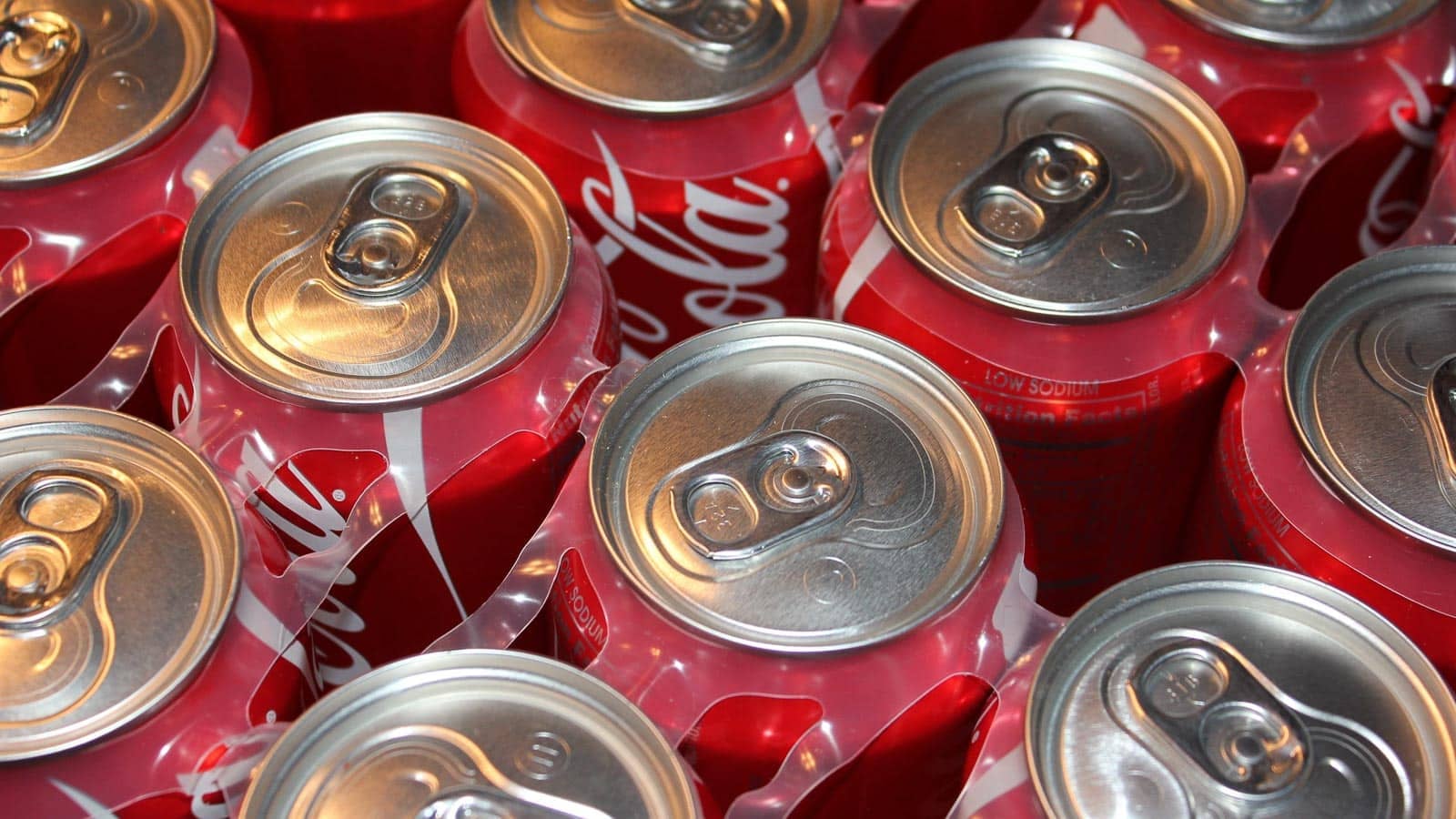
One major concern isn’t just what you drink, but how often you drink it. Constantly sipping sugary beverages—like soda, sweet tea, juice drinks, or energy drinks—from morning through night keeps your blood sugar and insulin levels elevated for long stretches.
Over time, that pattern can:
- Promote weight gain, especially around the midsection.
- Strain the body’s ability to manage blood sugar.
- Contribute to chronic inflammation, which is linked to higher cancer risk.
Even if each drink seems small, a constant “drip” of sugar can be just as problematic as one large, sugary beverage.
Small shift to try: Set a cutoff point. For example, limit sugary drinks to one specific time of day—such as with lunch—rather than having them within arm’s reach all day long, and drink water or unsweetened tea the rest of the time.
Habit 2: Using Sugary Drinks Instead of Water
Another risky pattern is using sugary beverages as your main source of fluids. If most of what you drink in a day is soda, sweet coffee, sweet tea, lemonade, or juice drinks, you may be taking in far more sugar and calories than you realize.
This matters because:
- Extra calories from drinks rarely make you feel full, so you still eat the same amount of food.
- Over months and years, that “hidden” sugar contributes to weight gain.
- Excess body fat—especially around the belly—is strongly linked with higher risk of at least a dozen different cancers.
Health organizations recommend keeping added sugars to a small portion of your daily calories, and sugary drinks alone can quickly blow past those limits.
Small shift to try: Make water your default. Keep a water bottle nearby and think of sugary drinks as an occasional add-on, not your main drink. If you like flavor, try sparkling water with a splash of 100% fruit juice, or unsweetened iced tea with lemon.
Habit 3: Drinking Multiple Sugary Beverages Every Day
Having two, three, or more sugary drinks daily can dramatically raise your total sugar intake. Research has linked higher daily consumption of sugar-sweetened beverages with increased risk of several cancers, often through the pathway of obesity and metabolic issues.
Patterns that raise concern include:
- A sugary coffee drink in the morning, a soda at lunch, and a sweet tea or energy drink later in the day.
- “Healthy”-sounding drinks—such as flavored teas, juice cocktails, and café drinks—that still contain large amounts of added sugar.
- Treating every drink throughout the day as a sweet, flavored beverage.
Over time, those multiple servings can add hundreds of extra calories per day, especially when drinks are large or oversized.
Small shift to try: Set a daily cap. Aim to keep sugar-sweetened beverages to no more than one small serving per day, and choose water, unsweetened coffee, or unsweetened tea the rest of the time.
Habit 4: Starting the Sugary Drink Habit Early in Life
Sugary drink habits that start in childhood or the teen years can follow people into adulthood, shaping weight and metabolic health for decades. That long-term exposure may be especially important for future cancer risk.
When sugary drinks become a daily staple early in life:
- Kids and teens are more likely to develop overweight or obesity.
- They may experience changes in insulin sensitivity and blood sugar control at younger ages.
- Those patterns can carry into their 20s, 30s, and beyond, where cancer risk begins to climb.
Save this article
Some studies have specifically found links between higher sugary drink intake in adolescence or early adulthood and increased risk of certain cancers later on, especially when combined with overall unhealthy lifestyle patterns.
Small shift to try: For kids and teens, make sugary drinks a “sometimes” beverage rather than a daily one. Keep water, milk, or unsweetened options at home, and save sodas and sweetened coffees for special occasions or specific days of the week.
Habit 5: Treating Large, Sugary Drinks as “No Big Deal”

Portion size matters more than many people realize. Large or supersized sugary drinks—like 20‑ to 32‑ounce fountain sodas, big sweetened coffees, or extra-large bubble teas—can pack in the equivalent of many teaspoons of sugar at once.
That one drink can easily exceed the recommended added sugar limit for an entire day.
Regularly choosing oversized sugary drinks can:
- Trigger sharp spikes and crashes in blood sugar and insulin.
- Contribute heavily to weight gain, especially when combined with calorie-dense foods.
- Worsen other conditions, like fatty liver disease and type 2 diabetes, which are connected to increased cancer risk.
Even if you only have one sugary drink per day, the size of that drink can make a big difference.
Small shift to try: Downsize your drink. Choose a small instead of a large, skip the extra pumps of syrup, or ask for half-sweetened versions of your usual order. Over time, those changes add up.
Practical Ways to Cut Back Without Going “All or Nothing”
Reducing your cancer risk is not about perfection—it is about making better choices more often. Here are some realistic strategies:
- Start with one swap: Replace just one sugary drink a day with water, seltzer, or unsweetened tea.
- Customize your coffee: Ask for fewer pumps of syrup, smaller sizes, or no whipped cream to cut sugar without giving up the drink entirely.
- Read labels: Check how many grams of added sugar a drink contains, and compare brands. Some “health” drinks have as much sugar as soda.
- Try naturally flavored options: Infuse water with fruit, cucumber, or herbs for flavor, or use a splash of 100% juice in sparkling water.
- Set “sugar-free” zones: Decide that at home or at work you’ll mostly keep unsweetened drinks, and save sugary beverages for eating out.
Over months and years, the habit changes you make today can help support a healthier weight, stabler blood sugar, and lower overall cancer risk.
The Bottom Line
Sugary drinks are a normal part of life for many people, but the way you consume them matters. Habits such as sipping them all day, using them instead of water, drinking several every day, starting young, and choosing oversized portions may all contribute to cancer risk by driving weight gain and metabolic problems over time.
You do not have to give up every soda or sweet coffee forever. But being more intentional—shrinking portion sizes, cutting back on how often you drink them, and choosing water or unsweetened options more often—is a practical, powerful way to protect your long-term health. If you have questions about your personal risk or family history, talk with a healthcare provider about screening and other preventive steps.
Lower Fat, Reduced Sugar Banana Bread
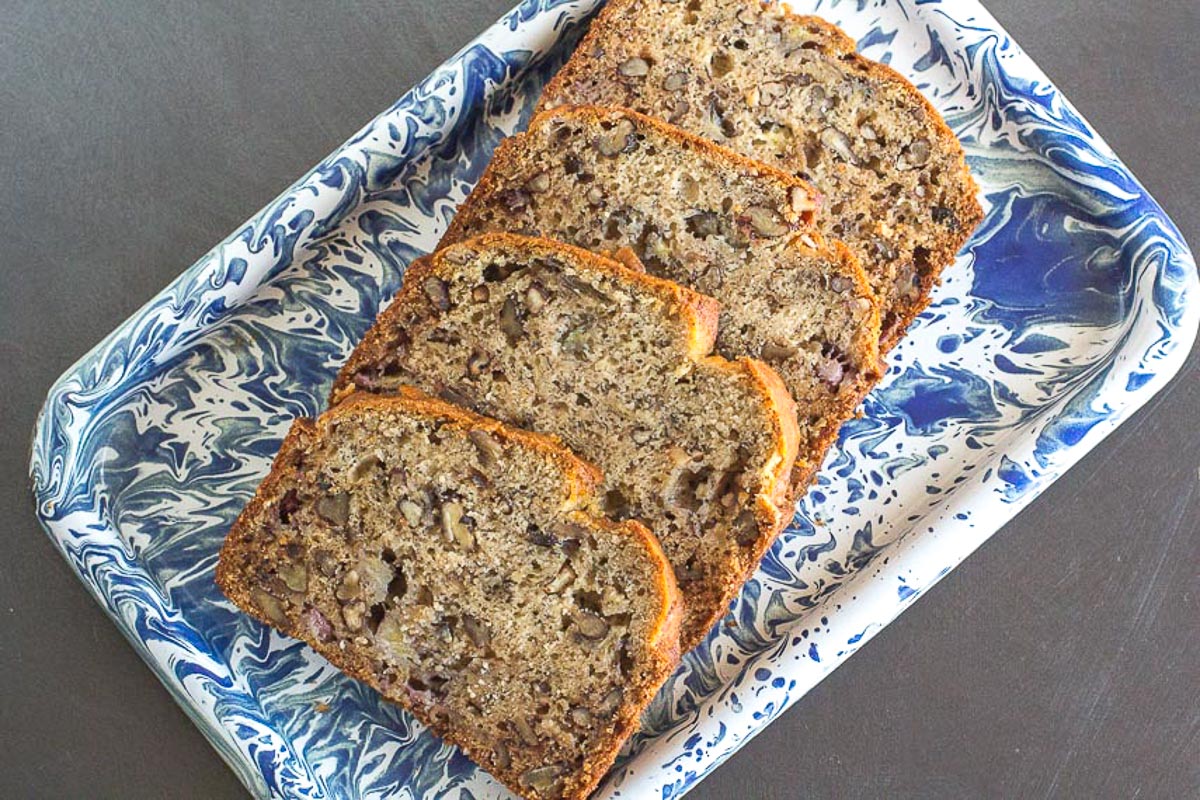
We heard you loud and clear! Many of you have asked for some recipes with reduced sugar. This Lower Fat, Reduced Sugar Banana Bread has so much going for it…
You can whip it up in less time than it takes to preheat the oven, it can be made by hand in a bowl with a wooden spoon, it is tall and moist, very banana-y, and dare I say it? I think I like it even better than our original approach! Learn more.
Disclosure: This article was developed with the assistance of AI and was subsequently reviewed, revised, and approved by our editorial team.
Like our content? Follow us on Newsbreak.
Why your gut worsened after antibiotics—and what helps

Post-antibiotic gut issues reveal a paradox: the path to relief often lies not in stricter control, but in strategic reintroduction and diversity.
A course of antibiotics can leave some people with new or worsened irritable bowel syndrome (IBS)symptoms, from bloating and gas to diarrhea or constipation. Sometimes antibiotics are necessary and lifesaving, but they can leave us with these unpredictable bowel symptoms. Learn more.





