

Long before dating apps and relationship theories, Austen outlined a model of love built on self-awareness, mutual respect, and emotional labor—and it continues to outperform modern formulas.
Every year when Jane Austen’s birthday arrives, readers around the world quietly rejoice as if an old friend has stopped by for tea. There is something wonderfully comforting about her presence in our lives, even two centuries after she first put pen to paper. Austen feels both timeless and surprisingly modern, which is part of the magic. We turn to her when we want to escape into witty banter and romantic tension, but also when we want reassurance that human connection still matters.
Her stories cut through noise and trends and endless dating advice and remind us that people have always struggled with the same questions. Who should we trust. What makes a good partner. How do we know when love is real. As her birthday comes around again, it becomes the perfect moment to pause and appreciate just how deeply her stories still shape the way we understand love.
How Austen Redefined Romance Without Weddings or Grand Gestures
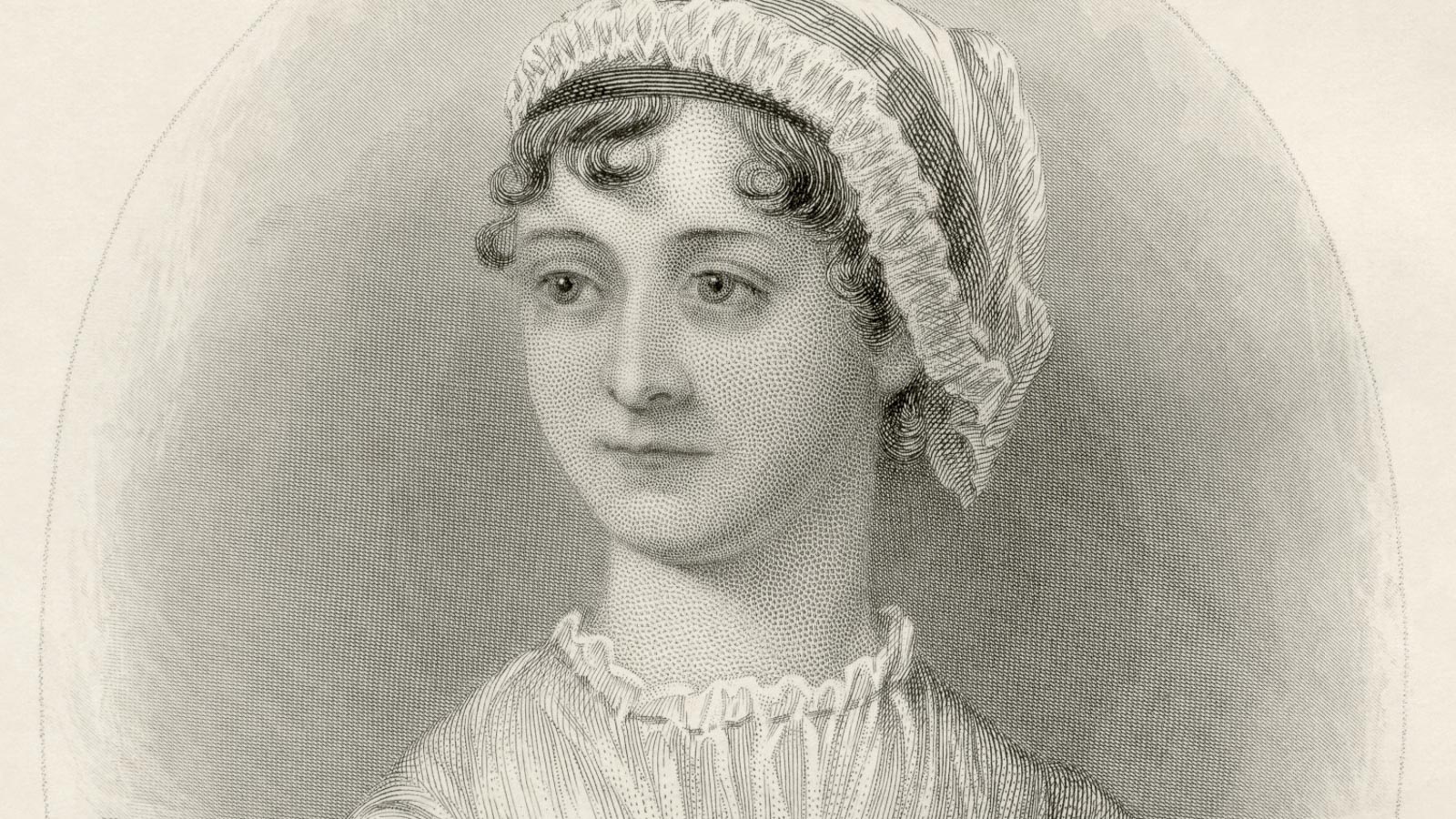
Jane Austen famously ended her novels before the wedding scene, which tells you exactly what she believed romance should be. She cared about the journey, not the ceremony. Her characters earn their happiness through vulnerability and introspection. They fall in love by getting to know each other, not through dramatic declarations. In a world where relationships often move at lightning speed, Austen reminds us how powerful a slow unfolding can be. Her love stories settle into the heart because they are rooted in emotional truth rather than spectacle.
Why First Impressions Still Mislead Us
Austen thought a lot about first impressions. In fact, Pride and Prejudice was originally titled First Impressions. Elizabeth Bennet and Mr. Darcy teach us how easy it is to misread people based on surface behavior. We still do this all the time. We skim profiles. We make assumptions. We decide too quickly who someone is. Austen encourages patience. She shows us how rewarding it can be to look again, to ask questions, and to allow people the space to reveal themselves slowly. It might be one of the reasons her stories feel surprisingly aligned with the modern dating world.
Respect and Growth as the Heart of Partnership
Austen understood that passionate attraction is not enough. Her greatest couples admire each other for qualities that last. They choose partners who challenge them emotionally and ethically. Elizabeth pushes Darcy to open his heart. Darcy pushes Elizabeth to examine her own biases. Their relationship is a conversation between equals. Austen was quietly revolutionary in this way. She believed women deserved respect, independence, and emotional fulfillment. For readers today, this feels like real guidance, not just literary charm.
The Emotional Labor of Love, Long Before We Had a Phrase for It
Anne Elliot in Persuasion might be Austen’s most relatable heroine for modern readers. She carries heartbreak with quiet dignity. She knows the ache of regret and the courage needed to love again. Austen recognized that relationships do not follow straight lines. They involve uncertainty, waiting, disappointment, and hope. By showing these emotions with such tenderness, she validates the complicated inner world so many people experience in love.
Austen’s Warnings About the Wrong People
Not all of Austen’s characters are admirable. Some are cautionary tales. She understood charm as a slippery quality. Wickham, Willoughby, and other smooth talkers reveal how superficial charisma can hide shallow intentions. Austen also gives us controlling partners disguised as protectors, and socially acceptable suitors who lack emotional intelligence. These characters feel familiar because they exist in every generation. Austen warns readers without preaching. She simply lets behavior reveal the truth.
Save this article
Humor as a Path to Understanding Ourselves
Austen’s humor is gentle but incisive. She invites us to laugh not at her characters but with them. Mr. Collins, Mrs. Bennet, and Emma Woodhouse all expose human flaws we recognize in ourselves. Austen uses comedy to soften critique. She allows room for imperfection. Her world mirrors our own, but with enough levity to keep us from feeling overwhelmed by the lessons.
Why Her Characters Still Feel So Real

Jane Austen wrote in a small setting, but she captured human nature on a grand scale. Her characters want to be loved. They want to be understood. They struggle with pride, fear, insecurity, and longing. That is why they endure. When Elizabeth admits she was wrong, or when Darcy reveals his vulnerability, we see ourselves. Austen shows the timelessness of inner transformation.
A Modern Appreciation on Her Birthday
Readers revisit Austen for different reasons. Some seek the comfort of a familiar story. Some want to be reminded that love can be thoughtful and slow. Some want the reassurance that flaws and mistakes do not disqualify anyone from happiness. Her birthday gives fans the perfect excuse to return to her pages and to reflect on the emotional clarity she offers.
Her Greatest Legacy: Love as a Practice, Not a Fairytale
Austen believed that true love is not luck. It is effort. It is reflection. It is humility. It is emotional honesty. Her stories show that the best relationships grow from mutual understanding and shared values. As we celebrate her birthday, we celebrate a writer who understood that love is both ordinary and extraordinary. It happens quietly, in looks exchanged across a room or in late realizations that change everything. Jane Austen continues to shape modern love because she understood what it is to be human, and she wrote that truth with unmatched warmth.
Voices of Change: How the 2025 National Book Awards Reflect a New Era in American Literature

The books honored in 2025 remind us that literature’s greatest power lies in its ability to change who gets to speak—and who finally gets heard.
The National Book Awards have always done more than hand out trophies. They have served as a mirror, reflecting the voices, conflicts, and curiosities that shape American life. In 2025, that mirror looks more diverse, more daring, and more globally aware than ever before. Learn more.





