

Marking Sammy Davis Jr.’s birthday underscores a lasting cultural shift sparked by a barrier-breaking artist whose influence still shapes the entertainment landscape.
Every birthday celebration tied to a cultural figure is more than a moment of nostalgia. It is an opportunity to pause and reflect on the impact of a life lived in full public view. Sammy Davis Jr.’s birthday does exactly that. It brings us back to the story of a performer whose talents seemed almost limitless and whose courage reshaped entertainment at a pivotal time in American history.
Born on December 8, Davis grew up facing immense adversity before becoming one of the most magnetic performers to ever grace the stage or screen. His voice could slide effortlessly between playful charm and heartbreaking vulnerability. His dancing rivaled the greats of tap. His comedic timing kept audiences leaning forward. Yet his significance reached far beyond pure showmanship. Davis stood at the crossroads of culture, race, fame, and political awakening. Each passing year that marks his birthday underscores that his life was not only about performance but about visibility, challenge, and the relentless pursuit of artistic dignity in a world that often tried to deny it.
A Star Born Into Performance
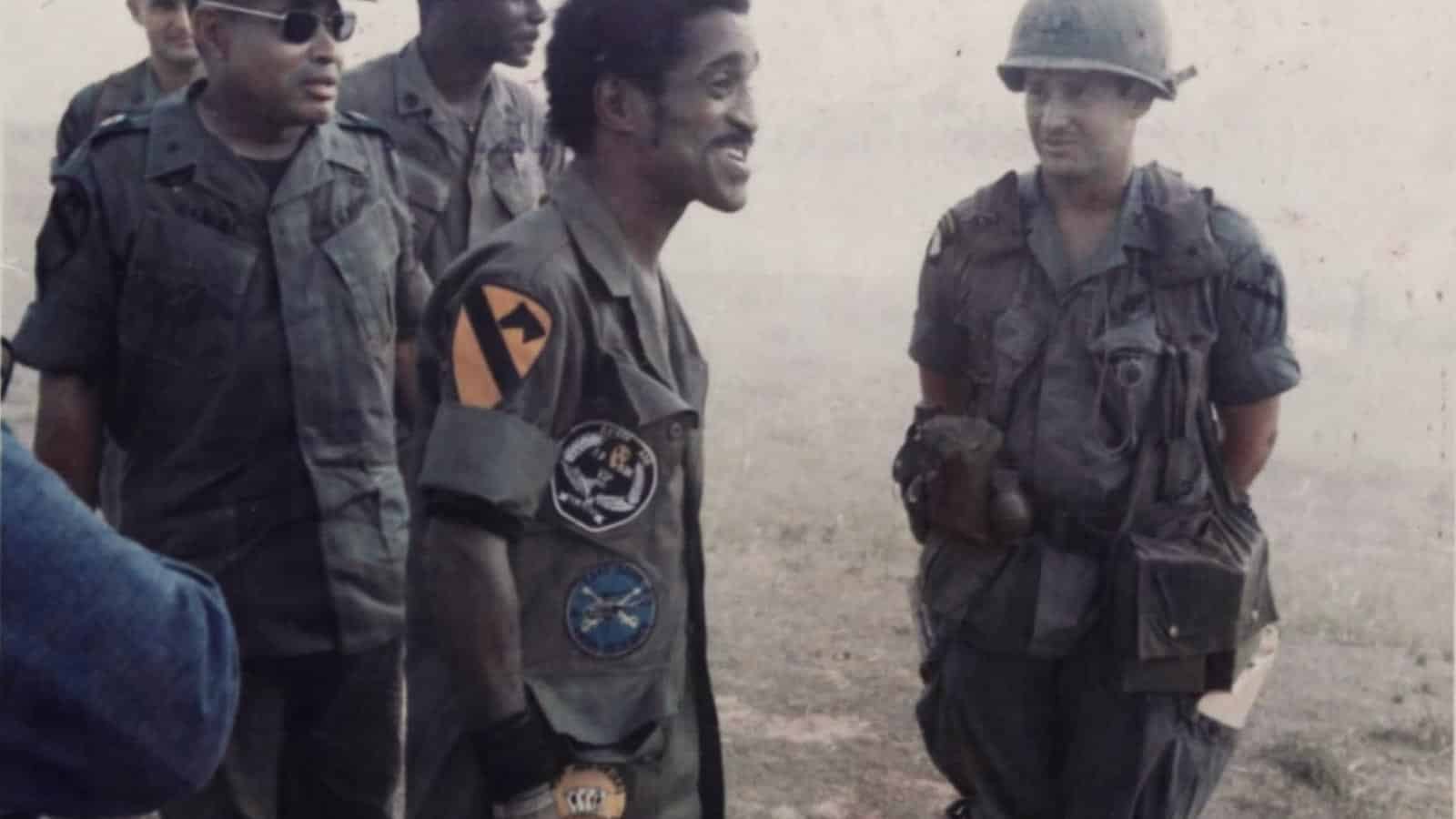
Sammy Davis Jr. was quite literally born into entertainment. His parents were vaudeville performers, and by toddlerhood he was already learning the rhythms of the stage. There was no separation between childhood and career. Performance was both safety and survival. While other children learned playground rules, Davis learned curtain cues, rhythm breaks, and audience response. By age three he was dancing alongside his father. That relentless early immersion created an entertainer with an instinctual understanding of stagecraft that no conservatory could replicate.
As he matured, Davis developed extraordinary versatility. Singing, dancing, acting, comedy, impressions, and musicianship were all skill sets he mastered. While many performers find success by focusing on one discipline, Davis moved effortlessly between all of them. Tap dance became one of his distinguishing talents. Watching him perform was witnessing someone who seemed to defy gravity. His feet were lightning fast, yet his movements carried elegance rather than flash.
Rising Amid Racial Barriers
Davis’s rise to stardom came during an era when Black entertainers were welcome onstage but frequently barred offstage. He encountered discrimination constantly while touring, including segregated accommodations and venues that allowed him to perform but refused him service. Instead of allowing these restrictions to limit him, Davis pressed forward with grace and resolve.
In the 1950s and 1960s, he became one of the few Black performers who crossed into mainstream stardom on television, film, and Las Vegas stages. His presence forced audiences to reckon with their assumptions. He was impossible to categorize. His humor disarmed prejudice while his talent demanded respect.
Being part of the Rat Pack alongside Frank Sinatra and Dean Martin further elevated his profile. The friendship he developed with these performers also highlighted contradictions in the entertainment world. Onstage they were equals, yet offstage Davis continued to face discrimination that his colleagues did not. Sinatra reportedly used his influence to push venues into desegregating their accommodations so Davis could stay where the rest of the group stayed.
The Eye He Never Lost
One of the lesser-known defining events of Davis’s life was the severe car accident in 1954 that cost him his left eye. The injury could easily have ended his career. Instead, it became part of his defining image. The now iconic glass eye became a constant reminder of his perseverance.
After months of recovery, Davis returned to the stage with renewed courage. He leaned further into comedy, transforming vulnerability into connection. This ability to turn hardship into artistry became a central trait of his performances. Audiences saw not only technical mastery but emotional resilience.
Crossing Cultural Lines
Davis spent much of his public life navigating complex intersections of race, religion, and political identity. His conversion to Judaism after the car accident was deeply personal and symbolic. It puzzled critics and fascinated the media. Davis explained that the faith resonated with him after reflecting on shared histories of resilience and marginalization.
Save this article
Politically, Davis faced sharp criticism during the civil rights era. Some accused him of being too closely aligned with establishment figures. Others expected him to serve as an outspoken activist. Davis often walked uncomfortable middle ground. He believed his role was to break barriers through presence and performance rather than formal protest. Whether one agrees or not, his contributions undeniably expanded access and opportunity for countless Black entertainers who followed.
The Work That Endures
Davis’s film and television career showcased his diverse capabilities. He starred in dramatic roles such as A Man Called Adam as well as musicals and comedies. Television appearances brought him into living rooms across America at a time when representation was rare. His musical recordings ranged from romantic ballads to swinging standards that still receive radio play today.
Perhaps one of his greatest skills was his ability to communicate joy. Watching Davis perform often evokes immediate delight. There is an infectious sense of play in his work that transcends decades. That joy was not naive. It was forged in struggle and discipline.
Why His Birthday Still Matters
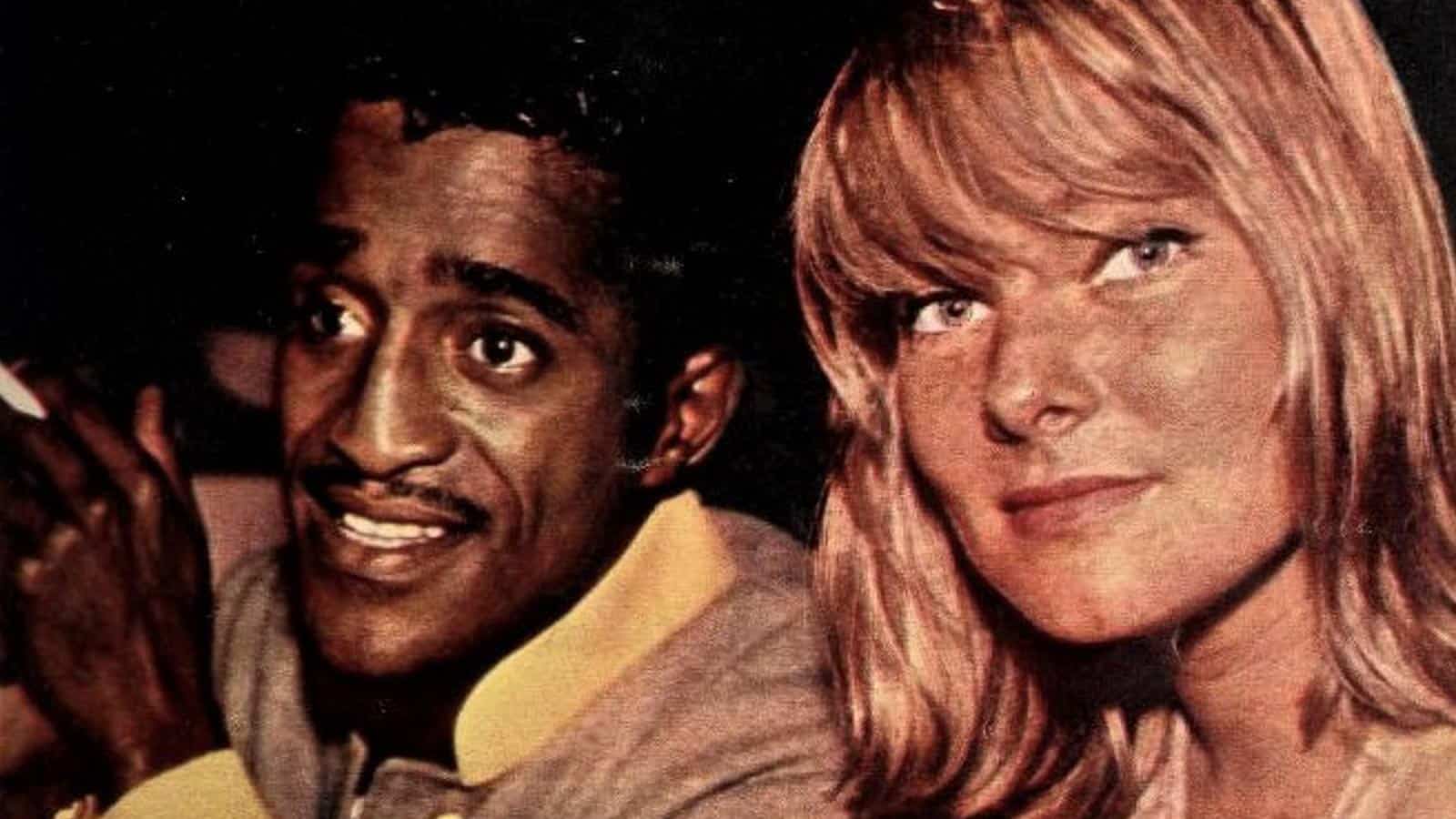
Celebrating Sammy Davis Jr.’s birthday is not merely an act of remembrance. It is an acknowledgment of how far entertainment has come because of figures who refused to accept imposed limits. He broadened the range of who could command major stages, who could headline Vegas rooms, and whose voice could shape American popular culture.
For new generations discovering his performances on streaming platforms or archival broadcasts, his work still feels contemporary. The artistry remains vibrant. The barriers he confronted serve as historical lessons that remain relevant today.
The Man Behind the Spotlight
While public memory tends to focus on glittering stage moments, Davis also lived a private life shaped by complexity. His marriages, struggles with addiction, and ongoing quest for acceptance revealed a man deeply affected by the pressures of fame. He worked almost constantly, perhaps to prove his worth in an industry that demanded excellence but offered little emotional protection.
Yet friends described him as generous and loyal. He supported young performers and delighted in collaboration. Davis never lost the curiosity that fueled his early training.
A Birthday Worth Celebrating
Every December 8 comes with a reminder of what Sammy Davis Jr. accomplished against extraordinary odds. His career reshaped expectations of what a performer could achieve regardless of race or background. His artistry brought laughter, intensity, intimacy, and technical brilliance to millions.
Celebrating his birthday is more than honoring an icon. It is honoring perseverance, creativity, and the courage to shine when the spotlight itself was sometimes unfair. Sammy Davis Jr. did not just perform on stage. He transformed it. And each birthday we remember him reminds us that the best legacies are those built not only on talent but on trailblazing humanity.
Las Vegas Insider: 10 Time-Sucking Mistakes to Steer Clear Of

Let’s be real. Your first 30 minutes in Las Vegas are a full-on sensory assault. It’s a whirlwind of neon, noise, and the dawning realization that you might have packed the wrong shoes. It’s exhilarating, sure. But it’s also a city designed to separate you from your time and money with ruthless efficiency. And it’s very, very good at it. In 2024 alone, Statista reports that Nevada casinos raked in over $15 billion in gross gaming revenue—that’s the money gamblers left behind. This city wasn’t built on winners. Learn more.





