When people cross into their seventies, reflection often becomes less about what they earned and more about how they lived. The quiet moments tend to bring clarity, and many begin to recognize patterns they once overlooked.
A long-running study from the Harvard Study of Adult Development found that strong relationships and meaningful experiences consistently matter more to long-term happiness than financial success. This reinforces the idea that regret rarely centers on money alone.
Instead, the same themes surface again and again. People wish they had spent more time with loved ones, taken more chances, or spoken more honestly when it mattered. These regrets are not dramatic or rare.
They are rooted in everyday choices that seemed small at the time but grew in significance over the years. Looking back, many realize that fulfillment came from connection and courage, not from what sat in a bank account.
“I wish I’d lived my own life”

Near the end, many discover they have been living by other people’s scripts. Palliative nurse Bronnie Ware lists this as the most common regret of the dying: not having the courage to live a life true to themselves. Dreams stayed safely theoretical. Risks stayed on the shelf.
A Newsweek survey of older Americans echoes this. Twenty-nine percent regretted not pursuing their dreams. Seventy-one percent in one poll of adults 70 to 100 said they played life too safe. The pattern is clear. Fear protects you in the moment. It haunts you later.
“I worked so hard, I missed my life”
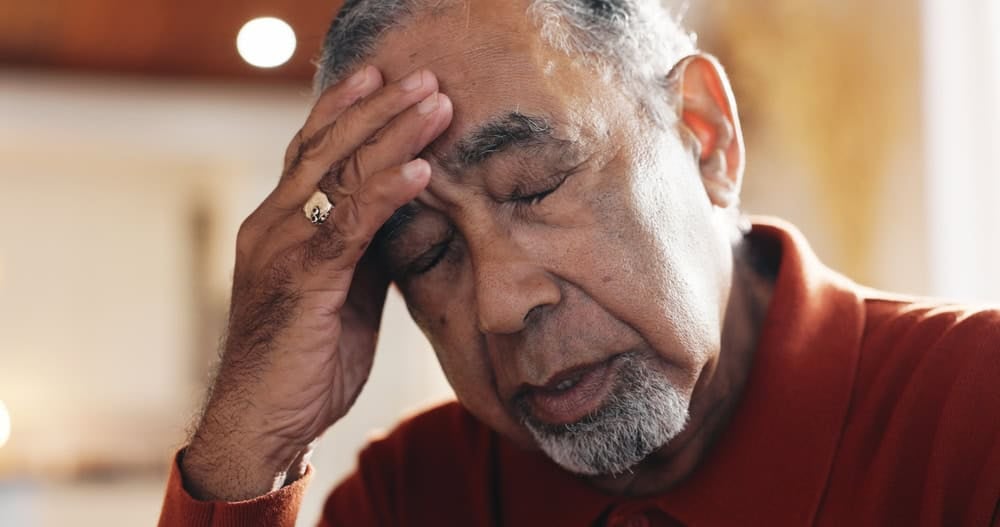
Work rarely appears in the hospice room the way it does in middle age. Bronnie Ware’s list of top regrets includes this one in plain language: “I wish I hadn’t worked so hard”. That refrain came from many men. It came from women, too.
Older Americans in Newsweek’s report place time with family and friends at the very top of their regrets. Forty percent wished they had spent more time with loved ones. Not one respondent said they wished for more meetings or emails. The missed school plays and quiet dinners loom larger than promotions ever do.
“I should have said how I really felt”

Silence feels safe in the moment. It grows heavier with time. Ware’s work notes a recurring regret: not having the courage to express true feelings. Anger swallowed. Love unspoken. Boundaries never drawn.
Newsweek’s survey of older Americans gives those numbers. Thirty-eight percent regretted not speaking up at crucial moments. Nearly all, in a separate poll of 70 to 100-year-olds, wished they had said “I love you” more often. At 70, the unsent text and the unsaid sentence feel almost the same. Both are absences that can no longer be filled.
“I let friendship slip away”

Friendship seems optional when life is busy. It does not feel that way at 80. Ware’s hospice reflections include a quiet regret: not staying in touch with friends. People assumed bonds would somehow maintain themselves. Then decades passed.
AARP’s national survey shows how those gaps harden. Forty percent of adults 45 and older now report feeling lonely, up from 35 percent in 2010 and 2018. Lonely adults spend about 7.3 hours alone each day, compared with 5.6 hours for their peers. Many older people do not regret specific parties missed. They regret the slow unraveling of a social circle they thought would always be there.
“I stayed in the wrong relationship too long”

By age 70, most people can name the rooms where they stayed after the light went out. In a survey of adults aged 70 to 100, 52 percent said they regretted staying in relationships that no longer brought them joy. Habit held them. Fear of being alone held them too.
Newsweek reports that 14 percent of boomers wished they had not ended certain relationships, but far more regretted not protecting their own happiness within them. The regret is not about having loved. It is about not acting when a relationship becomes a long, low erosion instead of a shared life.
“I let distance steal my family”
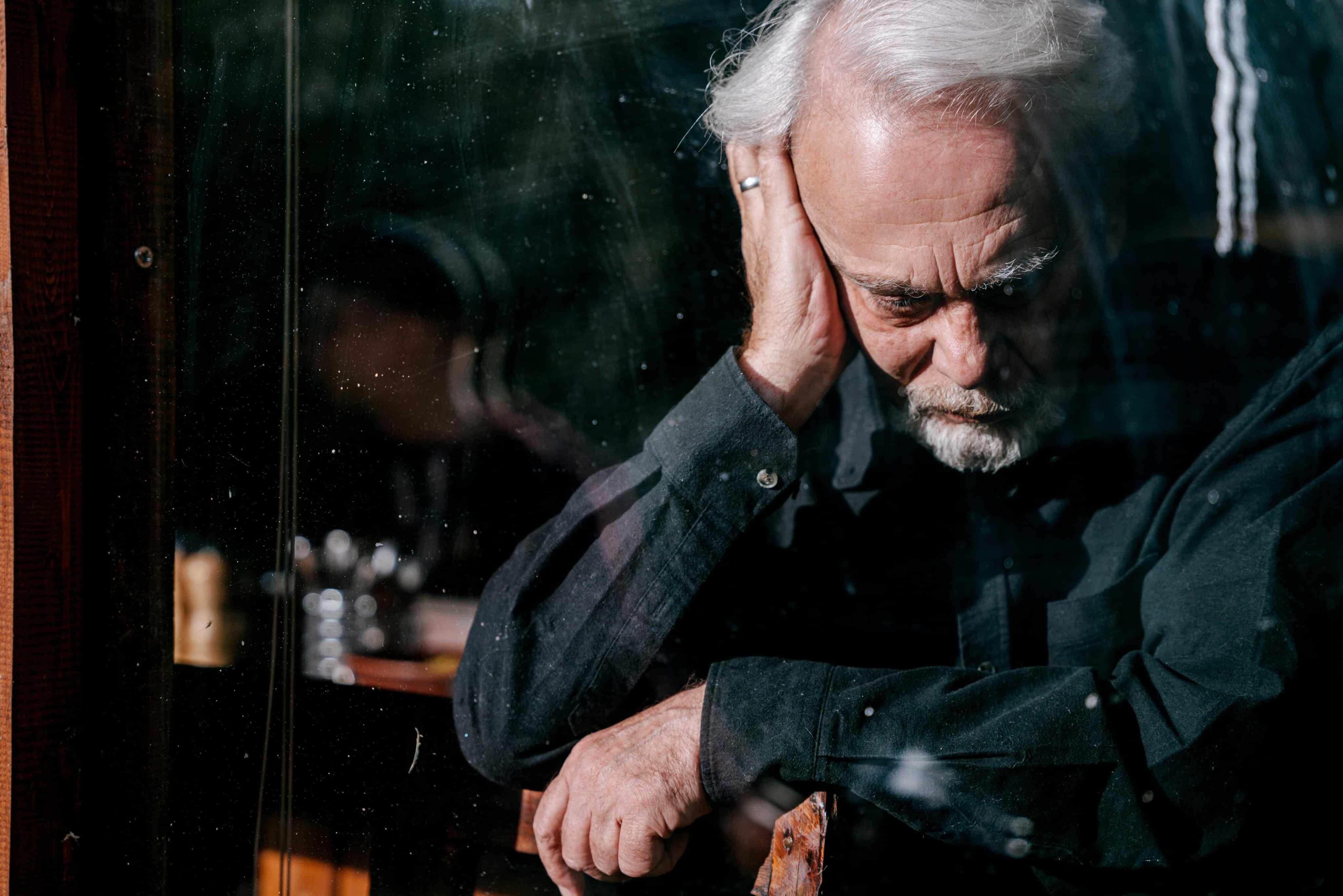
Many grandparents now know their grandchildren through screens. A 2025 article in The Conversation on long-distance grandparenting describes the loss of daily involvement as a profound emotional burden. Small moments vanish. Shared routines never form.
Save this article
Newsweek’s survey found that 40 percent of older Americans regretted not spending more time with family and friends. AARP’s loneliness report shows shrinking social networks as one of the strongest predictors of isolation in later life. At 75, people rarely mourn having lived in a smaller house. They mourn missing the years when their family lived down the street instead of across a continent.
“I didn’t take care of this body”

The bill for neglect arrives late. A 2025 study in the Annals of Medicine tracked people for more than 30 years. It focused on three habits: smoking, heavy drinking, and lack of exercise. Each one predicted poorer health scores in midlife and beyond.
In that research, having all three habits long-term was tied to higher depressive symptoms and worse self-rated health. Psychological well-being fell. Metabolic risk rose. Older adults in broad regret surveys often mention this in plain language: I wish I had moved more. I wish I had quit earlier. The regret is not about appearance. It is about pain, stamina, and lost years of ease.
“I forgot to live in the present”
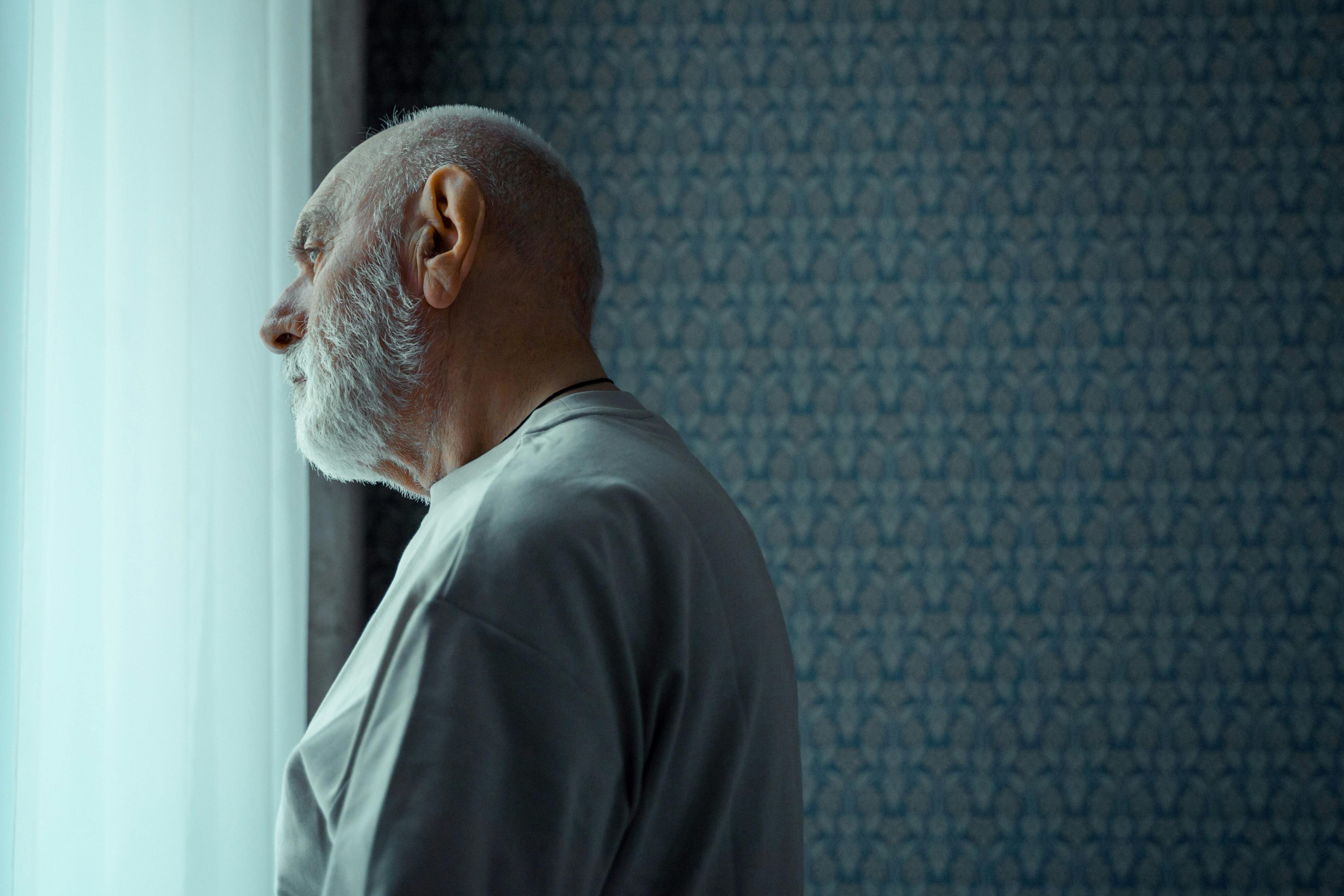
The future feels like a puzzle to solve. The past feels like a scorecard. The present quietly slips away. In the survey of adults aged 70 to 100, seventy-nine percent regretted not living in the moment more. They spent years dwelling on what had happened or might happen.
Bronnie Ware’s fifth regret reads like an answer: “I wish that I had let myself be happier”. Many people she cared for admitted they had stayed stuck in old patterns because they feared change. They pretended to be content. Inside, they were not. At the end, the missed sunsets and unshared laughs feel like a specific category of loss.
“I let fear decide too many things”
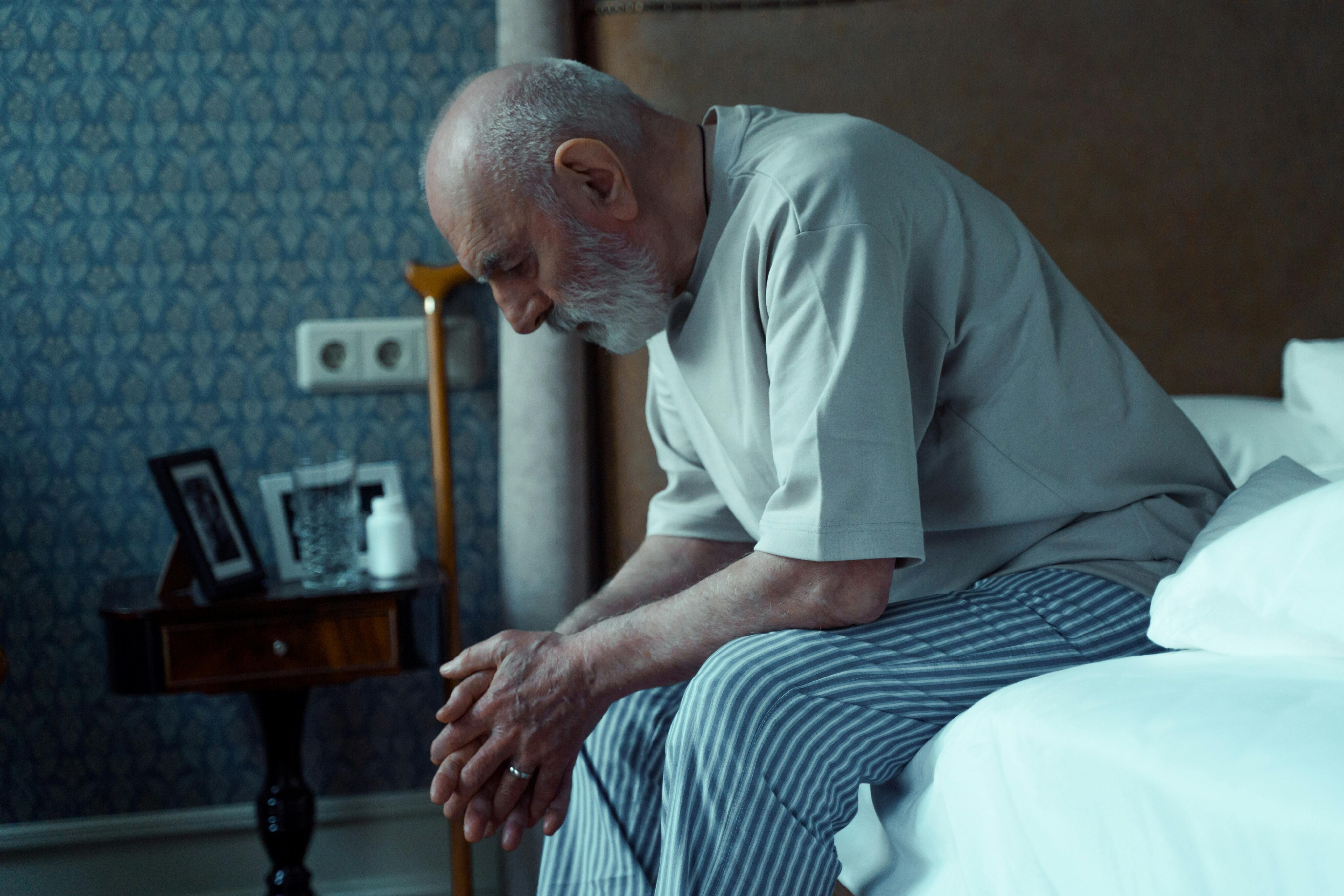
By their seventies, people can almost map their lives by the decisions fear made. In that 70 to 100 survey, 71 percent said they regretted not taking more chances when they had the opportunity. The job they did not apply for. The move they did not make. The love they did not confess.
Newsweek’s reporting adds another number. Thirty-two percent of older Americans wished they had traveled more. Regret collects around roads not taken. Yet what they name is not just missed destinations. It is a pattern. A reflex of always choosing the safest option, only to discover later that safety and aliveness are not the same thing.
“I let work and worry crowd out Joy”
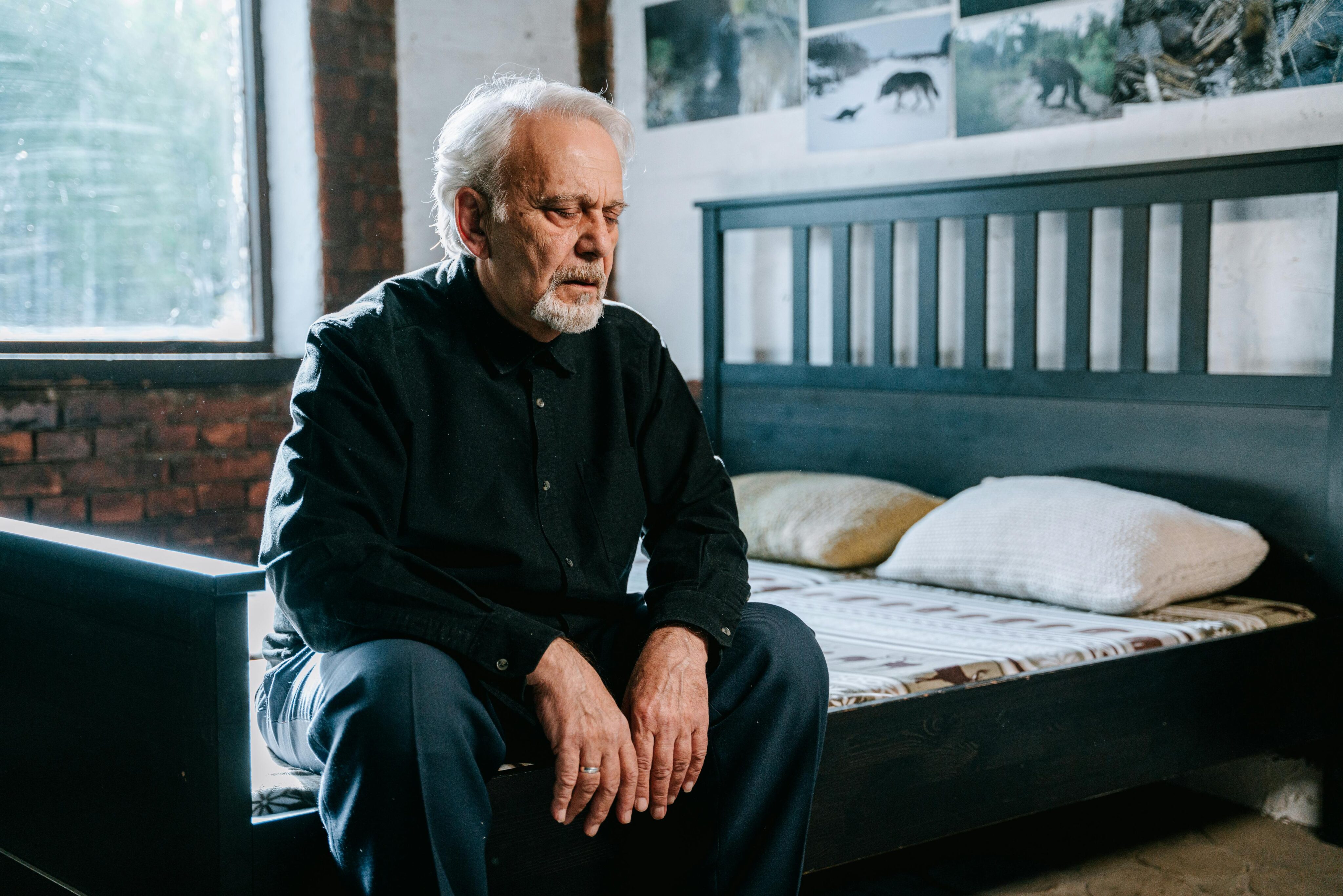
Bronnie Ware heard a version of this again and again. People wished they had let themselves be happier. They realized too late that happiness was partly a skill, not just a circumstance. Old habits of worry and self-denial had become cages.
The Harvard Study of Adult Development, which has followed participants for more than 80 years, points to a simple anchor instead. The quality of relationships predicted long-term happiness more than wealth, class, or IQ. Many people over 70 say they regret spending so many years optimizing careers, savings, and plans, and so few years tending to companionship and lightness.
“I didn’t say I’m sorry soon enough”

At 30, grudges can feel principled. At 80, they feel heavy. Newsweek’s survey reports that 37 percent of older Americans regretted not avoiding conflicts with loved ones when they could have. Thirty-eight percent regretted not speaking up constructively in crucial moments.
The AARP loneliness study notes that shrinking social circles often follow prolonged conflicts and disengagement. As religious attendance and community involvement fall, there are fewer natural repair points. Older adults look back and see specific conversations where an apology would have cost very little. The silence that followed has cost them decades.
“I underestimated how much relationships matter”
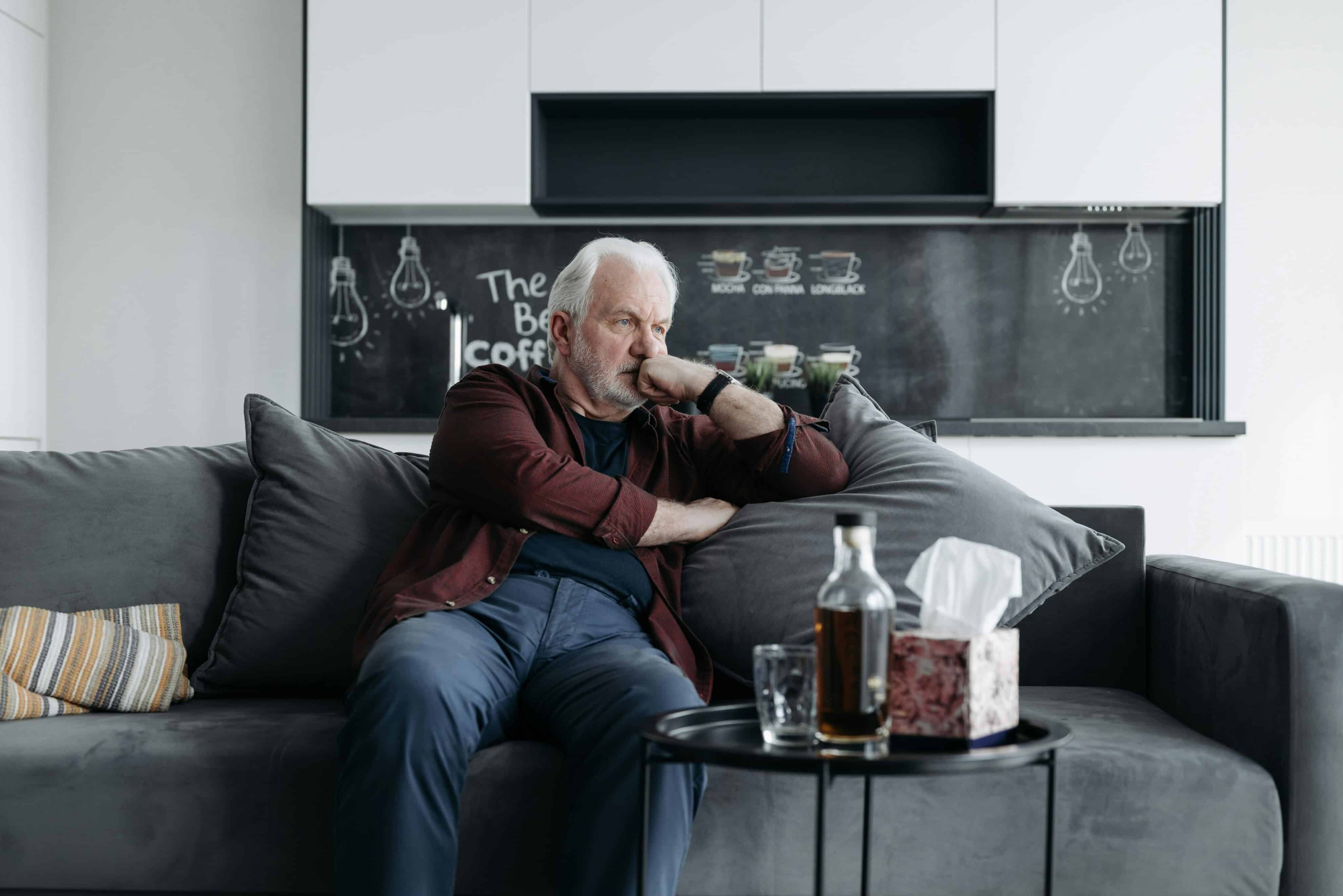
The clearest lesson from the Harvard Study of Adult Development is blunt. Strong, supportive relationships are the single most important predictor of long-term happiness and health. Not income. Not status. Relationship quality.
AARP’s 2025 survey found that 40 percent of adults over 45 feel lonely. Lonely adults spend more hours alone and report poorer well-being. When people over 70 talk about regret, money appears.
But it is rarely the headline. The real ache is relational: the friends they drifted from, the family they did not prioritize, the warmth they assumed would always be there until, quietly, it was not.
Disclaimer – This list is solely the author’s opinion based on research and publicly available information. It is not intended to be professional advice.
Like our content? Be sure to follow us