

Eating raw foods can feel healthy and natural, but some foods contain hidden dangers that only proper cooking can neutralize. Experts repeatedly warn that consuming raw animal products or certain plant-based foods can expose you to bacteria, viruses, or naturally occurring toxins.
According to the Centers for Disease Control and other food safety authorities, raw meat, eggs, and seafood are particularly high-risk, carrying pathogens like Salmonella, E. coli, Listeria, and Campylobacter, which can cause severe gastrointestinal illness, fever, and even long-term health issues.
For vulnerable populations, including children, pregnant people, older adults, and those with compromised immune systems, these risks are amplified. Here’s a closer look at 10 foods nutrition experts advise against eating raw and why cooking them is essential for safety.
Raw Chicken and Other Poultry
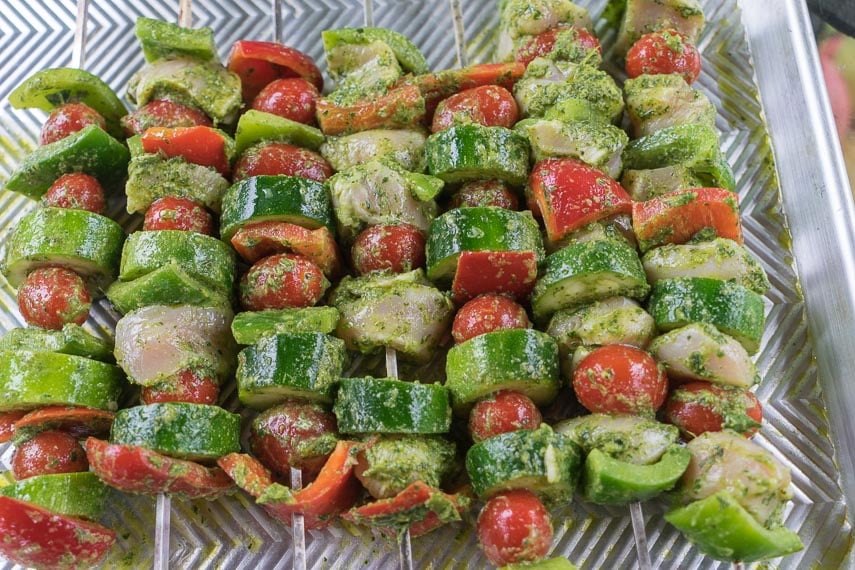
Raw chicken and other poultry are notorious carriers of harmful bacteria, including Salmonella and Campylobacter. Even washing chicken before cooking does not eliminate bacteria; thorough cooking to 165°F (74°C) is the only way to make it safe.
Handling raw poultry also requires strict hygiene to avoid cross-contamination.
Raw Eggs

Eggs may seem safe straight from the carton, but raw or undercooked eggs can harbor Salmonella. Foods like homemade mayonnaise, cookie dough, or custards made with raw eggs are potential sources of infection.
Experts recommend pasteurized eggs when recipes require uncooked eggs.
Raw Shellfish (Oysters, Clams, Mussels)

Shellfish can naturally harbor bacteria such as Vibrio and viruses such as norovirus. Raw oysters, in particular, have been repeatedly linked to outbreaks. Cooking kills these microbes, making seafood safe while still flavorful.
Cook shellfish thoroughly until the shells open and the internal temperature is safe.
Raw Ground Beef

Unlike whole cuts of beef, ground beef mixes bacteria from the surface throughout the meat. Undercooked ground beef can carry dangerous strains of E. coli, which may cause severe illness and, in some cases, hemolytic uremic syndrome.
Cooking to 160°F (71°C) is essential. Ground beef should never be eaten raw or undercooked.
Raw Milk and Unpasteurized Dairy

Raw milk bypasses pasteurization, which is designed to kill bacteria such as Listeria, Salmonella, and E. coli. Though some advocate raw milk for taste or probiotics, public health experts highlight a much higher risk of foodborne illness.
Always choose pasteurized milk and dairy products.
Raw Kidney Beans

Save this article
Kidney beans contain phytohaemagglutinin, a lectin that is highly toxic if not cooked properly.
Eating as few as four or five raw kidney beans can trigger severe nausea, vomiting, and diarrhea. Boil soaked beans for at least 10 minutes to deactivate toxins.
Raw Potatoes (Especially Green or Sprouted)

Potatoes naturally produce solanine, a toxic compound, especially in green or sprouting tubers. Solanine can cause nausea, vomiting, headaches, and neurological symptoms if consumed in high amounts.
Cooking reduces solanine levels. Discard green or sprouted potatoes and cook thoroughly before eating.
Cassava (Tapioca Root)

Cassava contains cyanogenic glycosides that release cyanide when eaten raw. Improper preparation can lead to severe poisoning. Boiling, soaking, or fermenting cassava is essential to make it safe to eat.
Unpasteurized Fruit and Vegetable Juices

Fresh-squeezed juices that aren’t pasteurized can harbor bacteria from contaminated produce. Pasteurization reduces the risk of infection while preserving nutrients.
Drink pasteurized juices or heat homemade juice before consumption.
Some Wild Mushrooms

While common cultivated mushrooms are generally safe raw, many wild varieties contain harmful compounds that only cooking neutralizes, and some are deadly even when cooked.
Never forage or consume raw wild mushrooms without expert identification.
Key Takeaways

Always wash produce, buy pasteurized products, and cook high-risk foods thoroughly to reduce the risk of illness.
Raw foods may carry bacteria, viruses, or natural toxins that cooking eliminates. Animal products, including meat, eggs, dairy, and seafood, are especially high-risk if consumed raw.
Certain plants and roots (cassava, beans, potatoes, sprouts) contain chemical compounds harmful if eaten raw.
Also on MSN: 12 things boomers hate that Gen Z actually embraces
Disclosure: This article was developed with the assistance of AI and was subsequently reviewed, revised, and approved by our editorial team.
Disclaimer: This list is solely the author’s opinion based on research and publicly available information. It is not intended to be professional advice.
Like our content? Be sure to follow us





