

I was doom-scrolling the other day, as one does at 2 AM instead of counting sheep, when a post caught my eye. It was one of those flashy, clickbait articles titled, “Eat THIS to Improve Your S3x Life!” Intrigued (and a little skeptical), I clicked.
It was a whole list of foods—oysters, chocolate, strawberries—that promised to work some kind of magic. It got me thinking, does eating a dozen oysters really do anything, or is it just a pricey placebo? The whole idea seems a bit like an old wives’ tale.
Globally, 23% to 63% of reproductive-aged women face s3xual dysfunction, while 10% to 52% of men experience erect!le dysfunction (ED). For centuries, people have turned to certain foods to spark romance and boost lib!do.
But does science actually back up these claims?
Chocolate

Chocolate has been called the “food of love” for a long time, starting with the ancient Aztecs. It contains a compound called phenylethylamine, which is known to boost your mood. So, does that mean it’s a direct ticket to romance? Not really.
A 2021 study with 700 women found something interesting. Those who ate chocolate more often actually reported a lower lib!do. The theory is that the pleasure from chocolate might be a substitute for other kinds of pleasure, not a trigger for it.
According to Dr. Caroline Apovian from the Boston Medical Center, “There’s not much science behind aphrodisiac foods—most benefits are associative, but chocolate does contain compounds linked to pleasure and mood.”
So, if you feel a little spark after a piece of dark chocolate, it’s probably because you expect to feel it. But hey, an excuse to eat more chocolate is never a bad thing.
Oysters

Oysters have a long-standing reputation, partly thanks to legends like Casanova, who supposedly ate dozens for breakfast. Oysters are packed with zinc, a mineral that’s crucial for testosterone production and overall reproductive health—a single serving can contain up to 500% of the daily recommended value.
While some studies on rats have shown promise, there aren’t any big human trials to back it up. Still, oysters are a staple on date-night menus everywhere. Is it science or just savvy marketing? You see headlines in AARP and restaurant marketing like “Oysters to shore up your hormones” every Valentine’s Day, so the legend is definitely alive and well.
But does that zinc content directly translate to a higher s3x drive? The evidence is shaky at best.
Avocado

Did you know the Aztec word for the avocado tree, “ahuacatl,” also means “test!cle tree”? This was mostly due to the way avocados hang in pairs, giving them a suggestive appearance.
Mainstream outlets, such as BBC Good Food, document spikes in searches and shares for recipes tagged with “aphrodisiac guacamole” in the first two weeks of February. But there’s more to it than just looks.
Avocados are full of healthy omega-3 fatty acids and vitamin E, which support hormone production and improve blood circulation. Good circulation is important for s3xual function, so there is an indirect link here. So, while an avocado might not be a love potion, it’s definitely good for your heart and, by extension, other parts of your body.
Asparagus

In 19th-century France, asparagus was a must-have at pre-wedding feasts. The reason? It’s loaded with vitamin B6 and folate. These nutrients are essential for producing histamine, which plays a role in achieving org@sm.
So, is there something to this French tradition? Maybe a little. The nutrients in asparagus are linked to s3xual response, but you’d have to eat a lot of it to notice a significant effect. Plus, let’s be honest, the other, more well-known side effect of eating asparagus isn’t exactly romantic.
Pomegranate
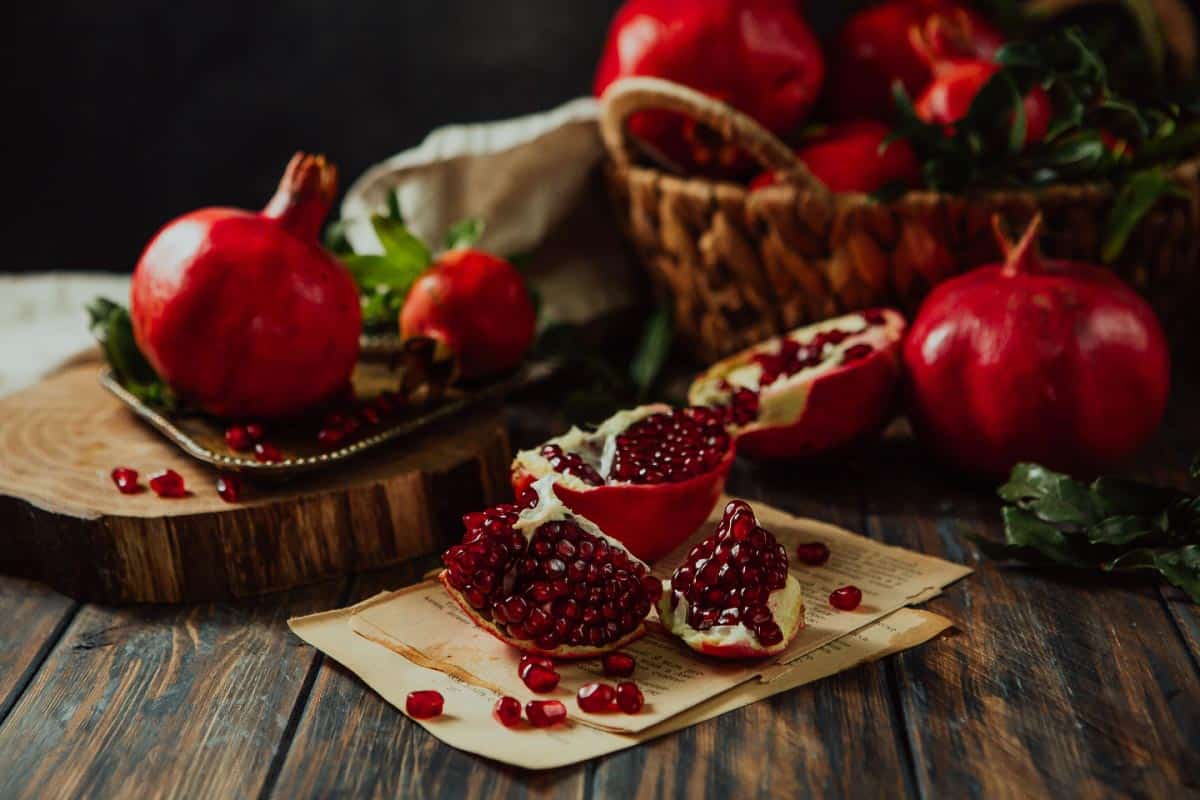
The pomegranate has been a symbol of fertility and abundance since ancient times. Its rich, red seeds have come to represent vitality, fertility, and s3xual energy, making the fruit a popular motif for romance and partnership.
Small studies have suggested that pomegranates can lower cortisol (the stress hormone) and even raise testosterone levels, which might influence desire.
However, the evidence is pretty limited. “Pomegranates are rich in health-promoting antioxidants and nutrients, but their aphrodisiac effects are largely speculative,” notes health columnist Jamie Mok.
Some of the research has even been funded by pomegranate companies, so I take it with a grain of salt. While it’s a healthy fruit packed with antioxidants, don’t expect miracles.
Honey

Ancient cultures loved honey, not just for its sweetness but also as a romance booster. The term “honeymoon” is even tied to ancient traditions where newlyweds drank mead (a honey-based alcohol) to promote fertility.
Honey contains boron, a mineral that might help regulate s3x hormones. But, like many other foods on this list, there isn’t strong scientific evidence to back up its reputation as an aphrodisiac. Its historical and cultural significance, however, is undeniable.
Pine Nuts

Save this article
Popular in Mediterranean folklore, pine nuts were a common ingredient in ancient love potions. Why? Because they are high in zinc, which, as we’ve seen with oysters, is important for testosterone and lib!do.
While ancient potions were more about tradition than science, we now know that the nutritional benefits of pine nuts are real. They won’t magically make someone fall in love with you, but they are a healthy addition to your diet.
Cardamom

Cardamom is a staple in Ayurvedic medicine, where it’s been used for centuries to improve circulation and arous@l. It’s not as common in the West, but it has a reputation for its warming, aromatic properties.
Cardamom is occasionally spotlighted in “romance drinks”—such as spiced teas, chai lattes, and aphrodisiac-infused desserts—by food bloggers and cocktail bars around Valentine’s Day.
Studies have shown that cardamom is rich in antioxidants, but there haven’t been many human trials to test its effects on s3xual desire. It’s one of those spices that adds a touch of the exotic, which can be alluring in itself.
Parsley

Who would have thought this common garnish had a secret reputation? Parsley contains a compound called apiol, which was once thought to stimulate the s3xual glands. Some traditions even included parsley in teas and salads for fertility rituals.
Modern nutritionists will tell you it’s full of antioxidants, which is great for your overall health. But a direct link to desire? Not so much. The effects of apiol are minimal at best. Research has shown that hydroalcoholic extracts of parsley can increase levels of reproductive hormones such as LH, FSH, and testosterone in male rats, improve test!s weight, and significantly enhance sp*rm count and mot!lity compared to control groups.
So, while it’s great for freshening your breath, it probably won’t do much else for your love life.
Almonds

For centuries, almonds have been a symbol of fertility. Their aroma was even believed to @rouse passion in women. From a nutritional standpoint, almonds are rich in vitamin E and magnesium, which are great for cardiovascular health.
Good heart health is essential for physical arous@l, so there’s an indirect connection. There’s also some observational evidence linking higher nut consumption with better sperm quality. A 2018 trial in the National Library of Medicine found that men who took 60 grams of mixed nuts (including almonds, walnuts, and hazelnuts) daily for 14 weeks saw a 16% rise in sp*rm count, plus improved vitality, mot!lity, and less DNA fragmentation.
So, while the scent of almonds might not be a magic spell, the nuts themselves are good for you in ways that support your s3xual health.
So, What’s the Real Deal?

It seems like for most of these foods, the effect is more in our heads than in our bodies. Reporters at INSIDER and BBC even tried aphrodisiac-only diets and mostly found the placebo effect was stronger than anything else.
Jamie Mok, a spokesperson for the Academy of Nutrition and Dietetics, says, aphrodisiacs are “suggested to enhance s3x drive and pleasure by increasing blood flow, lubric@tion, sensitivity, s3x hormones and neurotransmitters.” The nutrients in these foods can definitely support overall health, which in turn supports a healthy s3x life.
If sharing a plate of oysters or some chocolate-covered strawberries (granted you can afford it) makes you and your partner feel more connected and romantic, then go for it! 🙂
Disclaimer – This list is solely the author’s opinion based on research and publicly available information. It is not intended to be professional advice.
15 Foods From the ’60s Most Boomers Loved With a Passion

15 Foods From the ’60s Most Boomers Loved With a Passion
The 1960s were a period of profound social and cultural transformation in America. As the baby boomer generation came of age, they embraced new ideas, fashion trends, and music styles. And when it came to food, some beloved dishes defined this era.
Here are 15 foods from the ’60s that most boomers loved passionately.
16 Grocery Staples to Stock Up On Before Prices Spike Again
16 Grocery Staples to Stock Up On Before Prices Spike Again
I was in the grocery store the other day, and it hit me—I’m buying the exact same things I always do, but my bill just keeps getting higher. Like, I swear I just blinked, and suddenly eggs are a luxury item. What’s going on?
Inflation, supply-chain delays, and erratic weather conditions have modestly (or, let’s face it, dramatically) pushed the prices of staples ever higher. The USDA reports that food prices climbed an additional 2.9% year over year in May 2025—and that’s after the inflation storm of 2022–2023.
So, if you’ve got room in a pantry, freezer, or even a couple of extra shelves, now might be a good moment to stock up on these staple groceries—before the prices rise later.





