Yard sales may seem informal, but legally they’re treated as part of the broader resale market, and that comes with real rules. In fact, regulators like the U.S. Consumer Product Safety Commission (CPSC) make it clear that anyone selling secondhand goods, including individuals hosting yard sales, must comply with consumer protection laws.
One of the most important facts: it is illegal to sell recalled consumer products, even casually, from your driveway. Violations can lead to lawsuits, fines that may reach thousands or even millions of dollars, and liability if someone is injured. On top of that, local governments often impose additional rules on what can be sold, how often sales can occur, and even whether certain items, like food or hazardous materials, are allowed at all.
In short, a yard sale isn’t a legal free-for-all. Before setting up your table, here are 10 items you should never sell.
Chipped or cracked cookware

Antique dishes and old pots might look charming, but they can be dangerous if the glaze is damaged. Older ceramics often contain lead in the glaze, which can leach into food when the surface is chipped or cracked.
Selling these items for anything other than decorative use can put the buyer at risk. Lead exposure from vintage items can cause severe medical conditions in unsuspecting families.
Health departments have investigated cases in which individuals experienced severe symptoms after using traditional ceramic ware for daily meals. It is a responsible choice that ensures your neighbors are not unknowingly exposed to heavy metals or toxins.
Recalled children’s products
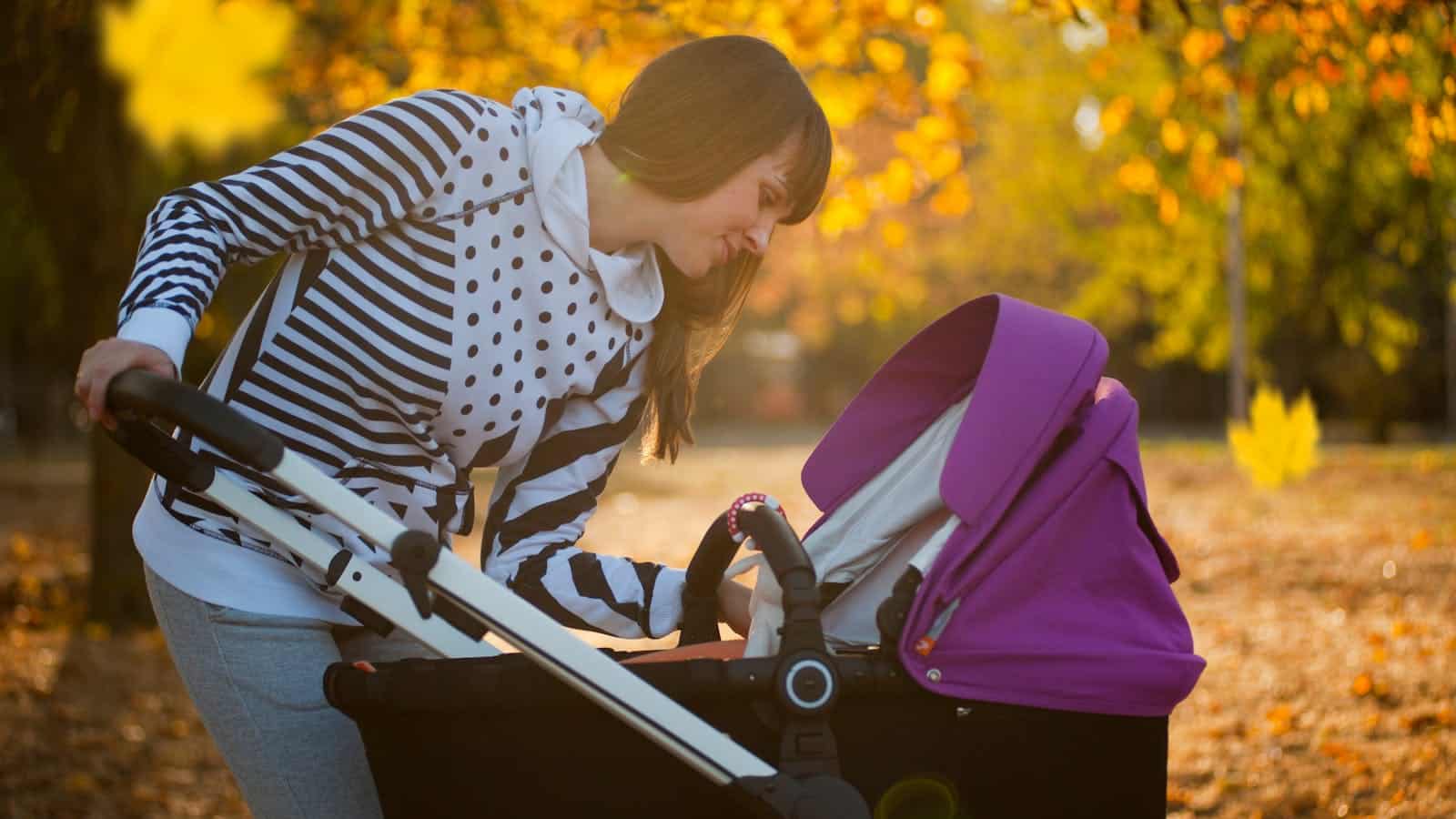
The most critical rule for any yard sale is the absolute ban on selling items that have been officially recalled. Federal law makes it illegal for anyone to sell a recalled consumer product, even if you are just a private citizen. You are expected to check the official government database before putting any older child gear out for sale.
Ignorance of a recall does not excuse a seller from the potential legal consequences. According to the Consumer Product Safety Commission, selling any recalled product violates the Consumer Product Safety Improvement Act. Ensuring the safety of the gear you sell is a vital part of your community responsibility.
Drop-side cribs

You might think an old crib is a great item to pass along to a new parent, but drop-side models are now completely forbidden. These cribs were banned from sale and manufacture over a decade ago due to serious safety flaws that caused infant fatalities.
The federal ban on these specific crib models covers both new and used sales transactions. Federal crib safety regulations enforced by the Consumer Product Safety Commission ban the sale, resale, and donation of drop‑side cribs in the United States regardless of their condition.
This rule was established to prevent old nursery furniture from recirculating into modern homes. Protecting infants is a priority that outweighs the small amount of money you might make from the sale.
Used bicycle helmets
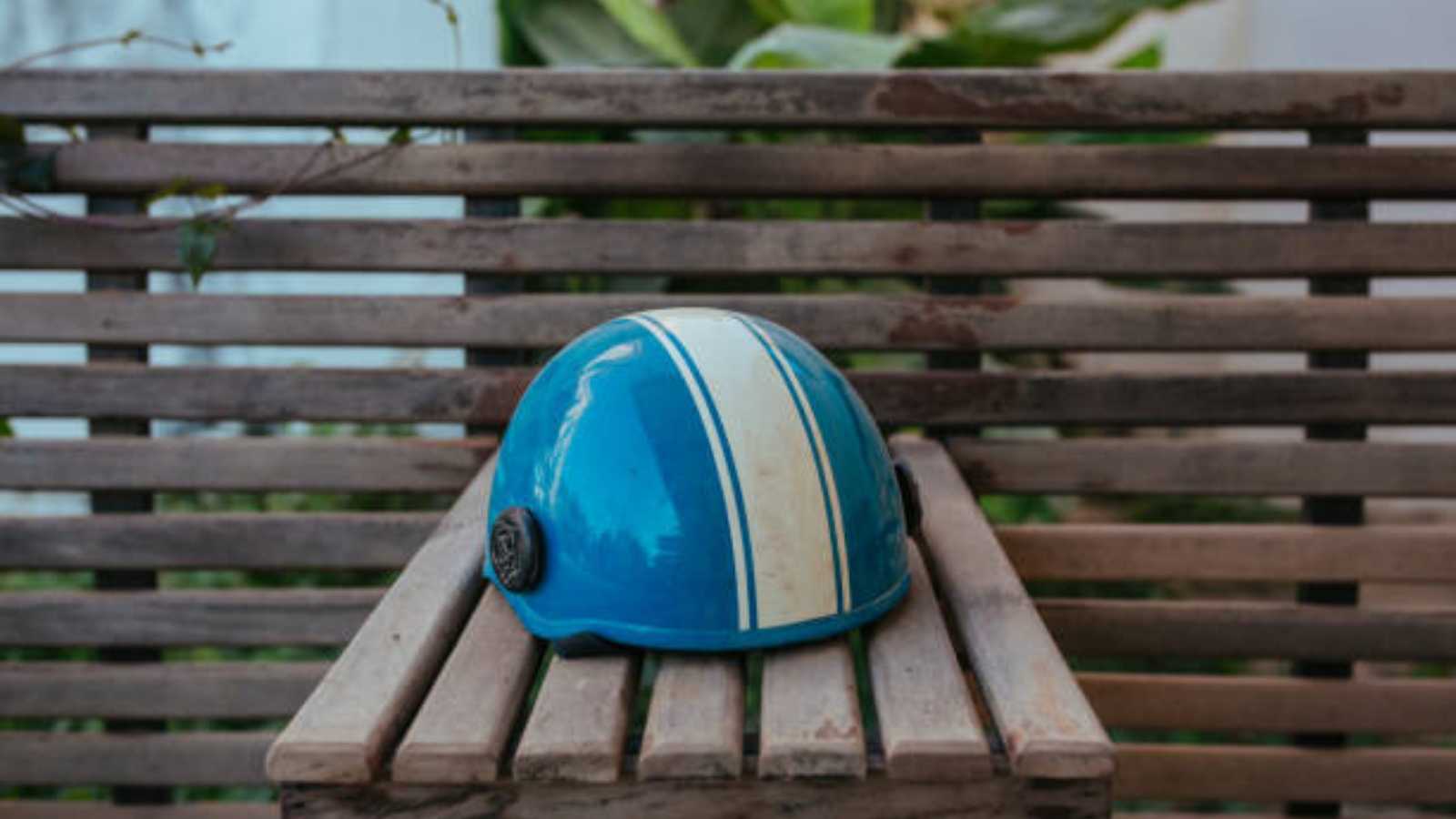
Bicycle helmets are designed to protect the head during a single impact and then be replaced immediately. When you sell a used helmet at a yard sale, the buyer has no way of knowing if the structural integrity has been compromised. Safety experts strongly advise against reselling these items, as they may no longer provide adequate protection.
A helmet that has been involved in a crash is effectively useless for future safety needs. The Bike Helmet Safety Institute notes that damage to the internal lining is often invisible to the naked eye but still renders the helmet unsafe.
Selling a compromised helmet could lead to a false sense of security for the new owner. The buyer should allocate their budget to a new, certified helmet from a reputable retailer.
Expired car seats
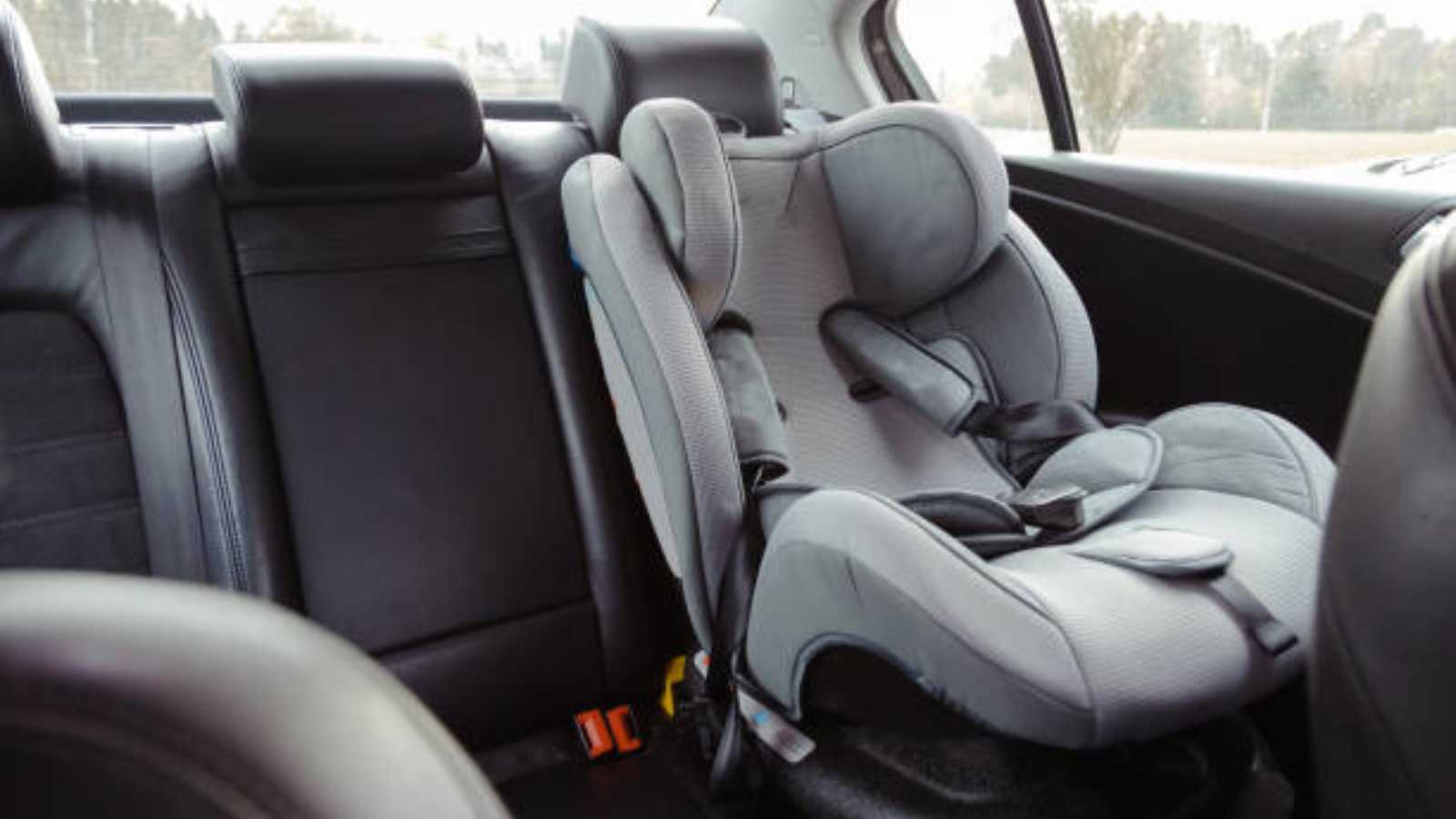
Car seats have expiration dates because the plastic materials degrade over time. Most manufacturers set an expiration limit of 6 to 10 years from the date of production. Selling an expired seat is a significant safety risk because the harness or shell may fail during a collision.
The dangers of using outdated restraints are reflected in national crash statistics involving families. According to the National Highway Traffic Safety Administration, properly used child safety seats can significantly reduce the risk of fatal injury in a passenger vehicle crash by about 71 % for infants and 54 % for toddlers.
Any seat that has been in a car crash must be discarded and never used again for child safety. It is safer to recycle the seat through a certified program than to risk a child’s life for a few dollars.
Homemade baked goods

Save this article
Selling snacks or treats might seem like a fun way to boost your earnings, but it is often prohibited without a permit. Many local health departments have strict “cottage food” laws that regulate the sale of home-cooked items to the public.
These rules ensure that food is prepared in a sanitary environment and is adequately labeled with allergen information. Violating these health codes can result in your entire sale being shut down by local authorities.
Health regulations vary by city, but most prohibit the sale of perishable items, such as meat or dairy-based treats, at yard sales. It is much safer to stick to selling your used household goods and avoid the legal headache of a kitchen inspection.
Used mattresses and upholstered furniture
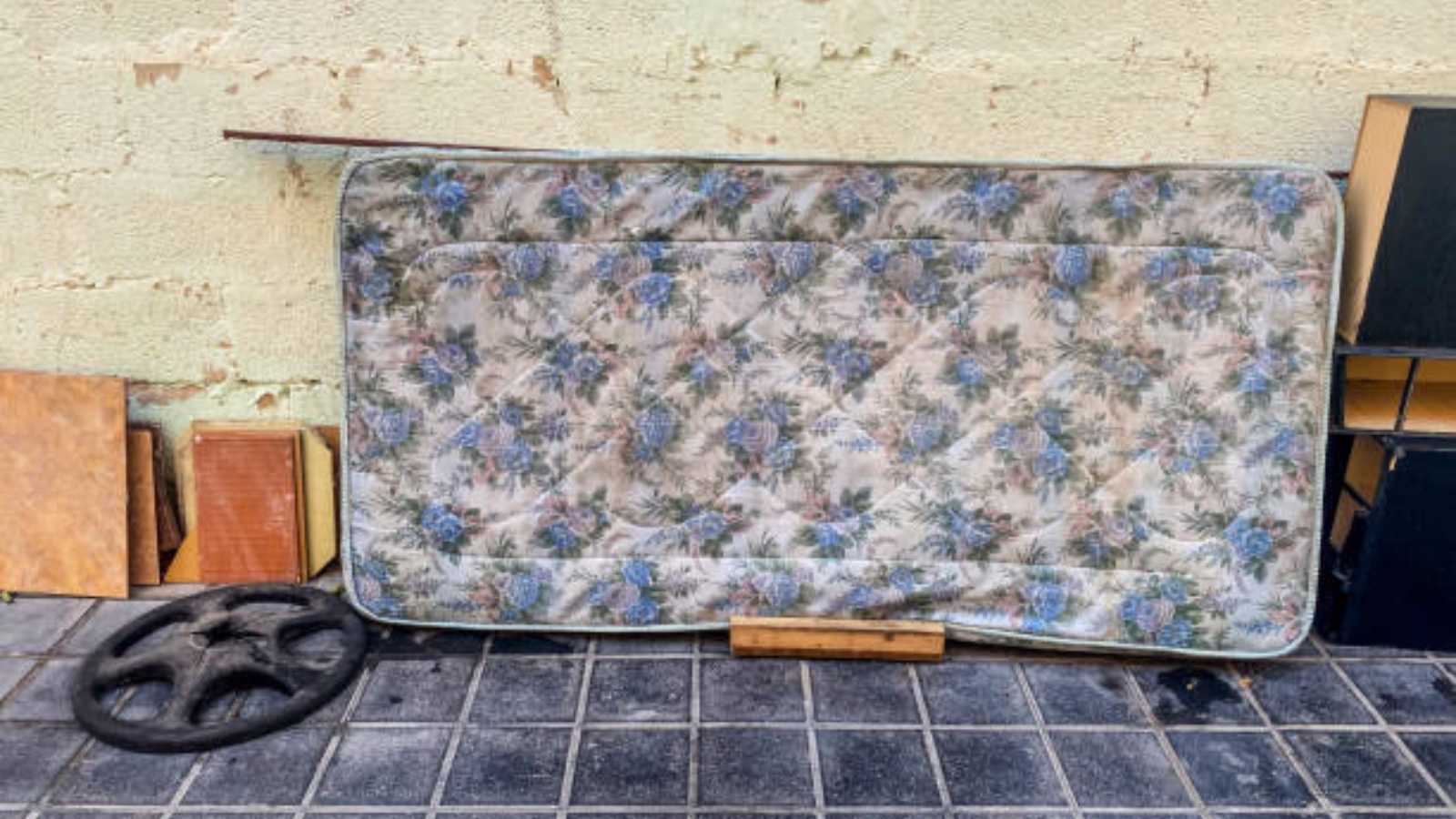
The risk of bed bugs is a major reason why many regions have strict rules about reselling mattresses and couches. These pests are incredibly difficult to eradicate once they enter a home and can easily hide in the seams of upholstered items.
In some states, it is actually illegal to sell a used mattress unless it has been professionally sanitized and labeled. This protects buyers from bringing unwanted infestations into their bedrooms.
Research on bed bug biology shows that these insects can survive for many months without feeding, and in cooler, low‑activity conditions, adults can endure close to a year or more without a blood meal. Most yard sale shoppers would rather skip these items than risk a costly pest-control bill on their grocery budget.
Invasive garden plants

If you are thinning out your garden, it might seem natural to sell the extra plants in small pots. However, many common garden plants are actually invasive species that can harm local ecosystems.
Some states have strict bans on the sale or transport of these plants to prevent them from taking over natural habitats. You must verify that your green friends are not on the restricted list for your specific area.
Invasive plants can quickly outcompete native species and destroy the balance of your local environment. Checking with a local nursery can help you identify which plants are safe for travel to a new yard.
Open cosmetics and toiletries

It might be tempting to sell that half-used bottle of expensive perfume or a box of opened lotions. However, selling open cosmetics poses a significant health hazard due to the risk of bacterial contamination. Once a product is opened and used, it can easily harbor germs that lead to skin or eye infections for the new owner.
Old makeup can also degrade and undergo chemical changes over time, making it unsafe for use on the skin. Safety experts warn that used or shared cosmetics can transmit harmful diseases if they have come into contact with another person’s skin.
Even if you think the product is nearly new, it is best to toss any opened beauty items into the bin. Buyers should never risk their personal health to save a few dollars on a used tube of lipstick or eye cream.
Outdated electronics and e-waste
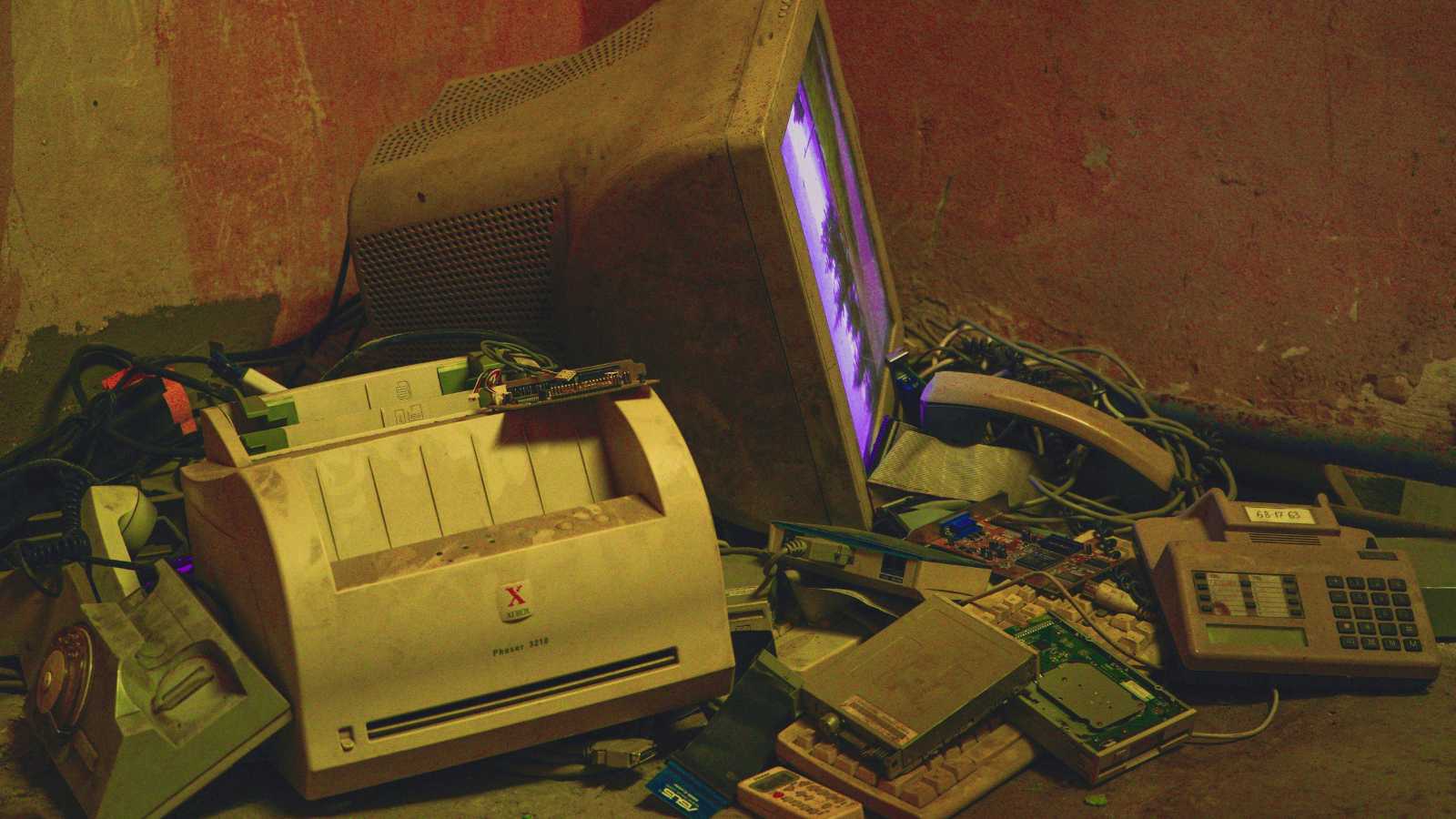
Old, bulky televisions and broken computers are familiar sights at yard sales, but they are often difficult to dispose of properly. Many of these items contain hazardous materials, such as lead or mercury, that should never end up in a landfill.
Most yard sale shoppers will walk right past a box of old cords and dead gadgets. Electronics make up a small portion of waste but contribute significantly to the levels of toxic materials in our soil.
It is much more efficient to take these items to a certified e-waste recycling center, where parts can be salvaged safely. Proper disposal is a wise choice that keeps your home clean and protects the environment for the future.
Key takeaways
Federal laws prohibit the sale of recalled products and unsafe nursery gear, such as drop-side cribs, at yard sales. Safety items like car seats and helmets should be discarded after their expiration date to protect buyers from hidden damage. Proper disposal of hazardous materials and adhering to health codes for food ensure your sale is legal and community-friendly.
Disclaimer: This list is solely the author’s opinion based on research and publicly available information. It is not intended to be professional advice.
Like our content? Be sure to follow us