

A healthy digestive system is essential for overall well-being, and the foods we eat have a major impact on how well our gut functions. Fruits are rich in dietary fiber, natural enzymes, and antioxidants that help regulate bowel movements, support beneficial gut bacteria, and ease digestion.
According to the Times of India, many fruits, such as pears, raspberries, apples, and bananas, are high in fiber. This fiber promotes regular bowel movements and supports a healthy gut microbiome.
These natural nutrients also help reduce bloating and prevent constipation by keeping food moving smoothly through the digestive tract. Including a variety of fruits in your diet can, therefore, be a simple and delicious way to maintain digestive health. Here are 10 fruits that aid digestive system health.
Apples

Apples support digestion by supplying soluble fiber, especially pectin, which feeds beneficial gut bacteria. Animal studies show apple-derived pectin can restore healthy gut microbiota and improve gut barrier markers disrupted by high-fat diets.
Human studies also report short-term improvements in microbiota composition and increased short-chain fatty acid production with pectin intake. These effects help increase stool bulk, improve regularity, and support overall gut comfort.
Pears
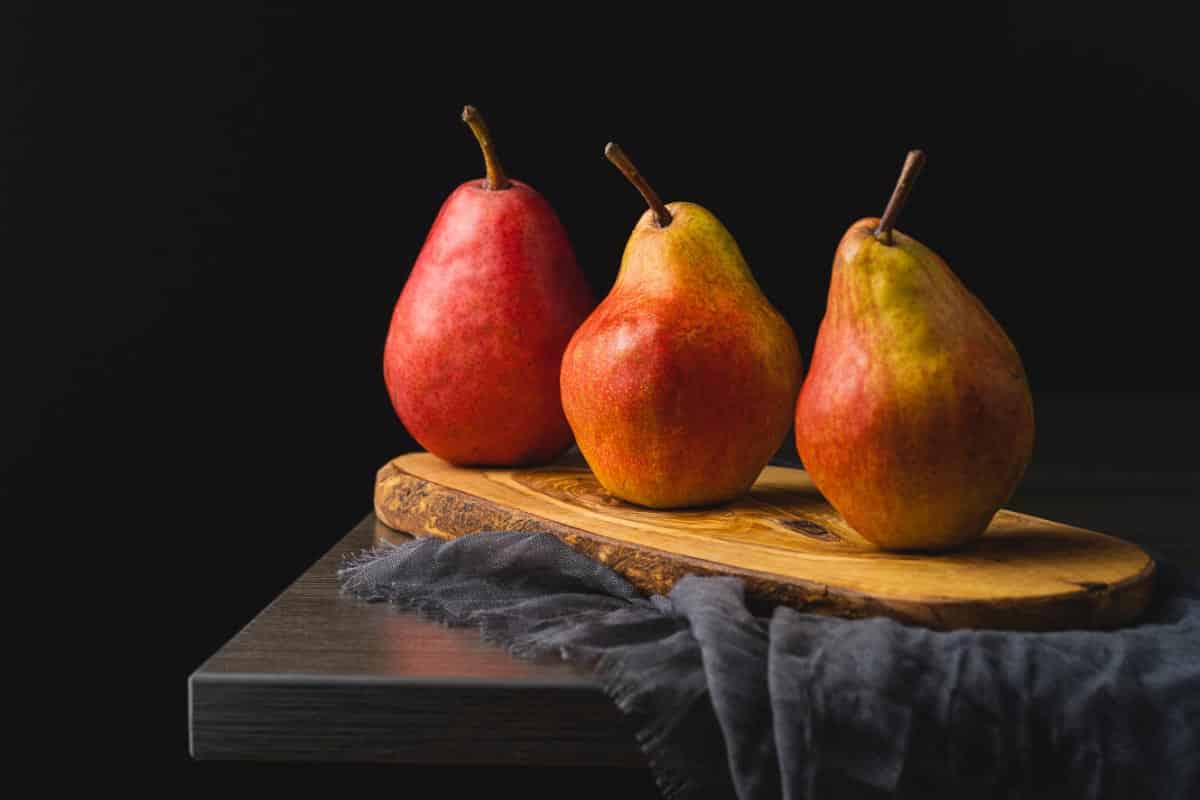
Pears promote digestive regularity through their high fiber and water content. One medium pear provides about 5–6 g of fiber, helping increase stool bulk and softness.
Soluble fibers in pears ferment in the colon to produce short-chain fatty acids that nourish colon cells. ScienceDirect reports that observational data consistently link higher fruit and fiber intake with a lower risk of constipation.
Bananas

Bananas support gut health by providing resistant starch and prebiotic fibers, especially when slightly green. Resistant starch ferments in the colon and increases short-chain fatty acid production, including butyrate.
Clinical trials link resistant starch intake with improved gut barrier function and bowel regularity. Bananas also supply soluble fiber that helps form soft, easy-to-pass stools.
Papaya

Papaya aids digestion through papain, a proteolytic enzyme that helps break down dietary proteins. Reviews describe papain as supporting digestive enzyme activity and easing gastrointestinal workload.
Papaya also provides fiber, water, and antioxidants that support bowel regularity and gut lining health. Many people report reduced bloating and constipation with papaya intake.
Pineapple

Pineapple supports digestion via bromelain, an enzyme complex that breaks down proteins. Bromelain shows documented protease activity and anti-inflammatory effects in the gastrointestinal tract.
Fresh pineapple contains the highest bromelain activity, especially in the core. Combined with fiber, it can help improve digestive comfort after protein-rich meals.
Save this article
Berries (raspberries, blackberries, strawberries)

Berries benefit digestion by pairing fiber with microbiome-active polyphenols. Raspberries and blackberries provide about 6–8 g of fiber per cup, supporting stool bulk and regularity.
Berry polyphenols reach the colon, where microbes convert them into beneficial metabolites. This process supports microbial diversity and short-chain fatty acid production.
Kiwi
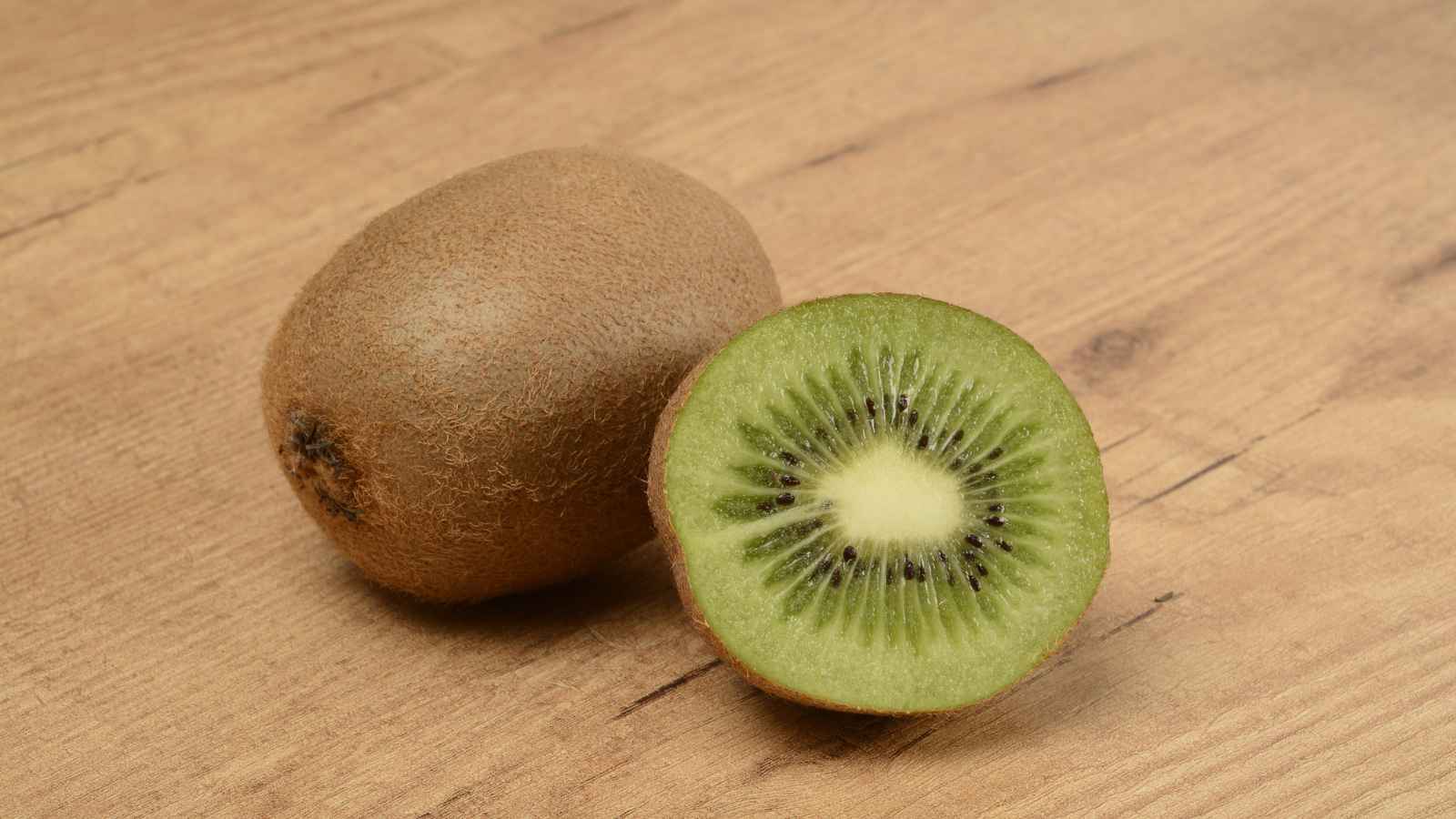
Kiwi supports digestion through fiber and the enzyme actinidin. The National Library of Medicine reports that eating two to three kiwifruits daily significantly increases complete spontaneous bowel movements and improves stool softness.
Gastroenterology experts now recognize green kiwifruit as an effective food-based option for mild constipation. Actinidin also enhances protein digestion and reduces post-meal discomfort.
Prunes (dried plums)

Prunes are well-studied for constipation relief due to their fiber, sorbitol, and polyphenols. ScienceDirect reports that prunes increase bowel movement frequency and improve stool consistency more than psyllium.
Sorbitol draws water into the colon while fiber increases bulk and motility. These combined effects make prunes especially effective for managing mild constipation.
Oranges and citrus fruits

Citrus fruits aid digestion through soluble fiber, particularly pectin, which helps regulate stool consistency. Reviews show pectin intake can soften stools and support balanced gut transit.
Citrus fibers also ferment into short-chain fatty acids that nourish colon cells. Eating whole citrus fruits provides more digestive benefits than juice alone.
Avocados

Avocados support digestive health by supplying both soluble and insoluble fiber. Half an avocado provides about 5 g of fiber, helping improve stool bulk and softness.
Insoluble fiber promotes movement through the gut, while soluble fiber feeds beneficial microbes. Healthy fats in avocados may also make stools easier to pass and reduce discomfort.
Disclosure: This article was developed with the assistance of AI and was subsequently reviewed, revised, and approved by our editorial team.
Disclaimer – This list is solely the author’s opinion based on research and publicly available information. It is not intended to be professional advice.
Like our content? Be sure to follow us.





