
Oxidative stress happens when harmful free radicals build up in the body and damage cells, tissues, and DNA. Eating antioxidant-rich foods (especially fruits) helps neutralize these free radicals and protect the body from oxidative damage.
According to the National Library of Medicine, higher fruit and vegetable intake increases antioxidant status and lowers markers of oxidative stress. Higher blood levels of antioxidant nutrients like carotenoids and tocopherols were also linked to lower oxidative stress markers in research on adults.
Many fruits contain powerful antioxidants such as vitamin C, carotenoids, and polyphenols that help defend against oxidative damage. These nutrients not only support cellular protection but also promote overall health by reducing inflammation and supporting normal body functions. Here are 10 fruits that help protect against oxidative stress.
Blueberries

Blueberries protect against oxidative stress due to their exceptionally high anthocyanin and total polyphenol content. The National Library of Medicine reports that blueberries have higher total antioxidant capacity, phenolic content, and flavonoid levels than strawberries and blackberries. Earlier surveys of fruits and vegetables also ranked blueberries among the highest for ORAC values.
About half a cup of blueberries provides roughly 200–400 mg of polyphenols that neutralize reactive oxygen species. Human studies show blueberry intake increases serum antioxidant capacity and reduces postprandial oxidative stress. Adding fresh or frozen blueberries to meals offers an easy way to strengthen antioxidant defenses.
Strawberries

Strawberries help protect against oxidative stress through vitamin C and diverse polyphenols. Antioxidant profiling shows strong scavenging activity against ABTS and DPPH radicals, though total capacity is slightly lower than that of blueberries. Intervention studies report increased serum antioxidant capacity after strawberry consumption.
Strawberries also enhance the resistance of LDL particles to oxidation following oxidative challenges. Their vitamin C regenerates other antioxidants and supports enzyme systems. Including strawberries in fruit bowls or smoothies boosts both water-soluble and polyphenolic antioxidant intake.
Pomegranates

Pomegranates are rich in punicalagins and ellagic acid, polyphenols with strong antioxidant and anti–lipid–oxidation effects. A randomized trial in pregnant women found that daily pomegranate juice reduced oxidative stress markers in placental tissue compared with apple juice. Laboratory work confirmed that punicalagin alone strongly reduced oxidative stress and cell death.
Analytical studies show punicalagin markedly lowers lipid peroxidation and free-radical damage. These findings support pomegranate as a potent antioxidant fruit in both cell and tissue models. Drinking pure pomegranate juice or adding arils to meals delivers these protective compounds.
Oranges

Oranges combat oxidative stress mainly through vitamin C and flavonoids such as hesperidin. Vitamin C directly scavenges reactive oxygen species and regenerates vitamin E, while immune cells concentrate it up to 100 times more than plasma. ScienceDirect reviews show that adequate vitamin C reduces lipid peroxidation during illness.
Orange flavanones add further antioxidant and metal-chelating effects. Together, these compounds help protect immune and vascular tissues. Eating whole oranges or moderate amounts of 100% juice increases antioxidant intake in a practical way.
Grapes

Grapes protect against oxidative stress through resveratrol and a wide range of polyphenols in their skins and seeds. Surveys show red and purple grapes have high antioxidant capacity linked to phenolic content. Grape polyphenols inhibit LDL oxidation and reduce oxidative stress markers such as malondialdehyde.
These compounds also enhance endogenous antioxidant enzymes like superoxide dismutase and glutathione peroxidase. Such actions protect lipids, proteins, and DNA from oxidative injury. Eating whole grapes or drinking modest amounts of grape juice provides these antioxidants naturally.
Save this article
Kiwi
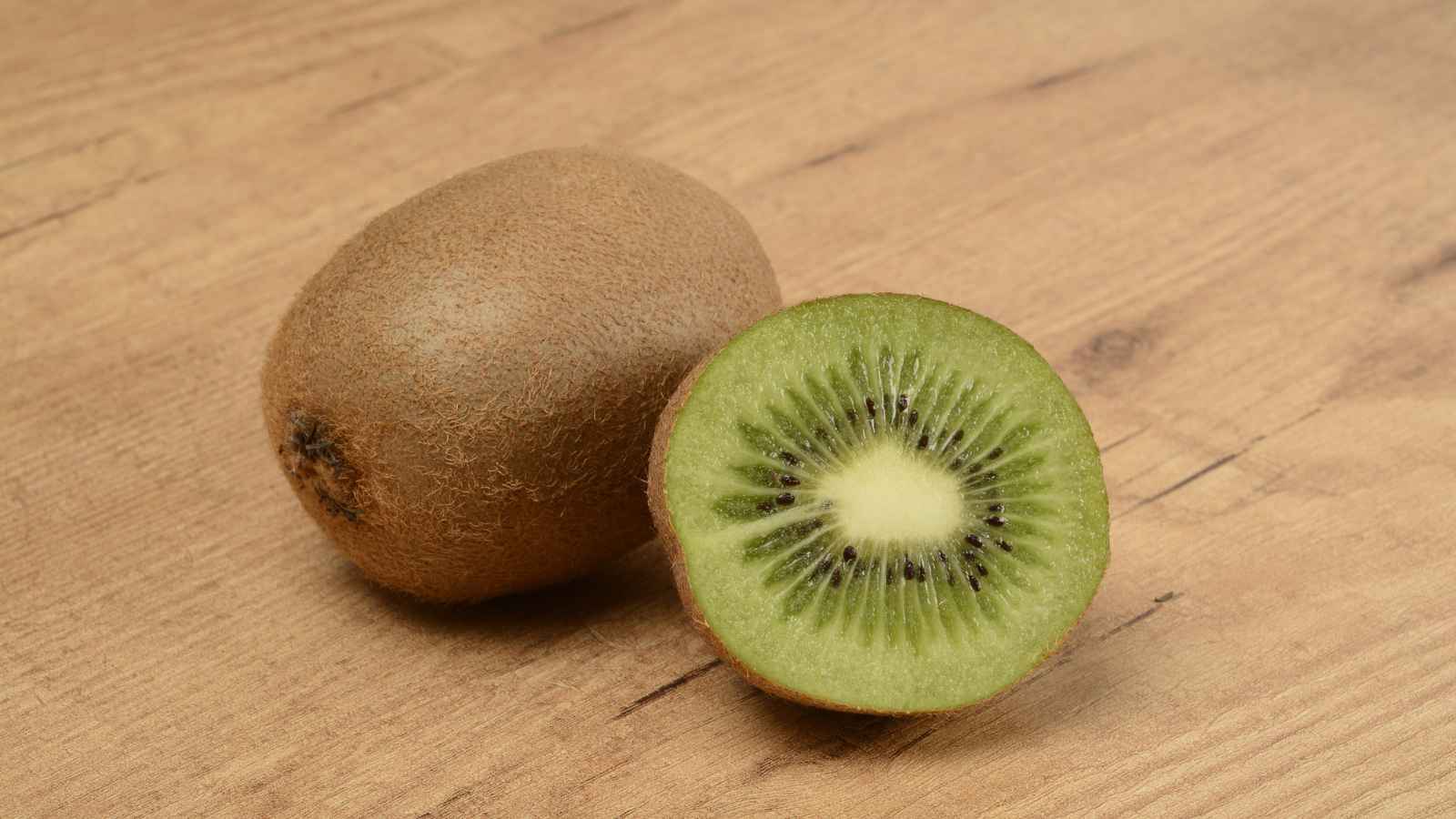
Kiwi delivers strong antioxidant protection through very high vitamin C, alongside vitamin E and carotenoids. One kiwifruit typically provides 70–85 mg of vitamin C, often meeting or exceeding adult daily recommendations. This substantially supports plasma and immune-cell antioxidant capacity.
Kiwi’s vitamin E and carotenoids help protect cell membranes from lipid peroxidation. Human trials report increased antioxidant capacity and reduced oxidative DNA damage with kiwi intake. Adding kiwi to meals supplies multiple synergistic antioxidants in one fruit.
Apples

Apples counter oxidative stress through flavonoids such as quercetin and several phenolic acids. The National Library of Medicine reports that apple polyphenols effectively scavenge superoxide and hydroxyl radicals. Animal and human studies link apple intake to reduced lipid oxidation and higher plasma antioxidant capacity.
Quercetin, catechins, and chlorogenic acid (especially concentrated in the peel) drive these effects. Apple-rich diets also correlate with lower oxidized LDL levels. Eating whole apples with the skin maximizes antioxidant delivery.
Cherries

Cherries, particularly tart varieties, provide anthocyanins that substantially reduce oxidative stress. The National Library of Medicine reports that tart cherry juice reduces oxidative muscle damage and inflammation after intense exercise.
These effects include reduced pain and faster recovery, reflecting lower oxidative injury. Tart cherry intake also increases plasma antioxidant capacity and reduces lipid peroxidation markers. Consuming cherries or tart cherry juice offers a flavorful antioxidant boost.
Papaya

Papaya protects against oxidative injury through vitamin C, beta-carotene, and lycopene. Lycopene studies show significant reductions in oxidized LDL and overall oxidative stress markers. Lycopene is also a highly effective singlet-oxygen quencher.
Papaya’s carotenoids and vitamin C work together to neutralize reactive oxygen species. Higher carotenoid intake is consistently linked with lower oxidative stress in population studies. Fresh papaya adds a tropical, antioxidant-rich option to the diet.
Mangoes

Mangoes protect against oxidative stress through vitamin C, beta-carotene, and the polyphenol mangiferin. MDPI reports that analyses show mango pulp and peel contain high levels of mangiferin and other phenolics with strong antioxidant activity. Experimental studies demonstrate potent radical-scavenging effects at low concentrations.
Animal research shows mangiferin increases antioxidant enzymes while reducing lipid peroxidation markers. These enzymes are central to endogenous antioxidant defense. Eating ripe mango or using mango in smoothies supplies vitamin C, carotenoids, and supportive polyphenols.
Disclosure: This article was developed with the assistance of AI and was subsequently reviewed, revised, and approved by our editorial team.
Disclaimer – This list is solely the author’s opinion based on research and publicly available information. It is not intended to be professional advice.
Like our content? Be sure to follow us.





