

Healthy blood pressure depends on balanced electrolytes, flexible blood vessels, and controlled inflammation. Clinical trials summarized by the National Library of Medicine show that fruit- and vegetable–rich DASH-style diets lower systolic blood pressure by about 5–6 mmHg overall. These diets reduce systolic pressure by more than 10 mmHg in people with hypertension.
Fruits actively support this effect by delivering potassium, magnesium, fiber, and polyphenols that promote vessel relaxation and sodium balance. The fruits on this list help support healthy blood pressure naturally while strengthening long-term cardiovascular health.
Bananas

Bananas support healthy blood pressure by providing a reliable source of potassium in a convenient, everyday fruit. A medium banana contains about 422–451 mg of potassium, supplying roughly 9–11% of the recommended daily intake of 4,700 mg. Potassium helps the kidneys excrete excess sodium and relax blood vessel walls, contributing to lower blood pressure over time.
The American Heart Association notes that potassium-rich diets help counteract sodium’s effects in hypertension management. Emerging research also suggests that improving the potassium-to-sodium ratio may be more effective than sodium reduction alone. Including one banana daily fits easily into a heart-healthy eating pattern.
Oranges

Oranges support blood pressure through potassium, vitamin C, and citrus flavonoids such as hesperidin. A medium orange provides about 237 mg of potassium (around 5–7% of daily needs) along with 68–83 mg of vitamin C. These nutrients help maintain normal blood vessel tone and reduce oxidative stress.
Vitamin C supports endothelial function, while hesperidin has been studied for its role in improving vasodilation. Whole oranges or moderate portions of 100% orange juice align well with DASH- and Mediterranean-style diets. Regular intake can support overall vascular health.
Berries (blueberries, strawberries, raspberries)

Berries support healthy blood pressure primarily through anthocyanins and other polyphenols, which help blood vessel function. Clinical trials indexed in the National Library of Medicine found significant reductions in systolic blood pressure, particularly among individuals with hypertension or cardiovascular risk factors. These effects are linked to improved nitric oxide availability and endothelial function.
Long-term observational studies associate higher berry intake with a lower risk of developing hypertension. Berries also provide fiber, vitamin C, and modest potassium. Adding a daily serving to meals or snacks can help regulate blood pressure.
Pomegranates

Pomegranates contribute to blood pressure control through their high polyphenol content and their influence on the renin–angiotensin system. The National Library of Medicine reported average reductions of about 4.96 mm Hg in systolic and 2.01 mm Hg in diastolic blood pressure with pomegranate juice intake. Most studies used daily doses of 50–200 mL.
Researchers attribute these effects partly to antioxidant activity and inhibition of angiotensin-converting enzyme (ACE). Some studies observed reductions in serum ACE activity of up to 36% after short-term intake. Moderate consumption of pure juice or fresh arils fits nicely into a heart-healthy diet.
Apples

Apples support blood pressure and vascular health through soluble fiber and flavonoids such as quercetin. A medium apple provides about 4.4 g of fiber, roughly 16% of the daily value, which supports cholesterol control and metabolic health. Quercetin has been studied for potential blood-pressure-lowering effects, with mixed but promising findings.
Observational studies link higher raw fruit intake, including apples, with lower blood pressure readings. Apples also supply modest amounts of potassium and vitamin C. Eating whole apples regularly supports cardiovascular health within balanced diets.
Watermelon

Save this article
Watermelon supports blood pressure through its L-citrulline content and high water composition. Clinical trials using watermelon extract or juice rich in L-citrulline showed reductions in systolic and diastolic blood pressure, particularly in people with prehypertension. These effects are linked to increased nitric oxide availability and improved arterial function.
Watermelon also provides potassium, typically 112–170 mg per cup, which supports fluid balance. Its low calorie density makes it suitable for hydration and weight management. Fresh watermelon can be a practical addition during warm or active periods.
Avocados

Avocados support blood pressure management due to their high potassium, magnesium, and monounsaturated fat content. A 100-g serving provides about 485–507 mg of potassium and around 29 mg of magnesium, both critical for vascular relaxation. These levels contribute meaningfully to daily mineral needs.
Avocados also supply heart-healthy monounsaturated fats that improve lipid profiles when replacing saturated fats. Reviews associate avocado-containing diets with improved cardiovascular risk markers. They fit well with both the DASH and Mediterranean dietary patterns.
Kiwi
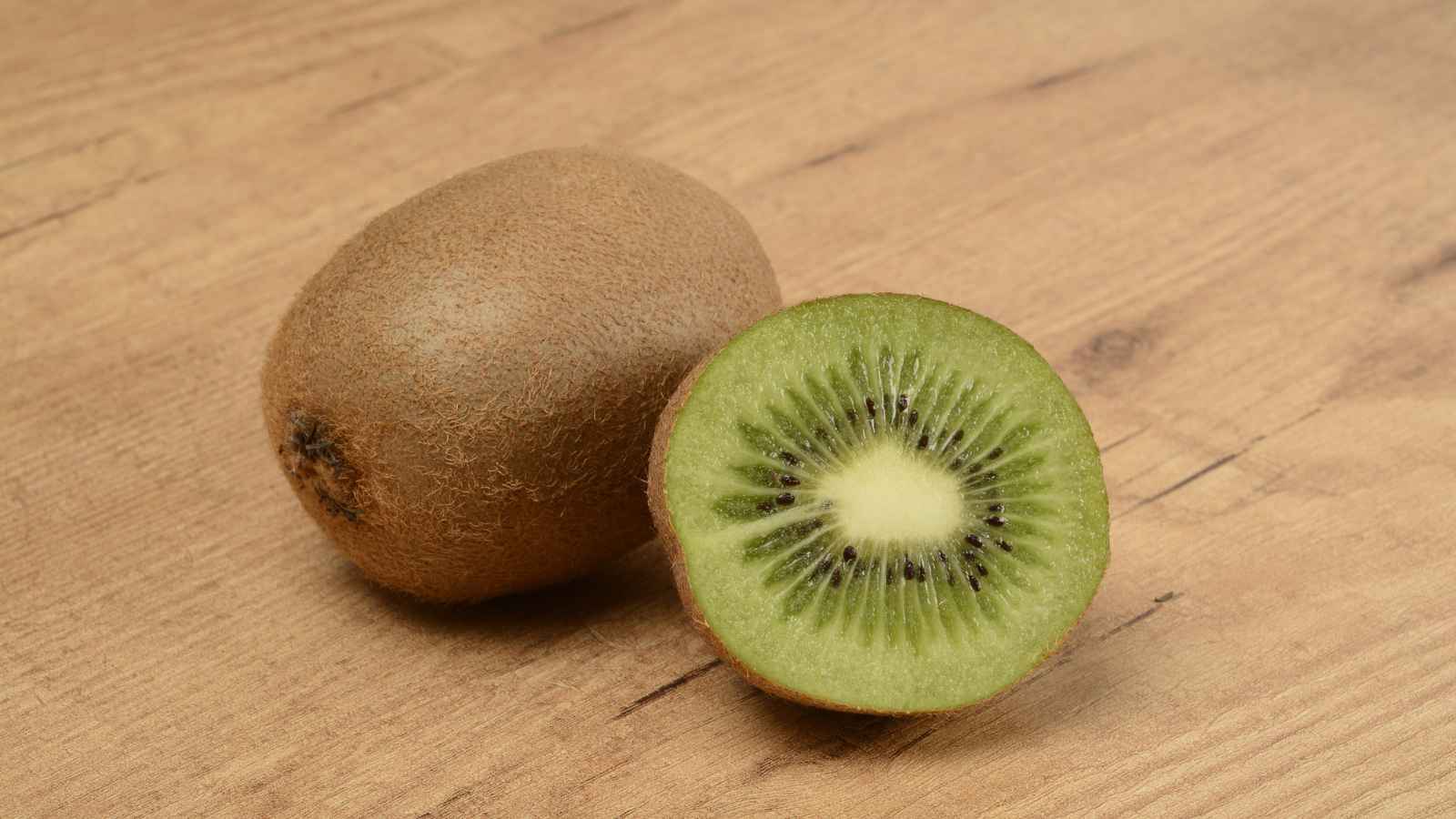
Kiwi fruit has clinical evidence supporting its role in lowering blood pressure. Clinical trials reported by the National Library of Medicine found significant reductions in systolic blood pressure. The most substantial effects appeared in people with hypertension or cardiovascular risk. Another study reported about a 3.7 mm Hg reduction in systolic pressure with daily intake.
Kiwi is rich in vitamin C, often exceeding 80–100 mg per 100 g, and also provides potassium and fiber. Antioxidant and ACE-inhibiting compounds may contribute to its effects. Regular consumption offers a simple dietary approach to supporting blood pressure.
Grapes

Grapes, particularly red and purple varieties, support vascular health through resveratrol and other flavonoids. Reviews show grape polyphenols improve endothelial function and enhance nitric oxide availability, promoting vasodilation. Direct blood pressure effects vary, but cardiovascular benefits are consistent.
Population studies link higher flavonoid intake with lower blood pressure and reduced heart disease risk. Grapes also supply small amounts of potassium and fiber. Including them as snacks or meal additions supports antioxidant intake.
Papaya

Papaya supports healthy blood pressure through potassium, vitamin C, and carotenoids. A 100-g serving provides about 182–223 mg of potassium and roughly 60–70 mg of vitamin C. These nutrients help protect blood vessels from oxidative stress.
Papaya also contains fiber, supporting cholesterol balance and weight control. The National Library of Medicine groups papaya among fruits beneficial for cardiometabolic health when eaten regularly. Fresh papaya fits easily into heart-supportive meal patterns.
Disclosure: This article was developed with the assistance of AI and was subsequently reviewed, revised, and approved by our editorial team.
Disclaimer – This list is solely the author’s opinion based on research and publicly available information. It is not intended to be professional advice.
12 Laws And Rules About Food In Other Countries

12 Laws And Rules About Food In Other Countries
Food is more than just nourishment; it’s a reflection of culture, tradition, and, in many cases, the law. Around the world, various countries have established distinct food regulations that may surprise travelers and food enthusiasts alike.
These laws reveal how deeply societies value what ends up on their plates. Here are 12 fascinating food laws and rules from around the globe that show just how diverse and sometimes unexpected our relationship with food can be.





