Muscle recovery depends on how quickly the body repairs exercise-induced muscle damage and clears inflammation. Clinical studies indexed by the National Library of Medicine show that tart cherry consumption significantly reduces muscle soreness after strenuous exercise. These studies also report less strength loss compared with a placebo.
Fruits support this recovery process by delivering fast-acting carbohydrates, vitamin C, potassium, and polyphenols that reduce oxidative stress and promote muscle repair. Here are 10 fruits that support muscle recovery.
Tart Cherries

Tart cherries are widely recognized for muscle recovery due to their high anthocyanin content, which helps reduce exercise-induced inflammation. Studies show that consuming tart cherry juice for at least seven days significantly lowers delayed onset muscle soreness (DOMS) and muscle damage markers after intense exercise.
Systematic reviews and meta-analyses report reduced soreness and faster functional recovery within 24–72 hours post-training. Evidence suggests tart cherries are most effective when consumed consistently around heavy training periods rather than as a single dose.
Bananas

Bananas provide an efficient post-exercise fuel thanks to their carbohydrate and electrolyte content. One medium banana delivers about 27 grams of carbohydrates and roughly 422 milligrams of potassium, helping replenish glycogen and restore fluid balance.
Potassium supports normal muscle function and may reduce cramp risk when paired with adequate hydration. Bananas are easy to digest, portable, and pair well with protein sources like yogurt for recovery.
Pineapple

Pineapple supports recovery through bromelain, a group of enzymes known for their anti-inflammatory effects. The National Library of Medicine reports that bromelain can reduce inflammatory mediators involved in pain and swelling after tissue stress.
Clinical trials report reduced postoperative pain and swelling with the use of bromelain or pineapple extract. These properties may help athletes manage muscle and joint discomfort when pineapple is included regularly alongside protein intake.
Oranges

Oranges aid muscle recovery mainly through their high vitamin C content, which supports collagen formation and connective tissue repair. One medium orange provides about 83 milligrams of vitamin C, covering over 90% of daily needs.
Vitamin C also acts as an antioxidant, helping counter exercise-induced oxidative stress. Oranges also provide potassium and small amounts of calcium, which support muscle contraction and neuromuscular function.
Watermelon

Watermelon contributes hydration and L-citrulline, an amino acid involved in nitric oxide production and blood flow. Studies in the National Library of Medicine show that watermelon juice, providing 3–6 grams of L-citrulline, raises plasma citrulline levels and reduces post-exercise soreness.
Repeated or higher doses appear more effective than single servings for recovery benefits. Watermelon’s fluid and natural sugar content also support rehydration and glycogen restoration after long workouts.
Blueberries

Save this article
Blueberries are rich in polyphenols that help reduce oxidative stress following intense exercise. Controlled studies show faster recovery of muscle strength and increased antioxidant capacity when blueberries are consumed around training.
Long-term intake has also been linked to lower levels of pro-inflammatory compounds during recovery. These effects suggest that blueberries help create a less inflammatory environment during muscle repair.
Avocados

Avocados support recovery through healthy fats, potassium, and magnesium. One medium avocado provides about 58 milligrams of magnesium and significant potassium, both important for muscle relaxation and nerve signaling.
Their monounsaturated fats help regulate inflammation and support cell membrane health. Avocados also slow digestion slightly, providing steadier energy when paired with carbohydrates post-workout.
Papaya

Papaya aids recovery by supplying papain, a proteolytic enzyme that helps break down dietary protein. This may support the digestion of higher-protein meals commonly eaten after exercise.
Papaya is also rich in vitamin C and beta-carotene, which support collagen synthesis and antioxidant defense. Its fiber content further supports gut health and nutrient absorption during recovery.
Kiwi
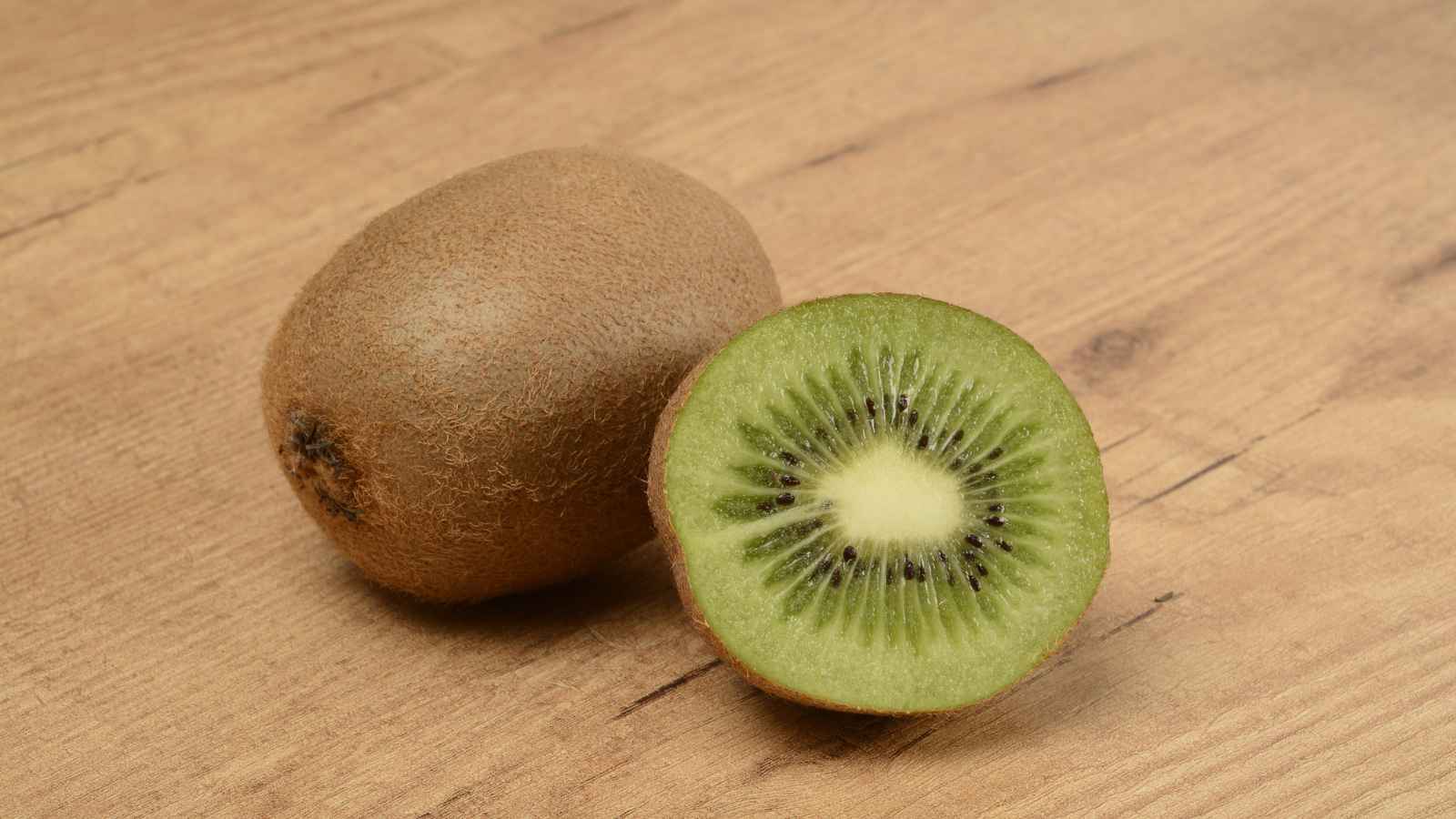
Kiwi delivers exceptionally high levels of vitamin C, often ranging from 80 to over 160 milligrams per 100 grams, depending on variety. This means one to two kiwis can easily meet or exceed daily vitamin C requirements.
Vitamin C supports collagen production and antioxidant protection, while vitamin E and polyphenols add cellular support. Kiwi also provides potassium and fiber for electrolyte balance and digestive health.
Grapes

Grapes contain polyphenols such as resveratrol and quercetin that help regulate inflammation and support mitochondrial function. The National Library of Medicine links resveratrol intake with reduced muscle pain and faster recovery of muscle damage markers.
Whole grapes also provide natural sugars and water to aid glycogen replenishment and hydration. Their antioxidant profile makes them a practical whole-food option for supporting recovery alongside protein intake.
Disclosure: This article was developed with the assistance of AI and was subsequently reviewed, revised, and approved by our editorial team.
Disclaimer – This list is solely the author’s opinion based on research and publicly available information. It is not intended to be professional advice.
25 Ways to Lose Weight Without Exercise

25 Ways to Lose Weight Without Exercise
I’m here to let you know that losing weight without becoming a fitness enthusiast is definitely achievable. You won’t need to sweat excessively, just a little bit (after all, we all have to walk to the fridge, don’t we?). Here are 25 ways to lose weight without exercising.