
Ever walked into your local grocery store, excited to grab your usual snacks, only to find out they’ve been pulled from the shelves? I’ve been there. Recently, I went to grab my favorite protein bars, only to see signs warning about harmful additives. Suddenly, it seemed like more and more familiar products—even trusted brands—were being recalled or banned.
According to the Centers for Disease Control and Prevention (CDC), 1 in 6 Americans—that’s about 48 million people—suffer from foodborne illnesses every year, leading to 128,000 hospitalizations and 3,000 deaths. With food safety risks like salmonella and norovirus constantly in the spotlight, it’s no wonder shoppers are starting to question what’s really safe.
Discover these 10 grocery items that have been banned recently, and why consumers are feeling more frustrated than ever about the state of our food supply. You might just be surprised by what’s on the list!
Coca-Cola’s ‘backyard’ ingredients

Coca-Cola has faced significant backlash for containing ingredients banned in certain countries due to health risks. One example? The controversial chemical BVO (brominated vegetable oil) was once used to stabilize citrus-flavored sodas.
A study found that BVO can accumulate in the body, potentially causing health issues such as memory loss and skin problems. As a result, countries like the European Union and Japan have already banned the chemical.
Due to these concerns, the U.S. Food and Drug Administration (FDA) finalized a rule to ban BVO as a food additive in July 2024, with manufacturers given until August 2025 to comply. Before then, American consumers were still left trying to figure out how to enjoy a Coke guilt-free.
Mercury-contaminated canned fish
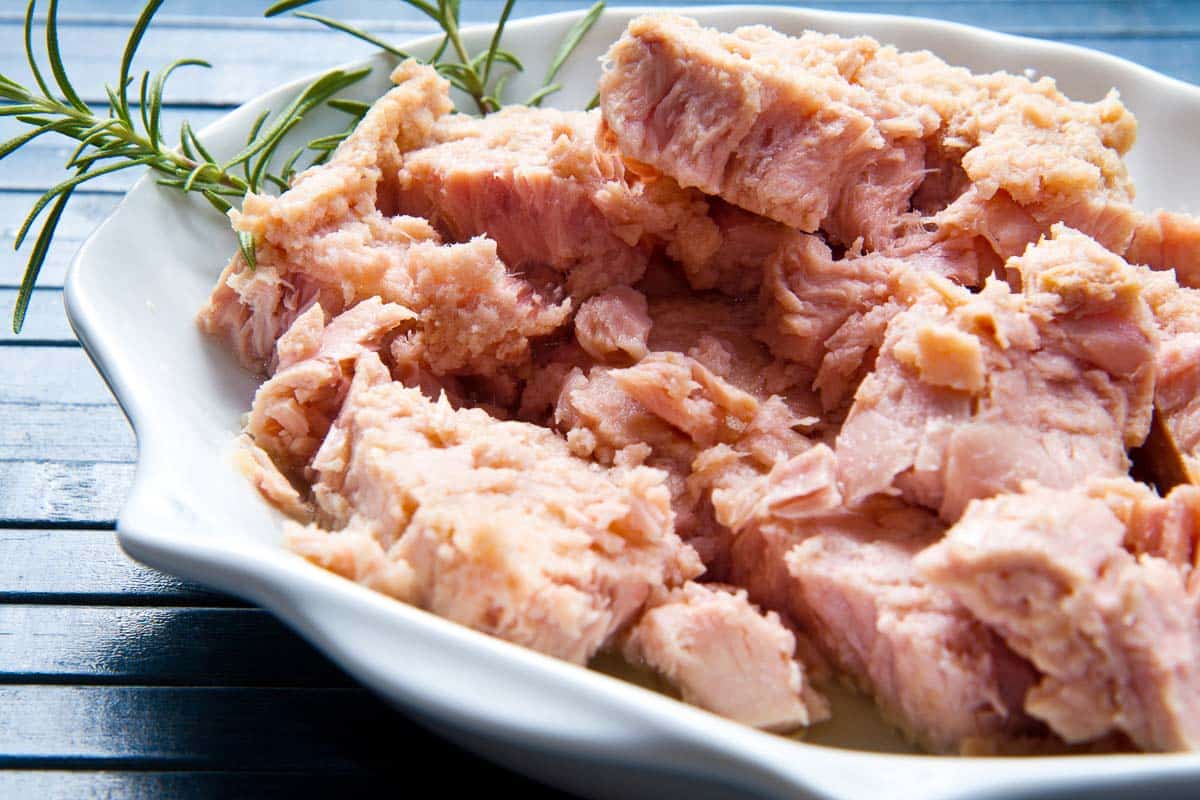
A mercury contamination scandal has triggered the recall of popular canned fish products, prompting consumers to rethink their seafood choices. For those looking to replace these staples, fresh, sustainably sourced alternatives like trout or mackerel offer similar nutritional benefits.
Grilling or smoking these options can bring out their natural flavors. These fish can be easily incorporated into pasta or salads, providing quick, healthy meals without the health risks associated with contaminated canned options.
Kinder Surprise eggs

Ah, Kinder Surprise eggs—those delightful little chocolate treats that open to reveal a surprise toy inside. Sounds like a kid’s dream, right? Unfortunately, the U.S. has banned these eggs for over 20 years under a rule prohibiting “non-food items” in edible goods.
The small toys inside the eggs are considered a choking hazard. It might seem like overkill, but safety first, especially when it comes to little ones. (Does anyone else feel like they’re missing out on a childhood rite of passage?)
Sugary breakfast cereals

These are becoming a thing of the past, and many breakfast lovers aren’t happy about it. Health initiatives are cracking down due to concerns over childhood obesity and poor nutrition.
In response, home cooks are getting creative, turning to healthier alternatives like granola made with oats, nuts, and dried fruits. A touch of honey or spices can add flavor naturally, while yogurt or milk keeps that satisfying crunch. It’s a shift that challenges us to find tasty, healthier ways to enjoy breakfast.
Nestlé’s Maggi noodles (India)

When nestlé’s Maggi noodles were pulled from the shelves in India back in 2015, it caused an uproar. The reason? The noodles were found to have excessive lead content, which is linked to serious health risks, including brain damage and kidney failure.
Maggi noodles are a staple snack in many households worldwide, so the ban sent shockwaves through the food industry. After a recall and further testing, the brand promised to reformulate and ensure safety—but consumers haven’t exactly forgotten the incident.
Hershey’s products in the UK
Save this article
In June 2025, the UK’s Food Standards Agency ordered an urgent recall of several Hershey-made Jolly Rancher products after tests detected mineral oil hydrocarbons (mosh and moah). These substances are not permitted in food under UK law due to potential health risks.
The recall covered Jolly Rancher hard candy, gummies, and chews. The FSA advised consumers not to eat the affected products, underscoring how even familiar snacks can be pulled from shelves when they fail to meet safety standards.
Raw milk cheese (France)

In mid‑2025, countries such as the UK and Canada introduced temporary import restrictions on raw‑milk cheeses from France, Italy, and Switzerland following confirmed outbreaks of lumpy skin disease (lsd) in cattle.
The UK suspended imports of unpasteurised and thermised cheeses beginning 1 July 2025, while Canada restricted unpasteurised cheeses made from milk collected after each country’s restriction date.
Although French schools halted the serving of raw‑milk cheeses to young children after a 2024 Salmonella outbreak, France continues to produce and sell its traditional raw‑milk cheeses. National efforts have instead focused on controlling lsd through vaccination and protective housing, while maintaining internal market availability.
Red Bull in France

Red Bull was banned in France for 12 years, from 1996 until 2008. Why? Because of the controversial caffeine and taurine blend, which the French authorities believed could pose health risks, particularly when consumed in large amounts.
This ban stirred up quite a bit of drama among energy drink lovers, especially since Red Bull was already a global success. After some regulatory changes, the ban was lifted, but the damage to the brand’s European reputation was done.
Whale meat

Commercial whaling has been under a global moratorium since 1986, set by the International Whaling Commission (IWC). However, countries like Japan, Norway, and Iceland continue to practice it, citing cultural or scientific reasons. Despite this, they face international criticism and trade restrictions for their actions.
CITES (the Convention on International Trade in Endangered Species) bans international trade in many whale products; these three countries have reservations that allow some trade. This has become increasingly controversial, mainly since some of the whale meat involved is often found to be toxic, raising significant health concerns.
Additives in protein bars

Recent concerns about additives in protein bars, such as artificial sweeteners and preservatives, have led to recalls of several popular brands. These ingredients improve taste and shelf life, but they also raise health concerns.
As a result, consumers are seeking cleaner options. Home cooks can replicate these snacks with whole ingredients like nuts, dates, and oats, offering a natural protein boost without synthetic additives and ensuring a healthier, balanced option.
Disclaimer – This list is solely the author’s opinion based on research and publicly available information. It is not intended to be professional advice.
Disclosure: This article was developed with the assistance of AI and was subsequently reviewed, revised, and approved by our editorial team.
7 Morning Rituals Women Swear By for More Energy and Confidence

7 Morning Rituals Women Swear By for More Energy and Confidence
Morning rituals don’t have to be complicated. A glass of water, a quick stretch, five minutes with your journal — these small things stack up to create significant change. Women who build these habits aren’t just “morning people”; they’re people who decided to take charge of their first hour of the day.





