

You feel your heart racing, your palms sweating, and your mind spinning out of control. A big deadline is coming up, your boss hands you another task, and your inbox keeps filling up. In these moments, stress seems unavoidable—and it comes at a considerable cost.
According to the American Institute of Stress, workplace stress costs the U.S. economy over $300 billion annually due to absenteeism, turnover, and lost productivity.
Yet some people handle these situations with calm and focus. Their secret isn’t having less pressure, but building habits that make them more resilient. This guide shares ten daily practices that help you stay steady under stress so that you can do the same.
They reframe negative thoughts

Staying calm often starts with how you talk to yourself. People who excel under pressure are adept at adjusting their perspective on a stressful situation. Rather than seeing a challenge as a threat, they view it as an opportunity to grow.
According to a study by Harvard Business School, participants who reappraised their anxiety as excitement via a simple self-statement, “I am excited,” performed better in tasks, including public speaking and math.
This method leverages the similarity between anxiety and excitement in the body, enabling people to channel that energy in a positive direction. With this mindset, stress can become motivation and lead to better results.
They practice mindful breathing

When stress hits, the heart rate spikes, breathing quickens, muscles tense, and the brain releases a surge of stress hormones, such as cortisol and adrenaline, to prepare the body for action. Calm individuals counter this by consciously activating their parasympathetic nervous system through deep, controlled breathing.
Stanford neuroscientist Dr. Andrew Huberman, “Physiological sighs”—a pattern of two sharp inhales followed by a long exhale—are the fastest known way to bring the body and mind back to a state of calm
This practice helps slow your heart rate and quickly lowers anxiety. Practicing these breathing techniques daily can increase your resilience and improve your ability to handle stress.
They get enough sleep

Never underestimate the power of a good night’s rest. The link between sleep and emotional regulation lies in the brain’s ability to process and manage emotions.
A 2023 study from the University of California, Berkeley, found that a single night of poor sleep can increase anxiety by up to 30%. Sleep deprivation impairs the prefrontal cortex, which is responsible for logical reasoning and impulse control, making it harder to manage stress.
People who stay calm ensure they get 7 to 9 hours of sound sleep each night. They view sleep as essential for their mental and emotional well-being. By treating sleep as crucial, they set themselves up to handle whatever comes their way.
They prioritize tasks ruthlessly

Feeling overwhelmed often comes from having too much to do and no clear plan. Calm people tackle this by being strict about what comes first. They don’t just make to-do lists—they figure out what really matters and focus on the most critical tasks.
They stay organized and prevent decision fatigue from overanalyzing less critical tasks. By focusing on what matters, they create a clear path toward their goals, free from distractions.
They set clear boundaries

The ability to say “no” is key to managing pressure. People who remain calm under pressure know their limits and protect their time and energy by setting firm boundaries. This could mean declining extra projects, limiting after-hours work communication, or scheduling downtime without guilt.
The American Psychological Association’s 2023 “Work in America” survey found that 57% of employees experienced negative impacts due to work-related stress, highlighting the need for better work-life boundaries.
By setting clear limits, they maintain control over their schedules and avoid burnout. This isn’t about refusing to help others—it’s a smart way to make sure they have energy for what matters most.
They practice detached mindfulness

Detached mindfulness involves noticing your thoughts and feelings without getting caught up in them. Calm people view stress as something temporary, rather than as an inherent part of their identity. This practice can lower anxiety and help you adapt more easily.
Save this article
It’s like watching clouds move across the sky—you see them, but you don’t become the cloud. Keeping this distance helps you respond calmly instead of reacting on impulse, so minor stressors don’t turn into bigger problems.
They prepare for worst-case scenarios

It may seem counterintuitive, but preparing for the worst can actually help you feel calmer. This method, known as negative visualization, has been employed by both Stoic thinkers and astronauts. By thinking through potential risks and creating a plan, people feel more in control and less worried about what might happen.
A CEO preparing for a significant product launch might spend time brainstorming potential failures—a server crash, bad press, low sales—and creating contingency plans for each. When a problem does arise, they’re ready to execute a plan instead of panicking.
They exercise regularly

Physical activity and mental health are closely linked, and exercise is an effective way to reduce stress, boost your mood, and manage emotions. In fact, a 2023 study in the British Journal of Sports Medicine found that exercise works even better than counseling or medication for managing depression, anxiety, and stress.
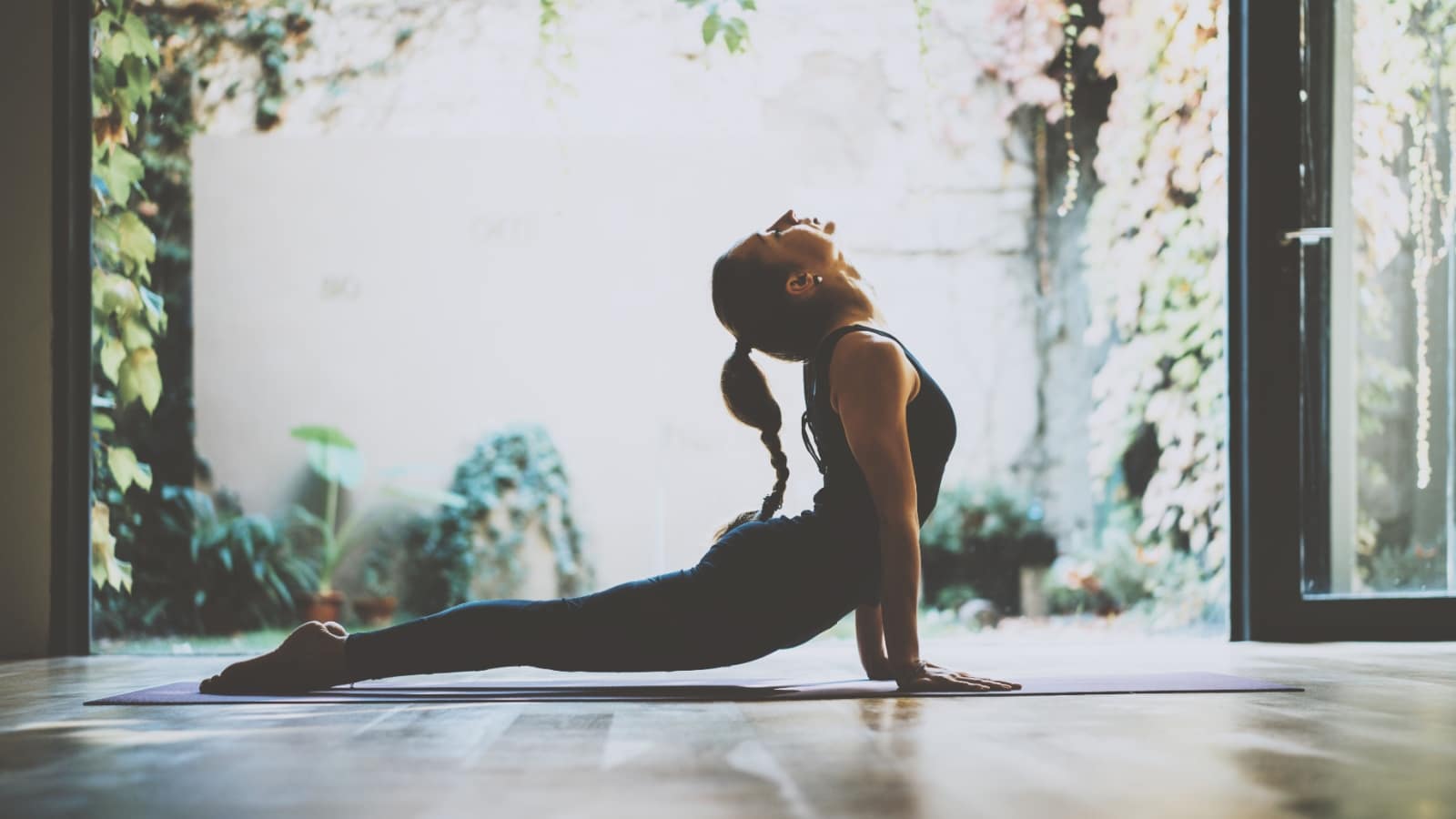
People who stay calm don’t treat exercise as just another task—they see it as a way to take care of their minds. Whether it’s a walk, yoga, or a challenging workout, they make sure to move regularly so they always have a healthy way to handle stress.
They focus on what they can control

A significant portion of our stress stems from worrying about things we can’t change. Calm people are good at distinguishing between what they can control and what they can’t. They put their energy into what they can actually influence.
For example, when the stock market is unpredictable, a savvy investor doesn’t stress over things they can’t change. Instead, they focus on their own strategy, risk limits, and long-term goals. This helps them avoid emotional decisions and feel more in control, even when things are uncertain.
They build a strong support system

No one can handle everything alone, especially during stressful times. Having friends, family, or mentors to lean on is essential. Being connected to others helps you manage stress and talk through challenging emotions.
Neuroscientist Matthew Lieberman demonstrates that social connection is crucial for maintaining health. Don’t hesitate to lean on their support system. They understand that sharing their burdens makes them lighter, and gaining an outside perspective can often illuminate a path forward they couldn’t see on their own.
Key takeaways
Staying calm when things get tough isn’t something you’re born with—it’s a skill you build through daily habits. By changing your perspective, practicing mindfulness, and focusing on what truly matters, you can become stronger and better equipped to handle any challenge.
These habits help you take charge of your reactions, use your energy wisely, and stay clear-headed. Try adding one or two of these practices to your daily routine. With time, you’ll build the resilience not just to get by, but truly thrive under pressure.
Disclaimer – This list is solely the author’s opinion based on research and publicly available information. It is not intended to be professional advice.
7 Morning Rituals Women Swear By for More Energy and Confidence

7 Morning Rituals Women Swear By for More Energy and Confidence
Morning rituals don’t have to be complicated. A glass of water, a quick stretch, five minutes with your journal — these small things stack up to create significant change. Women who build these habits aren’t just “morning people”; they’re people who decided to take charge of their first hour of the day.
Why Your Daily Coffee Could Be the Secret to Better Wellness

Why Your Daily Coffee Could Be the Secret to Better Wellness
Coffee is more than a pick-me-up. It’s a beverage linked to improved brain health, metabolic strength, heart resilience, and even a longer life. With antioxidants and plant compounds working alongside caffeine, it’s no wonder researchers call it one of the most powerful wellness drinks available.