

For months, I brushed off my constant fatigue and groggy mornings as the result of a busy life. I chugged coffee, powered through my days with dwindling energy, and told myself it was normal to feel this drained. But when the tossing and turning at night turned into hours of sleepless frustration and anxiety over what the next day would bring, I knew something wasn’t right.
It wasn’t until I experienced frequent headaches, trouble concentrating, and a persistent sense that my body wasn’t recovering that I realized my sleep struggles could be a sign of something more serious.
According to recent surveys, more than one-third of American adults regularly skimp on sleep, while up to 28% report clocking just six hours or less each night.
“You wouldn’t ignore your car’s engine light—so why ignore warning signs in your sleep?” says Dr. Emer MacSweeney, a leading consultant neuroradiologist. So let’s talk about the eight sleep warning signs that should have you picking up the phone to call your doctor.
You’re Constantly Exhausted Despite “Getting Enough” Sleep

This one hits close to home for so many people. You’re clocking your seven to eight hours like a good little sleep soldier, but you still feel like you’re running on empty all day long.
Persistent fatigue can signal sleep apnea or narcolepsy – conditions that mess with your sleep quality even when you think you’re getting plenty of shut-eye. Dr. Deborah Lee warns, “Chronic fatigue can be a sign of sleep disorders that prevent restful, restorative sleep, leaving you exhausted even after eight hours.”
The National Sleep Foundation’s 2025 Sleep in America® Poll shows that 60% of adults aren’t regularly getting the recommended sleep amount. But even more telling? Over two-thirds struggle to fall asleep at least some nights. Your body might be in bed, but it’s not actually resting.
What you can do: Track how you feel after sleep, not just how long you slept. If you’re consistently tired after what should be adequate rest, it’s time to talk to a healthcare provider.
Falling Asleep or Staying Asleep Feels Impossible

Staring at the ceiling for hours? Waking up multiple times and struggling to get back to sleep? This isn’t just frustrating – it could be your body waving a red flag.
Trouble with sleep initiation or maintenance often points to insomnia, anxiety, depression, or circadian rhythm disorders. The National Sleep Foundation’s 2025 poll found that nearly 50% of U.S. adults wrestle with staying asleep at least three nights a week, and almost 40% struggle to fall asleep regularly. On a global scale, over 16% of adults—more than 850 million people—experience clinical insomnia, a figure that continues to rise.
Dr. Lee calls persistent insomnia a “red flag” for deeper health concerns: “The concern here is that these sleep disturbances, especially when they persist for several weeks, may indicate conditions like insomnia, anxiety, or depression.”
What you can do: If sleep troubles last more than a few weeks, don’t just accept it as normal. Consider keeping a sleep diary and talking to your doctor about what might be causing the disruption.
Your Mood is All Over the Place

Sleep and emotions are more connected than you might think. When you’re not getting quality rest, your brain struggles to regulate mood properly.
“If you’re increasingly irritable, anxious, or depressed, it could be a sign that your body isn’t getting the quality sleep it needs to regulate mood,” explains Dr. Lee. Sleep deprivation literally interferes with your brain’s ability to process emotions, leading to mood swings and heightened stress.
Sleep Foundation surveys reveal that people with anxiety or depression are twice as likely to report mood changes after a bad night’s sleep: 62% experience emotional instability, 58% feel irritable, and 67% lack motivation the next day.
Alarmingly, nearly 40% of Gen Z adults now report sleep-related anxiety several times each week. That number has shot up in recent years, driven by digital stress and economic concerns.
What you can do: Notice patterns between your sleep quality and emotional state. If mood issues coincide with poor sleep, addressing the sleep problem might help stabilize your emotions.
Your Brain Feels Like It’s in a Fog

Struggling to focus? Forgetting things more often? Feeling like your brain is wrapped in cotton? Sleep deprivation hits your cognitive performance hard.
Sleep expert Dr. Matthew Walker, author of “Why We Sleep,” puts it bluntly: “Sleep is not an optional lifestyle luxury. Sleep is a non-negotiable biological necessity.” Dr. Lee adds: “Cognitive issues such as trouble focusing, forgetfulness, or brain fog are common signs of sleep deprivation.”
During sleep, your brain consolidates memories and performs essential restorative functions. Skip that process, and you’re left with impaired concentration and decision-making abilities.
Studies from 2025 show that just one night of poor sleep can reduce memory performance by over 20% and concentration abilities by nearly 23%. Longer-term sleep loss is directly linked to worse decision-making, learning, and slower reaction times.
What you can do: Pay attention to when brain fog hits hardest. If it correlates with poor sleep nights, prioritizing better sleep hygiene might clear up the mental cloudiness.
You’re Having Sleep-Related Accidents or Injuries

This one’s serious, folks. Nodding off during the day, sleepwalking, or experiencing sudden “micro-sleeps” are major warning signs – especially if they’re causing accidents or injuries.
Sleep apnea and narcolepsy have seen a rising prevalence. The University of Utah Health data shows that about 40 percent of adult men and 24 percent of adult women are habitual snorers – a major risk factor for sleep disorders. These conditions don’t just affect your rest; they can seriously impact your safety.
Drowsy driving is a particularly severe consequence, now responsible for up to 6,400 annual highway deaths and accounting for an estimated 20% of all car crash injuries in the U.S. The risk is especially high among young adults, with studies showing 16% have fallen asleep behind the wheel and 23% have had at least one near-miss accident due to sleepiness.
Save this article
What you can do: Any sleep-related safety incidents should prompt an immediate conversation with a healthcare provider. Don’t wait for a serious accident to happen.
The Snoring is Getting Out of Control
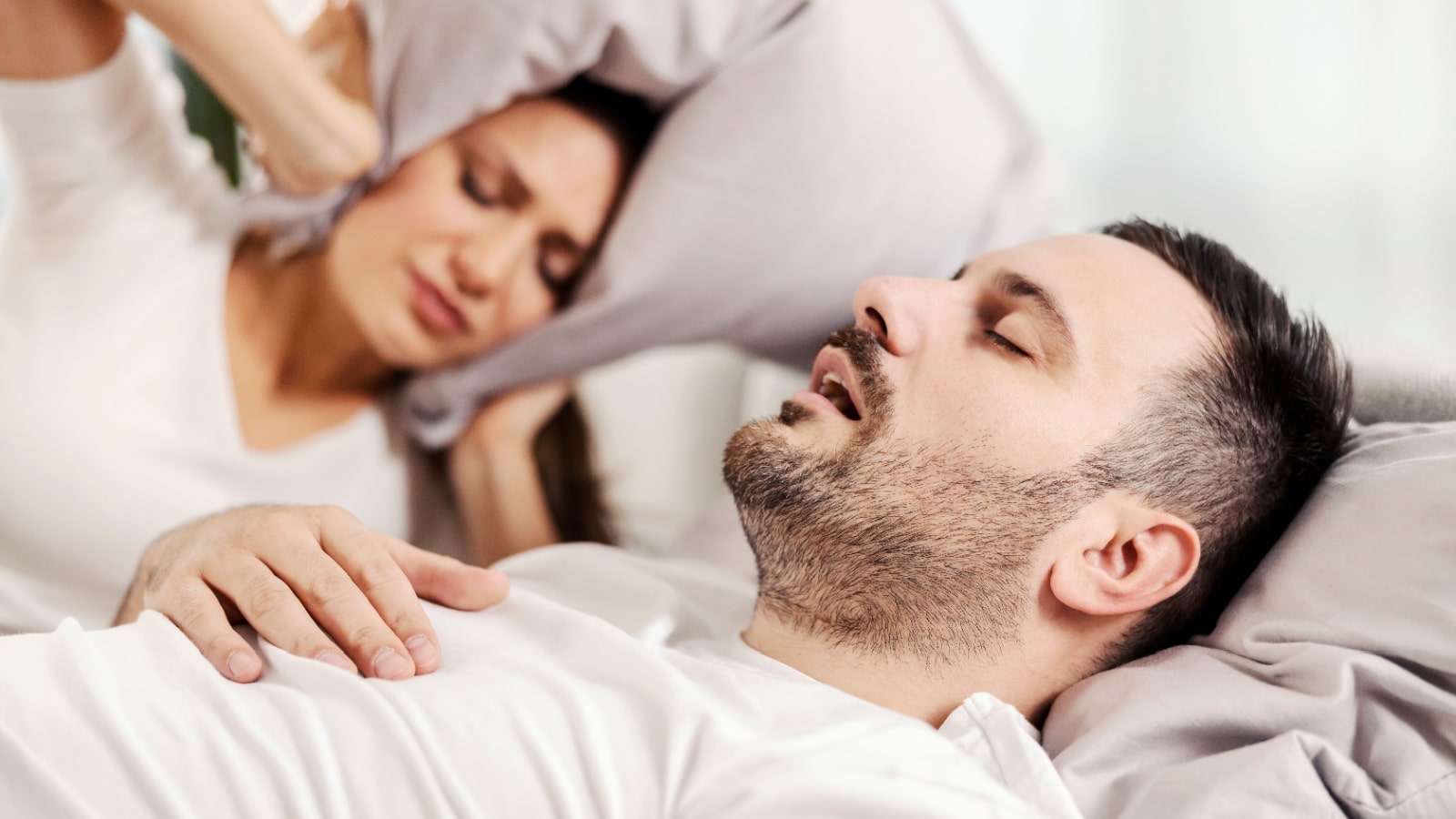
Heavy, loud snoring or episodes where you gasp for breath during sleep can indicate obstructive sleep apnea. Up to 70% of snorers have been diagnosed with a sleep disorder, reports the National Institute of Health.
Sleep apnea significantly increases your risk of cardiovascular disease, stroke, and type 2 diabetes. It’s not just about disturbing your partner’s sleep – it’s about your long-term health.
What you can do: If snoring is loud enough to wake others or if you experience gasping episodes, get evaluated for sleep apnea. Treatment can dramatically improve both sleep quality and overall health.
Your Legs Won’t Stay Still

Restless legs syndrome and periodic limb movement disorder are often missed, but they can seriously disrupt sleep quality. That crawling sensation in your legs or uncontrollable urge to move them – especially at bedtime – isn’t just annoying.
These conditions can sometimes signal underlying issues like iron deficiency, kidney problems, or neurological disorders. The urge to move might be your body’s way of telling you something else is going on.
What you can do: Don’t dismiss unusual limb sensations or movements during sleep. These symptoms deserve medical attention, especially if they’re disrupting your rest.
You might want to read more on: When It’s More Than Just Fatigue: Understanding the Intersection of IBS, Iron Deficiency and Anemia
You’re Obsessed with Perfect Sleep Scores

Orthosomnia. This refers to an unhealthy preoccupation with sleep data from trackers and apps.
The Global Wellness Institute warns that orthosomnia has grown, leading to more sleepless nights as people chase “perfect” sleep scores. About 30–37% of adults in the U.S. use some form of sleep-tracking technology, such as wearable devices or apps, with usage reaching nearly 42% among 18–34-year-olds.
Ironically, obsessing over sleep metrics can create anxiety that makes sleep worse.
What you can do: Focus on how you feel rather than what your devices tell you. If sleep tracking is creating stress rather than helping, it might be time to step back from the data.
Don’t Ignore What Your Sleep is Telling You

Sleep problems happen to everyone occasionally. But when these warning signs persist or worsen, they’re worth taking seriously. Your sleep is trying to communicate with you – and sometimes it’s delivering important messages about your health.
Most sleep disorders are treatable once they’re properly diagnosed. The key is recognizing when normal sleep struggles cross the line into something that needs medical attention.
If any of these warning signs sound familiar and they’ve been going on for weeks rather than just a few rough nights, consider talking to a healthcare provider.
What You Can Do Right Now

First, track your symptoms. Note when they happen and how often. This information will be valuable if you need to see a healthcare provider.
Consider your sleep environment. Is your room too bright, noisy, or warm? Simple changes like blackout curtains, a white noise machine, or adjusting the temperature can make a big difference.
Look at your habits. Are you scrolling your phone before bed? Drinking caffeine late in the day? Having a big meal close to bedtime? Small adjustments to your routine can improve sleep quality.
If problems persist for more than a few weeks, talk to a healthcare provider. Many sleep disorders are highly treatable once properly diagnosed.
Disclaimer – This list is solely the author’s opinion based on research and publicly available information. It is not intended to be professional advice.
Like our content? Be sure to follow us.





