

Nuts are widely regarded as a healthy food, thanks to their rich nutrient profile and benefits for heart health when consumed in moderation. However, not all nuts are safe; some can cause allergies or health issues, especially if consumed in excess.
While the American Heart Association reports a 20% increase in nut consumption over the last decade, not all nuts are equally healthy. Be aware: some may trigger allergies, digestive trouble, or unwanted weight gain if not chosen carefully.
Why is this important? As health-conscious eating becomes more popular, many choose nuts as a “guilt-free” snack, not realizing that some varieties, if eaten in excess, may harm their health goals.
You could be unintentionally undermining your diet by consuming nuts that are high in fat, hard to digest, or filled with additives and preservatives that diminish their natural benefits.
Here are nuts to avoid, along with the reasons why, and healthier alternatives.
Bitter Almonds: The Cyanide Factor

Bitter almonds resemble their sweet counterparts, but inside the nut, there’s amygdalin. This compound is Cyanogenic, meaning that it releases hydrogen cyanide, a poisonous substance, when ingested. When lab analysis is performed on bitter almonds, the average hydrogen cyanide level is approximately 1,062 mg/kg.
To put that perspective, that’s about 40 times higher than sweet almonds. Toxicologists note that ingesting just 50 bitter almonds can kill an adult, while five can kill a toddler, based on a median fatal dose of 0.5–3.5 mg CN/kg body weight. Grocers rarely stock bitter almonds in pure form, yet accidental cross-contamination still occurs, particularly in imported raw nut mixes.
Consumers often miss subtle visual cues because the two types of almonds share similar sizes and shell colors. The danger intensifies when home cooks grind kernels for marzipan or DIY almond milk, unknowingly concentrating the toxin.
Experimenting with unverified almonds in desserts can turn a treat into a serious health risk, particularly for children. Food-safety investigators continue to report cyanide spikes in mixed-origin almond shipments, as seen in a 2010 FDA investigation that traced bitter taste complaints to imported raw almonds.
A 2013 peer-reviewed study warned that “all treated samples are cyanogenic,” adding that genetic selection of cyanide-free strains remains the only foolproof fix. Dr. Soumaya El Hedili, lead author of that work, summed it up: “These kernels are not a health snack; they are a chemical threat in disguise”.
The European Union now requires mandatory cyanide testing for every almond lot, yet the United States relies on voluntary industry protocols, leaving gaps on store shelves.
Until screening is universal, experts recommend buying labeled, blanched sweet almonds and skipping bulk bins without origin paperwork.
Raw Cashews: Urushiol’s Itchy Revenge

Cashews naturally sit inside a double shell saturated with urushiol, the same oily allergen that makes poison ivy infamous. True raw cashews never hit U.S. shelves; processors must steam or flash-roast nuts to neutralize the toxin before sale.
Contemporary case reports repeat the pattern: one homemade cashew-butter fan needed three weeks of systemic steroids after urushiol exposure. Symptoms range from pruritic rash to life-threatening anaphylaxis in sensitized individuals.
Researchers emphasize the economic implications of the lapse. Steaming costs money, so unscrupulous suppliers sometimes cut corners, leaving trace amounts of shell oil on the kernels.
Healthline’s 2025 medical review stresses that “even cashews labeled ‘raw’ have been heat-treated,” advising consumers to verify suppliers that use continuous steam or oil baths above 100 °C.
The CDC still logs sporadic dermatitis clusters, particularly along the East Coast, where fundraising and street-market nuts often bypass rigorous inspection.
Dr. T. Rosen of Baylor College of Medicine warns clinicians to consider cashews as a potential cause whenever patients present with unexplained perianal or oral blisters after consuming them.
Since a single contaminated serving can cause problems, allergists advise buying reputable brands with proven roasting and avoiding cheap “raw” cashews.
Brazil Nuts: Selenium Overload in a Shell

One Brazil nut can contain 68–91 µg of selenium, which is well above the 55 µg Recommended Dietary Allowance for adults. Five nuts reach the 400 µg Tolerable Upper Intake Level, crossing into territory associated with hair loss, gastrointestinal distress, and, in severe cases, kidney or heart failure.
Nutritionists praise selenium for its thyroid support and antioxidant properties, yet caution that soil variability drives significant content fluctuations, ranging from 2.07 mg/kg in Mato Grosso to 68.15 mg/kg in Amazonas, a 33-fold variation.
That means a handful sourced from one grove might deliver a month’s worth of selenium compared with the same weight harvested elsewhere.
Dr. Dana Hunnes, senior dietitian at UCLA, points out that “Brazil nuts are perhaps the only snack where one bite exceeds the daily requirement,” underscoring the unknown risk of chronic selenosis among keto and vegan devotees who graze on nut mixes all day.
WebMD’s 2023 nutrition profile echoes that alarm, listing early signs of toxicity, such as garlic-scented breath and a metallic taste. U.S. dietary surveys seldom track micronutrient megadoses, so overconsumption often goes undetected by clinicians until lab tests reveal selenium levels above 300 µg/L.
Dietitians advise Americans to limit their intake to two Brazil nuts per day and to rotate with lower-selenium alternatives, such as pecans or walnuts. Scaling back matters: a 2024 Hodmedods field report found that switching growers halved selenium exposure for U.K. consumers without altering flavor.
Peanuts: Aflatoxin’s Silent Carcinogen

Aflatoxins, produced by Aspergillus fungi, rank among the most potent natural carcinogens, driving liver-cancer risk worldwide. In June 2024, Dutch inspectors detained two U.S. peanut cargoes after aflatoxin B1 levels hit 65 µg/kg, 32 × the European Union limit of 2 µg/kg.
Domestic economic stakes are colossal: aflatoxin forced U.S. shellers to discard or reprocess 30% of all lots in 2019, for $126 million; even a “clean” 2021 harvest bled $58 million. Warm, humid warehouse conditions promote fungal growth, especially in Gulf Coast states, where post-harvest insect damage compounds mold infections.
To stem rejections, the American Peanut Council rolled out a 2024 Sheller Memorandum of Understanding requiring EU-style sampling and rapid-test protocols for export shipments. Because sign-ups are voluntary, U.S. regulations on aflatoxins are less strict than those in the EU or China, making some peanuts riskier.
The National Peanut Research Laboratory encourages farmers to breed resistant peanuts and utilize biocontrol, but adoption remains low due to high costs and limited awareness. Cancer epidemiologists estimate that cutting U.S. aflatoxin exposure by 50% could prevent up to 300 hepatitis-B-related liver cancers annually.
Until mandatory limits are tightened, consumers should favor peanuts labeled “EU-compliant” or “aflatoxin-controlled,” store nuts in cool, dry pantries, and discard any batch that smells musty or shows greenish mold.
Pistachios: Ochratoxin in the Shell Game

Ochratoxin A (OTA) forms when Aspergillus or Penicillium fungi colonize pistachio orchards or storage silos. A 2024 California survey of 809 samples found OTA in 20% of nuts; 18% exceeded the EU’s five µg/kg limit, with some experimental inoculations hitting 47 µg/g, nearly 10,000% above the threshold.
High-risk species, such as A. westerdijkiae, thrived at 20–30 °C, precisely within the summer range across the San Joaquin Valley. Europe responded by setting a strict OTA cap for pistachios effective January 2023.
Trade hiccups followed. U.S. exporters, which hold 71% of the global pistachio supply, faced rejections that threatened billions of dollars in revenue. University of California pathologists now test pre-harvest fungal loads and advise rapid mechanical drying within 24 hours post-pick to thwart mold.
Processors who adopt these controls have reduced OTA-positive rates by 35% in 2023 trials; however, smaller packers are slower to implement these changes. Consumers can reduce their exposure by purchasing shelled, mechanically dried pistachios labeled “EU 5 µg/kg compliant” and by avoiding bulk bins that display high humidity.
Pediatric nephrologists remind parents that OTA accumulates in kidneys, posing a heightened risk to children’s developing renal tissue.
Pine Nuts: The Metallic-Taste Mystery

Thousands of snackers worldwide have suffered “pine mouth,” an eerily delayed dysgeusia starting 4–48 hours after eating pine nuts and lasting up to two weeks.
Controlled trials confirm that just six Pinus armandii seeds triggered bitter-metallic taste in every volunteer, peaking on day 2 and fading only after fresh taste cells replaced damaged ones.
Scientists suspect that oxidative byproducts, such as linalool oxide or unusual fatty acid profiles, provoke gustatory havoc, although the exact toxin remains elusive. Food chemists traced most U.S. incidents to mixed-species imports that blended P. armandii with more expensive P. sibirica and Mediterranean pines.
Switzerland’s 2013 toxidrome review proposed a preliminary case definition: any metallic dysgeusia within three days of pine-nut intake counts as pine mouth until proven otherwise. Social-media trackers, such as the 719-member “Damn You Pine Nuts” group, suggest that under-reporting continues.
Save this article
While pine mouth rarely causes long-term harm, it can diminish appetite and complicate clinical assessment. To prevent this, review nut labels for the country of origin, avoid purchasing nuts that lack clear botanical identification, and consider using pumpkin seeds as an alternative for pesto if bitterness develops.
Ginkgo Nuts: Seizure Seeds in Your Snack Mix

Crunchy, jade-green ginkgo nuts might look harmless in Asian trail mixes, yet each kernel hides 4-O-methylpyridoxine, better known as ginkgotoxin. This antivitamin blocks vitamin B6 and derails γ-aminobutyric acid synthesis, leaving nerve cells hyper-excitable.
Hospital toxicology labs routinely detect serum ginkgotoxin levels >300 ng/mL after binge snacking, and Japanese pediatricians track poisonings every fall; kids who eat as few as 10–15 roasted seeds can slip from vomiting into tonic-clonic convulsions within six hours.
Adults are hardly immune; an Osaka ER treated a 48-year-old who seized after finishing an 80-nut appetizer, his B6 levels crashing to 2.4 µg/L. The clinical red flag is a seizure cluster paired with low pyridoxal-phosphate and an otherwise standard head CT.
Case reports in 2020 and 2023 confirm that prompt IV pyridoxine reverses symptoms in under an hour, yet many U.S. hospitals still lack ginkgo protocols. Hong Kong’s Centre for Food Safety issued a 2023 consumer alert after spot-testing revealed toxin concentrations up to 404 ppm in street-market bags.
Researchers urge retailers to label maximum-serving guidance, specifying no more than five seeds for children and 10 for adults, plus a mandatory “Cooked Isn’t Safe” disclaimer, because ginkgotoxin survives roasting.
Until legislation catches up, neurologists advise skipping all unlabeled ginkgo snacks and treating any post-nut seizure with pyridoxine first, CT later.
Horse Chestnuts & Buckeyes: Aesculin’s Bitter Gamble

Horse chestnuts, also sold as Ohio buckeyes, look eerily like the sweet chestnuts you roast at Christmas, but one bite can unleash aesculin, a saponin that tears up the GI tract and nervous system.
Poison-control data show children who swallow a single glossy seed often present with abdominal pain, weakness, or muscle twitching; doses of 1–4 nuts have triggered facial swelling and projectile vomiting within 30 minutes.
In a 2020 Korean case, a 46-year-old man who mistook the nut for a Korean chestnut developed atrial fibrillation, elevated amylase, and transient hepatotoxicity, symptoms that normalized only after 24 hours of fluid resuscitation and cardiac monitoring.
Unlike edible chestnuts, which have spiny burs and tasselled tips, toxic look-alikes have sparse-spike husks and a pale “eye” on the shell. Food-safety educators promote the guidance: When in doubt, throw the nut out.
If someone eats a horse chestnut or buckeye, clinicians should monitor for at least 12 hours and check heart and pancreas function, due to the risk of delayed effects.
Candlenuts (“Nuez de la India”): Viral Weight-Loss Poison

Marketed online as a “slimming seed,” the tropical candlenut (Aleurites moluccanus) has gone viral on TikTok diet forums. Still, its oily kernel contains phorbol esters plus cyanogenic compounds potent enough to land users in the ICU.
In 2022, a 21-year-old Texan developed uncontrollable vomiting and progressed to third-degree heart block after swallowing a single raw nut for weight loss; her PR interval stretched to 354 ms and required dopamine support before resolving on day 7.
Toxicologists note candlenut cardiotoxicity mimics digoxin overdose, complete with “Salvador-Dalí” ST scoops, yet digoxin-Fab rarely helps.
The plot thickened in August 2023 when the FDA warned that many “Nuez de la India” products sold on Amazon and Walmart were not candlenuts at all, but yellow oleander, a plant whose cardiac glycosides can be fatal with just two seeds.
Laboratory tests found >20 mg/g of thevetin A and B, enough to induce fatal arrhythmias, and at least one Maryland consumer was hospitalized. The agency urged an immediate stop-sale and advised clinicians to treat any suspected ingestion with high-dose digoxin-Fab and hyperkalemia protocols.
Bottom line: any weight-loss nut sold in a zip-lock bag is a cardiology consult waiting to happen.
Kola Nuts: Caffeine Overload in a Shell

Popular in energy shots and pre-workout powders, kola nuts pack more caffeine per seed than two cups of drip coffee. That buzz comes with a price: doses above 400 mg of caffeine per day raise systolic blood pressure, prolong the QTc interval, and can precipitate premature ventricular contractions.
A 2024 critical review linked heavy kola-based stimulant use to atrial fibrillation episodes and noted that caffeine-naïve individuals reached arrhythmic thresholds after just three kola-nut chews.
Liver researchers also caution long-term chewers: an 18-week rat study found enlarged livers, depressed DNA/RNA synthesis, and elevated serum cholesterol after chronic kola extract exposure.
Meanwhile, epidemiologists studying West African chewing cultures report higher rates of oral and gastric cancers, likely tied to the nut’s high amine content.
Modern sports-nutrition brands skirt regulations by listing kola as a “natural caffeine source,” leaving consumers unaware that three scoops of certain powders hit 600 mg caffeine, 50% above the safe upper limit.
Cardiology societies now recommend that anyone with hypertension, arrhythmia history, or pregnancy skip kola-nut supplements entirely.
KEY TAKEAWAYS

Bitter almonds are dangerous because they have a lot of cyanide in them, making even a small amount potentially deadly. “Raw” cashews can still have a harmful substance called urushiol, which can cause serious skin rashes in some people if they’re not processed properly.
Eating just one Brazil nut can give you more selenium than you should have in a day, and eating too many can lead to health problems. In the U.S., some peanuts don’t meet strict safety standards for aflatoxin, which is a substance that can increase cancer risk.
In a recent test in California, one out of every five pistachios contained a harmful chemical called ochratoxin A, which can harm the kidneys. Pine nuts from China can cause a strange, metallic taste in your mouth for a week, a condition some people refer to as “pine mouth.”
Ginkgo nuts contain a substance that can harm the nervous system, and just ten of them might cause serious seizures, especially in kids. Horse chestnuts and buckeyes have compounds that can upset your stomach and heart, and even eating just two of these can cause serious issues.
The seeds sometimes marketed as ‘Nuez de la India’ are actually candlenuts or toxic yellow oleander, which are linked to heart problems and have warnings from the FDA. Lastly, kola nuts have a lot of caffeine, and too much of them can lead to heart issues, high blood pressure, and liver problems.
Disclaimer: This list is solely the author’s opinion based on research and publicly available information. It is not intended to be professional advice.
6 Grocery Staples to Stock Up On Before Prices Spike Again
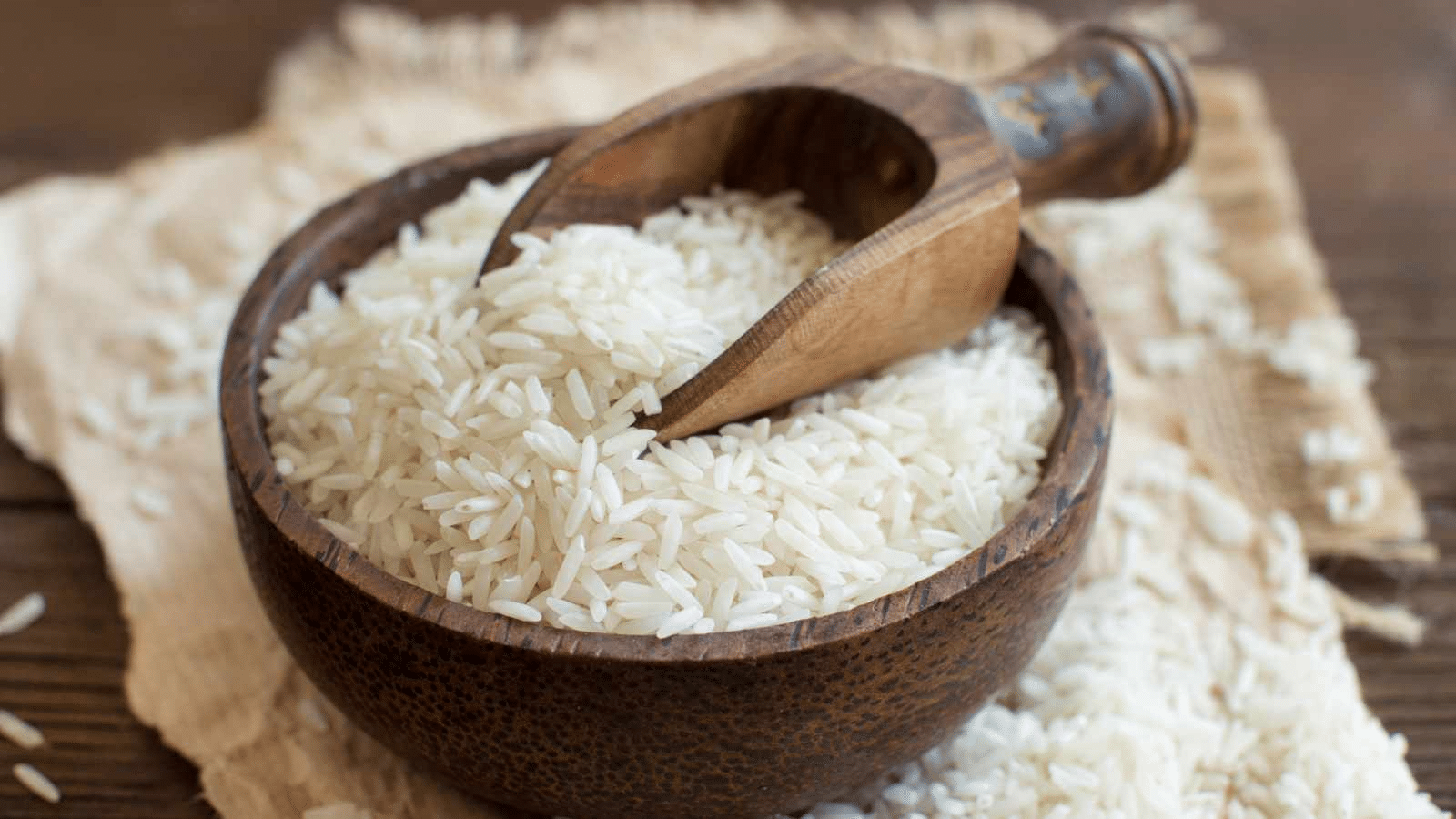
16 Grocery Staples to Stock Up On Before Prices Spike Again
I was in the grocery store the other day, and it hit me—I’m buying the exact same things I always do, but my bill just keeps getting higher. Like, I swear I just blinked, and suddenly eggs are a luxury item. What’s going on?
Inflation, supply-chain delays, and erratic weather conditions have modestly (or, let’s face it, dramatically) pushed the prices of staples ever higher. The USDA reports that food prices climbed an additional 2.9% year over year in May 2025—and that’s after the inflation storm of 2022–2023.
So, if you’ve got room in a pantry, freezer, or even a couple of extra shelves, now might be a good moment to stock up on these staple groceries—before the prices rise later.
6 Gas Station Chains With Food So Good It’s Worth Driving Out Of Your Way For

We scoured the Internet to see what people had to say about gas station food. If you think the only things available are wrinkled hot dogs of indeterminate age and day-glow slushies, we’ve got great, tasty news for you. Whether it ends up being part of a regular routine or your only resource on a long car trip, we have the food info you need.
Let’s look at 6 gas stations that folks can’t get enough of and see what they have for you to eat.





