
You walk into the grocery store for a few basics. Suddenly, you’re staring down a wall of “healthy” snacks, microwave meals, and colorful cereal boxes. The labels promise energy, weight loss, or clean ingredients. But how often do you flip the package and read what’s in there?
Nutritionists do. And they’re not impressed. Some grocery items are heavily processed, loaded with sugar or sodium, or hiding behind labels that mean very little. These aren’t just small missteps. Eating too many of these items over time can mess with your metabolism, increase disease risk, and leave you constantly hungry. Here are 13 foods the experts wish would disappear from your cart.
Canned Soups

Canned soups are cheap and convenient. But many are nutritional landmines. One cup of popular chicken noodle soup can contain over 800 mg of sodium. That’s more than a third of the recommended daily limit. Try low-sodium versions or make your own if you can.
Flavored Yogurt

A lot of people grab fruit-flavored yogurt thinking it’s a healthy snack. But most brands are packed with added sugars. According to the Buffalo Medical Group, some flavored yogurts contain as much sugar as a candy bar, over 20 grams per serving. You’re better off buying plain Greek yogurt and adding real fruit.
Vegetable Chips

Vegetable chips sound healthy. They’re not. Most veggie chips are made from processed vegetable powders, then fried or baked with lots of oil and salt. They give the illusion of being healthy, but really, they’re just colorful potato chips in disguise.
Frozen Diet Meals

Frozen diet meals are marketed as calorie-friendly and portion-controlled. However, many frozen diet meals are high in sodium and contain preservatives. The CDC reports that Americans eat too much sodium, mostly from processed foods like these. That’s a problem because high sodium intake is linked to heart disease and stroke.
Granola Bars

Granola bars often pretend to be the perfect on-the-go snack. But they can be sugar bombs. Healthline found that some granola bars have over 10 grams of added sugar per bar, often from syrups and juices. They’re more like mini candy bars in healthy-looking wrappers.
Flavored Oatmeal Packets

Instant oatmeal sounds like a wholesome breakfast. But those pre-flavored packets? Not so much. They’re often high in sugar and low in fiber. A bowl of rolled oats with cinnamon and banana is way better for your blood sugar than the maple-flavored packets.
Diet Soda

You might think switching to diet soda cuts your sugar intake. That’s technically true, but studies show it might not help in the long run. A study in JAMA Network Open found that people who drank diet sodas daily had a higher risk of developing metabolic syndrome. Artificial sweeteners can confuse your appetite and impede weight loss.
Fat-Free Salad Dressing

Removing fat often means adding sugar, sodium, and chemical thickeners to make up for flavor. That’s the case with many fat-free dressings. Ironically, fat helps you absorb nutrients from your salad. Skip the fat-free and use olive oil and vinegar instead.
Save this article
Energy Drinks
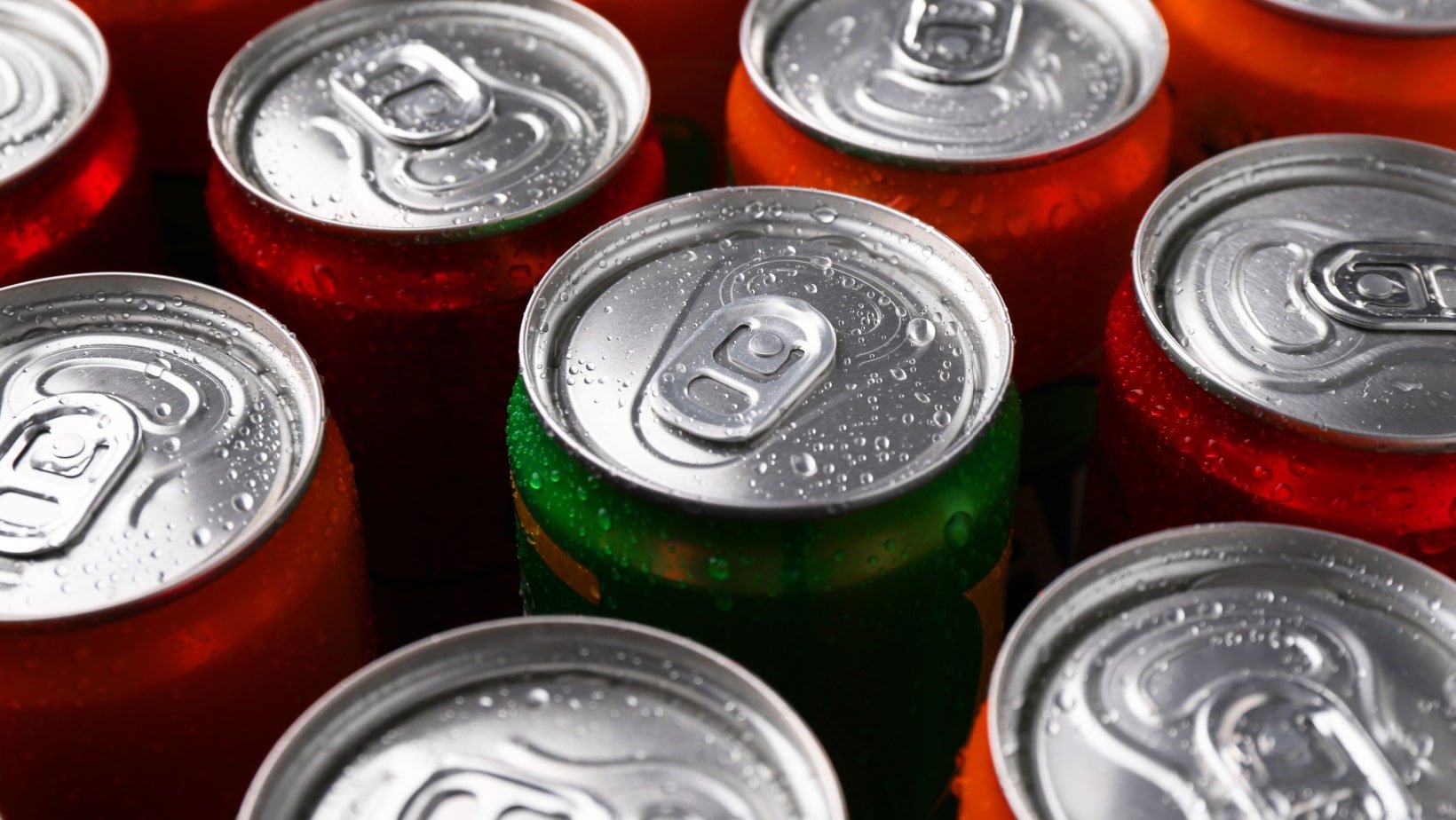
Energy drinks promise focus, performance, and alertness. What they deliver is a massive jolt of caffeine and sugar. According to Johns Hopkins, these drinks are never safe for children and teens. Even adults are advised to limit their intake. One can easily exceed 200 mg of caffeine.
Frozen Breakfast Sandwiches

Frozen breakfast sandwiches look like a balanced meal: eggs, cheese, maybe even spinach. But most of these sandwiches are loaded with saturated fat, preservatives, and salt. Harvard’s T.H. Chan School of Public Health found that eating processed meats like bacon or sausage increases the risk of heart disease by 42%.
Bottled Smoothies

Bottled smoothies seem like a fruit-packed grab-and-go drink. But many are juice with a marketing upgrade. A bottle can contain over 50 grams of sugar. That’s more than a can of Coke. Whole fruit is better because it has fiber, which slows the sugar hit to your bloodstream.
Protein Cookies

Protein cookies often boast big grams of protein on the front. But they rarely deliver on the nutrition. Most are full of refined flour, added sugars, and low-quality protein powders. Nutritionists recommend whole food protein sources like eggs or nuts instead.
Low-Calorie Ice Cream

The idea of eating a whole pint without guilt sounds great. But low-calorie ice creams often rely on sugar alcohols and artificial ingredients that can upset your stomach. Plus, they don’t satisfy the way real dessert does, making you more likely to keep snacking. Eat the real stuff, just less of it.
Disclaimer – This list is solely the author’s opinion based on research and publicly available information. It is not intended to be professional advice.
How Total Beginners Are Building Wealth Fast in 2025—No Experience Needed

How Total Beginners Are Building Wealth Fast in 2025
I used to think investing was something you did after you were already rich. Like, you needed $10,000 in a suit pocket and a guy named Chad at some fancy firm who knew how to “diversify your portfolio.” Meanwhile, I was just trying to figure out how to stretch $43 to payday.
But a lot has changed. And fast. In 2025, building wealth doesn’t require a finance degree—or even a lot of money. The tools are simpler. The entry points are lower. And believe it or not, total beginners are stacking wins just by starting small and staying consistent.
Click here and let’s break down how.
5 Easy Steps to Change Any Habit

5 Easy Steps to Change Any Habit
We all click on them with the hope that just THIS time the secret to changing a bad habit or adopting a healthy one will be revealed and we’ll finally be able to stick to that diet, stop that one or ten things that might in the moment make us feel temporarily good but really just make us fat, unhealthy, sad, mad or just frustrated with ourselves.





