
If you’re over 50, chances are your kitchen is home to a few “old faithfuls” you just can’t part with; that scratched-up nonstick pan from the ’90s, a once-trendy gadget you swore would revolutionize your cooking, or that plastic container forever stained from countless spaghetti nights. I’ll admit, I’ve held onto a few old kitchen gadgets myself simply because “they still work.” But these relics don’t just take up valuable kitchen space — they can also make your kitchen less functional, less safe, and far less stylish.
Unused gadgets cluttering your kitchen can take up valuable space without adding any real benefit. According to YouGov, 62% of Americans feel they have little to no room for additional appliances in their kitchens. Yet, even those who claim to have no space admit they’d welcome the right gadget if it truly meets their needs.
Eliminating unnecessary tools from your kitchen not only frees up space but also simplifies meal prep and cooking. Clearing your counters of outdated or rarely used appliances creates room for tools that genuinely enhance your cooking experience.
Bulky stand mixers taking up counter space

Stand mixers often claim prime kitchen space, standing tall as shiny chrome symbols of occasional baking endeavors. According to the Association of Home Appliance Manufacturers (AHAM), stand mixers are used an average of 4.5 times per month. While only 4% of owners use them daily, 31% reach for them at least once a week, indicating a far higher usage rate than the commonly cited six-times-a-year estimate.
Yet, for 90% of home baking tasks, a hand mixer delivers comparable results while taking up a fraction of the storage space, making it a more practical choice for many kitchens.
Single-use gadgets cluttering drawers

A YouGov survey of 1,000 U.S. adults explored the ownership of various kitchen utensils, including measuring cups, can openers, chopping boards, spatulas, zesters, and mandolins, and found that they exist in at least 90% of American kitchens. While these tools have their place, many tasks can be performed more effectively with a high-quality chef’s knife.
Unlike single-use gadgets that often clutter kitchens and require extra cleaning and storage, a versatile chef’s knife simplifies meal prep without the hassle. Professional chefs consistently recommend investing in a few well-made tools rather than accumulating an array of specialized gadgets.
Old non-stick cookware with scratches

Scratched non-stick pans not only compromise cooking performance but can also pose serious health risks. According to the Ecology Center, 79% of cookware is coated with PTFE, a material that releases harmful chemicals when heated to temperatures above 400–500°F—easily reached with high stovetop settings.
To mitigate these risks, manufacturers recommend replacing non-stick pans every 18–24 months. For a safer, more durable alternative, consider stainless steel or cast iron cookware. With proper care, these options can last for decades, provide excellent heat retention, and eliminate concerns about toxic coatings.
Old microwave ovens

Microwaves built before 2020 lack the advanced sensor technology and energy-saving features found in today’s models. Modern microwaves are equipped with moisture sensors that automatically adjust cooking times, reducing the risk of overcooking—a common issue for 65% of users.
Energy Star-certified models are also more energy-efficient, helping lower your electricity costs. Additionally, newer designs prioritize safety with features like child locks and automatic shut-off mechanisms, innovations rarely seen in older models.
Plastic food containers

Bacteria can accumulate in even the tiniest scratches or discolorations on plastic containers, and when heated, plastic flakes may contaminate food. According to Iowa State University Extension, scratched, stained, or damaged plastic containers pose a significant food safety risk, as they create an environment where bacteria and harmful microorganisms can thrive.
Glass containers offer a safer, more reliable alternative. Unlike plastic, they resist staining, retain no odors, and avoid the risk of chemical leaching over time. Modern glass containers also feature leak-proof seals and oven-safe designs, providing durability and functionality that plastic simply cannot match.
Dull knife sets requiring excess force

Dull knives cause more kitchen accidents than properly sharpened blades, according to data from emergency rooms. University of Rochester Medical Center States that a dull blade is actually more dangerous than one that is sharp, because it requires more pressure to cut and is more likely to slip. Knife sets over ten years old typically feature inferior steel that holds edges poorly compared to modern alloys.
Professional sharpening costs $8-12 per knife, often exceeding the replacement value of budget knife sets. Sharp knives reduce prep time by an average of 23 minutes per meal, making quality cutlery a worthwhile investment for frequent cooks.
Oversized dish sets for empty nesters

Save this article
Empty nesters cling to dish sets built for families of six while feeding a family of two (at most). That results in clutter and complicates keeping things organized in the kitchen. Downsizing to a smaller set of dishes can make space and usage habits more compatible.
Today’s dish sets are made from chip-resistant materials and are dishwasher-safe, making them more durable than their china and ceramic counterparts of the past. When you use smaller plates, you not only reduce food waste but also save time by washing an average of four fewer loads each week.
Hand strain from manual can openers

According to the U.S. Department of Health and Human Services, 54.4 million American adults live with some form of arthritis, making tasks like using manual can openers particularly challenging—especially for those over 50. Electric can openers offer a practical solution by eliminating the repetitive gripping motion that can worsen joint pain.
Beyond convenience, modern electric can openers often come with additional features like built-in knife sharpeners and bottle openers, all while taking up minimal counter space. Designed with ease of use in mind, they require far less hand strength compared to traditional manual openers.
Outdated blenders with weak motors

If your blender was made before 2018, chances are it has a motor with less than 1000 watts of power. This can make blending frozen fruits and tough vegetables a challenge. Modern blenders, however, offer a game-changing upgrade. With 1400+ peak watts, they can handle even the toughest ingredients, delivering velvety smooth textures with ease.
Many newer models also include noise reduction technology, so you can whip up your morning smoothie without disturbing the peace—perfect for those quiet, early hours. Plus, adjustable speed controls and pre-set programs strike the ideal balance between power and convenience, making blending effortless and efficient.
Specialty appliances that are collecting dust

Bread makers, pasta machines, and fondue pots often end up as costly impulse buys, collecting dust in cabinets. These single-purpose appliances, priced between $75 and $300, perform tasks that can easily be handled by versatile tools like food processors or stand mixers.
Professional organizers recommend the “one-year rule”: if you haven’t used an appliance in a year, it’s time to donate or sell it.
Outdated small appliances past their prime

Older toasters, coffee makers, and food processors—those over 8 years old—often lack modern safety features and fail to meet current energy efficiency standards. According to FireRescue1, faulty electrical outlets and outdated appliances are among the leading causes of electrical fires.
Replacing these appliances typically costs between $30 and $150, a small price for enhanced safety and performance. Protecting your new appliances ensures they last longer and provides peace of mind—something older, unreliable models simply can’t offer.
Disclaimer – This list is solely the author’s opinion based on research and publicly available information. It is not intended to be professional advice.
16 Grocery Staples to Stock Up On Before Prices Spike Again
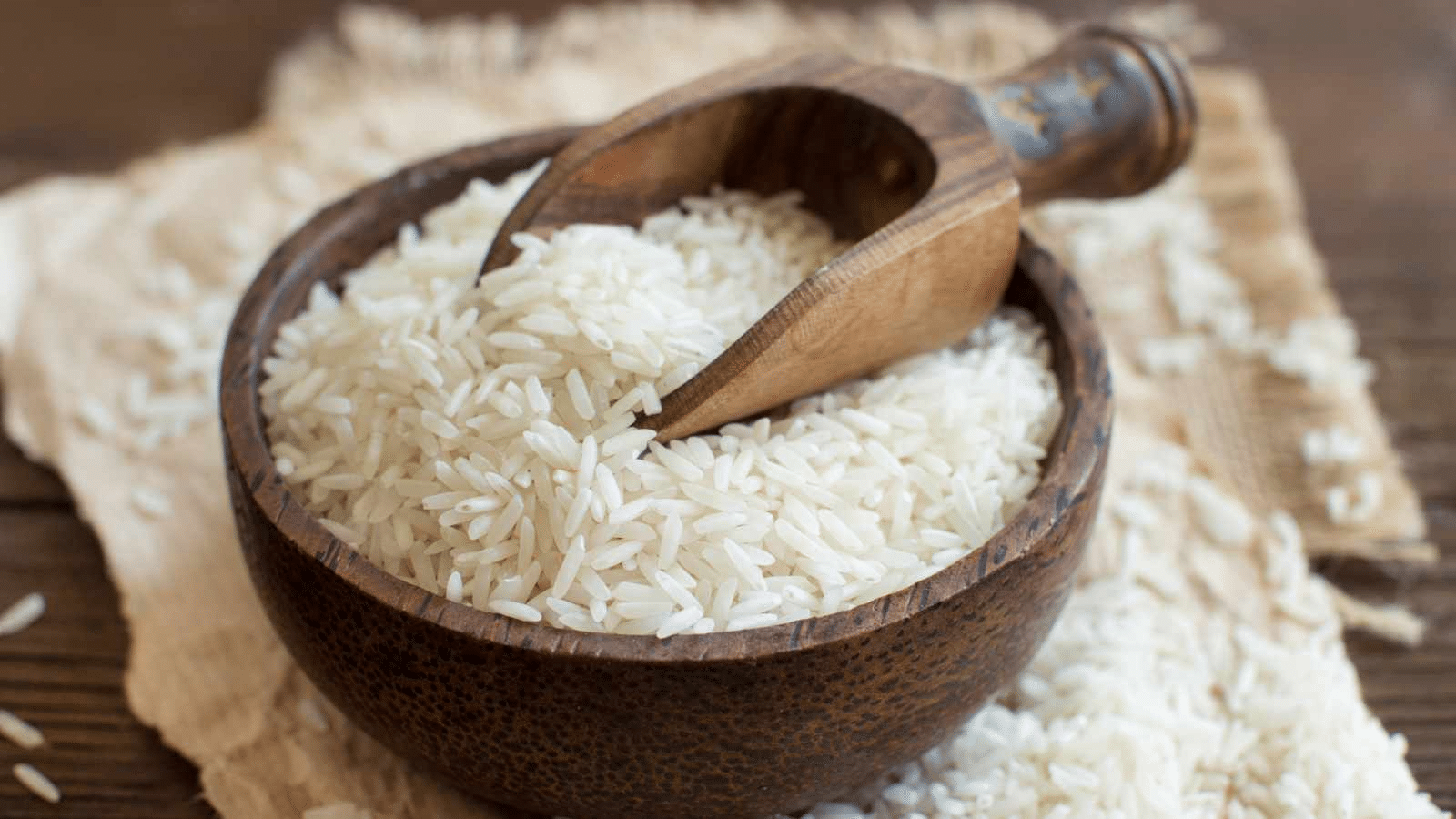
16 Grocery Staples to Stock Up On Before Prices Spike Again
I was in the grocery store the other day, and it hit me—I’m buying the exact same things I always do, but my bill just keeps getting higher. Like, I swear I just blinked, and suddenly eggs are a luxury item. What’s going on?
Inflation, supply-chain delays, and erratic weather conditions have modestly (or, let’s face it, dramatically) pushed the prices of staples ever higher. The USDA reports that food prices climbed an additional 2.9% year over year in May 2025—and that’s after the inflation storm of 2022–2023.
So, if you’ve got room in a pantry, freezer, or even a couple of extra shelves, now might be a good moment to stock up on these staple groceries—before the prices rise later.
6 Gas Station Chains With Food So Good It’s Worth Driving Out Of Your Way For
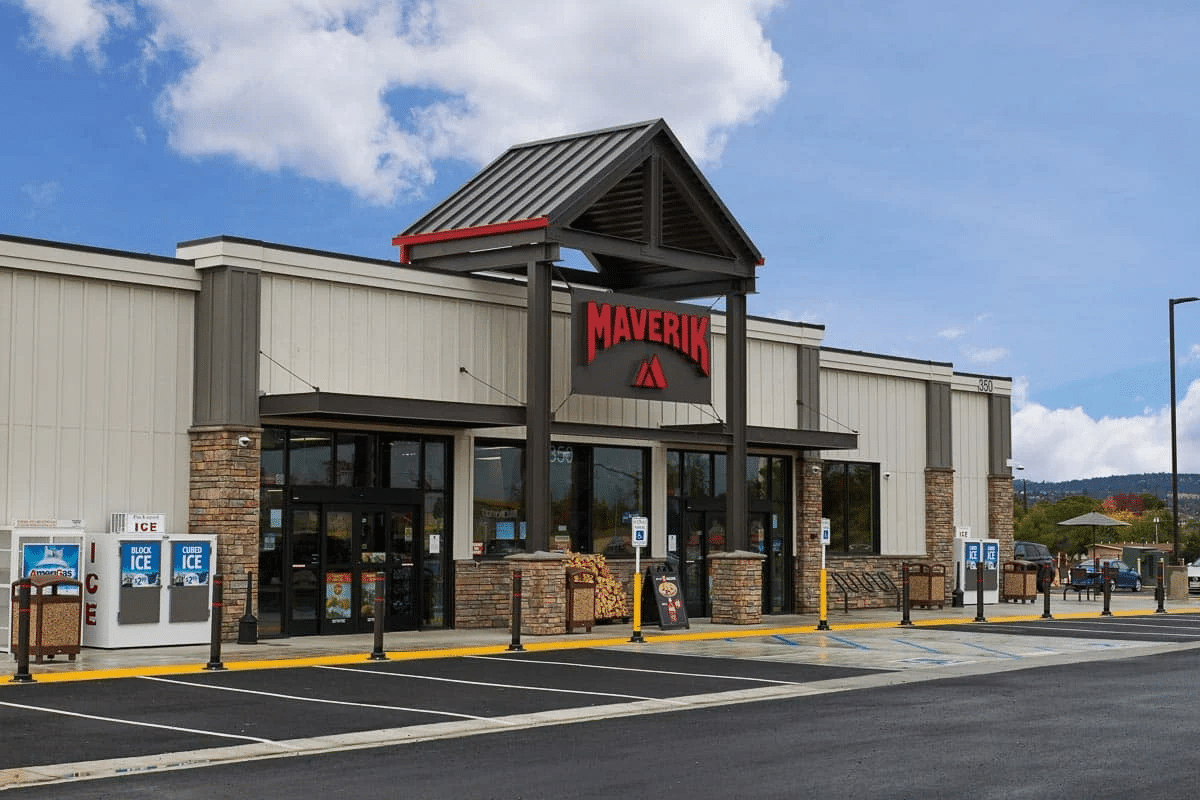
6 Gas Station Chains With Food So Good It’s Worth Driving Out Of Your Way For
We scoured the Internet to see what people had to say about gas station food. If you think the only things available are wrinkled hot dogs of indeterminate age and day-glow slushies, we’ve got great, tasty news for you. Whether it ends up being part of a regular routine or your only resource on a long car trip, we have the food info you need.
Let’s look at 6 gas stations that folks can’t get enough of and see what they have for you to eat.