

With fatty liver disease now affecting roughly one in four people worldwide, everyday morning habits have become an increasingly important line of defense.
Maintaining liver health is essential for overall well-being, yet many people overlook the simple daily habits that can protect this vital organ. The liver performs more than 500 functions, including detoxification, nutrient metabolism, and hormone regulation, making it one of the body’s most hardworking systems. According to the World Gastroenterology Organisation, nonalcoholic fatty liver disease affects roughly 25% of the global population. This widespread prevalence highlights the growing need for practical lifestyle strategies that support liver function.
Developing healthy morning routines is one of the easiest ways to give your liver a strong start each day. Small, consistent behaviors (such as staying hydrated, eating nutrient-dense foods, or managing stress) can significantly influence liver performance over time. Here are 10 morning habits that support liver health.
Drink a glass of warm water
Drinking a glass of warm water in the morning helps restore hydration after hours of sleep. The liver performs over 500 functions and depends on adequate fluid to move nutrients and waste efficiently. With NAFLD affecting an estimated 30–32% of adults worldwide, simple hydration habits can offer meaningful support.
Hydration helps maintain blood volume, aiding both the kidneys and liver in filtering metabolic byproducts. Choosing water instead of sugary drinks also reduces added sugar intake that contributes to metabolic strain on the liver. Making warm water a morning habit sets a gentle foundation for healthier liver function throughout the day.
Start your day with lemon water
Lemon water provides vitamin C and plant compounds that support metabolic and antioxidant processes in the liver. About 100 grams of lemon supplies roughly 53 milligrams of vitamin C, or about 59% of the adult daily value. This antioxidant supports detoxification enzymes and reduces oxidative stress in liver cells.
Lemon also provides small amounts of potassium and flavonoids with anti-inflammatory activity. Replacing sugary morning drinks with lemon water reduces added sugar intake linked to liver fat accumulation. For those who prefer a light, refreshing morning drink, lemon water offers both hydration and antioxidant support.
Eat a high-fiber breakfast
A high-fiber breakfast protects the liver by lowering fat accumulation, improving cholesterol, and stabilizing blood sugar. According to the National Library of Medicine, higher fiber intake is linked to about a 60% lower risk of NAFLD within the observed intake ranges. Another study found that low fiber intake was associated with a 2.7-fold higher risk of NAFLD compared with adequate intake.
Breakfast foods like oatmeal, chia seeds, fruit, and whole-grain bread provide beneficial fiber types. Fiber also lowers LDL cholesterol, reducing the liver’s workload in managing fats and bile production. Making high-fiber breakfasts a regular habit offers a practical dietary strategy for better liver health.
Avoid sugary morning drinks
Skipping sugary teas, coffees, and soft drinks in the morning helps protect the liver from fat buildup and inflammation. The National Library of Medicine states that higher consumption of sugar-sweetened beverages raises the risk of NAFLD and NASH, regardless of lifestyle factors. New 2025 data indicate that drinking at least one diet soda daily may raise liver disease risk by about 60%, while sugary drinks raise it by roughly 50%.
Excess added sugars and fructose fuel de novo lipogenesis, increasing liver fat accumulation. Choosing water, unsweetened tea, or plain coffee reduces this sugar burden and supports healthier liver metabolism. For those with NAFLD or metabolic risks, avoiding sugary morning drinks becomes especially important.
Drink coffee (black or lightly sweetened)
When consumed black or lightly sweetened, coffee can benefit liver health. An umbrella review found that any coffee intake versus none was linked to a 29% lower risk of NAFLD. Another meta-analysis reported about 35% lower odds of significant liver fibrosis among coffee drinkers.
Pooled data also show reduced risks of cirrhosis and advanced fibrosis in chronic liver disease. Researchers believe caffeine and antioxidants in coffee modulate inflammation and liver enzymes. Keeping coffee simple—without heavy sugar or cream—helps maximize these potential liver benefits.
Include antioxidant-rich foods
Antioxidant-rich foods at breakfast help protect liver cells from oxidative stress. Berries, green tea, and turmeric provide polyphenols and flavonoids that help reduce free radical damage. High fruit and vegetable intake is consistently linked with lower rates of liver and cardiovascular diseases.
Experimental studies suggest curcumin may reduce liver fat and enzyme levels in NAFLD, though more research is needed. Adding berries to oatmeal, green tea to breakfast, or turmeric to eggs offers easy antioxidant boosts. Over time, these habits may help limit oxidative damage that contributes to liver fibrosis.
Engage in light morning exercise
Light morning exercise, such as walking or stretching, supports healthier liver fat levels and insulin sensitivity. ScienceDirect reports that regular movement reduces liver fat and improves insulin resistance markers.
Another study noted that light physical activity detected by sensors reduced insulin resistance, improved lipid balance, and lowered visceral fat. These changes reduce NAFLD risk because liver fat and insulin resistance are key drivers of the disease. Adding a short walk, yoga session, or stretching routine makes liver-supportive activity achievable for most people.
Save this article
Take liver-supportive supplements (if advised by a doctor)

Some supplements may support liver health, but they should only be used under medical guidance. The National Library of Medicine reports that 65.5% of silymarin studies showed reduced liver enzymes, 20.7% showed no change, and 13.8% showed increases. Some trials in NASH and chronic hepatitis, however, found no significant improvement compared with placebo, showing mixed results.
Emerging research suggests silymarin may still help in NAFLD when standardized and properly dosed. Other supplements—like curcumin and omega-3s—also show potential benefits yet may interact with medications. Because of these differences, any supplement routine for liver health should be personalized with a clinician’s guidance.
Avoid alcohol from the night before
Avoiding alcohol the night before allows the liver to process existing alcohol and carry out repair processes in the morning. More than 90% of consumed alcohol is metabolized by the liver, which can typically process about one standard drink per hour. Additional sources note that blood alcohol concentration drops by about 0.015% per hour, meaning alcohol remains for many hours after drinking stops.
Chronic heavy drinking overwhelms liver pathways, increases fat accumulation, and raises the risk of fatty liver, hepatitis, and cirrhosis. Leaving longer gaps between drinking sessions gives liver cells time to recover. Making alcohol-free evenings the norm supports long-term liver resilience.
Practice mindful breathing or stress reduction
Morning stress-reduction practices can support liver health by stabilizing stress hormones. Chronic stress reduces liver blood flow, raises inflammatory cytokines, and increases cortisol and catecholamines, all of which strain the liver. Reviews show prolonged cortisol elevation disrupts liver carbohydrate and lipid metabolism.
According to ResearchGate, researchers found in an extensive population study that high perceived stress independently increased the prevalence of NAFLD. Stress-management techniques may help lower inflammation and metabolic strain on the liver over time. Starting the day with deep breathing, journaling, or meditation helps create a more liver-friendly internal environment.
More articles:
- 10 antioxidant-rich foods that support immune defense
- Why yogurt and fruit may be one of the smartest snacks for long-term health & decreasing belly fat
- 12 reasons carrot juice should be part of your daily routine
Common spices linked to colon cancer prevention
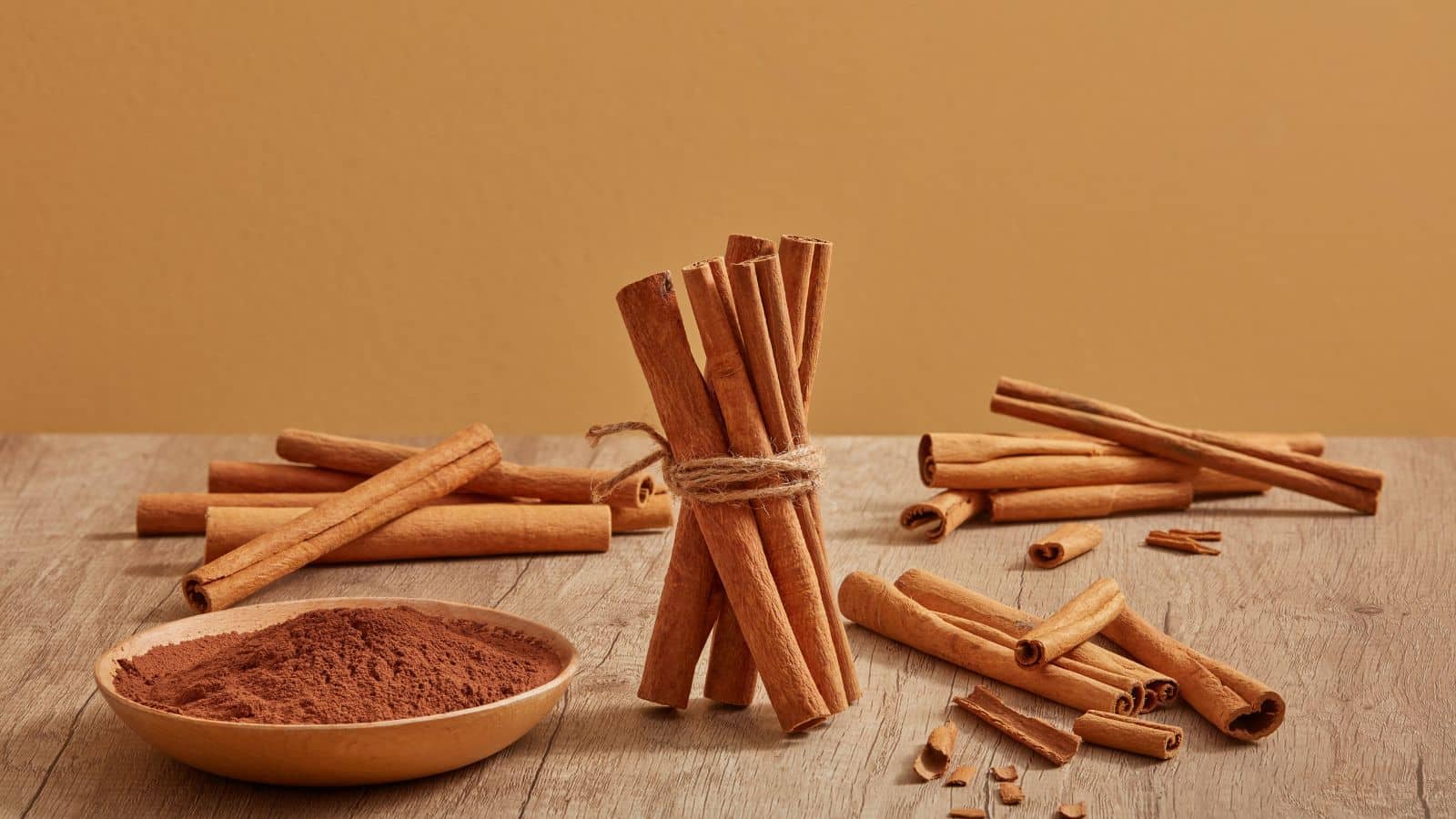
In the quiet routine of seasoning a meal, you may be adding small, powerful defenses against one of the most common cancers.
Your spice rack might actually be hiding some powerful health benefits. It turns out that a handful of common pantry staples pack a serious punch against serious illnesses. Medical researchers are looking closely at how everyday seasonings can fight back against cellular damage in the digestive tract. Learn more.
12 ways extreme heat can change the way your body handles coffee

In places where the air no longer cools after sunset, even something as routine as coffee can feel like a different choice.
Your morning cup is still part of many people’s daily rhythm, but in hotter regions, extreme heat can change how the body responds to it. Across parts of the American Southwest, sustained high temperatures and longer heat waves have made hydration and heat stress more important factors in everyday habits. Learn more.
The key to better sleep and steady energy might come down to one mineral missing in your diet

Most people focus on getting more energy during the day and better sleep at night, but one key nutrient plays a role in both.
Magnesium supports muscle function, nerve signaling, and sleep regulation, yet many people don’t get enough of it through their daily diet. Health experts note that even mild deficiencies can affect rest, recovery, and overall well-being. Learn more.





