What if the fats we swapped in the name of “health” are the very ones keeping our bodies inflamed?
You might be surprised to learn that the clear bottle of oil sitting right next to your stove could be the reason your joints ache or your energy feels low. Americans have shifted dramatically away from traditional fats like butter and tallow, replacing them with industrial seed oils that were virtually non-existent a century ago. These modern oils are often stripped of their natural nutrients during harsh processing methods that involve high heat, chemical solvents, and bleaching agents to make them shelf-stable.
While marketing campaigns often paint these golden liquids as heart-healthy choices, a growing body of research suggests they might be doing more harm than good to our internal systems. The primary culprit is an excess of omega-6 fatty acids, which can trigger widespread inflammation when they aren’t balanced by enough omega-3s. We are going to walk through the specific oils that might be secretly fueling the fire in your body so you can make better choices for your grocery cart.
Soybean Oil

This ubiquitous ingredient has quietly worked its way into almost every processed food on the market, from salad dressings to your favorite bag of chips. It is incredibly difficult to avoid because it is cheap for manufacturers to use and has a neutral taste that doesn’t overpower other flavors. The high concentration of linoleic acid in soybean oil is a major concern for health experts who worry about its pro-inflammatory effects on the human body.
The sheer volume of this oil in the American diet is nothing short of staggering when you look at the recent agricultural data. According to Biomass Magazine, citing USDA forecasts for 2025/26, domestic soybean oil use for food, feed, and other industrial products is expected to reach 15.5 billion pounds. That massive consumption number explains why so many people struggle to balance their fatty acid intake.
Corn Oil

Corn oil is another industrial heavyweight that people often mistake for a healthy vegetable option because of its association with the vegetable itself. The process of extracting oil from a corn kernel is intensive and requires chemical solvents, such as hexane, to extract the oil from the starch. This results in a highly refined product that is prone to oxidation before it even hits your frying pan.
The United States is a global leader in churning out this product, which keeps prices low and availability high in supermarkets across the country. Data from ReportLinker indicates that the U.S. led global corn oil production, accounting for 1.91 million metric tons in 2023. With that much supply flooding the market, it is no wonder this oil is a staple in fast-food fryers everywhere.
Cottonseed Oil

Cotton is primarily a textile crop rather than a food crop, which means the regulations for pesticide use on cotton plants are often less strict than for standard produce. This oil is a byproduct of the cotton industry that was originally considered toxic waste until new technology allowed it to be refined for human consumption. It remains one of the most chemically intensive oils you can put in your body.
Many restaurants love this oil because it has no distinct flavor and a high smoke point, making it perfect for deep frying. However, it is extremely high in omega-6 fatty acids and can easily trigger an inflammatory response if you consume it regularly. Steer clear of this one if you want to keep your system calm and functioning well.
Canola Oil

Canola oil creates a lot of confusion because it is marketed as a heart-healthy alternative, despite its higher saturated fat content compared to other oils. The reality is that canola oil comes from a genetically modified version of the rapeseed plant and undergoes heavy processing to remove its naturally bitter taste. This processing can damage the delicate fats in the oil and generate inflammatory compounds.
Despite controversy over its health effects, the canola industry is booming and shows no signs of slowing down anytime soon. Recent market analysis valued the global canola oil market at a staggering $37.47 billion in 2024. That financial momentum ensures it will remain on store shelves and in restaurant kitchens for the foreseeable future.
Sunflower Oil

Sunflower oil is tricky because it comes in different varieties, but the standard version found in most pantries is loaded with inflammatory fats. Standard sunflower oil is very high in linoleic acid, which can contribute to oxidative stress when consumed in large quantities. It is important to distinguish this from the “high-oleic” version, which is chemically different and somewhat more stable.
The problem arises when this oil is heated to high temperatures for frying, as it can release toxic aldehydes into the air and your food. You should be wary of processed snacks that list sunflower oil as a main ingredient without specifying if it is the high-oleic type. It is usually safer to opt for fats that don’t require a chemistry degree to understand.
Safflower Oil

Save this article
Safflower oil is very similar to sunflower oil, with a very high smoke point but a questionable nutritional profile for daily use. While it stays liquid in the fridge and doesn’t cloud up, it offers very little in the way of nutritional benefits compared to oils like olive or avocado. The standard variety is essentially a concentrated dose of omega-6s without the balancing omega-3s.
People often buy it for searing meats or stir-frying vegetables because it won’t burn easily in a hot wok or skillet. Unfortunately, just because an oil doesn’t smoke doesn’t mean it isn’t degrading at a molecular level and creating harmful byproducts. It is better to use more stable fats, such as ghee or tallow, for high-heat cooking methods.
Grapeseed Oil

This oil has a reputation as a healthy byproduct of the winemaking industry, which makes it sound artisanal and natural. The truth is that grapeseed oil must be chemically extracted from the seeds because pressing them mechanically doesn’t yield enough oil to be profitable. This results in a product that is incredibly high in polyunsaturated fats that are unstable and prone to rancidity.
The specific fatty acid profile of grapeseed oil is quite shocking compared to something balanced like butter or coconut oil. A 2025 review on health effects highlighted that grapeseed oil contains approximately 69.6% linoleic acid, one of the highest concentrations among cooking oils. Pouring this on your salad is like pouring pure inflammation fuel onto your lunch.
Rice Bran Oil

Rice bran oil is popular in Asian cuisine and is gaining traction in the West for its ability to withstand high heat without smoking. It is extracted from the hard outer brown layer of rice chaff, which is usually discarded during the white rice milling process. While it contains some antioxidants, such as vitamin E, the extraction process often uses the same harsh solvents used for corn and soy.
The fatty acid profile of rice bran oil is not ideal for someone looking to lower systemic inflammation. It contains a significant amount of omega-6 fatty acids that can skew your body’s delicate balance if you aren’t careful. There are far better options available that don’t require industrial refining to be edible.
Peanut Oil

Peanut oil is the gold standard for deep frying turkeys and making crispy Fast food because it imparts a delicious, nutty flavor. However, peanuts are legumes that are susceptible to a mold that produces aflatoxin, and the oil can be highly inflammatory for many people. It is also very high in omega-6s, which we already know is a major driver of chronic health issues.
Restaurants favor this oil because it does not absorb the flavor of the foods cooked in it, allowing them to use the same batch for different dishes. While this is great for the restaurant’s bottom line, it is terrible for your health because reheating oil creates even more toxic oxidation products. You might want to ask your server what they fry in before you order that appetizer.
Vegetable Oil Blends
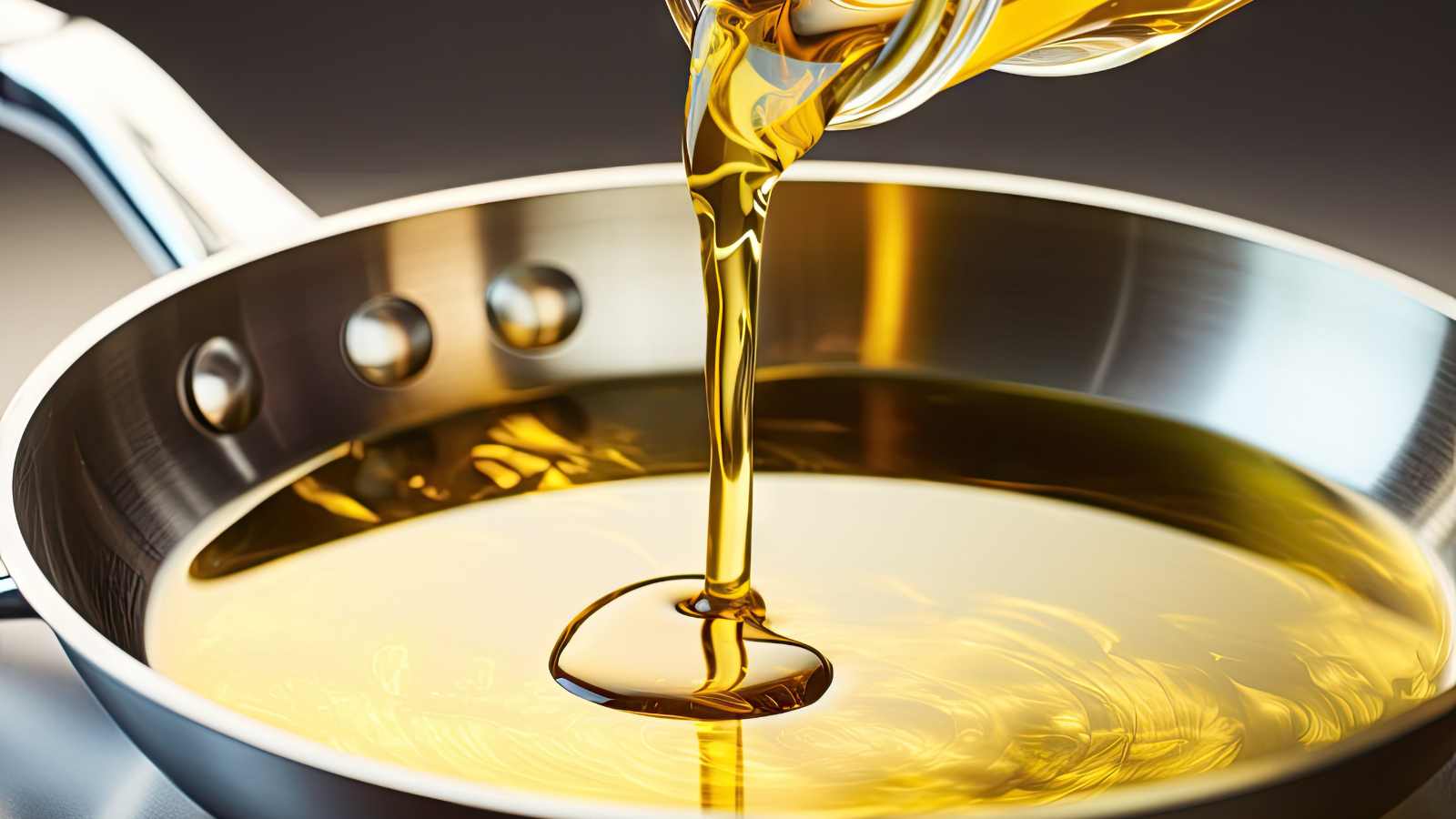
The generic bottles simply labeled “Vegetable Oil” are usually a mystery mix of soy, corn, canola, and cottonseed oils. Manufacturers use whatever crop is cheapest at that moment to create a blend that is cost-effective and shelf-stable. This inconsistency makes it impossible to know exactly what you are consuming or how it will affect your body.
The imbalance this creates in the average American diet is profound and verifiable through recent nutritional data. Springer’s Nature Link’s note on fatty acid ratios estimates that the typical Western diet is higher in omega-6 fatty acids than in omega-3 fatty acids. This is a far cry from the historical average and a major factor in modern health problems.
Margarine And Shortening

These solid fats were invented to be cheaper replacements for butter and lard, but they came with a heavy health cost. While trans fats have been largely banned, these products now rely on interesterified fats that may still negatively impact your blood sugar and insulin metabolism. They are highly processed industrial creations that look like food but act like foreign substances in your body.
It is easy to underestimate how much of this hidden fat we consume just by eating normal meals. Dietary fat accounts for a good portion of the calories Americans consume. If that portion comes from inflammatory sources like margarine, your body never gets a chance to truly heal or recover.
Disclaimer – This list is solely the author’s opinion based on research and publicly available information. It is not intended to be professional advice.
Like our content? Be sure to follow us.