

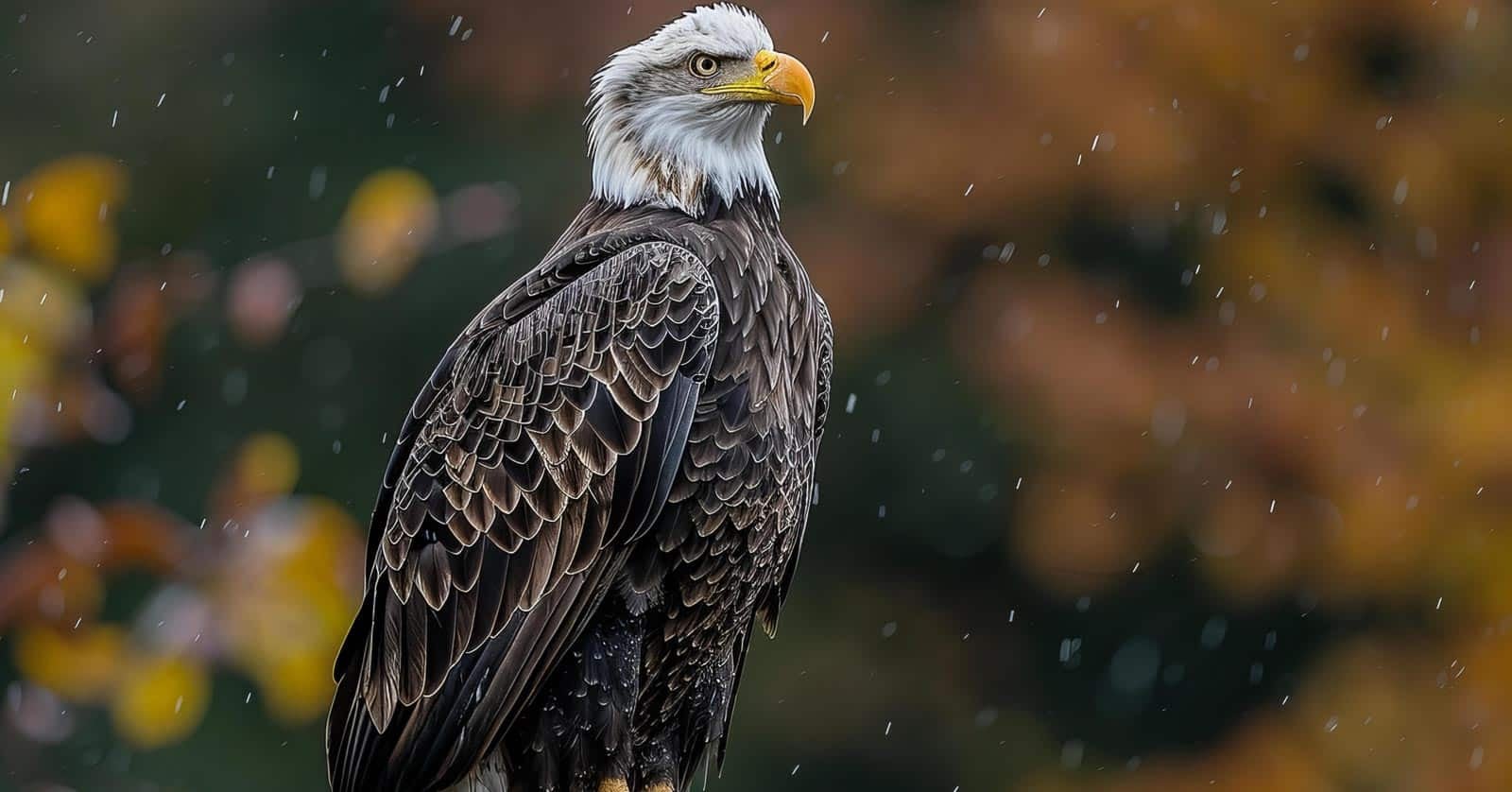
Few conservation success stories are as dramatic as the return of the bald eagle.
Once pushed to the brink by habitat loss, hunting, and widespread DDT contamination, America’s national bird experienced one of the most significant wildlife recoveries in modern history. Decades of legal protections, habitat conservation, and the banning of DDT helped populations rebound across much of the United States, transforming a species once at risk of disappearing into a conservation success story.
Today, bald eagles can be found soaring above rivers, lakes, coastlines, reservoirs, and mountain valleys throughout much of North America. In some regions, populations have grown so successfully that annual eagle migrations and winter gatherings now attract thousands of wildlife enthusiasts, photographers, and birdwatchers.
For nature lovers, few wildlife encounters rival the sight of a bald eagle gliding overhead or perched high above a riverbank. These destinations offer some of the best opportunities in the country to witness one of America’s most iconic birds in its natural habitat.
Lake Coeur d’Alene, Idaho
Lake Coeur d’Alene is a beautiful freshwater lake in northern Idaho where bald eagles gather in large numbers. During late fall and early winter, they come to feed on spawning kokanee salmon. This predictable food source makes the lake a reliable spot for eagle viewing. Visitors often travel from different parts of the country to experience the sight of dozens of eagles in one location. The combination of the lake’s natural beauty and the presence of eagles creates a memorable wildlife experience.
Skagit River, Washington
The Skagit River in Washington State is well known for bald eagle sightings, especially during the winter. Large numbers of eagles gather along the river to feed on salmon, creating an impressive scene for visitors. The area has become a popular destination for bird watchers and photographers. Local communities often host events to celebrate the eagle season. It remains one of the best places in the country to observe these birds in their natural environment.
Kenai Peninsula, Alaska
Alaska is home to the largest population of bald eagles in the United States. The Kenai Peninsula offers excellent opportunities to see these birds year-round. Here, eagles are a common sight, often seen perched on trees along the coastline or flying overhead. The sheer number of these animals makes it a prime destination for eagle watching.
Squaw Creek National Wildlife Refuge, Missouri
Located in northwestern Missouri, Squaw Creek National Wildlife Refuge is a crucial stopover point for migrating waterfowl and eagles. The refuge offers critical habitat during the colder months, especially for bald eagles. Visitors often come to watch these majestic birds soaring or perched near the water. The landscape provides both food and shelter, making it an ideal environment. It continues to be a favorite destination for bird enthusiasts and nature lovers.
Chippewa National Forest, Minnesota
The Chippewa National Forest in Minnesota is a significant breeding ground for bald eagles. The forest, with its vast network of lakes and rivers, provides an ideal environment for nesting and raising young. Visitors often spot eagles soaring above the water or perched high in the trees. The presence of these birds highlights the region’s rich natural habitat and strong conservation history. Minnesota is often called the “Land of 10,000 Lakes,” and this forest lives up to that reputation.
Conowingo Dam, Maryland
The Conowingo Dam in Maryland is a popular spot for eagle watching. Its waters provide plenty of fish, attracting large numbers of bald eagles. Visitors often come in late fall and winter to see them feed and soar. The open views make it one of the best places to watch these birds.
James River, Virginia
The James River in Virginia has seen a strong comeback of its eagle population. A boat trip along the river gives visitors the chance to see eagles nesting and hunting near the shoreline. Conservation efforts have played a major role in restoring the habitat. The recovery here is one of the most notable success stories in the region.
Klamath Basin, Oregon and California
The Klamath Basin, straddling the border of Oregon and California, is a crucial wintering ground for bald eagles. The Tule Lake and Lower Klamath National Wildlife Refuges host one of the largest wintering populations of bald eagles in the continental United States. The refuge’s wetlands and farmlands provide ample food sources.
Yellowstone National Park, Wyoming
Save this article
While known for its bison and wolves, Yellowstone National Park also has a thriving bald eagle population. These birds are often seen near the park’s major rivers and lakes, such as the Yellowstone River and Yellowstone Lake. Their majestic presence adds to the park’s already stunning landscape. A quick travel search for this park would show many pictures of the eagle population.
Reelfoot Lake, Tennessee
Reelfoot Lake in Tennessee is a prime wintering destination for bald eagles. The lake’s shallow waters and surrounding cypress swamps provide a perfect hunting ground. The annual Reelfoot Lake Eagle Festival in February celebrates the return of the eagles and offers guided tours. You can even pawn an old antique here.
Blackwater National Wildlife Refuge, Maryland
The Blackwater National Wildlife Refuge on Maryland’s Eastern Shore is home to the largest breeding population of American bald eagles. Its diverse habitat of tidal marsh, woods, and freshwater ponds supports a thriving ecosystem for these birds. The refuge also serves as a significant nesting area, making it a reliable place to spot eagles throughout the year. Some visitors even travel here with their pets.
More articles:
- Why Migratory Birds Are in Trouble and How You Can Help
- 9 animals that can stand their ground against lions
- 9 wild U.S. Animals you can’t touch, no matter what
Disclosure: This article was developed with the assistance of AI and was subsequently reviewed, revised, and approved by our editorial team.
Like our content? Follow us on Newsbreak.
The 10 Most Expensive Wildlife Mistakes People Make in the U.S.

Wildlife can be awe-inspiring. It can also be incredibly costly if you don’t know what you’re doing. People make pricey mistakes with wild animals every day, whether it’s feeding a bear from your car window or trying to raise a raccoon like it’s a kitten.
Some of these missteps drain your bank account. Others get you slapped with serious fines or hospital bills. A few even put entire species or local ecosystems at risk. If you’re not careful, that photo op or animal rescue attempt might cost you a whole lot more than expected. Learn more.
12 dog breeds that are adorable, chaotic, and exhausting to own

That adorable puppy on your feed may also come with nonstop energy, shredded furniture, and a sleep schedule that no longer belongs to you.
Some dog breeds are undeniably charming, but charm and manageability are not always the same thing. High-energy and highly intelligent breeds often require far more time, structure, training, and stimulation than new owners expect. Learn more.
Why Jackals Are Key To Understanding Ecosystem Shifts
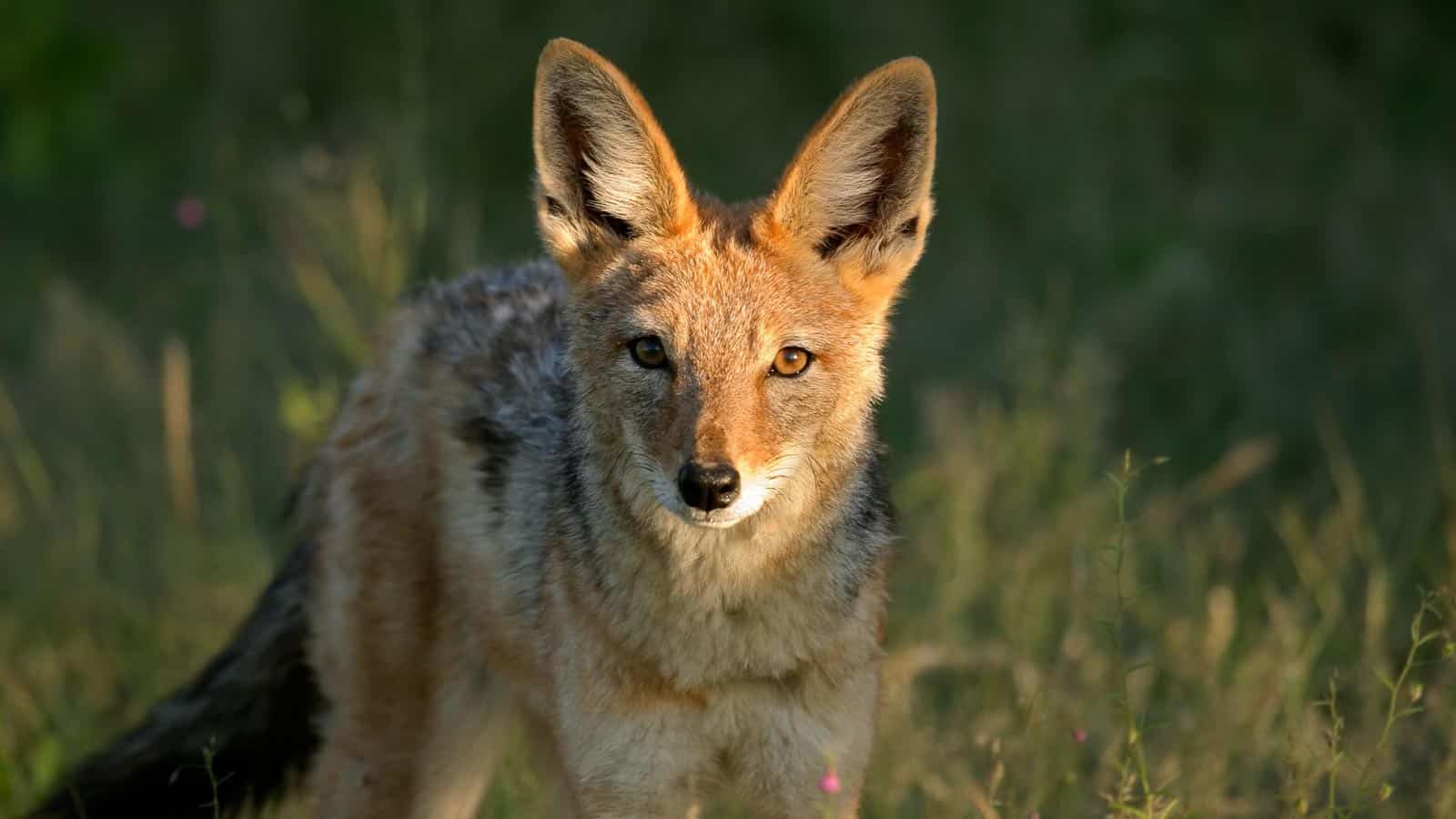
In a time when wildlife conversations focus on rarity, jackals stand out as a case study in resilience, adaptability, and shifting ecosystems.
Every April 19, World Jackal Day invites people to take a fresh look at an animal that has spent centuries in the shadow of bigger, better-known predators. Jackals may not be the most famous members of the dog family, but they are among the most adaptable. Found across Africa, Asia, and parts of Europe, they thrive in a wide range of habitats and survive by making smart use of whatever food and shelter the landscape provides. Learn more.





