

Vegetables sit at the center of nearly every healthy-eating plan, praised by doctors, promoted by schools, and recommended by dietitians to fill half your plate.
Yet nutrition experts agree on one important truth: no single food works perfectly for every body. Health conditions, genetics, digestion, medications, and even cooking methods can turn certain vegetables into problem foods for some people.
That doesn’t make these vegetables “bad.” It simply means biology is personal. Here are 11 vegetables nutritionists say may cause issues for specific groups.
Spinach

Spinach delivers iron, folate, and vitamin K, but it also contains high levels of oxalates. These compounds bind to calcium and can contribute to kidney stone formation in people who are genetically prone.
Eating spinach occasionally is usually fine. Consuming large amounts daily, especially in smoothies, raises the risk.
Kale

Kale earns its “superfood” reputation honestly, but it contains goitrogens, natural substances that can interfere with iodine absorption.
For people with thyroid disorders, excessive raw kale may worsen hormone imbalance. Cooking reduces this effect significantly.
Broccoli

Broccoli supplies fiber, vitamin C, and cancer-fighting compounds. It also produces sulfur gases during digestion, which explains why many people experience bloating, cramping, or pressure after eating it.
Those with IBS or sensitive digestion often struggle most.
Cauliflower

Cauliflower has become a low-carb superstar, appearing in pizza crusts, rice substitutes, and snack foods.
However, it contains high levels of FODMAP carbohydrates, which ferment in the gut and can trigger painful bloating, diarrhea, and gas for people with digestive disorders.
Brussels Sprouts

These tiny cabbages deliver strong antioxidant benefits, but their fiber and sulfur compounds slow digestion and increase gas production.
Large servings frequently cause abdominal pressure even in healthy adults.
Tomatoes

Tomatoes bring vitamin C and lycopene, but also high acidity. This combination can irritate the esophagus, trigger acid reflux, and worsen heartburn.
Save this article
For people with GERD, frequent tomato consumption often intensifies symptoms.
Onions
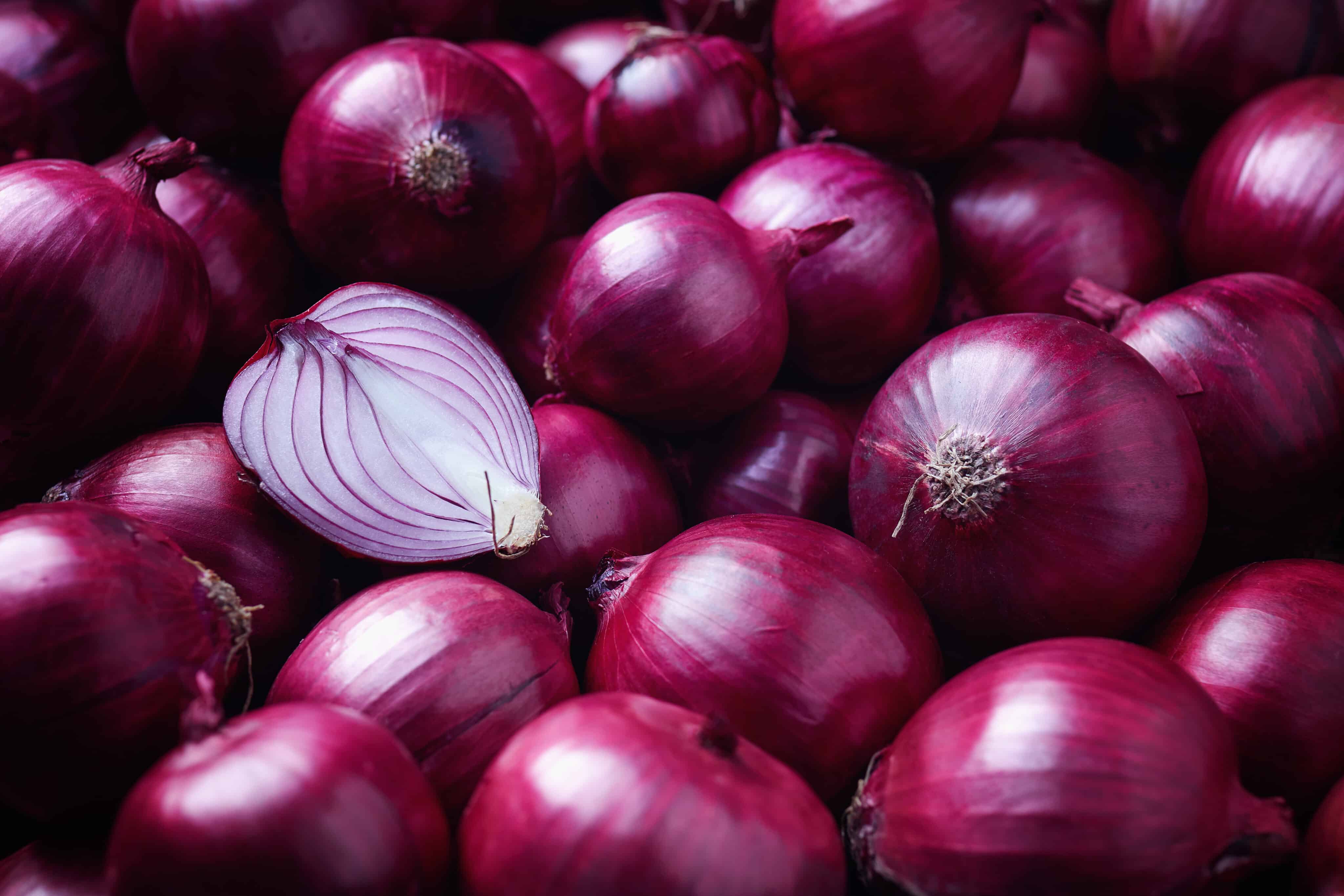
Onions contain fermentable fibers that feed healthy gut bacteria, but they can also cause excessive gas in sensitive digestive systems.
People with IBS often identify onions as a major trigger for cramps and diarrhea.
Mushrooms

Mushrooms contain natural sugar alcohols that ferment during digestion. This process often causes bloating, gas, and discomfort, especially when eaten raw or in large amounts.
Bell Peppers

Bell peppers are rich in vitamin C but contain compounds that trigger mild allergic reactions in some individuals, including mouth itching or stomach irritation.
Raw peppers cause more issues than cooked ones.
Corn

Corn is technically a grain but commonly treated as a vegetable. It contains tough outer fibers that resist digestion and a high starch content that may spike blood sugar in people with diabetes or insulin resistance.
Raw Cabbage

Raw cabbage is difficult to break down and contains compounds that interfere with iodine absorption when consumed frequently.
Cooking softens its fibers and neutralizes many of these effects.
Key Takeaways

Vegetables remain essential to long-term health, disease prevention, and energy levels. Still, the healthiest diet is not universal; it’s personal.
A vegetable that heals one person may irritate another. True nutrition success comes from balance, awareness, and customization, not rigid rules.
Also on MSN: 11 most beautiful villages in the world you should visit at least once
Disclosure: This article was developed with the assistance of AI and was subsequently reviewed, revised, and approved by our editorial team.
Disclaimer: This list is solely the author’s opinion based on research and publicly available information. It is not intended to be professional advice.
Like our content? Be sure to follow us.





