

Strip away the theology, and you’re left with an awkward fact skeptics rarely dispute: history keeps lining up with the Bible’s boldest predictions.
For centuries, critics and believers have debated the validity of biblical texts, often clashing over the timeline of when specific predictions were actually written down. While skeptics argue that many prophecies were recorded after the events took place, they rarely dispute that the events themselves happened exactly as described.
Modern archaeology has unearthed physical evidence that matches these biblical descriptions, forcing even the harshest critics to acknowledge the historical accuracy of the texts. Whether one views these as divine foresight or astute political observation, the correlation between the written word and historical reality is undeniable.
The Fall Of Babylon

The prophet Isaiah described the total overthrow of Babylon, predicting it would be like Sodom and Gomorrah and never inhabited again across generations. This ancient superpower, known for its hanging gardens and thick walls, eventually fell into ruin and remains an uninhabited archaeological site in modern-day Iraq. Even Alexander the Great, who intended to restore the city to its former glory, died before he could begin the project, leaving the ruins untouched.
Skeptics might argue about the dating of the text, but they agree that the city’s fate matches the biblical description of total desolation. Visitors today find only mounds of earth and broken bricks where a majestic empire once stood, fulfilling the eerie prediction of permanent silence. The once-bustling hub of culture and power is now a stark testament to the fragility of human empires.
The Destruction Of Tyre

Ezekiel predicted that the city of Tyre would be thrown into the sea and its stones, timber, and dust laid in the water. History confirms that Alexander the Great built a causeway using the debris of the old mainland city to reach the island fortress during his famous siege. This specific detail of scraping the city clean like a bare rock seemed improbable until military strategy necessitated it centuries later.
While the city has been rebuilt in various forms, the ancient Phoenician capital as it existed was effectively wiped off the map in the manner described. Archaeological records support the narrative that the original materials were indeed cast into the sea to facilitate the conquest. According to Purdue University scholar Lawrence Mykytiuk, archaeology has now confirmed the existence of 53 specific figures from the Hebrew Bible, lending credence to the historical context of these events.
The Succession Of Empires

The book of Daniel describes a dream of a statue made of four different metals, representing four successive world empires starting with Babylon. Historians universally recognize the sequence of Babylon, Medo-Persia, Greece, and Rome as the dominant powers that shaped the Western world. The transition from the gold head to the iron legs depicts a clear historical progression that no serious scholar denies occurred.
Critics often claim this was written during the Greek era, yet they admit the Roman Empire—the “legs of iron”—rose to power exactly as the pattern suggested. The eventual fragmentation of the Roman Empire into smaller, weaker kingdoms also mirrors the feet of iron mixed with clay described in the text. This geopolitical roadmap effectively outlined the course of Western history for centuries.
Cyrus The Great

Isaiah mentioned Cyrus by name and predicted he would open the gates of Babylon to free the Jewish exiles, seemingly over a century before Cyrus was born. The Cyrus Cylinder 403, an ancient clay artifact, confirms that Cyrus the Great did indeed conquer Babylon and allow displaced people to return to their homelands. This policy of repatriation was a distinct shift from previous conquerors and aligns perfectly with the biblical narrative.
Historians accept the Cyrus Cylinder as a primary document that verifies the Persian king’s unusual decree of tolerance. Even those who doubt the supernatural origin of the prophecy admit that the historical actions of Cyrus align precisely with the biblical account. The specificity of his name and his policy remains one of the most debated yet historically verified aspects of the text.
The Dispersion Of Israel
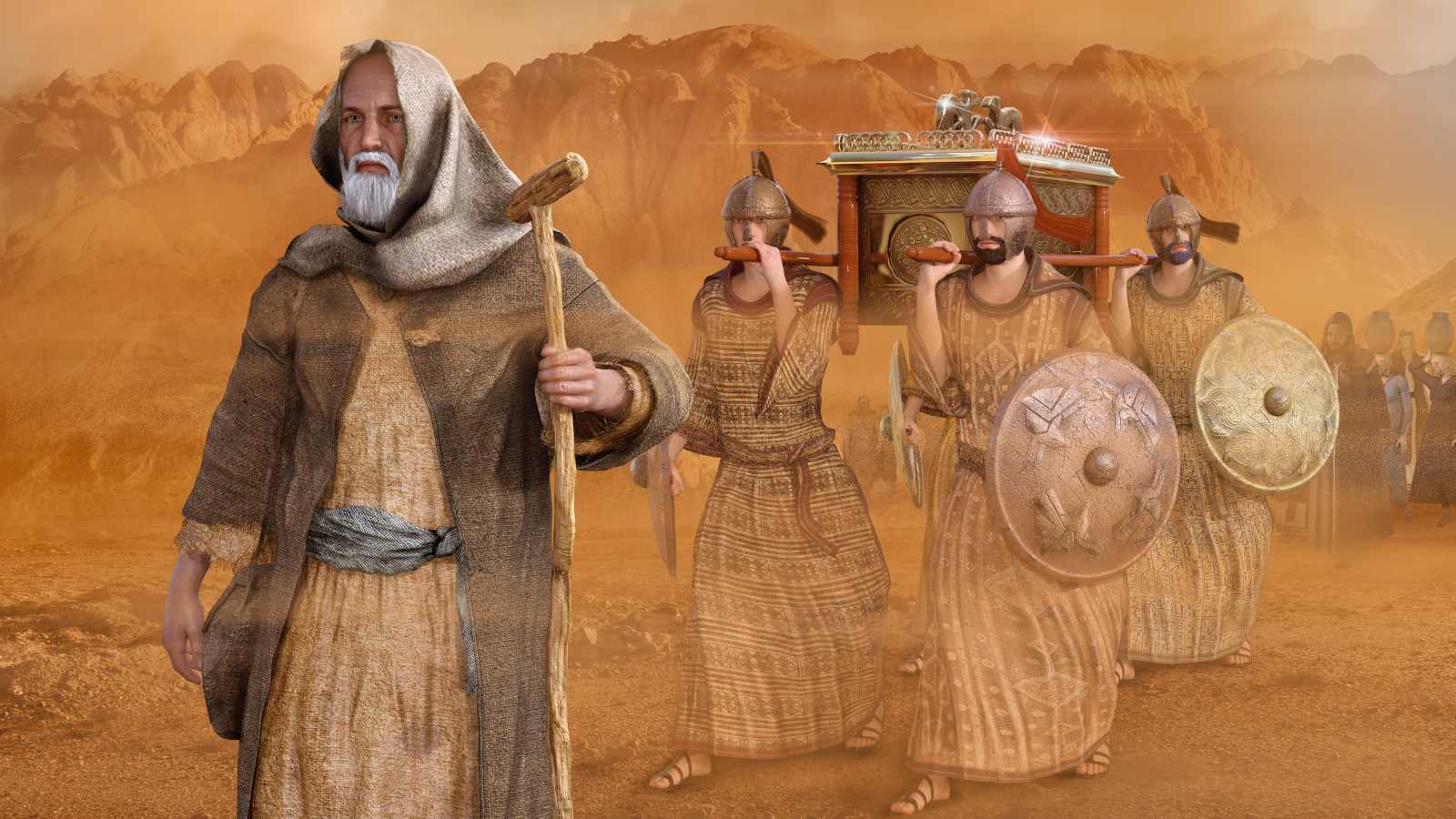
The book of Deuteronomy warned that if the Israelites turned away, they would be scattered from one end of the earth to the other. History records the Jewish diaspora as a factual reality, with communities established in virtually every nation following the Roman destruction of Jerusalem in 70 A.D. For nearly two thousand years, the Jewish people maintained their identity despite having no central homeland.
This global scattering is a demographic anomaly that historians and sociologists have studied extensively. Few other ancient people groups have been dispersed so widely while retaining their distinct cultural and religious heritage over millennia. The scale of this dispersion matches the “removed into all the kingdoms of the earth” description found in the ancient writings.
The Restoration Of Israel

Prophecies in Ezekiel and Isaiah spoke of a time when the Jewish people would be gathered from all nations and brought back to their ancient land. The establishment of the State of Israel in 1948 is a matter of historical record, marking a rare instance of a people group returning to their ancestral home after centuries. This event shifted the geopolitical dynamic of the Middle East and fulfilled the “gathering” prediction.
While the politics are complex, the physical return of millions of people to this specific geographic region is a verifiable demographic shift. According to Reuters, in 2023, over 3 million people visited Israel, many flocking to see a nation that was essentially reborn from the pages of history. The revival of the Hebrew language, once used only for prayer, further cements this restoration as a unique historical phenomenon.
Save this article
The Closing Of The Golden Gate

Ezekiel predicted that the Eastern Gate of Jerusalem would be shut and no man would enter by it because the Lord had entered by it. In the 16th century, Ottoman Sultan Suleiman the Magnificent sealed this specific gate, and it has remained bricked up to this day. A cemetery was later placed in front of it, seemingly creating a double barrier against any potential kingly entry.
Skeptics acknowledge that the gate is physically sealed, just as the text describes, regardless of the motivation behind the construction. It stands as a visible, tangible example of a prediction that can be verified by anyone walking around the walls of the Old City today. The fact that it remains the only sealed gate among the city’s active entrances is a historical curiosity that aligns with the prophecy.
Nineveh’s Watery End
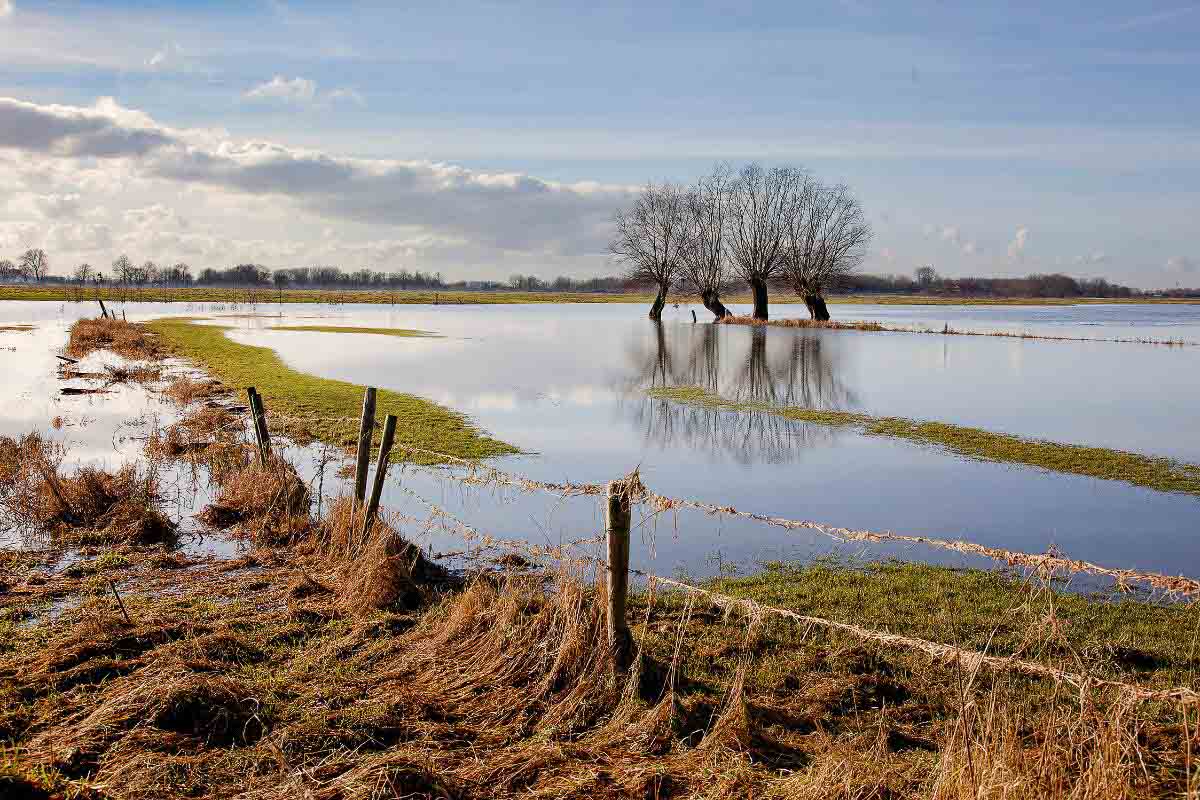
The prophet Nahum predicted that Nineveh would be destroyed with an “overwhelming flood” and that fire would devour its bars. Archaeologists excavating the site found layers of ash and evidence that the Khosr River had indeed flooded, breaching the walls and allowing the Babylonians to enter. The combination of flood damage and fire damage is consistent with the physical strata found at the site.
For years, the location of Nineveh was lost, leading some to doubt it ever existed as a major power. Once discovered, the ruins provided hard evidence that the city fell exactly through the breach of its water defenses and subsequent burning. This confirmed the specific method of destruction that had been written down centuries prior.
Petra’s Desolation

Jeremiah predicted that Edom would become a terrible desolation and that its cities would be uninhabited forever. Today, the ancient city of Petra stands as a magnificent but empty tourist attraction, with no living civilization residing within its carved rock dwellings. The Edomite culture has completely vanished from history, leaving only its stone monuments behind.
While Bedouins have lived in caves nearby, the organized nation and city-state structure predicted to collapse has never returned. The complete disappearance of the Edomite people as a distinct ethnic group stands in contrast to their neighbors, who survived. This aligns with the “perpetual wastes” description, a status that history has maintained for thousands of years.
The Spread Of The Gospel

The New Testament predicted that the message of Christianity would be preached in all the world to all nations before the end comes. From a small group of fishermen in Galilee, this faith has grown to become the largest religion globally, reaching every continent and culture. Sociologists track this growth as one of the most successful ideological expansions in human history.
Even secular observers admit that the transmission of these texts to the remotest parts of the globe is a statistical marvel. Data from the YouVersion Bible App shows that in 2024 alone, daily engagement hit 14 million users, demonstrating the continued global reach of this message. The text has crossed linguistic and cultural barriers that usually halt other movements.
Persecution Of Believers

Early texts warned that followers would be hated by all nations and subjected to tribulation for their beliefs. Open Doors today confirms that Christians remain the most persecuted religious group globally, facing restrictions in over 70 countries. This animosity continues despite the religion’s emphasis on peace and charity.
The persistence of this opposition, even in modern, pluralistic societies, mirrors the ancient warnings given to early adherents. A Gallup poll found that while only 20% of Americans view the Bible as the literal word of God, the cultural friction surrounding its teachings remains high. This tension between the faith and the broader culture was anticipated as a constant reality.
Knowledge And Travel Increase

The book of Daniel suggests a time when “many shall run to and fro, and knowledge shall be increased.” The last century has seen an exponential rise in transportation technology and information access that has fundamentally changed human existence. The ability to travel globally in hours and access the sum of human knowledge instantly is a thoroughly modern development.
Skeptics interpret this as a general observation, but they cannot deny that the acceleration of travel and data in our era is unprecedented. Recent reports from the American Bible Society in 2025 note a surprising 19% surge in Bible engagement among young men, suggesting that even in an age of information overload, ancient texts still circulate.
Pew Research projects that if current trends continue, the Christian population will reach 2.9 billion by 2050, showing that this “knowledge” continues to expand alongside technology.
Disclaimer: This list is solely the author’s opinion based on research and publicly available information. It is not intended to be professional advice.
Like our content? Be sure to follow us