

Quinoa’s superfood crown is slipping as a wave of ancient grains with bigger flavors, stronger nutrition, and booming global demand moves into the spotlight.
Quinoa has enjoyed a long reign as the go-to superfood for health enthusiasts, but plenty of other tasty options are waiting to fill your bowl. Many home cooks are discovering that diversifying their pantry with different textures and flavors can make dinner exciting again while delivering serious nutrition.
You do not have to stick to just one grain when there are so many delicious varieties that offer distinct benefits like higher protein or fiber counts. Exploring these alternatives can revitalize your weekly meal prep and introduce you to culinary traditions from around the globe.
Fonio

This tiny West African grain cooks faster than almost any other option in your pantry, ready to eat in just five minutes. It has a light texture similar to couscous but brings a much earthier, nuttier flavor profile that pairs perfectly with roasted vegetables or stews.
Interest in this crop is exploding as more people look for sustainable options that support small farming communities. According to OpenPR, the global market for this crop reached $2.47 million recently and is projected to hit $5.32 million by 2031.
Teff

You might recognize this poppy seed-sized powerhouse as the base for injera, the spongy flatbread essential to Ethiopian cuisine. It packs a surprising amount of calcium and vitamin C, nutrients that are often missing from standard wheat or rice dishes.
The popularity of gluten-free baking has pushed this ingredient into the spotlight for making brownies, cookies, and pancakes. Recent data from Market Reports World estimates the global market size for this tiny giant sits at $487.63 million as of 2024.
Amaranth

This peppery little seed was once a staple of the Aztecs and cooks up into a thick porridge that is perfect for cold mornings. It acts like a thickening agent in soups and stews, adding a hearty consistency that keeps you full for hours after eating.
You can also pop it like popcorn in a dry skillet for a crunchy topping on yogurt or salads. It contains all nine essential amino acids, making it a complete protein source that rivals animal products for nutritional completeness.
Millet

Birdseed jokes aside, this versatile ingredient is a staple for billions of people and offers a mild, corn-like flavor that is comforting and sweet. It fluffs up beautifully when cooked, making it an excellent substitute for rice or mashed potatoes when you want something different.
Farmers and economists are taking notice of its potential to feed a growing population in a changing climate. Straits Research valued the global market for this resilient crop at a staggering $11.24 billion in 2024.
Sorghum

This drought-tolerant crop has a chewy texture that holds up well in hearty grain bowls and salads that need some bite. It is often popped like corn for a miniature, crunchy snack that kids love, or ground into a sweet flour for gluten-free baking.
American farmers are producing massive amounts of this grain as demand rises for water-efficient crops. The DTN Progressive Farmer says the United States production was 344 million bushels in 2024, reflecting its growing importance in our agriculture.
Farro

Chefs love this ancient wheat variety for its distinct al dente bite and nutty undertones that stand up to heavy dressings. It is high in fiber and protein, making it a substantial base for Mediterranean salads or a savory side dish with herbs.
Save this article
Unlike softer grains that can turn to mush, this one maintains its structure even when reheated the next day. Soaking it overnight can drastically reduce the cooking time, making it a convenient option for quick weeknight dinners.
Freekeh

Harvested while the wheat is still green and then roasted, this grain carries a smoky flavor that is impossible to replicate. The roasting process burns off the straw and chaff, leaving behind a kernel that adds depth to soups and pilafs.
It contains significantly more fiber than brown rice, which helps with digestion and keeping blood sugar levels steady. The firm texture and savory, smoky taste make it an ideal meat substitute in vegetarian chili or stuffing recipes.
Buckwheat

Despite the confusing name, this plant is actually related to rhubarb and sorrel rather than wheat, making it naturally gluten-free. It has a robust, earthy flavor that shines in soba noodles or as toasted groats, known as kasha, in Eastern European dishes.
Market analysts are seeing steady growth as consumers seek out nutrient-dense foods that support soil health. Global Market Insights reported the market size for this versatile seed was valued at $621.9 million in 2024.
Spelt

This distant cousin of wheat has a nutty, slightly sweet flavor that many bakers prefer over standard whole wheat flour. It contains gluten, but the structure is different, which some people find easier to digest than modern commercial wheat varieties.
You can use the berries in risotto or soups for a pleasant chewiness that does not disintegrate during long simmers. Its tough outer hull protects the kernel from pests and pollutants, often eliminating the need for harsh pesticides.
Kamut

Also known as Khorasan wheat, this grain has rich, buttery notes and large kernels that provide a satisfying mouthfeel. It is higher in protein and vitamin E than common wheat, giving you more nutritional bang for your buck in every serving.
The firm texture makes it excellent for holding its shape in pasta salads or hearty vegetable stews. Many people who are sensitive to modern wheat report they can tolerate this ancient variety without the usual digestive discomfort.
Barley
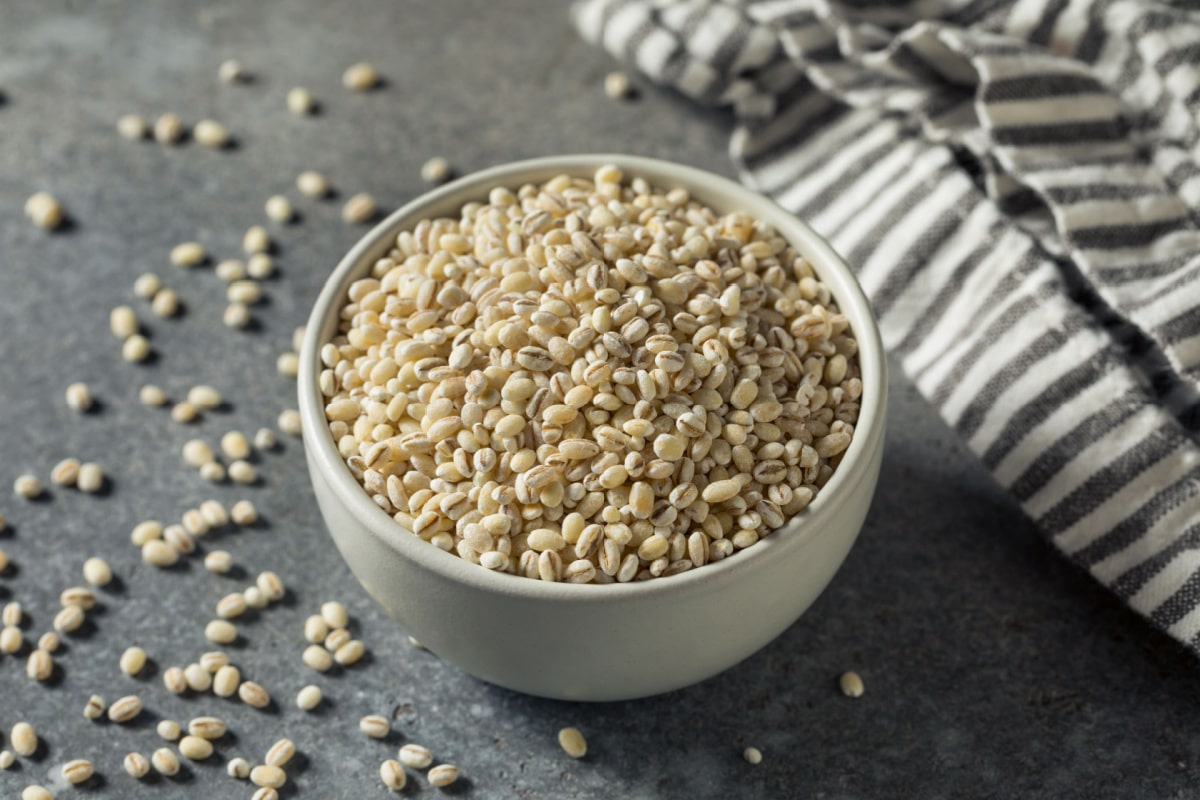
You probably know this grain from beef and vegetable soup, but it deserves a place on your plate as a standalone side. It has a wonderful pasta-like consistency and is loaded with beta-glucan fiber, which is linked to lower cholesterol levels.
It absorbs flavors like a sponge, making it a perfect vehicle for rich stocks, herbs, and spices. Hulled varieties are the most nutritious option because they retain the bran layer, unlike the more common pearled version.
Wild Rice

Native to North America, this aquatic grass seed has a striking dark color and a distinctively strong, tea-like flavor. It is often mixed with other softer grains to add texture and visual appeal to holiday stuffings and pilafs.
The price point can be higher, but the intense flavor means a little goes a long way in any recipe. Analysts at Meticulous Research project the broader ancient grains market, including niche crops like this, will reach $10.52 billion by 2032.
Disclaimer: This list is solely the author’s opinion based on research and publicly available information. It is not intended to be professional advice.
Like our content? Be sure to follow us





