

Data from luxury lifestyle site Luxury Columnist shows that a “weekend golfer” can now spend over 3,000 dollars a year on fees and gear, turning a once casual pastime into a serious budget line item.
Hobbies are a great way to relax and enjoy personal time, but for many, what once was an affordable pastime has become increasingly costly. From arts and crafts to sports, the price of enjoying these hobbies has steadily risen over the years.
While some may still be able to afford these activities, others have found that pursuing their passions requires a significant financial investment. Here are 12 beloved hobbies that have become too expensive for many people.
Photography

Data from photography education site Better Digital Photo Tips shows that while many hobbyists still start with relatively modest camera bodies, lenses alone can range from roughly $300 for basic zooms to well over $1,000 for higher-end glass, quickly turning “just a hobby” into a serious investment.
Additionally, many hobbyists now feel the pressure to upgrade their equipment regularly, leading to ever-increasing expenses. What was once a relatively inexpensive way to capture memories has turned into a financial commitment.
Golf

Luxury lifestyle site Luxury Columnist notes that a “weekend golfer” can now spend over $3,000 a year on course fees, equipment, and related costs, making this traditionally elite sport even more financially out of reach for many people.
For those who simply enjoy the game recreationally, these costs can be prohibitive, making it difficult to enjoy the hobby without a hefty budget. Even driving ranges and golf lessons come with a price tag that discourages many from taking up the sport.
Traveling

Average hotel costs have jumped about 10% since 2019, driven by higher demand and inflation, especially in major destinations that also face tighter short‑term rental rules. At the same time, global average air ticket prices have climbed to around $705 in 2025, so flights, hotels, and basic trip logistics are eating up a larger share of travelers’ budgets.
Long-haul flights that once felt like an occasional splurge now routinely run $800 to $1,500 per ticket for economy on popular international routes, with premium cabins easily climbing into several thousand dollars per person.
Camping
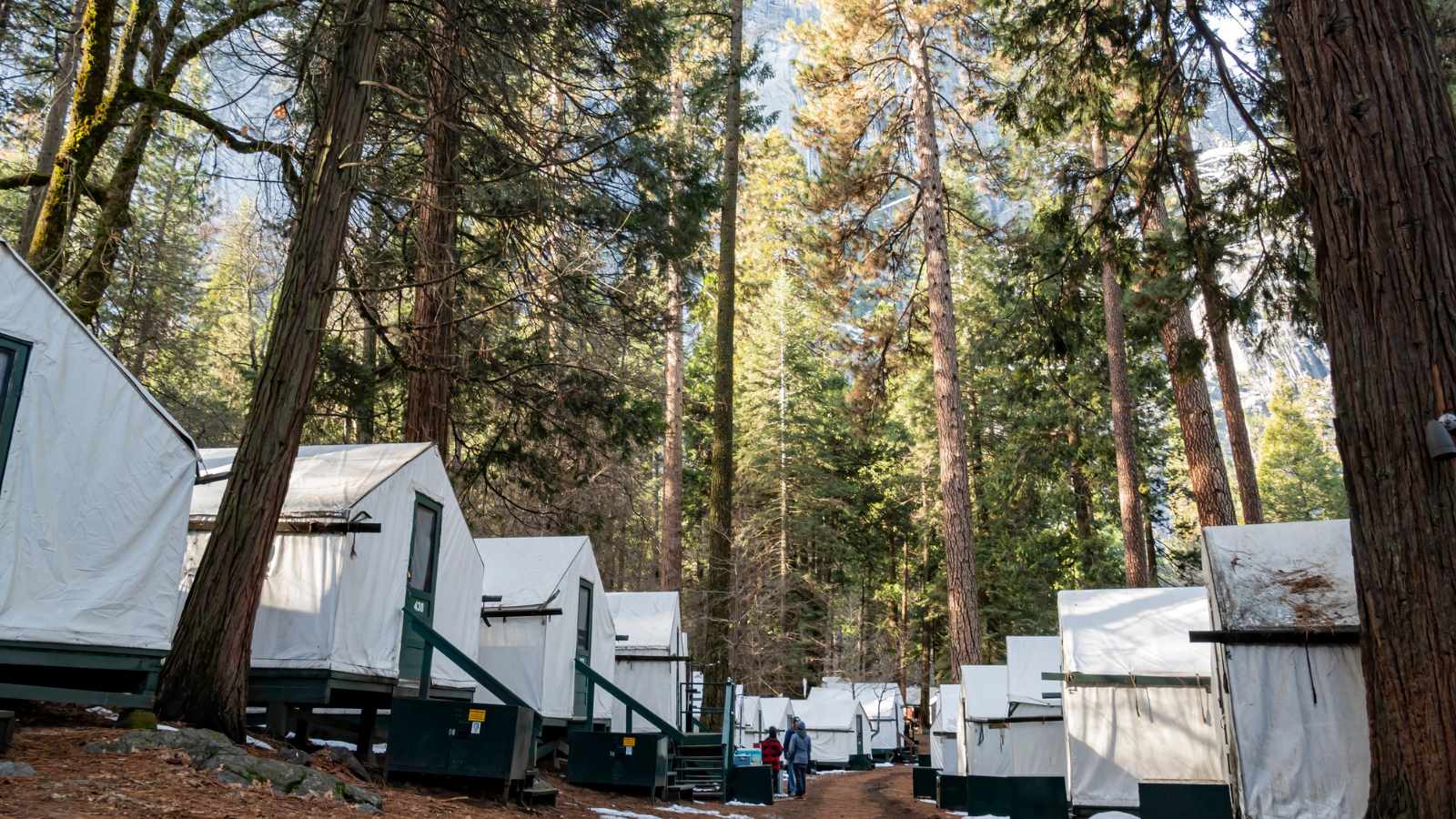
Camping once appealed to budget-minded travelers, but a realistic starter setup now often runs from about $300 to $3,000 in gear alone, with total equipment costs ranging anywhere from roughly $170 for secondhand basics to over $4,000 for glamping-style comfort.
In addition, many campsites now charge higher fees, especially in popular national parks. While camping remains a great outdoor experience, it’s no longer as affordable as it used to be.
Also on MSN: 12 Hobbies People Quietly Quit as They Age
Gardening

Gardening has quietly become a serious budget item, with the average U.S. household now spending around $670 a year on lawn and garden activities, up sharply from just a few years ago.
Additionally, the need for specialized fertilizers, pest control, and watering systems can drive costs even higher. What once was a low-cost pastime is now an investment in time and money.
Cycling

Cycling has become a pricey passion, with many quality road and mountain bikes starting around $1,000 and climbing into the several‑thousand‑dollar range, while estimates from used-bike retailer The Pro’s Closet suggest annual maintenance alone can easily run $300 for regular riders.
The price of helmets, cycling gear, and specialized shoes further contributes to the high cost of participating in the sport. For many, these expenses make cycling an unaffordable option, especially when considering the need for regular upgrades.
Cooking Classes

Cooking has become a surprisingly pricey pastime, with many instructors now charging roughly $75 to $150 per person for a single hands-on class, meaning a fun night in the kitchen can rival a high-end dinner out.
Additionally, purchasing high-end cooking tools, specialty ingredients, and cookbooks can quickly add to the cost of this hobby. What started as a fun activity in your kitchen has become a luxury experience for many.
Save this article
Art and Crafting

Art and crafting have always been popular hobbies, but the materials and tools required have become more expensive. Whether it’s paints, clay, or specialized fabrics, high-quality supplies can add up quickly.
Moreover, the cost of attending workshops or purchasing high-end equipment for specific crafts has also increased. For many, the cost of indulging their creativity has exceeded their budget.
Horseback Riding

Horseback riding remains one of the most expensive hobbies, with boarding alone averaging about $400 to $500 per month, roughly $4,800 to $6,000 a year, and ranging from around $100 at basic self-care barns to $2,000 at luxury full-care stables.
Additionally, there are also costs associated with riding lessons and equipment, making it a luxury hobby for most people. Even for those who own horses, the upkeep is a financial burden.
Yachting

Yachting has always been synonymous with wealth, and it remains an ultra-expensive hobby, with annual costs typically running 10 to 25% of a yacht’s value, about 100,000 dollars a year for a one-million‑dollar boat and roughly 2 million for a 10-million-dollar vessel.
Even renting a yacht for a few days can cost several thousand dollars, making it an exclusive experience. Yachting is a hobby that requires a substantial financial commitment, far beyond what most people can afford.
Collecting Antiques

Collecting antiques can be an exciting hobby, but it can add up fast: the global antiques and collectibles market alone was valued at about 238 billion dollars in 2024 and is forecast to top 400 billion dollars by 2034.
As the market for antiques continues to grow, the prices of many items have surged, making it difficult for hobbyists to afford new pieces. What was once a fun pastime is now an investment that many can no longer afford.
Fishing

Fishing, once an inexpensive way to relax by the water, has gotten noticeably pricier, with basic start‑up gear like a rod-and-reel combo, line, tackle, and a license typically running around $70 to $150. For regular anglers, annual costs for bait, tackle replacements, travel, and maintenance can climb into the $700 to $1,700 range, especially for those heading out most weekends.
Additionally, owning or renting a boat for deep-sea fishing can be a significant expense. What was once a casual activity at the lake has become an expensive pursuit for many fishing enthusiasts.
Key Takeaway

Hobbies are a great way to unwind and enjoy life, but as time goes on, many beloved activities have become too expensive for the average person. Whether it’s traveling, gardening, or yachting, rising costs have made some of our favorite pastimes more financially challenging.
By finding alternative ways to enjoy these hobbies or adjusting your approach, you can continue to pursue your passions without breaking the bank.
Disclaimer – This list is solely the author’s opinion based on research and publicly available information. It is not intended to be professional advice.
Disclosure: This article was developed with the assistance of AI and was subsequently reviewed, revised, and approved by our editorial team.
How Total Beginners Are Building Wealth Fast in 2025—No Experience Needed

How Total Beginners Are Building Wealth Fast in 2025
I used to think investing was something you did after you were already rich. Like, you needed $10,000 in a suit pocket and a guy named Chad at some fancy firm who knew how to “diversify your portfolio.” Meanwhile, I was just trying to figure out how to stretch $43 to payday.
But a lot has changed. And fast. In 2025, building wealth doesn’t require a finance degree—or even a lot of money. The tools are simpler. The entry points are lower. And believe it or not, total beginners are stacking wins just by starting small and staying consistent.
Click here and let’s break down how.





