Let’s be real, buying a car in 2025 is a whole different beast. You’re probably excited, maybe a little stressed, and definitely trying to get the best deal. But the game has changed. First, the sticker shock is intense. The average price for a new car is hovering around $48,401, as reported by MoneyGeek.com. That’s a 30% jump from just a few years ago.
Your monthly payment? Expect to see something around $745 for a new ride. But here’s the kicker: the real cost to own and operate that new car, when you factor in everything, has shot past $1,000 a month, hitting an eye-watering $12,297 per year, according to AAA. To manage these costs, we’re stretching loans out longer than ever, with the average term now at nearly six years.
With that in mind, here are the 12 common mistakes to avoid.
Focusing only on the monthly payment

This is, without a doubt, the biggest trap in the book. A salesperson’s favorite question is, “So, what kind of monthly payment are you looking for?” It sounds helpful, but it’s a trick. As Edmunds’ Senior Consumer Advice Editor Phil Reed puts it, “When you do that, you’re not actually talking about the total price of the car. You also need to take into consideration the interest rate, as well as the length of the loan”.
Dealers can make almost any car fit your monthly budget by stretching out the loan term. Experian reports that the average new car loan is already 68.6 months, but for buyers with just okay credit, that can balloon to nearly 75 months—that’s well over six years of payments.
A longer loan means you pay way more in interest. For example, on a $40,000 loan with a 7% interest rate, a 72-month term will cost you $8,413 in interest. Shorten that to 60 months, and you’ll pay $6,959. That’s a savings of nearly $1,500 just by paying the loan off one year sooner.
Skipping the financing homework

If you walk into a dealership without a loan pre-approval from your own bank or credit union, you’re basically handing the dealer a blank check.
Here’s how it works: The dealer gets a loan for you from a lender at a certain interest rate, called the “buy rate.” They then mark up that rate and offer it to you as the “contract rate.” That markup is pure profit for them.
The difference can be huge. The National Credit Union Administration reports that in June 2025, the average 60-month new car loan from a credit union was 5.75%. From a bank, it was 7.49%. On a $30,000 loan, that difference alone could save you more than $1,400.
“One of the most costly and common mistakes car buyers make is waiting until they’re sitting in the dealership finance office to think about a loan,” according to CBSNews. The Consumer Financial Protection Bureau confirms that getting pre-approved “can save buyers hundreds to thousands of dollars over the life of the loan.”
Not doing your online research
In today’s market, information is your best defense. With 95% of buyers starting their journey online, you’re at a huge disadvantage if you don’t. A study by CSM International’s customer research division found that the average shopper spends nearly 14 hours online before ever setting foot in a dealership.
Use that time wisely. Research the car’s reliability on sites like Consumer Reports and J.D. Power, as reliability is a top concern for 59% of buyers. Check the resale value on Edmunds or Kelley Blue Book (KBB) to avoid models that depreciate like a rock.
Most importantly, research the price. Find the “dealer invoice” price, which is closer to what the dealer actually paid for the car. This, not the window sticker (MSRP), should be your starting point for negotiations. Decades ago, the dealer had all the information. Today, you do. The biggest mistake is not using it.
Falling for an emotional purchase
Dealerships are masters of psychology. They want you to fall in love with a car because emotional buyers make bad financial decisions.
The test drive is their secret weapon. When you’re behind the wheel, a psychological principle called the “endowment effect” kicks in. You start to feel like you already own the car, which makes you value it more. Salespeople amplify this with false urgency, saying things like, “This deal is only good for today,” or “Someone else is coming to look at it this afternoon.”
Don’t fall for it. “Don’t test drive until you’ve narrowed your shortlist based on logic, price, insurance costs, fuel economy, and real needs,” one expert advises. “Sleep on it. Avoid making the final decision on the same day as your test drive”.
Shopping at only one dealership

Would you accept the first salary offer a new job gives you? Of course not. So why take the first price a dealer offers?
Making dealerships compete for your business is the easiest way to save money. Data from Edmunds showed the average discount off MSRP in June 2024 was $1,819—proof that there’s plenty of room to negotiate.
The best strategy? Contact the internet sales departments of at least three dealerships. Ask for the total “out-the-door” price in writing. Then, take the lowest offer and ask the other dealers if they can beat it.
You can save hundreds, or even thousands, by leveraging these remote, less emotional channels instead of haggling face-to-face on the showroom floor.
Botching the test drive

A test drive isn’t a joyride. It’s a critical inspection. You need to simulate your daily life in that car for at least 30 minutes.
Drive it on the highway and in city traffic. Do you notice any weird vibrations or noises?. Check for blind spots. Pair your phone—does it connect easily?. If you have kids, bring the car seat. Does it actually fit?.
As one expert from Edmunds notes, “Buyers need to think about how they are going to use the car on a daily basis: driving on the highway, transporting kids and pets and parking under various conditions”. This is your one chance to find the deal-breakers that don’t appear on a spec sheet.
Skipping the pre-purchase inspection on a used car
This is non-negotiable. For any used car you’re serious about, you must get a pre-purchase inspection (PPI) from an independent mechanic. It will cost you between $150 and $400, and it’s the best money you’ll ever spend.
A CarFax report is a great start, but it won’t tell you about mechanical problems. A mechanic can spot things like hidden frame damage, transmission issues, or engine leaks that could cost you thousands down the road.
If a seller refuses to let you get an independent inspection? Run, don’t walk. It’s the biggest red flag there is.
Getting a lowball offer on your trade-in
Here’s a pro tip: your trade-in is a completely separate transaction from buying the new car. Treat it that way. The best strategy is to negotiate the price of the new car down to the absolute final number before you even mention you have a car to trade in.
Save this article
Why? If you reveal it early, a dealer can play a shell game. As one expert from CarsDirect explains, “they may over-offer on your trade-in… but, in return, they may also adjust the sales price of the next vehicle.” They make you feel great about the high trade-in value while secretly erasing that gain by not giving you a discount on the new car.
Before you go, get firm cash offers for your car from places like CarMax or Carvana. This gives you a real-world baseline. Selling privately will almost always get you more money—often $1,000 to $2,000 more—but a trade-in is faster and can offer tax advantages in some states.
Ignoring the total cost of ownership
That monthly car payment is just the tip of the iceberg. The total cost of keeping that car on the road is what really impacts your budget.
According to a 2024 AAA study, the average cost to own and operate a new vehicle is a staggering $12,297 a year, which breaks down to $1,024 every month.
Think about that. Your car payment might be $745, but you’re actually spending over a grand.
You might be interested in: The overlooked costs of car culture
Paying for useless dealer add-ons
After you’ve agreed on a price, you’ll be sent to the Finance and Insurance (F&I) office. This is the dealership’s real profit center, where they make an average of over $1,500 per vehicle sold by upselling you on high-margin extras.
Your job here is to just say no. Common junk add-ons include:
- Nitrogen-filled tires: Air is already 78% nitrogen. This is a classic scam.
- VIN etching: Marketed for theft protection, but its value is highly questionable.
- Fabric and paint protection: You can buy a can of Scotchgard and a good bottle of wax and do a better job yourself for a tiny fraction of the hundreds (or even thousands) they’ll charge.
Dealers sometimes claim these are “mandatory” or pre-installed. They’re not. The Federal Trade Commission’s new CARS Rule, which took effect in 2024, makes it illegal for dealers to charge for bogus add-ons or add them without your clear, informed consent.
Not reading the final paperwork
You’re tired. You’ve been at the dealership for hours. You just want to get your new keys and go. This is exactly when you need to focus the most. The Georgia Attorney General’s office warns, “Read every document before you sign. Unfortunately, most people don’t follow this advice, but it is the best way to avoid problems.”
Check everything. Does the final “out-the-door” price match what you agreed to? Is the interest rate correct? Is the trade-in value what you negotiated? Are there any add-ons you said no to that magically reappeared?.
Remember, once you sign, the deal is done. There is no federal three-day “cooling-off” period for car purchases. That contract is legally binding the second you sign it.
Rushing the process
Time is your single greatest advantage in a car negotiation. The salesperson wants to close the deal quickly, but you should do the opposite.
High-pressure tactics like “this is a one-day-only deal” are almost always false. A good deal today will still be a good deal tomorrow.
In fact, as Edmunds points out, when you hesitate, “you may well get a better offer later on”. The most powerful negotiating tool you have is your willingness to walk away. It shows you’re a serious buyer who won’t be pushed around. So take your time, sleep on the decision, and never buy a car when you feel rushed, tired, or hungry.
Key takeaway
Buying a car is a marathon, not a sprint. To get the best deal and protect your finances, remember these four golden rules:
Be Ready to Walk Away: Your willingness to leave the dealership is your ultimate advantage. The best deals often come after you’ve shown you won’t take the first offer.
Get Pre-Approved First: Always secure financing from your own bank or credit union before speaking with a dealer. This is your biggest source of negotiating power.
Negotiate the “Out-the-Door” Price: Ignore the monthly payment. Focus only on the final, all-in price of the vehicle. Get it in writing via email from multiple dealers.
Inspect Every Used Car: A pre-purchase inspection by a trusted, independent mechanic is non-negotiable for any used vehicle. It can save you from a financial nightmare.
Disclaimer – This list is solely the author’s opinion based on research and publicly available information. It is not intended to be professional advice.
16 grocery staples to stock up on before prices spike again

16 Grocery Staples to Stock Up On Before Prices Spike Again
I was in the grocery store the other day, and it hit me—I’m buying the exact same things I always do, but my bill just keeps getting higher. Like, I swear I just blinked, and suddenly eggs are a luxury item. What’s going on?
Inflation, supply-chain delays, and erratic weather conditions have modestly (or, let’s face it, dramatically) pushed the prices of staples ever higher. The USDA reports that food prices climbed an additional 2.9% year over year in May 2025—and that’s after the inflation storm of 2022–2023.
So, if you’ve got room in a pantry, freezer, or even a couple of extra shelves, now might be a good moment to stock up on these staple groceries—before the prices rise later.
6 gas station chains with food so good it’s worth driving out of your way for
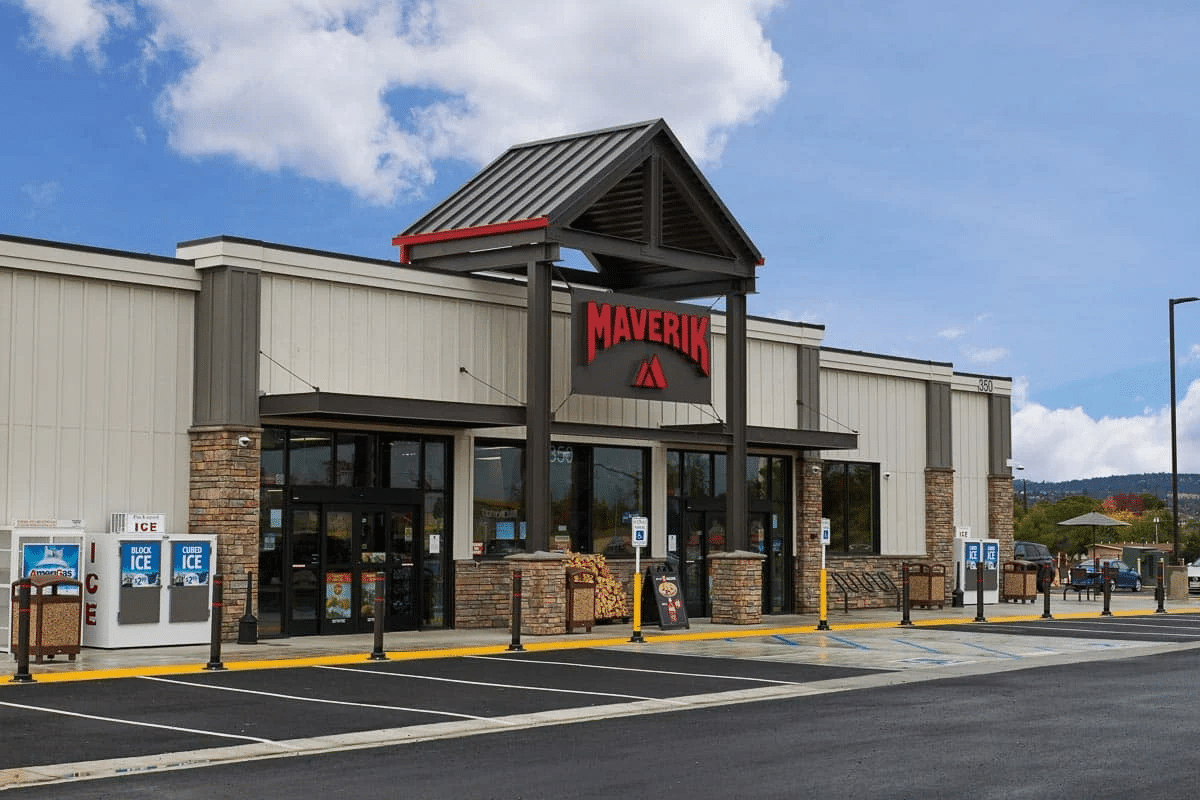
6 Gas Station Chains With Food So Good It’s Worth Driving Out Of Your Way For
We scoured the Internet to see what people had to say about gas station food. If you think the only things available are wrinkled hot dogs of indeterminate age and day-glow slushies, we’ve got great, tasty news for you. Whether it ends up being part of a regular routine or your only resource on a long car trip, we have the food info you need.
Let’s look at 6 gas stations that folks can’t get enough of and see what they have for you to eat.