A lost word can feel tiny until it happens three times in one day, and then suddenly it lands with weight. A name slips, the keys vanish again, a thought goes dim halfway through a sentence, and the mind starts asking questions the heart does not love. That private worry now sits inside a much larger public-health reality.
The World Health Organization says 57 million people were living with dementia in 2021, and the total is projected to climb to 152 million by 2050, a rise that makes brain health feel far less abstract than it once did. At the same time, researchers are finding more reasons to look at dinner with fresh eyes.
A 2025 meta-analysis published in Geroscience found that stronger adherence to a Mediterranean-style eating pattern was linked to an 18% lower risk of cognitive impairment, an 11% lower risk of dementia, and a striking 30% lower risk of Alzheimer’s disease.
That means the foods you return to again and again may help shape how your brain ages. And the best part is that many of the strongest contenders are not rare powders or luxury ingredients. They are delicious, familiar foods you can actually look forward to eating.
Fatty Fish
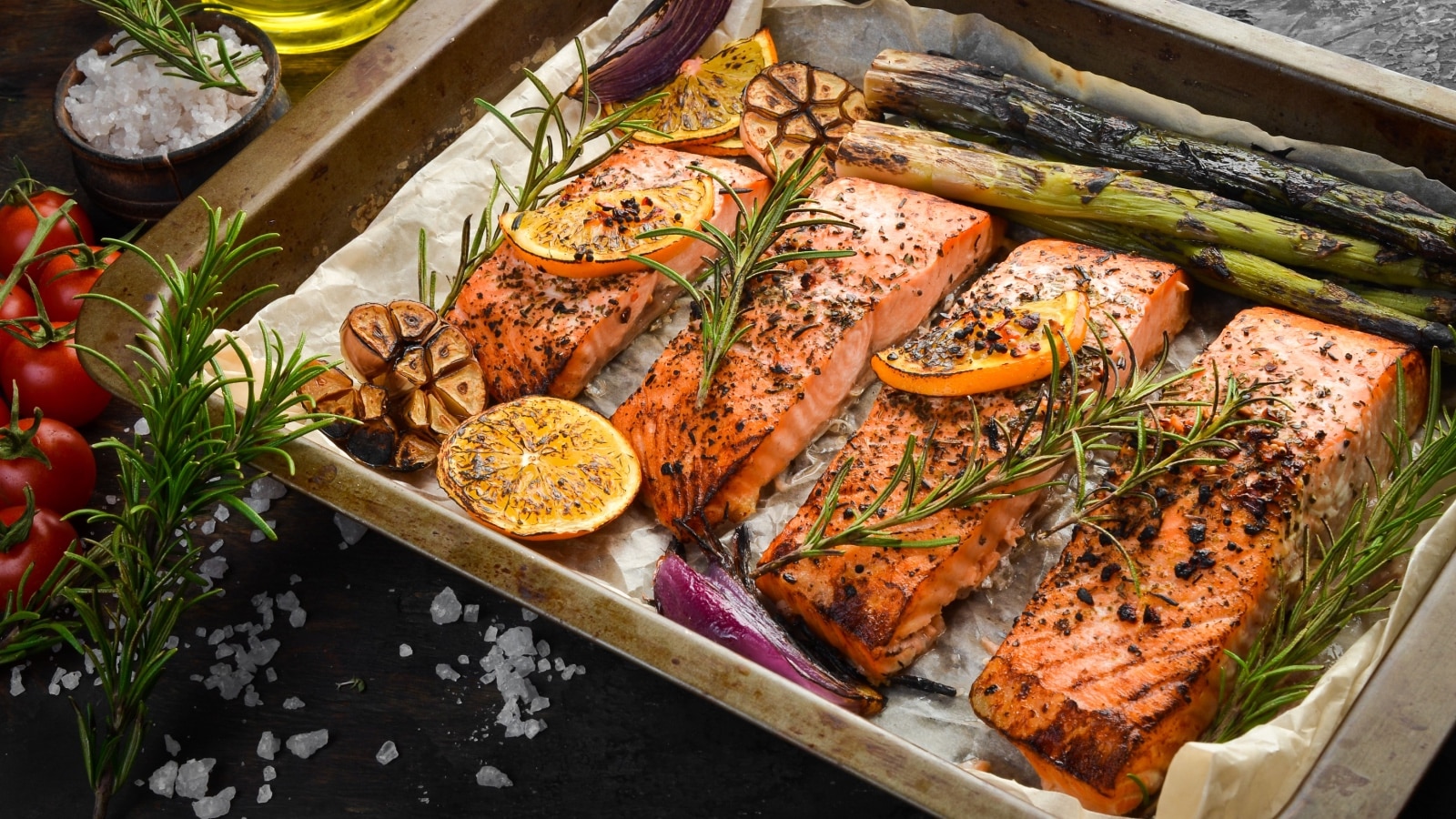
Salmon, sardines, trout, and mackerel have earned their place near the top of almost every brain-health menu, and the reason runs deeper than generic “healthy fat” talk. These fish provide EPA and DHA, the long-chain omega-3 fats that help build brain cell membranes and support signaling between neurons.
A 2025 dose-response meta-analysis of randomized trials found that omega-3 supplementation produced modest improvements in cognition overall, with episodic memory showing a non-linear response as intake rose. A 2023 review in Nutrition Reviews also concluded that omega-3s may slow cognitive aging in some adults, though the benefit varies by dose, duration, and who is taking them.
That unevenness matters because it keeps the message honest: fish is not a memory switch you flip on and off. It is more like long-term maintenance for a machine you use every waking hour. Two servings of oily fish a week still sound like a smart, grounded target because they support brain tissue and the blood vessels feeding it, which means the benefit may travel through more than one doorway at once.
Extra-Virgin Olive Oil and the Mediterranean Plate

Extra-virgin olive oil deserves more credit than it usually gets, because it does not work alone. It fits within the broader Mediterranean pattern, where fish, beans, vegetables, leafy greens, nuts, and whole grains create an edible ecosystem for the brain.
That 2025 meta-analysis on Mediterranean diet adherence is hard to ignore: lower cognitive impairment risk, lower dementia risk, and a striking 30% lower Alzheimer’s risk in people who followed the pattern more closely.
The protective effect comes from a mix of monounsaturated fats, polyphenols, steadier blood sugar levels, and reduced inflammation, all of which help the heart and brain. Pharmacologist Mercè Pallàs put it in a way that feels both calm and honest: “Following this diet is associated with lower risk of cognitive decline and healthier brain aging.”
That line works because it does not promise immortality or perfect recall. It simply says the pattern matters. A drizzle of olive oil on roasted vegetables or beans may look ordinary on the plate, but ordinary habits are often where the biggest health shifts begin.
Blueberries and Other Deep-Colored Berries
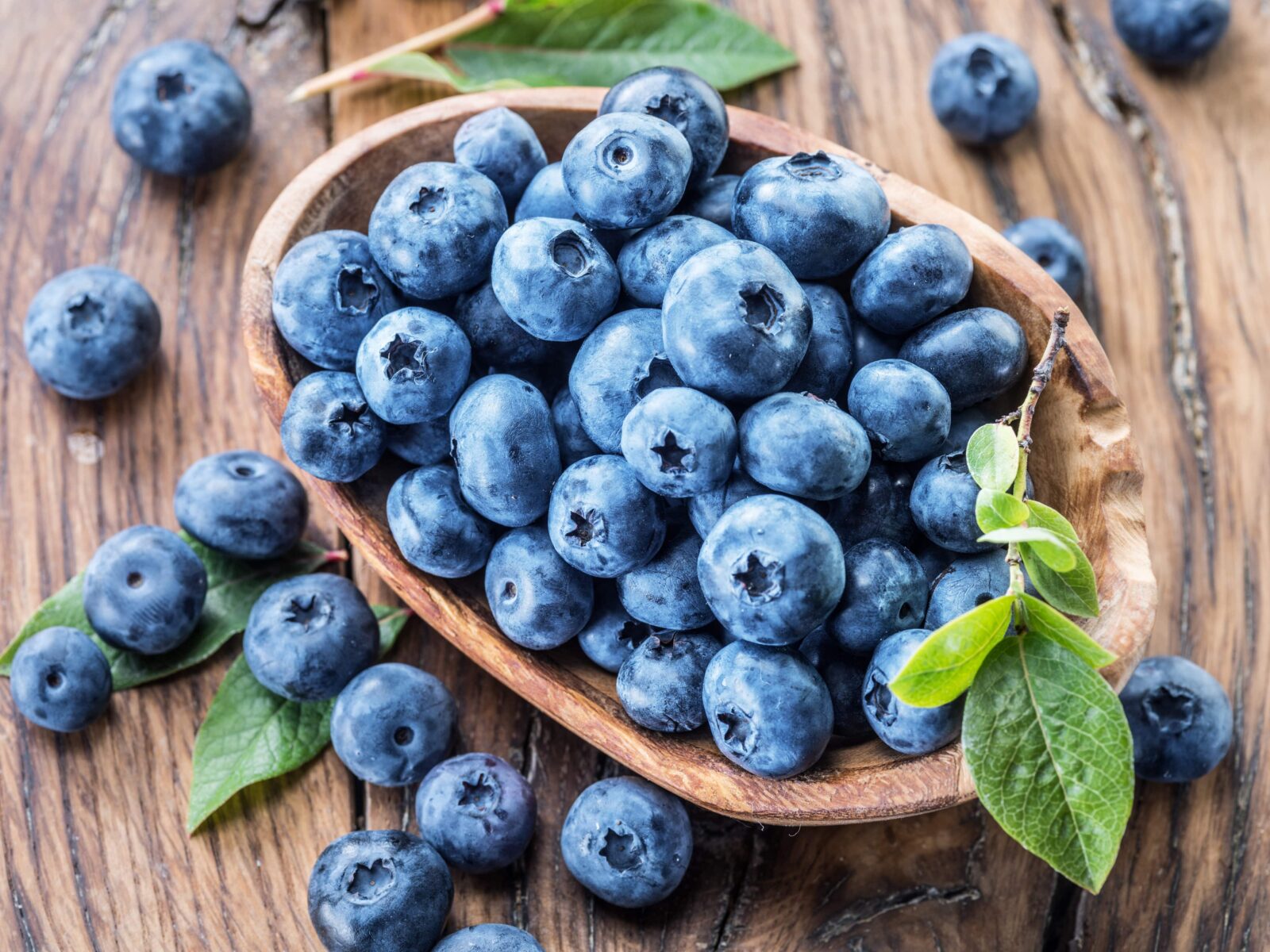
Berries feel almost too pretty to be this useful, but the science behind them keeps growing. Blueberries, blackberries, and strawberries contain anthocyanins and other flavonoids that appear to protect neurons from oxidative stress and support brain regions involved in memory, especially the hippocampus.
In long-term cohort data following older adults for more than 2 decades, people with the highest flavonoid intake had about 19% lower odds of subjective cognitive decline than those with the lowest intake. Some flavonoid subclasses were linked with even stronger associations, enough to make the highest-intake group look cognitively a few years “younger” than their peers.
What makes berries especially appealing is that they feel like a pleasure food, not a chore food. A handful in yogurt, over oats, or eaten cold from the fridge can slide into daily life without a dramatic change to your routine. Berries are small, sweet, familiar, and easy to repeat, and repetition is exactly what memory-friendly food patterns seem to need.
Cocoa and Dark Chocolate

Dark chocolate may be the most charming entry on this list because it lets pleasure and data sit at the same table. The brain angle comes from cocoa flavanols, compounds that seem to improve blood flow and support hippocampal-dependent memory.
In the three-year COSMOS-Mind and COSMOS-Web studies, adults taking cocoa flavanol supplements did not show a dramatic across-the-board transformation, but researchers did find meaningful benefits among those who started with lower flavanol intake or poorer diet quality.
A 2023 PNAS-related analysis linked flavanol intake to memory scores, and a supporting commentary noted that people low in these compounds showed the clearest memory improvement once flavanols were replenished. That nuance is useful. It suggests that dark chocolate is not a golden ticket, but it may offer more to the person whose diet is light on berries, apples, tea, and cocoa than to the person already swimming in polyphenols.
The everyday takeaway is simple and pleasantly human: a small square of high-cocoa dark chocolate can be a smarter dessert than a sugar-heavy treat, especially if it replaces something more processed instead of joining it.
Walnuts and Mixed Nuts

Walnuts have a kind of quiet dignity in nutrition research. They rarely get sold as dramatic cure-alls, yet they keep appearing in studies on healthy aging because they bring plant omega-3s, vitamin E, polyphenols, and healthy fats in a very compact package.
The two-year walnut trial published in 2020 found no sweeping cognitive improvement in the full group of healthy older adults, but subgroup analyses and brain imaging suggested walnuts might slow decline in people with higher vascular risk and may improve brain efficiency during working-memory tasks.
A 2021 systematic review also reported that higher nut intake in cohort studies was associated with better memory, processing speed, and global cognition. That is a helpful reminder that some foods work more like background support than fireworks.
A small handful of walnuts on oatmeal or tucked into a salad may not make your short-term memory sparkle by Friday, but it can support the cardiovascular and anti-inflammatory pathways that the brain depends on for years. With nuts, subtleness is not a weakness. It is often how lasting nutrition works.
Leafy Greens

Leafy greens often sound like homework in food articles, but they deserve a better sales pitch than that. Spinach, kale, collards, and similar greens are rich in folate, vitamin K, lutein, nitrates, and other compounds linked to vascular and neurological support.
In the MIND diet framework, green leafy vegetables are among the standout food groups, and the original MIND cohort study found that greater adherence to this pattern was associated with substantially slower cognitive decline.
A 2025 systematic review on the MIND diet added more support, suggesting the pattern may protect cognition in older adults, with leafy greens sitting near the center of that design. Part of their power may come from improved blood flow and lower homocysteine, a compound linked to brain and vascular stress. Part of it may come from the way greens fit into a larger pattern of lower inflammation.
A bowl of sautéed spinach with eggs, a handful of kale in soup, or a side salad at lunch may not feel glamorous, but that is exactly the charm here. Greens ask for consistency, not applause, and the brain seems to like that kind of steady loyalty.
Save this article
Eggs and Other Choline-Rich Foods

Eggs have spent years bouncing between hero and villain status in popular health writing, which makes their quiet brain-food résumé easy to miss. The most interesting part of the story is choline, a nutrient your body uses to build acetylcholine, a neurotransmitter central to memory and learning, and to maintain the structure of cell membranes in the brain.
A large 2024 prospective cohort study from China linked higher dietary choline intake with better cognitive performance and slower cognitive decline over 22 years, while a 2025 analysis found that moderate daily choline intake in the range of roughly 333 to 354 milligrams was associated with lower odds of dementia and better cognition.
No single breakfast can turn back time, but eggs make a practical case for themselves because they are familiar, affordable, and easy to pair with other brain-friendly foods like leafy greens and whole-grain toast. In a world full of “brain hacks,” an omelet with spinach and a slice of real whole-grain bread feels almost disarmingly simple. That simplicity is part of the appeal.
Coffee

Coffee has lived many lives in the public imagination: guilty pleasure, survival tool, heart-risk villain, productivity fuel, and now something closer to a measured ally. A 2024 dose-response meta-analysis of 33 studies involving nearly 390,000 people found that coffee consumption was associated with a 27% lower risk of cognitive disorders overall.
The curve was not endless, though. Alzheimer’s risk appeared to be lowest around 2.5 cups a day, which gives the whole conversation a pleasantly realistic tone. This is not a call to flood your bloodstream with caffeine until your hands shake. It is a reminder that moderate coffee intake may support brain health through vascular effects, antioxidant compounds, and simple alertness that keeps the brain engaged.
A 2025 paper also linked moderate coffee and tea intake with slower cognitive decline over time, strengthening the case that the daily ritual itself may be more friend than foe. For many readers, that is welcome news because coffee is already an everyday pause, a reset, a small warm hand on the shoulder before work begins.
Tea

Tea carries a different mood than coffee, a softer rhythm, but the brain data behind it may be even more reassuring. The same 2024 meta-analysis found that tea intake was associated with a 32% lower risk of cognitive disorders overall, and about one cup a day was linked to an 11% reduction in cognitive deficits.
A 2025 longitudinal study then found that moderate and high tea consumers showed a slower decline in fluid intelligence than non-drinkers. Tea’s appeal likely comes from a combination of caffeine, L-theanine, and flavonoids, which together may support attention, vascular function, and a calm alertness that feels less jagged than a giant coffee.
This is the sort of habit that slips beautifully into ordinary life. A mug in the morning, another in the afternoon, and a long trail of quiet repetition over the years. Tea does not ask to be dramatic. It simply keeps showing up in the data as a small, steady ritual tied to better cognitive aging, and sometimes that steady rhythm tells the most convincing story of all.
Citrus Fruits and Colorful Produce

The brain seems to love color, or more precisely, the plant compounds that often travel with color. Oranges, grapefruit, peppers, apples, celery, and other brightly colored produce deliver flavanones, flavones, fiber, and antioxidant compounds that support blood vessels and may help lower inflammation linked to cognitive decline.
Long-running cohort data found that people with the highest long-term flavonoid intake were significantly less likely to report subjective cognitive decline, with especially strong associations for flavones and flavanones, the compounds abundant in many fruits and vegetables. That matters because the brain is a hungry organ with a huge need for blood flow, oxygen, and chemical balance.
Produce-rich eating patterns tend to support all three. The practical message is almost laughably humble: get more colors on the plate. An orange with breakfast, sliced peppers at lunch, an apple in the afternoon, and berries after dinner. None of those choices looks like a high-tech cognitive intervention. Put them together across months and years, and they begin to act like one.
Whole Grains

Whole grains rarely make “brain food” headlines because they do not carry the appeal of salmon or dark chocolate, yet they help solve one of the brain’s most basic needs: steady fuel. Oats, barley, quinoa, and whole-wheat foods provide fiber, B vitamins, minerals, and slower-release carbohydrates that help prevent sharp glucose spikes and crashes that can leave people foggy and drained.
Reviews of Mediterranean and MIND-style eating patterns keep supporting the same idea: replacing refined grains with whole grains is part of the larger pattern linked to slower cognitive decline and lower dementia risk. That likely matters because vascular health and blood-sugar stability affect the brain more than people often realize.
A breakfast of sugary cereal and white toast may feel fine at 8 a.m. and leave you mentally frayed by late morning. By contrast, oats with berries and walnuts ask less of your metabolism and give the brain a calmer, steadier stream of energy. Brain-friendly carbs are not no-carbs. They are just smarter carbs.
Yogurt and Fermented Foods
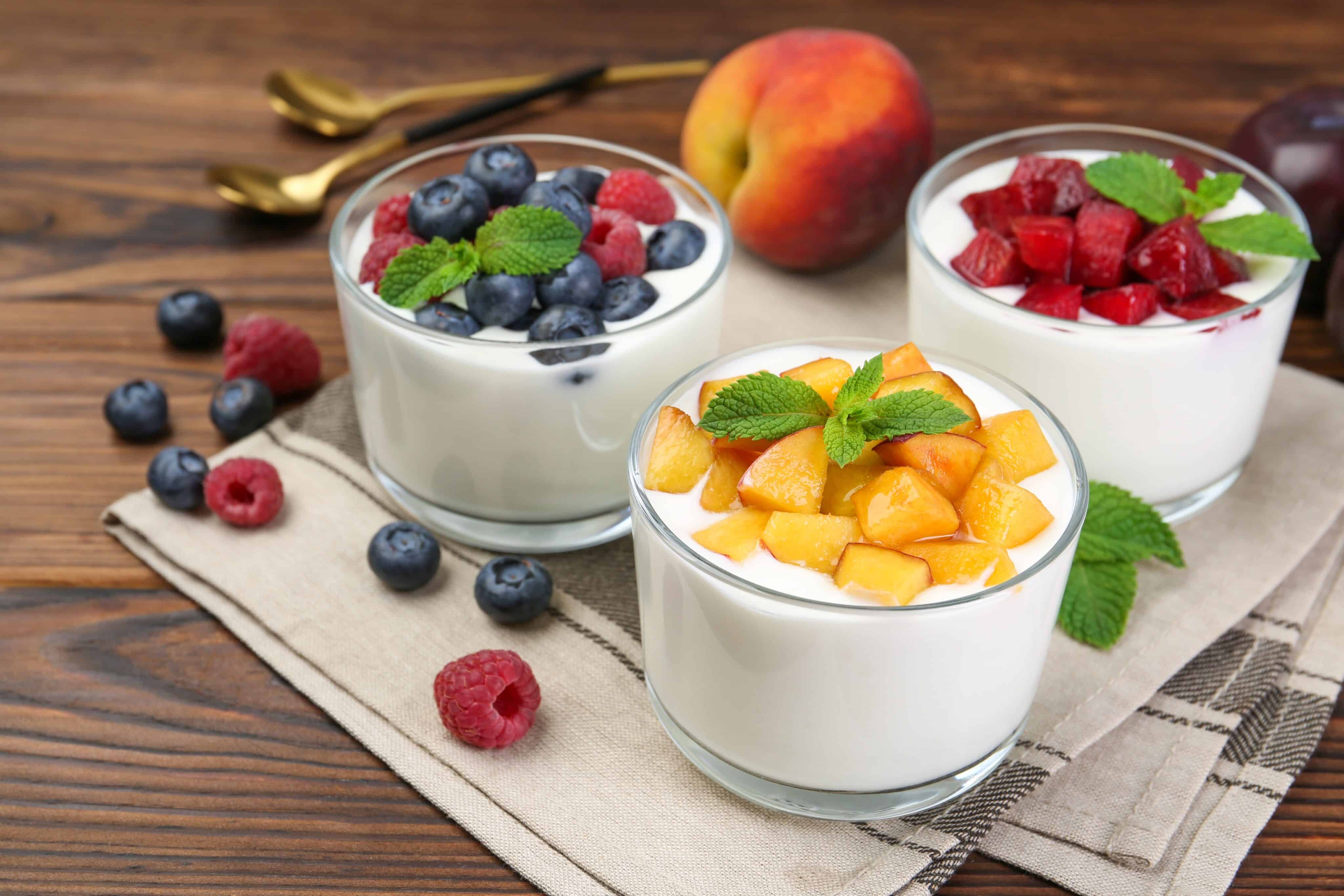
The gut-brain axis has moved from fringe science to one of the most interesting stories in nutrition, and yogurt, along with other fermented foods, sits right in the middle of it. Reviews published in 2025 describe fermented foods as dynamic systems that can shape the microbiome, influence immune signaling, and, downstream through inflammation and gut-brain communication, potentially affect brain function.
Stanford’s fermented-food study did not measure memory directly, but it did show that a 10-week diet high in fermented foods increased microbiome diversity and lowered several inflammatory markers, which matters because chronic inflammation is a known risk factor in cognitive aging.
Microbiome researcher Justin Sonnenburg has said, “Consume some fermented foods every day, and then start to integrate dietary fiber.” That advice sounds almost old-fashioned, which may be why it lands so well.
A cup of yogurt, a little kefir, a spoonful of sauerkraut, and a diet rich in plant fibers may support the brain not through spectacle, but through a quieter route: better microbes, lower inflammation, and a healthier internal climate over time.
Key Takeaways

Mediterranean-style eating has some of the strongest long-term evidence for brain health, with a 2025 meta-analysis linking it to an 18% lower risk of cognitive impairment, an 11% lower risk of dementia, and a 30% lower risk of Alzheimer’s disease.
Fatty fish, berries, cocoa, nuts, leafy greens, coffee, tea, eggs, and whole grains all bring nutrients or compounds tied to memory support, slower decline, or healthier brain aging.
Moderate intake matters more than excess. Coffee seems to hit a sweet spot around 2.5 cups a day in one 2024 meta-analysis, and tea shows benefits around one cup a day or more, but more is not always better.
Disclaimer –This list is solely the author’s opinion based on research and publicly available information. It is not intended to be professional advice.
Like our content? Be sure to follow us