Belly fat has a way of making people feel like their own body is keeping secrets. It sits quietly, then starts shaping energy, blood sugar, blood pressure, and the fit of a favorite pair of jeans. That is part of why this conversation matters so much right now.
CDC data published in 2024 showed that 40.3% of U.S. adults had obesity in August 2021 through August 2023, and the agency’s 2025 state map said every U.S. state and territory had an adult obesity prevalence of at least 25% in 2024.
Then a 2024 Nutrition Research study gave the fruit bowl a stronger voice: in 9,582 U.S. adults, each extra 1 cup-equivalent of intact fruit per day was linked to about 3.02 cm² less visceral fat, the deep abdominal fat that tends to stir up the most metabolic trouble.
So no, fruit does not melt belly fat like a magic spell. Still, some fruits help in a quieter, more believable way. They fill you up, trim calorie intake, and nudge your waistline in a friendlier direction over time.
Apples

Apples are the kind of fruit people forget to respect because they are always there, plain as a weekday, sitting in grocery bins without fanfare. Yet the data around them is better than many flashy “superfoods.”
In a 10-week randomized trial published in Nutrition, women who added three apples a day lost about 0.93 kg, while the control group, who ate oat cookies with matching calories and fiber, did not lose weight. The apple group also cut daily energy intake by about 25 kcal, which may sound small until you remember how weight gain often happens through small, sleepy habits repeated over months.
FDA nutrition data lists 1 large apple at 130 calories with 5 grams of fiber, which helps explain why it works so well as a snack that keeps your hands busy and your appetite from running wild before dinner. Apples do not scorch abdominal fat, but they do help crowd out the foods that build it.
Pears

Pears feel like the softer cousin at the fruit table, the one people pass over for berries or tropical fruit, yet they showed results almost as good as apples in that same Rio de Janeiro trial. Women who added three pears a day lost about 0.84 kg over 10 weeks, again beating the oat-cookie comparison group.
Data shows that 1 medium pear has 100 calories and 6 grams of fiber, which gives it a strong satiety story for a fruit that tastes like dessert but behaves more like portion control. What makes pears interesting is that the study suggested the benefit came from more than fiber alone.
The fruit’s water-rich volume lowered dietary energy density, which is a fancy way of saying you get more food for fewer calories. For anyone who wants a sweet finish after dinner but does not want the evening to slide into cake, ice cream, or a second helping of something rich, pears are quietly excellent.
Grapefruit

Grapefruit has been the poster fruit for waistline talk for years, and unlike much diet folklore, this one actually has real clinical data behind it. In a 12-week placebo-controlled study led by Ken Fujioka and colleagues, the fresh grapefruit group lost 1.6 kg, the grapefruit juice group lost 1.5 kg, the grapefruit capsule group lost 1.1 kg, and the placebo group lost 0.3 kg.
Mayo Clinic’s guidance on energy density adds another useful detail: grapefruit is about 90% water, and half a grapefruit has just 64 calories, which helps explain why it can make meals feel bigger without making calorie totals balloon. Still, this fruit needs one firm caution label.
Katherine Zeratsky, R.D., L.D., of Mayo Clinic puts it plainly: “Grapefruit can get in the way of several kinds of prescription medicines.” So grapefruit is smart, not reckless. If it fits your medication list, it can be a bright, tart ally. If it does not, skip the drama and choose another fruit on this list.
Blueberries

Blueberries are tiny, but their research profile is not small. USDA-linked nutrition data puts 1 cup of blueberries at 84 calories and 4 grams of fiber, which already makes them easy to fit into a calorie-conscious day. Then the anthocyanin data make them even more interesting.
A TwinsUK analysis of 2,734 healthy female twins found that higher anthocyanin intake was tied to 3% to 9% lower fat mass and less central abdominal fat. That matters because anthocyanins are the deep blue-purple pigments that give blueberries much of their color and some of their metabolic charm.
They are sweet enough to feel like a treat, yet their nutrition profile is built more like a guardrail. Toss them into yogurt, scatter them over oats, or eat them cold by the handful. They do not arrive like a diet lecture. They arrive like something pleasant, which is often why people keep eating them long enough to see a benefit.
Whole Citrus (Oranges, Mandarins, Clementines)
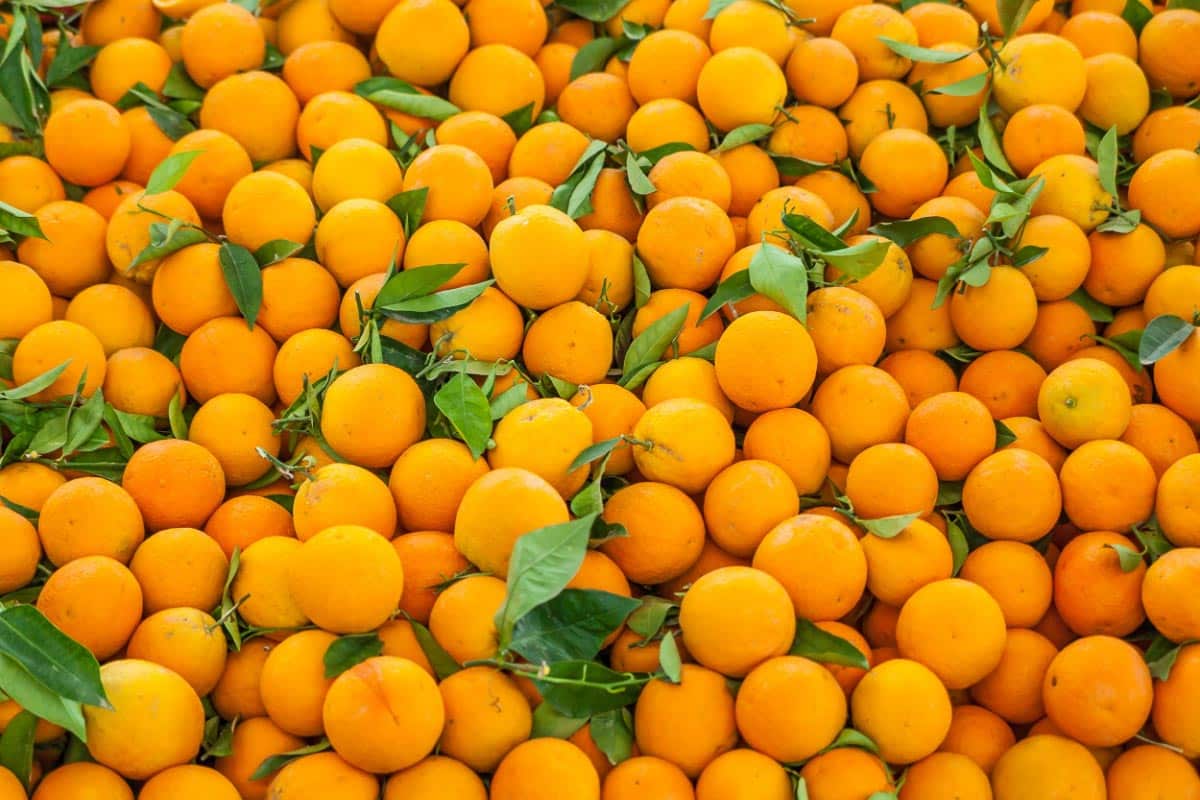
Citrus has a bright, clean kind of sweetness, and whole citrus works far better for your waist than the juice carton version.
USDA SNAP-Ed data lists 1 medium orange at 62 calories, 3 grams of fiber, and 77 mg of vitamin C, and common nutrition data puts a medium mandarin at around 47 calories with 2 grams of fiber. Those numbers matter because the fruit’s water and fiber slow you down and fill you up. The stronger point, though, comes from the contrast with juice.
A 2024 JAMA Pediatrics meta-analysis found that BMI gain in children was from 1 serving per day of 100% fruit juice, and the adult data hinted at calorie-driven weight gain when energy intake was not controlled.
So oranges, mandarins, and clementines are best eaten in segments, with peel on your fingers and a little mess in the sink. Whole citrus is sweet with structure, and structure is often what a shrinking waist needs most.
Kiwi
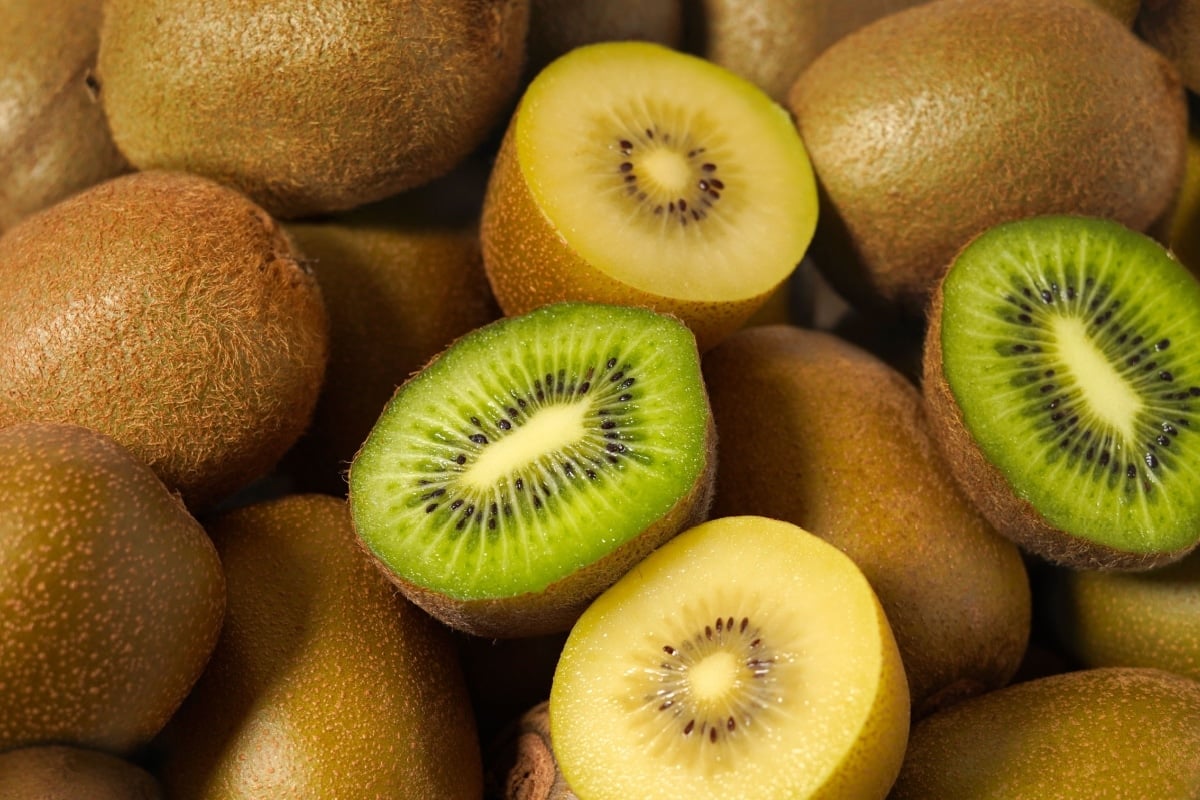
Kiwi looks playful, almost decorative, but it has a serious nutrition story hiding under that fuzzy brown skin. Nutrition data shows 1 medium kiwi at about 42 calories, 2.1 grams of fiber, and 56 mg of vitamin C, which is a strong return for something you can eat in a few quick bites.
The digestive angle adds another layer. Research on kiwifruit points to actinidin, a proteolytic enzyme that may aid protein digestion, and broader reviews have linked kiwifruit to digestive comfort and bowel regularity. That matters more than it first seems, because bloating, sluggish digestion, and a constant sense of heaviness can push people toward more reactive eating.
Kiwi will make the day feel lighter, and meals feel more settled. Sometimes that is how better habits begin, not with a roar but with a stomach that feels less crowded and a plate that does not ask for a refill.
Avocado
Save this article
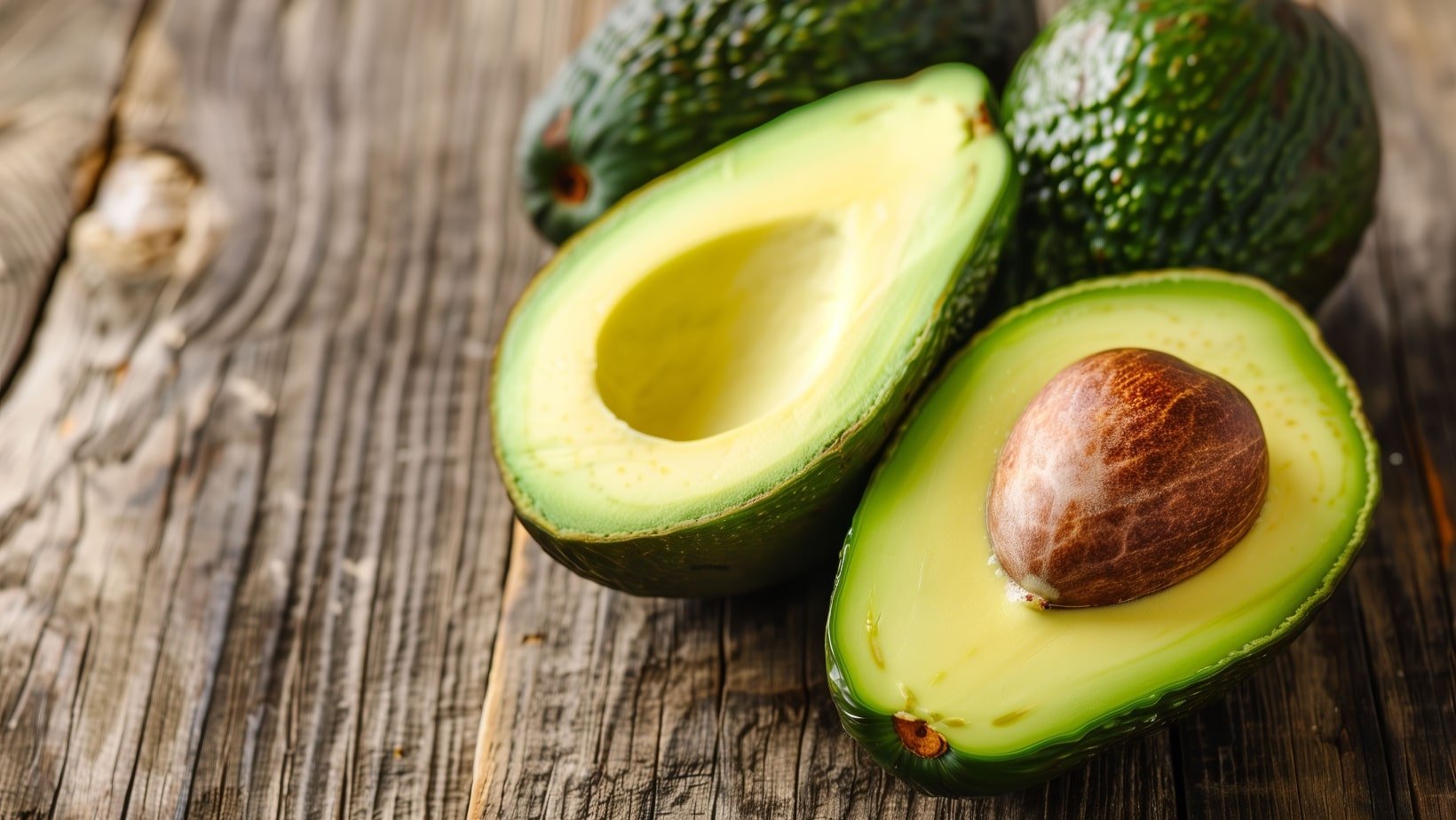
Avocado deserves its spot here because it teaches a useful lesson: a fruit can be richer, creamier, and higher in calories, yet still fit a belly-fat-conscious routine.
In NHANES data published in Nutrition Journal, avocado consumers had significantly lower waist circumference, body weight, and BMI than non-consumers, even though calorie intake did not differ substantially.
A 2022 randomized trial on 1 avocado per day for 26 weeks did not find a significant drop in visceral abdominal fat in the overall sample. That is exactly why avocado is worth talking about in a grown-up way. Its strength is food quality, satiety, and replacement.
When avocado steps in for refined carbs, greasy spreads, or a sad vending-machine snack, the diet around it often gets better. Belly-fat stories get cleaner once you accept that some fruits help by making the rest of your choices calmer.
Berries In General (Strawberries, Raspberries, Blackberries)

Strawberries have a kind of summer charm that makes healthy eating feel less like discipline and more like good timing. USDA-linked nutrition data puts 1 cup of whole strawberries at 46 calories, 2.9 grams of fiber, and 84.7 mg of vitamin C, which is a lovely bargain for a fruit that tastes almost confectionery. Their deeper value shows up in the berry science, too.
Reviews of fruit phenolics place strawberry among the higher-ranking common fruits for polyphenol content. A 2025 clinical study reported by Food & Wine on research from The Journal of Nutrition found that 2.5 servings of strawberries daily for 12 weeks improved insulin resistance and cardiometabolic markers in 25 adults at risk of prediabetes and heart disease.
That is a small study, so it does not deserve wild claims. It does deserve a seat at the table. A bowl of strawberries is one of the easiest ways to quiet a sugar craving without turning dessert into a calorie ambush.
Raspberries

Raspberries rarely get the same celebrity treatment as blueberries, yet they make an excellent case for themselves with plain numbers alone. USDA SNAP-Ed data lists 1 cup of raspberries at 64 calories, 8 grams of fiber, and 36 mg of vitamin C, which is the sort of nutrition panel that makes a snack work harder for you.
That 8-gram fiber figure is especially useful in a culture where many adults still fall short on fiber intake, because fiber slows digestion, stretches satiety, and helps take the edge off the constant little hunger that can turn one snack into four.
The bigger 2024 U.S. fruit study matters here too, since it found the inverse link between intact fruit and visceral fat was strongest at intake levels below about 1.7 cups per day. That tells readers something hopeful. You do not need heroic amounts. A cup of raspberries can be part of the kind of fruit pattern linked to a smaller waist.
Blackberries

Blackberries have a darker, moodier sweetness than many fruits, and the research around them fits that richer flavor. USDA SNAP-Ed says 1 cup of blackberries has 62 calories, 8 grams of fiber, and 34 mg of vitamin C, which already makes them a strong trade for more processed sweets. Then the phytochemical story deepens the appeal.
Reviews of common fruits have placed blackberry among the top fruits for total phenolic content, and one overview of 25 commonly consumed fruits reported that wild blueberry and blackberry sat at the very top of the phenolic ranking.
Those compounds are linked in the experimental and review literature to anti-inflammatory and anti-obesity effects. Blackberries do not need a halo. Their numbers are good enough. They are dark, tart, filling, and much kinder to the midsection than the pastries they can replace without making you feel punished.
Peaches, plums, and cherries

Stone fruits carry summer in their scent, and that matters more than nutrition science sometimes admits. Food habits stick better when they feel sensual and alive. FDA fruit data lists 2 medium plums at 70 calories and 1 cup of sweet cherries at 100 calories, which puts them in a range that can satisfy a sweet tooth without crushing the calorie budget.
A review of common fruits placed plum among the higher-ranking fruits for phenolic content, and a 2025 systematic review on tart cherries reported potential benefits for sleep quality, inflammation, and antioxidant status.
None of that means a peach or a handful of cherries will carve inches off your waist overnight. It means these fruits can lower the energy density of desserts, add compounds tied to metabolic health, and make the evening feel generous without feeling heavy. A peach on the counter is a small mercy. A plum after dinner is sweet with an exit strategy.
Whole grapes

Grapes get blamed for their sugar content, and that conversation often misses the point. Nutrition data shows that 1 cup of grapes has 62 calories. That is far less punishing than most baked sweets people reach for when they want something sugary after lunch or late at night.
The 2024 JAMA Pediatrics meta-analysis tied regular fruit juice intake to BMI gain, and a Project Viva study found that each 120 mL serving of fruit juice per day in infancy was linked to greater visceral fat area later in childhood and adolescence. Whole grapes belong to the better side of that story because they arrive wrapped in their own portion cues. You chew them. You slow down. You stop at some point.
Reviews of fruit and obesity keep landing in the same place. Stephan Guyenet, PhD, wrote in his 2019 review, “Current evidence suggests that whole, fresh fruit consumption is unlikely to contribute to excess energy intake and adiposity.” That is the kind of sentence grapes deserve. Sweet, yes. Still on your side, also yes.
Key Takeaways

The real charm of fruit is that it helps by being ordinary and asks for repetition. The 2024 U.S. DXA study linked each additional 1 cup-equivalent of intact fruit to about 3.02 cm² less visceral fat, and the strongest association appeared before intake reached 1.7 cups per day, which suggests this is more about consistency than heroics.
Apples, pears, grapefruit, berries, citrus, kiwi, avocado, stone fruits, and grapes do not literally burn belly fat. They help starve the habits that build it. And that is often the more useful kind of magic.
Disclaimer– This list is solely the author’s opinion based on research and publicly available information. It is not intended to be professional advice.
Like our content? Be sure to follow us