

Fruits are often overlooked in muscle-building diets, yet they can play a surprisingly powerful role in supporting growth and recovery. Fruits may not match meat or legumes in protein, but they still provide nutrients that support muscle repair, reduce inflammation, and improve absorption.
For example, bananas provide quick-digesting carbs and potassium to fuel workouts and prevent cramps. A review of nutrition sources also highlights high-protein fruits such as guava, jackfruit, and blackberries, which contain up to ~2–2.6 g of protein per 100 g. Here are 12 fruits that help in muscle growth.
Bananas

Bananas provide carbohydrates and potassium that help restore muscle glycogen and support muscle function after exercise. Eating two servings can raise potassium levels by nearly 6% within an hour, helping prevent cramps.
Research shows bananas are a popular snack for athletes before and after workouts. A controlled trial in trained cyclists found that eating bananas during a 75‑km ride supported performance and blood‑glucose responses similarly to a commercial 6% carbohydrate drink.
Their quick energy makes them effective for maintaining performance and speeding recovery.
Oranges

One orange delivers close to a full day’s worth of vitamin C, which supports collagen production needed for muscle repair and growth. The natural sugars also supply fast energy after training.
Oranges contain folate and potassium that aid metabolism and recovery. Nutrition profiles list a medium orange as providing about 9–18% of the daily value for folate and around 5–8% of the daily value for potassium, with one orange often cited as supplying roughly 6% of potassium and about 18% of folate needs.
This makes them a good choice for active individuals looking to rebuild muscle tissue efficiently.
Apples

Apples contain quercetin, a compound shown to improve endurance and energy release. Supplementation has been linked to significant increases in time to fatigue during exercise and stronger VO₂ max performance.
Studies also show enhanced antioxidant activity and better post-workout recovery. Taking 500 mg of grape and apple polyphenol extracts an hour before exercise boosted time to exhaustion by about 12.8%, delayed peak perceived exertion by roughly 2.7 minutes, and enhanced recovery-related antioxidant markers compared with a placebo.
Apple polyphenols appear to support muscle function and faster energy replenishment.
Blueberries

Blueberries are rich in antioxidants that reduce inflammation and oxidative stress after exercise. In a randomized, double-blind trial, 49 untrained adults consumed 25 g/day of freeze-dried blueberry powder (≈1 cup fresh blueberries) or a placebo for 14 days before and four days after a 90-minute eccentric workout.
During recovery, the blueberry group showed higher anti-inflammatory oxylipins and lower pro-inflammatory markers than controls, suggesting faster internal inflammation resolution.
While soreness, muscle-damage markers, and performance didn’t differ, researchers concluded that blueberries support under-the-surface recovery processes even when symptoms aren’t immediately apparent.
Their anthocyanins work with the body’s repair systems to minimize muscle damage. This makes blueberries a useful fruit for athletes needing quick recovery after intense workouts.
Pineapple

Pineapple contains bromelain, an enzyme known to reduce muscle soreness and exercise-related inflammation. Meta-analyses confirm measurable improvements in post-workout pain levels.
In trained road cyclists, taking 1,000 mg/day of bromelain for six days during a stage race reduced fatigue on day 4 and helped maintain testosterone levels compared with the placebo. This indicates improved recovery, even though muscle damage markers in the blood remained unchanged.
The fruit also provides easily digestible carbohydrates to restore lost energy. Together, these qualities make pineapple a helpful addition to recovery nutrition.
Watermelon

Watermelon is high in citrulline, an amino acid that boosts blood flow and helps reduce muscle fatigue. In a half-marathon trial, runners drank 500 mL of watermelon juice that delivered about 3.45 g of citrulline.
Those who had the citrulline-rich juice had lower plasma lactate immediately after racing, and reported less muscle soreness during recovery (24–72 hours post-race).
Its high water content also supports hydration and muscle performance. This combination makes watermelon ideal for athletes needing quick recovery and better circulation.
Kiwi
Save this article
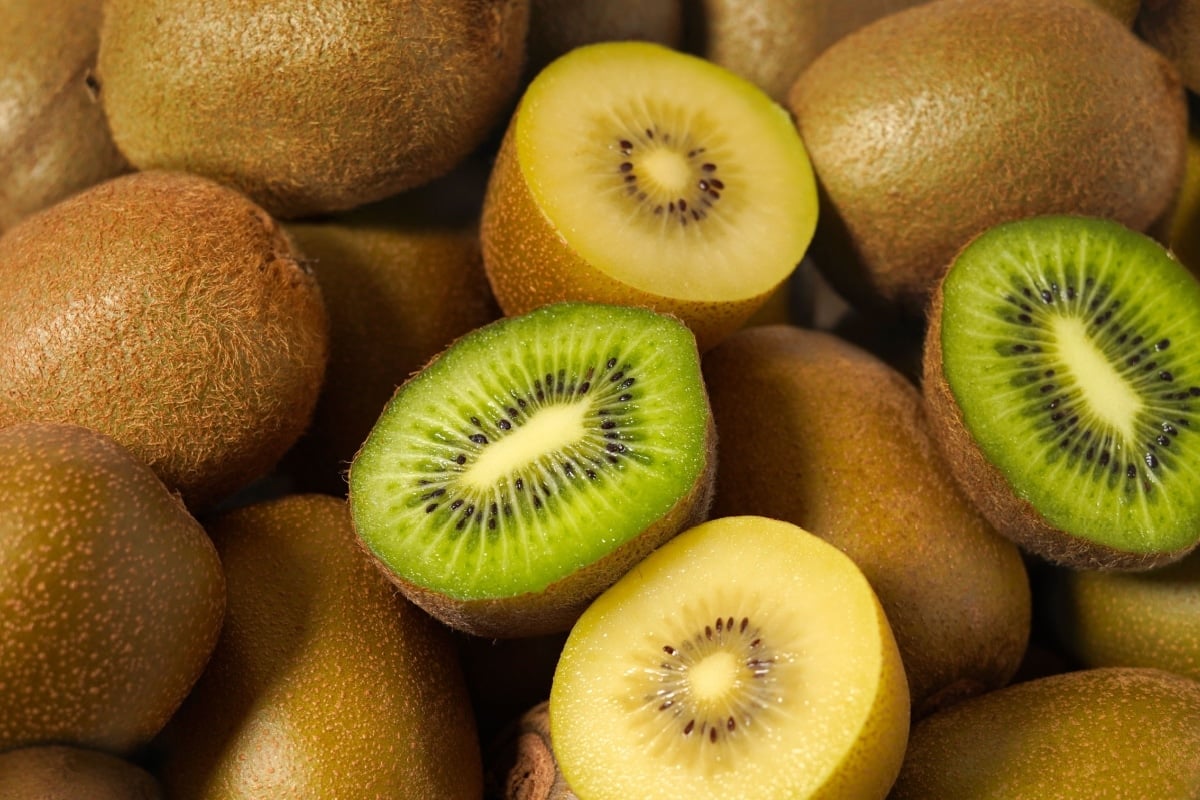
Kiwi provides a rich supply of vitamin C that aids protein metabolism and muscle repair. In a two-part study of 20 male runners with elevated oxidative stress, eating two SunGold kiwifruits daily for two months significantly lowered d‑ROMs (a marker of oxidative stress) and boosted the BAP/d‑ROMs ratio.
This reflects enhanced antioxidant capacity during intense training. It also contains potassium and fiber for better muscle function and recovery. These nutrients benefit active individuals who regularly push their bodies.
Mango

Mango offers carbohydrates that help replenish muscle glycogen after workouts. One cup supplies over half of the daily vitamin C needs to support tissue repair.
It also contains vitamins A and E for cell health and recovery. This makes mango a valuable fruit for athletes, building strength and endurance.
Avocado

Avocado is rich in healthy fats that help support hormone production, including testosterone, which plays a role in muscle development. It also provides potassium and magnesium for better muscle performance.
Adding avocado to the diet supports tissue repair and metabolic health. This makes it a valuable food for athletes needing steady recovery support.
Grapes

Grapes deliver resveratrol, a compound linked to better endurance and faster muscle recovery. A trial in active men using 4 days of oral resveratrol before high‑intensity cycling found reduced exercise‑induced oxidative stress and inflammation and improved endurance test performance compared with placebo. Their natural sugars provide quick post-exercise energy.
Antioxidants in grapes help repair muscle tissue after strenuous activity. This makes them a convenient and beneficial recovery snack.
Dates

Dates are high in carbohydrates and minerals like potassium and magnesium that help restore muscle glycogen after exercise. They provide quick energy for athletes recovering from demanding workouts.
A recent cycling study using date extract (1 g/kg body weight before high‑intensity exercise) reports increased post‑prandial blood glucose, delayed fatigue, and longer exercise duration.
Their nutrient profile supports better muscle strength and endurance. Dates are a useful addition to performance-focused diets.
Papaya

Papaya contains papain, an enzyme that improves protein digestion and makes amino acids more available for muscle building. It is also rich in vitamins A and C that support tissue repair and reduce inflammation.
Eating papaya can enhance nutrient utilization in active individuals. This makes it helpful for improving muscle recovery and growth.
Disclosure: This article was developed with the assistance of AI and was subsequently reviewed, revised, and approved by our editorial team.
Disclaimer – This list is solely the author’s opinion based on research and publicly available information. It is not intended to be professional advice.
15 Foods From the ’60s Most Boomers Loved With a Passion

15 Foods From the ’60s Most Boomers Loved With a Passion
The 1960s were a period of profound social and cultural transformation in America. As the baby boomer generation came of age, they embraced new ideas, fashion trends, and music styles. And when it came to food, some beloved dishes defined this era.
Here are 15 foods from the ’60s that most boomers loved passionately.
10 Cheapest Countries To Visit and Have a Great Time

10 Cheapest Countries To Visit and Have a Great Time
Without sugarcoating, traveling can be expensive, but that doesn’t always have to be the case. Various factors could influence how much you spend when on the move, but many expert travelers believe your choice of destination may determine how much you should be budgeting.
If you are looking for a lush, less dollar-gulping country with all the perks of unforgettable adventure, this list promises to hand you the fullness of your dream vacation without you first going broke.





