What you drink during a flight can affect how you feel long after the plane lands. Air travel places unique stress on the body due to cabin pressure, low humidity, and altitude.
According to the Federal Aviation Administration, commercial aircraft cabins are typically pressurized to the equivalent of 6,000–8,000 feet above sea level, which can alter taste perception, hydration levels, and the body’s processing of alcohol.
Low humidity inside aircraft cabins adds another challenge. Research cited by the World Health Organization shows that cabin humidity can drop below 20%. That dry environment can quickly lead to dehydration, headaches, and fatigue if travelers choose the wrong drinks.
Nutrition experts say beverages that are high in sugar, caffeine, or alcohol can worsen jet lag and dehydration. Choosing wisely can make the difference between landing refreshed and feeling drained and uncomfortable.
Here are 12 drinks travelers often regret ordering on a flight, and why skipping them can make the journey more comfortable.
Strong Alcoholic Cocktails

Alcohol hits harder in the air than it does on the ground. Reduced cabin pressure and dehydration can intensify alcohol’s effects, leading to quicker intoxication. Studies cited by the Aerospace Medical Association indicate that altitude conditions can increase the body’s sensitivity to alcohol, making one drink feel like more.
Strong cocktails such as margaritas, whiskey mixes, or rum punches often contain multiple shots of liquor plus sugary mixers. The combination increases dehydration and fatigue, especially on long flights. Many passengers report headaches or poor sleep after consuming these drinks mid-flight.
Travel health experts usually recommend limiting alcohol intake and alternating alcoholic beverages with water if passengers choose to drink at all.
Carbonated Soda

Soda might seem harmless, but carbonation can cause discomfort at high altitude. Gas expands as cabin pressure changes, which can lead to bloating or stomach pressure during a flight.
Aviation health research suggests that gas expansion in the digestive system is common during flights, making carbonated beverages more likely to cause discomfort.
Sweetened sodas also contain large amounts of sugar, often more than 35 grams per serving. Passengers who consume multiple sodas during long flights sometimes experience sugar crashes, fatigue, and digestive discomfort before landing.
Energy Drinks

Energy drinks combine high levels of caffeine with sugar and stimulants. Many popular brands contain 80 to 200 milligrams of caffeine per can, which can increase heart rate and worsen dehydration.
Health experts warn that energy drinks may intensify feelings of anxiety or restlessness, particularly during turbulence or long-haul travel. Caffeine can also disrupt sleep, making jet lag worse on overnight flights.
Passengers who rely on energy drinks often feel wired temporarily but experience a noticeable crash later in the journey.
Extra-Large Coffee

Coffee remains one of the most commonly ordered beverages on flights, yet drinking too much can create problems. Caffeine acts as a mild diuretic, encouraging the body to lose more fluid.
Cabin conditions already promote dehydration due to low humidity levels. Drinking multiple cups of coffee can worsen dryness, leading to headaches or fatigue during long flights.
Moderate coffee consumption may not cause issues for most travelers, but ordering several cups during a flight often leaves passengers feeling jittery and dehydrated.
Sweet Fruit Juices

Fruit juice sounds healthy, but many airline servings contain concentrated sugars without the fiber found in whole fruit. A typical cup of orange juice can contain more than 20 grams of sugar, according to nutritional data compiled by the U.S. Department of Agriculture.
High sugar intake can trigger energy spikes followed by fatigue, especially when passengers remain seated for long periods. Juice also contributes to dehydration when consumed without water. Travel nutritionists often suggest whole fruit instead of juice when available.
Tomato Juice Cocktails With Alcohol

Tomato juice alone has become famous for tasting better at altitude because cabin noise affects taste perception. However, when combined with vodka or other spirits in drinks like a Bloody Mary, the beverage becomes less friendly for long flights.
Alcohol adds dehydration and fatigue to a drink that already contains significant sodium. Some Bloody Mary mixes can include over 500 milligrams of sodium per serving, which may increase thirst and swelling during travel. Passengers who consume salty alcoholic drinks often feel more bloated after landing.
Save this article
Bottled Smoothies With Added Sugar
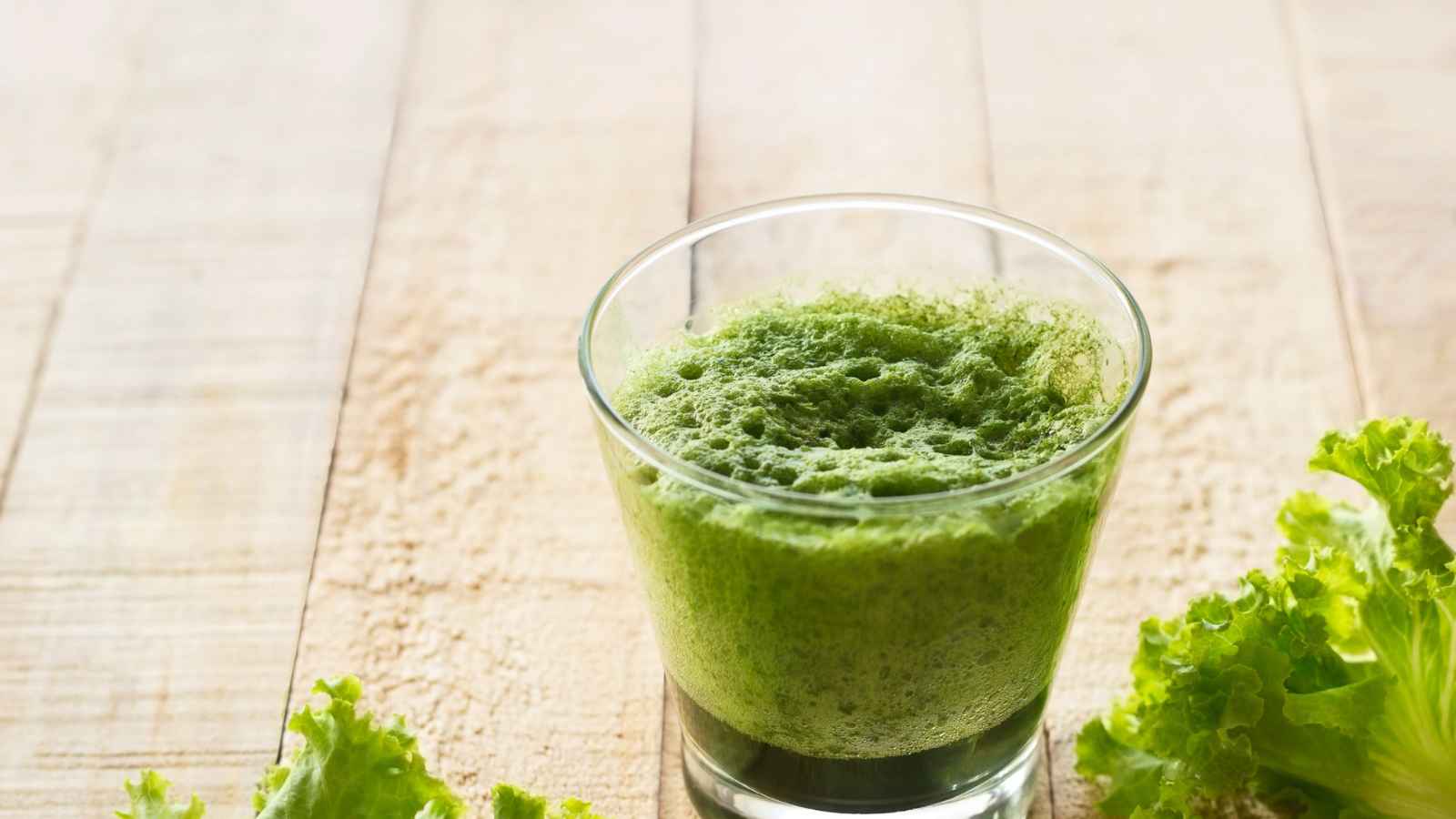
Prepackaged smoothies often appear healthier than they really are. Many contain fruit concentrates, sweeteners, and flavor additives that dramatically increase sugar content.
Nutrition studies show that liquid sugars are absorbed quickly into the bloodstream, causing spikes in blood glucose followed by energy crashes. Sitting still for hours during a flight can make those fluctuations more noticeable. Travelers expecting a healthy snack drink sometimes feel sluggish shortly afterward.
Diet Soda in Large Quantities

Diet sodas eliminate sugar but still contain carbonation and artificial sweeteners. Some travelers report bloating or digestive discomfort after drinking multiple servings.
Artificial sweeteners may also stimulate appetite in some individuals, encouraging unnecessary snacking during flights. Combined with changes in cabin pressure, this can result in an uncomfortable stomach during travel. Moderation remains key if passengers choose to drink diet soda.
Creamy Dessert Cocktails

Cream-based drinks such as mudslides or Irish cream cocktails can feel heavy during flights. Dairy combined with alcohol and sugar may upset the stomach, particularly when passengers remain seated for long periods.
Digestive systems tend to slow down slightly during travel due to inactivity and mild dehydration. Rich beverages may therefore feel heavier than they would on the ground.
Many passengers regret ordering dessert cocktails once turbulence or motion increases their discomfort.
Tap Water on Some Aircraft
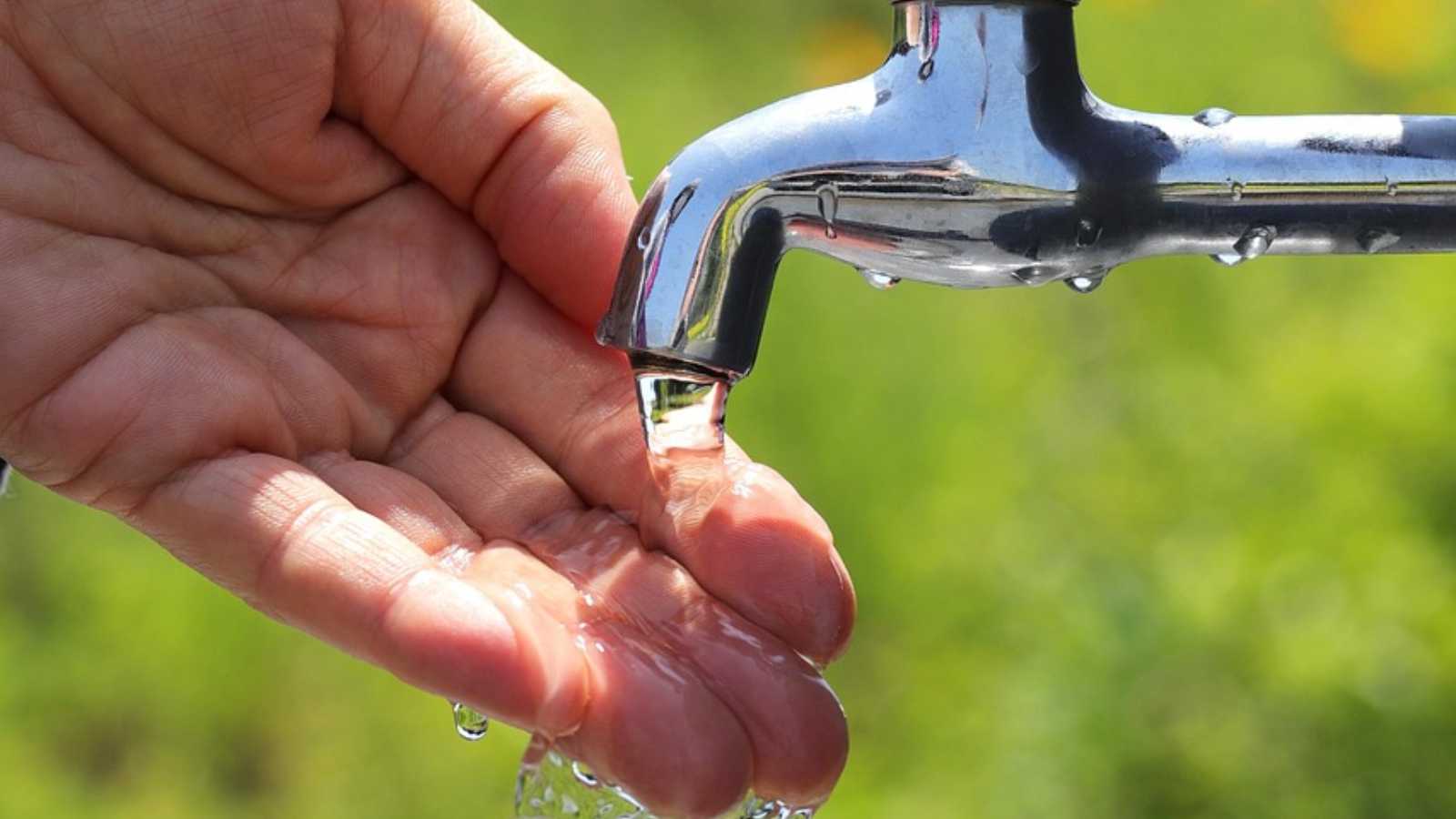
Modern airlines maintain strict sanitation systems, yet aviation studies have occasionally raised concerns about onboard water tanks. Reports from the Environmental Protection Agency have found that some aircraft water systems occasionally fail quality standards.
Most airlines provide bottled water, which many travelers prefer for safety and taste reasons. Hot beverages like tea or coffee may also be prepared using onboard water systems.
Passengers who are sensitive about water quality often choose sealed bottled water instead.
Extremely Salty Cocktail Mixers

Cocktail mixes such as certain tomato blends, margarita mixes, or savory mixers can contain significant amounts of sodium.
High sodium intake during flights may contribute to swelling in the legs and feet because prolonged sitting already slows circulation. Excess salt can also increase thirst, making passengers feel more dehydrated during the trip.
Travel health experts frequently recommend low-sodium options during long flights to reduce discomfort.
Multiple Alcoholic Drinks in a Row

Drinking several alcoholic beverages in quick succession ranks among the most common in-flight mistakes. Dehydration, cabin pressure, and fatigue combine to intensify alcohol’s effects.
Aviation health organizations warn that alcohol can impair sleep quality and worsen jet lag, particularly during overnight flights. Even moderate drinking may leave travelers feeling groggy upon arrival.
Spacing alcoholic drinks with water, or skipping them entirely, helps maintain energy and hydration during travel.
Key Takeaways
- Cabin air is extremely dry, often below 20% relative humidity, which increases the risk of dehydration.
- Alcohol and caffeine can amplify fatigue and dehydration during flights.
- Carbonated drinks often cause bloating due to gas expansion at altitude.
- Sugary beverages may lead to energy crashes during long journeys.
- Water, herbal tea, or electrolyte drinks typically provide the best hydration during flights.
Disclaimer: This list is solely the author’s opinion based on research and publicly available information. It is not intended to be professional advice.
Like our content? Be sure to follow us.