

Americans love to hype food trends, yet national consumer surveys show that nearly 40% of adults buy certain foods because they’re “supposed to like them,” not because they actually enjoy the taste.
The rise of social media “food aesthetics” also pushes dishes that photograph well but disappoint on the fork. As food culture leans more toward performance than preference, a handful of items keep getting praise, but rarely get eaten with genuine enthusiasm.
Here are 12 foods Americans pretend to love, but almost nobody actually craves.
Kale Salads

Kale leads many “superfood” lists, yet Americans struggle with its bitter, tough texture. National produce surveys show kale ranks among the least-consumed leafy greens, despite its popularity in wellness marketing.
People add it to plates for health points, not pleasure.
Tofu (Plain, Unseasoned)

Tofu consumption has risen, but mainly among plant-based eaters who season it heavily. Plain tofu regularly scores low on flavor satisfaction in consumer panels. Its reputation exceeds its taste unless a skilled cook transforms it.
Fruitcake

Holiday nostalgia keeps fruitcake alive, but taste tests reveal it’s one of the least-liked holiday desserts in the U.S. Dense textures and neon candied fruit make most people quietly pass it along at gatherings.
Cottage Cheese

Cottage cheese is having a moment on TikTok, yet decades of data show Americans remain divided: nearly half cite the texture as “unappealing or strange.” People add fruit or honey to make it tolerable, not delightful.
Liver and Onions

Classic diners still serve it, but younger Americans rarely choose liver. Surveys show over 70% of adults wouldn’t order organ meats, even if they’re packed with nutrients. The strong metallic flavor makes it a hard sell.
Celery Juice

Celery juice went viral as a “detox miracle,” though nutritionists repeatedly debunk those claims. Consumers report they force it down for health reasons, not for taste. Its grassy bitterness makes it a chore, not a choice.
Sardines

Omega-3 benefits can’t save sardines from widespread dislike. U.S. seafood reports list sardines among the lowest-consumed fish, thanks to their pungent smell and oily texture. They’re nutritious, but not beloved.
Black Licorice

Save this article
Black licorice sparks some of the strongest food aversions in America. Multiple confectionery surveys show more than half of respondents rank it as their least favorite candy.
Its medicinal taste wins very few converts.
Quinoa (When Cooked Bland)

Quinoa looks virtuous on a plate, yet many Americans complain it tastes “like nothing” unless flavored well. It’s high on trendiness but low on natural flavor, landing it firmly in the “pretend to like it” category.
Beets

Rich in antioxidants, yes, loved in flavor? Not really. Beets consistently rank among the most polarizing vegetables in American taste studies. Their earthy, soil-like flavor divides even healthy eaters.
Brussels Sprouts (Unless Roasted to Death)

Brussels sprouts are trendy, but only when caramelized, drowned in balsamic, or covered in bacon. Steamed or boiled versions score among the lowest in terms of satisfaction in vegetable surveys.
Americans need them disguised to enjoy them.
Matcha Desserts
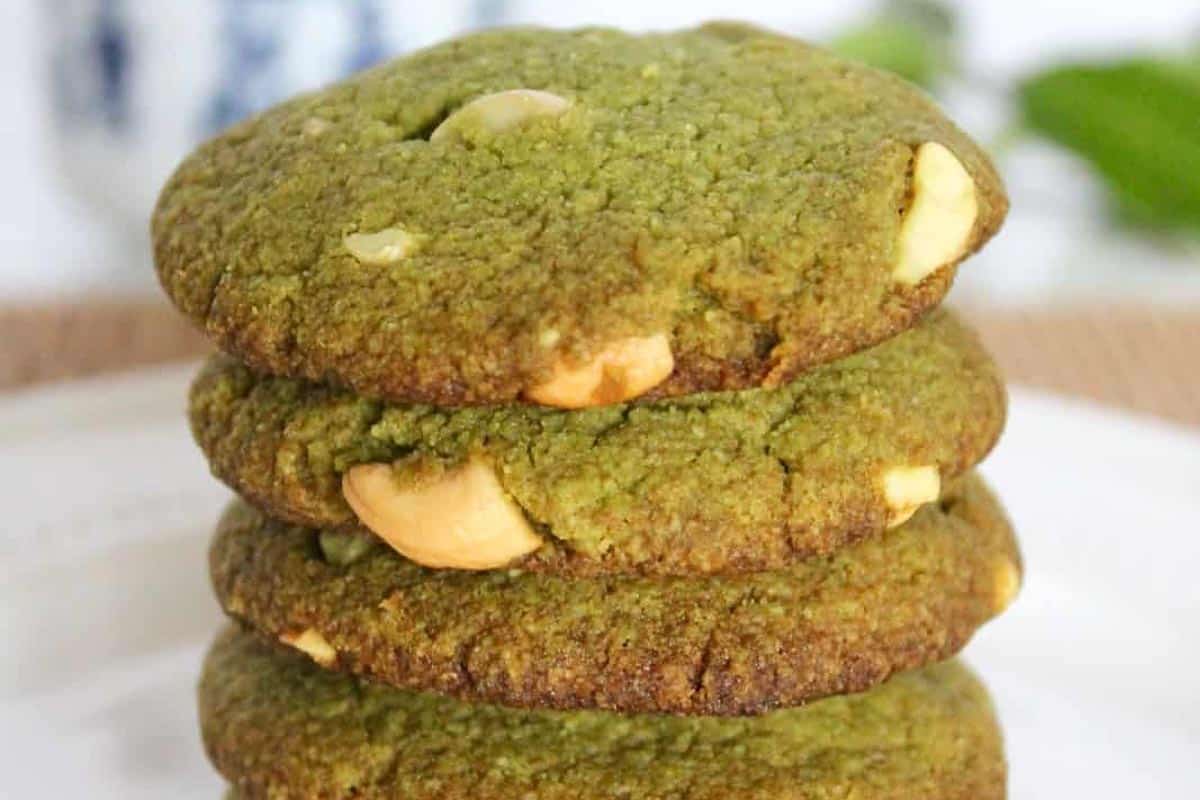
Matcha photographs beautifully, which fuels its popularity online. Yet taste panels report Americans find matcha “bitter,” “grassy,” and “powdery,” especially in lattes and sweets. The hype is bigger than the flavor payoff.
Key Takeaways

- Food trends shape behavior: Many Americans buy foods for the hype rather than personal preference.
- Texture issues, not just flavor, drive most of these dislikes.
- Marketing, health claims, and social media aesthetics inflate the popularity of foods people barely tolerate.
- Honest eating beats trend-following: taste matters more than the hype.
Also on MSN: 25 Essential Habits for a Healthier and Happier Life
Disclosure: This article was developed with the assistance of AI and was subsequently reviewed, revised, and approved by our editorial team.
Disclaimer: This list is solely the author’s opinion based on research and publicly available information. It is not intended to be professional advice.
Simple Habits to Recharge Your Mind and Body

10 Simple Habits to Recharge Your Mind and Body
Feeling drained doesn’t always come from significant events like a sleepless night or an intense workout — often, it’s the small daily choices that leave us running on empty. The good news is that science shows simple, consistent habits can help restore balance. From mindful breathing to nourishing foods, these practical routines recharge both mental clarity and physical stamina.
Here are 10 simple habits to recharge your mind and body, backed by research and easy enough to start today.





