You load your slow cooker. You expect magic. You get mush. Sound familiar? Slow cookers can save time and build flavor, but they can also quickly ruin certain foods. The issue isn’t the appliance, it’s the choices we make.
America’s Test Kitchen and USDA guidelines stress that softer vegetables break down in 10–15 minutes, while harder ones need 20–30, and grains demand precise liquid ratios. CookedByTaste confirms the same: ingredient timing matters more than new recipes. Fix that, and suddenly your slow cooker works for you, not against you.
Delicate Fish

Fish cooks fast, and slow heat destroys it. For example, salmon, tilapia, and cod fall apart after prolonged cooking, turning soft and grainy as their flavors fade. When considering doneness, USDA guidelines recommend cooking fish to 145°F; a temperature usually reached in minutes.
For instance, salmon fillets take 10–12 minutes in the oven or 4–6 minutes per side in a pan. As chef Robert Smith notes, “Matching fish with the appropriate cooking type is crucial.” The lesson is clear: cook fish quickly, add it to the end if needed, and enjoy its delicate texture and taste.
Pasta
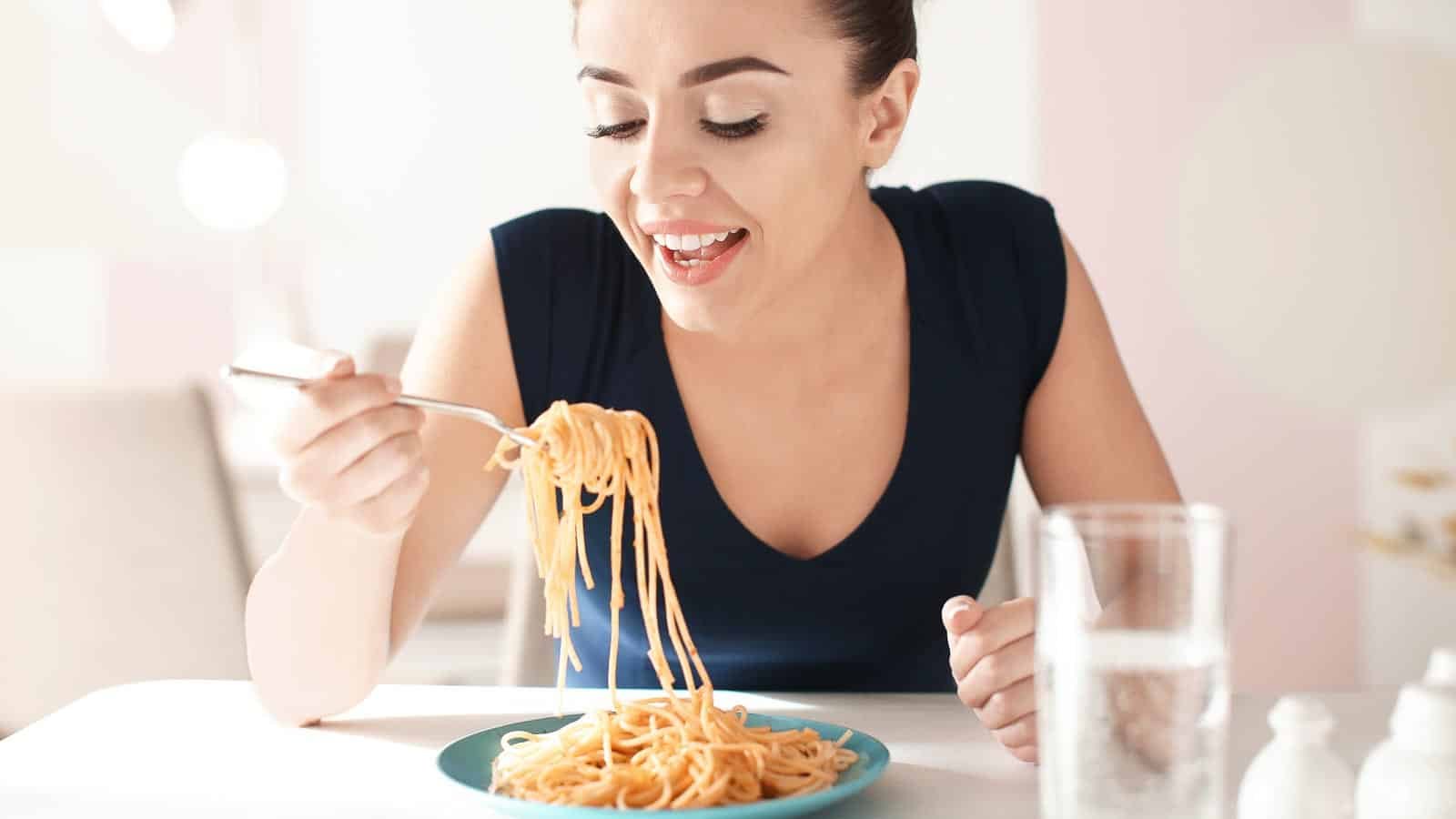
Pasta absorbs water and releases starch, and slow cookers trap both. The result is sticky, heavy noodles that lose structure and bite. America’s Test Kitchen warns pasta often turns to mush in slow cookers, while Kitchen Guide notes overcooking leads to gummy, fused layers.
USDA guidelines emphasize cooking pasta al dente in boiling water rather than in prolonged moist heat. The lesson is clear: cook pasta separately, add it just before serving, and you’ll control texture, flavor, and satisfaction.
Rice

Rice needs precision, and slow cookers don’t offer it. As a result, water ratios shift during long cooking, leaving some grains mushy while others stay firm. For example, Kitchen Advising notes uneven rice comes from poor water control and inconsistent heat, while Kitchen Demy goes so far as to call slow-cooker rice “a culinary nightmare.”
Likewise, USDA guidelines stress specific ratios for tender grains. While Julia Child reminded us that cooking is instinct and taste, rice, on the other hand, demands accuracy. The solution is simple: use a rice cooker or pot, then combine it later. That way, you control texture and flavor every time.
Dairy Products

Heat breaks dairy, and time makes it worse. Milk and cream split with prolonged cooking; cheese clumps, and sauces turn grainy as proteins denature. CookedByTaste notes that excessive heat is the most common cause of curdling.
The Times of India adds that acidity destabilizes milk proteins, ruining creamy soups. I’ve seen smooth chowders collapse into an oily, lumpy liquid. The fix is simple: add dairy near the end, stir gently, and you’ll keep texture stable and flavor intact.
Fresh Herbs
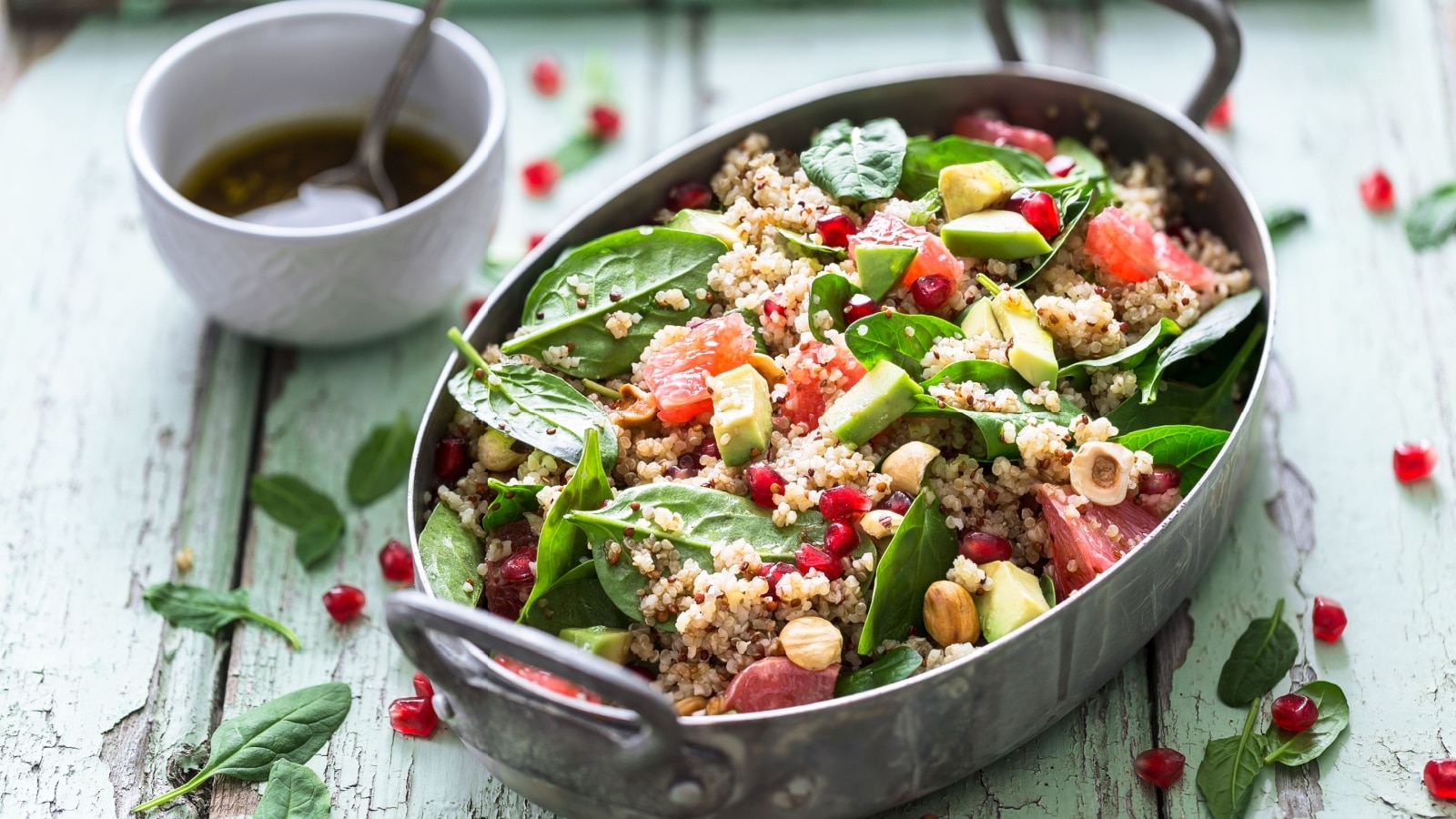
Fresh herbs lose strength under heat. Basil, parsley, and cilantro fade fast as volatile oils break down, dulling flavor and color. ElevatingKitchen notes that delicate herbs lose potency quickly.
EasyCleanCook stresses that timing is everything: add herbs late to maximize aroma. I once added parsley early, only to watch it vanish into the dish. Chop herbs fresh and stir them in before serving. That way, you keep the fragrance sharp, the color bright, and the flavor alive.
Frozen Food

To ensure safety, always thaw meat or poultry before using a slow cooker. Cooking frozen food in a slow cooker keeps it in the danger zone (40–140°F) for too long, increasing the risk of bacterial growth and foodborne illnesses, such as Salmonella from chicken, according to the USDA and Kitchen Guide.
As Benjamin Franklin said, “An ounce of prevention is worth a pound of cure.” Thaw food before cooking for even heat, safer meals, and expected flavor.
Lean Cuts of Meat

Save this article
Lean meat dries out fast. Chicken breast and pork loin lack fat, and long cooking pulls out moisture, turning them tough. KitchenPearls notes that lean cuts often turn chewy in slow cookers.
LipTouchFoods stresses that fatty cuts like chicken thighs or chuck roast stay juicy as collagen breaks down into gelatin. I tested chicken breast once; it shredded fine, but tasted dry. The lesson is clear: use cuts with fat for slow cooking. They hold moisture, deliver flavor, and stay tender over time.
Quick-Cooking Vegetables

Some vegetables are cooked in minutes. Zucchini, spinach, and peas break down quickly, and long heat turns them soft, fading flavor and color. Voyo Eats notes that these delicate vegetables lose their shape quickly, while TheKitchenPursuits warns that overcooking reduces them to mush.
AnSoup confirms that softer vegetables cook in 10–15 minutes, compared to 20–30 minutes for harder ones. I once added zucchini early it dissolved into the sauce. The fix is simple: chop herbs fresh, add vegetables late, and keep some bites in every spoonful.
Shrimp and Scallops
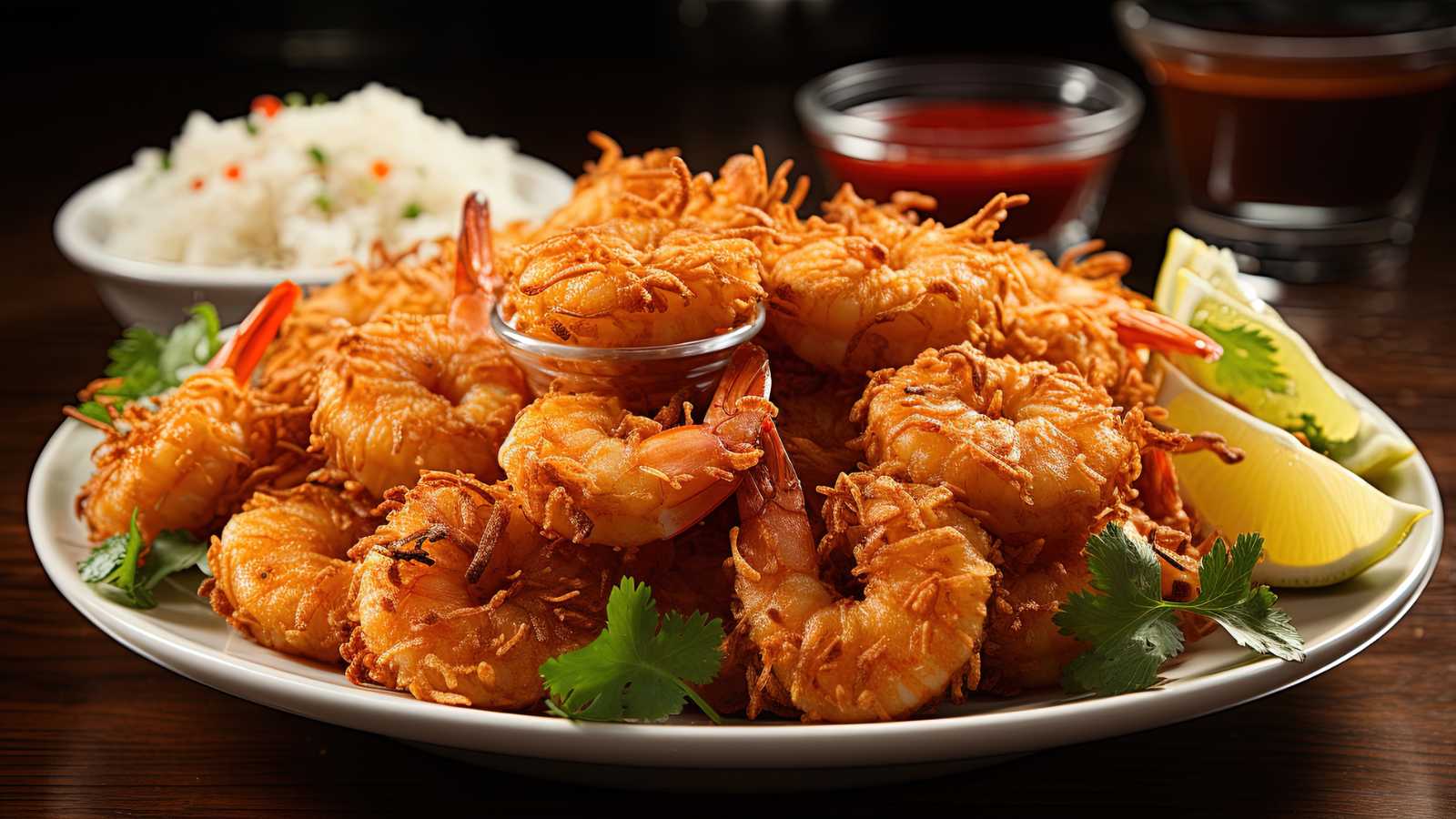
Seafood cooks fast, and timing matters. Shrimp and scallops turn rubbery when overcooked, as proteins contract and moisture escapes. USDA notes that seafood should be cooked until opaque, usually in minutes. Seafood Health Facts warns that overcooking can squeeze out flavor and texture.
I tested shrimp in a slow cooker once; the result was chewy and dry. The fix is simple: cook seafood separately, add it at the end, and you’ll control doneness, keeping every bite tender and flavorful.
Eggs
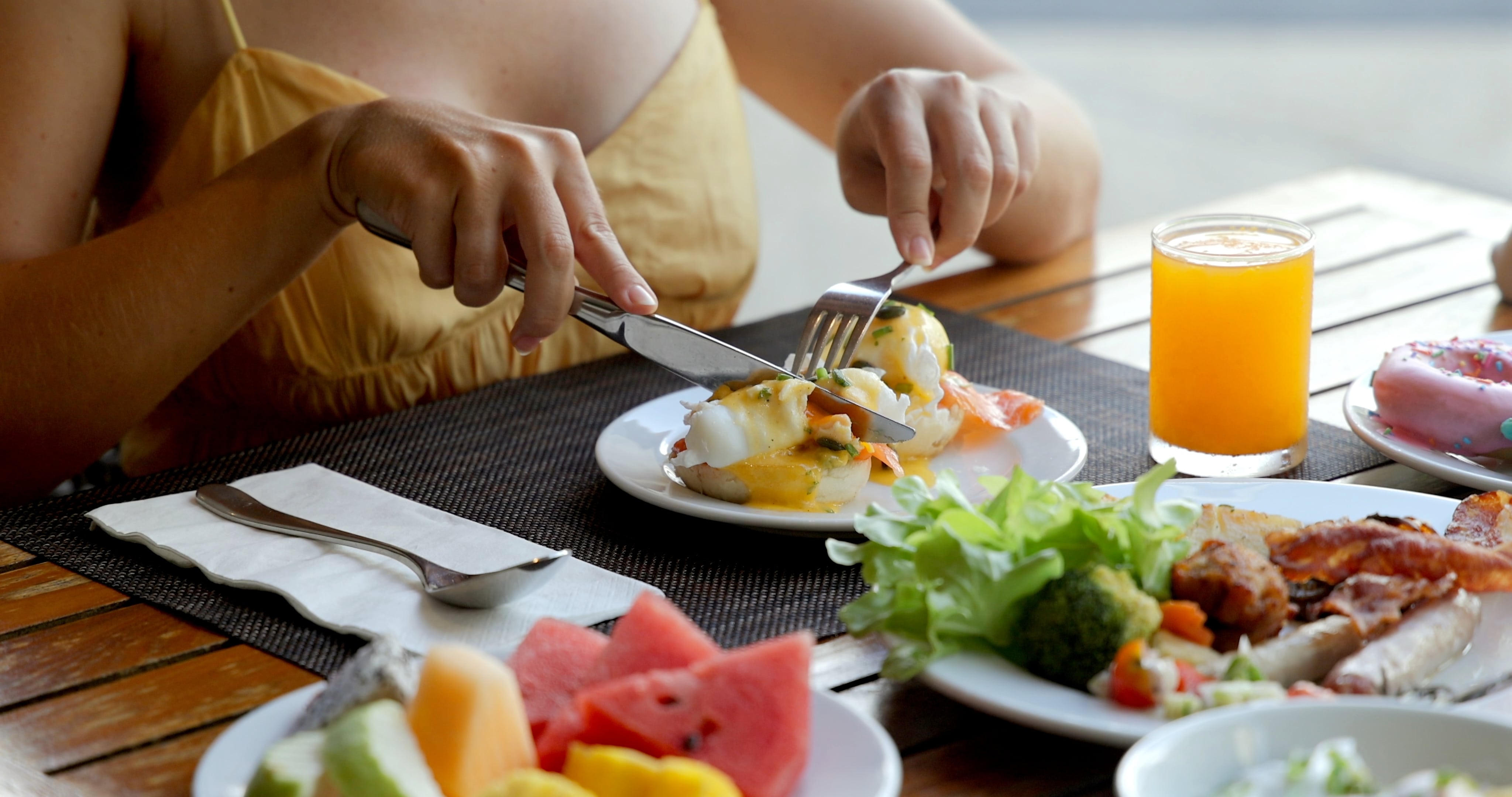
Eggs need steady heat control, but slow cookers heat unevenly. Chowhound notes that browned eggs may look done yet remain undercooked inside, while TheFlavorExperts warns that prolonged heat can tighten proteins, turning eggs rubbery.
I tested a slow cooker egg dish once, but it set unevenly and tasted flat. USDA advises cooking eggs until yolks and whites are firm, ideally with consistent heat. The fix is simple: use a pan or oven instead. You’ll get even cooking, better texture, and flavor that holds.
Bread
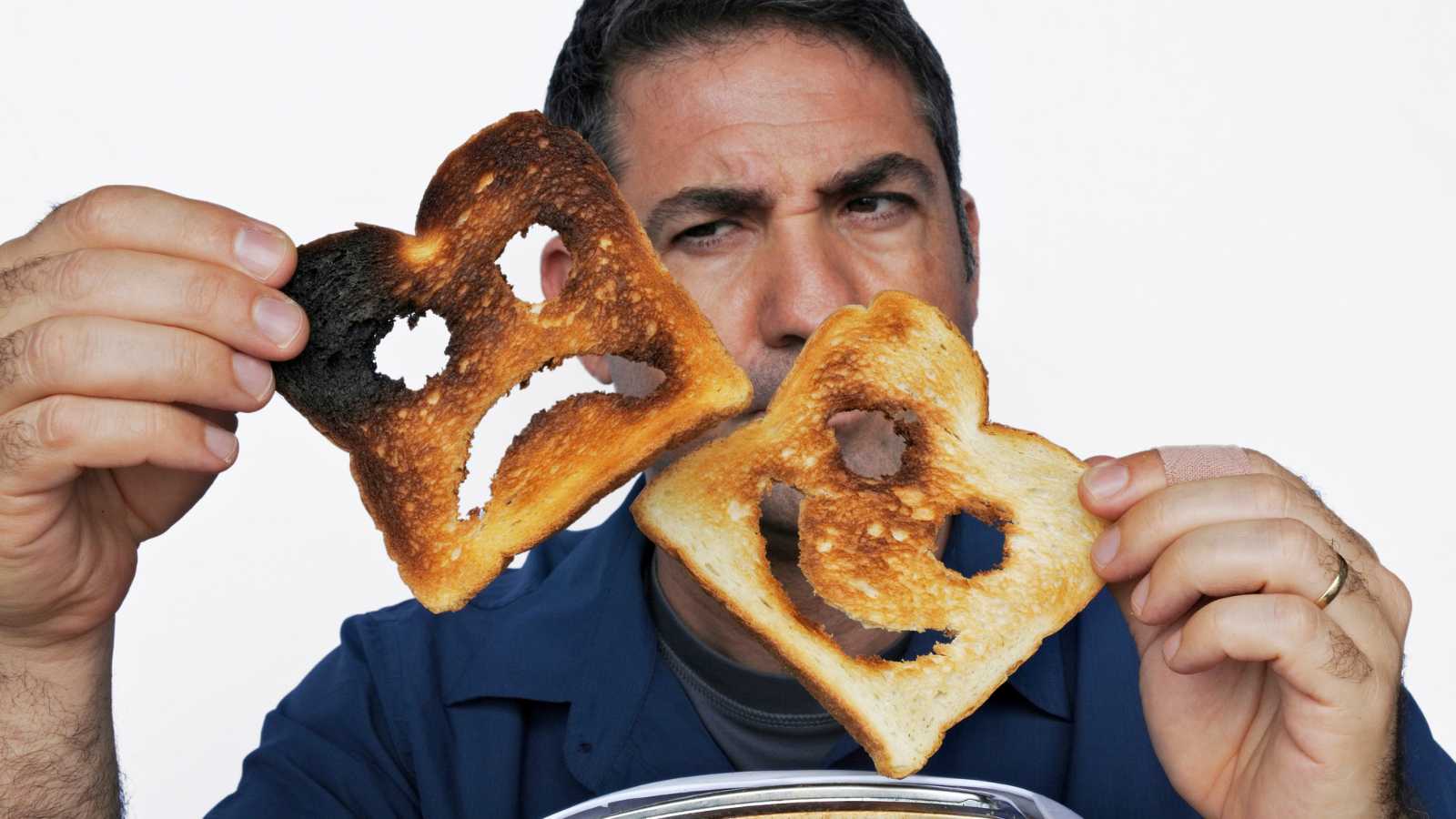
Bread needs dry heat, but slow cookers trap steam, which softens the crust and collapses the structure. CyCookery notes that slow cooker bread resembles steamed buns, moist and dense, while Jo Cooks advises finishing loaves in the oven for proper browning.
Recipes confirm that slow-cooker bread tends to have a soft crust unless it’s broiled. Ovens, by contrast, deliver dry heat at 400–450°F, enabling the Maillard reaction for rise and crispness. The lesson is clear: bake bread in an oven for the crust and structure that make it truly satisfying.
Expensive Cuts of Meat

Premium cuts need precision. Steak loses its prized structure during prolonged cooking as fibers break down excessively, leaving it flat and overdone.
KitchenPearls notes that slow cookers tenderize collagen-rich cuts, but lean or premium steaks lose their bite. CookingUpdate notes that sirloin can turn soft and flavorless when slow-cooked.
I tested sirloin once, and it tasted dry and flat. James Beard reminded us, “Good meat is not cheap, and cheap meat is not good.” The fix is simple: save premium cuts for grilling or searing, and let slow cookers handle tougher, cheaper cuts like chuck roast or brisket.
Final Thoughts

Slow cookers aren’t about reinventing recipes; they’re about making smarter choices. The science is clear: softer vegetables cook in 10–15 minutes, while harder ones need 20–30 (AnSoup). USDA guidelines emphasize precise grain-to-liquid ratios to avoid mush or undercooking.
In other words, success comes down to timing and ingredient selection. As chef Thomas Keller once said, “A recipe has no soul. You, as the cook, must bring soul to the recipe.” Apply that wisdom here: fix the decisions, and suddenly your slow cooker works for you, not against you.
Disclaimer: This list is solely the author’s opinion based on research and publicly available information. It is not intended to be professional advice.
Like our content? Be sure to follow us.