

Some of history’s most revolutionary inventions were dismissed as too bizarre, but these 12 examples show how early ideas shape the world around us.
Every era has that one genius everyone side-eyed at first. The person talking about flying machines, pocket computers, or instant photos long before the rest of us could imagine needing them. Some of those “too early” ideas ended up shaping the gadgets we use every single day.
These inventions looked strange, expensive, or flat-out impossible when they debuted, yet they quietly planted seeds for the future. You can almost trace a line from these misfit ideas to the devices sitting on your desk or in your pocket right now.
Leonardo’s Flying Machines
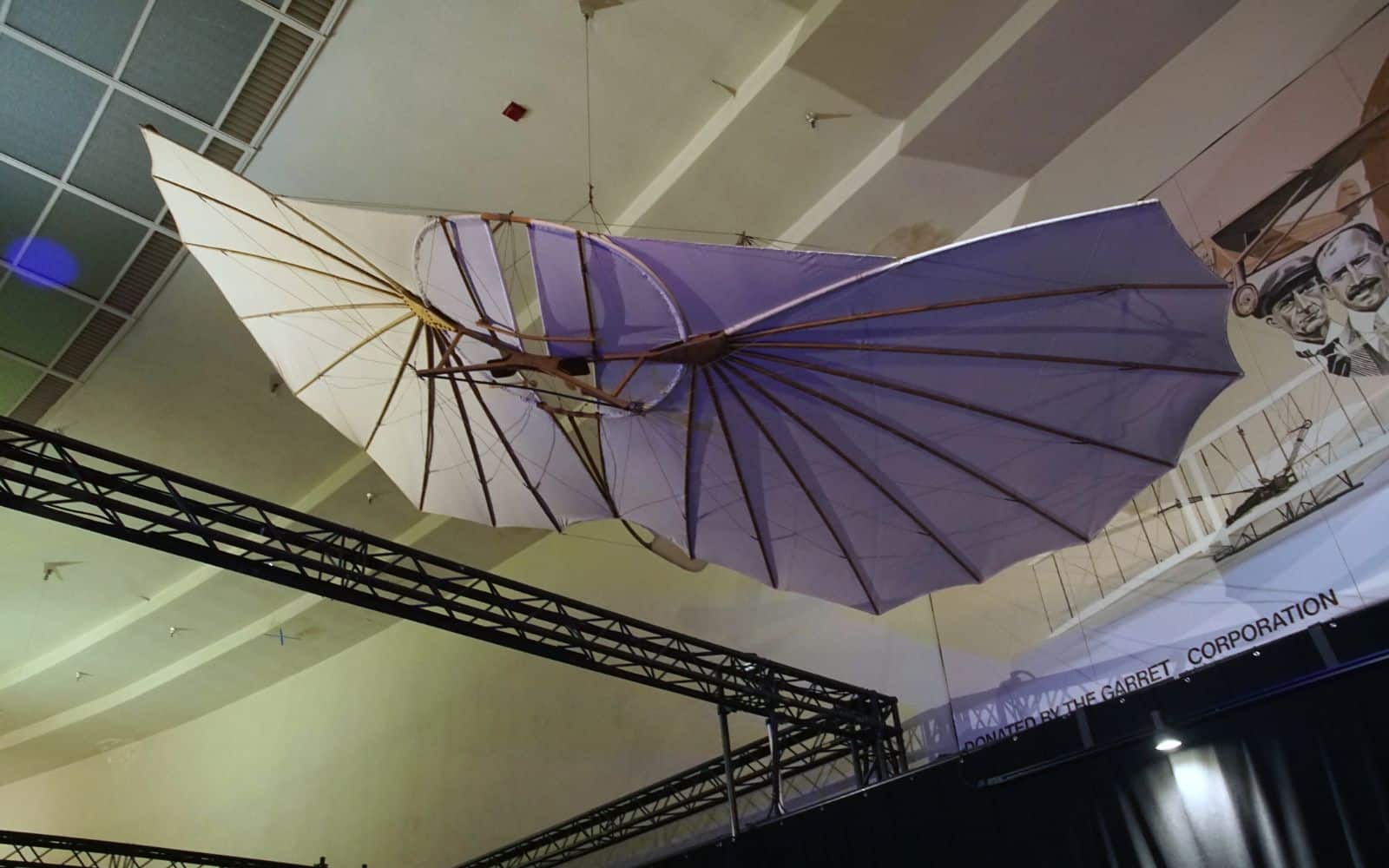
Centuries before the Wright brothers, Leonardo da Vinci was sketching wings, gliders, and rotor-like contraptions in his notebooks. His designs look more like art than engineering, but they reveal a mind obsessed with making human flight a reality. His “aerial screw” and bird-inspired wings would not actually get off the ground with the materials available at the time.
Museum write-ups note that Leonardo produced over 200 drawings and sketches of flight in the late 1400s and early 1500s, including an ornithopter, a “flying machine” that sought to mimic the flapping wings of birds and bats. Even if his machines never flew, his ideas flapped their way into the foundations of modern aeronautics.
Tesla’s Wireless Power Experiments
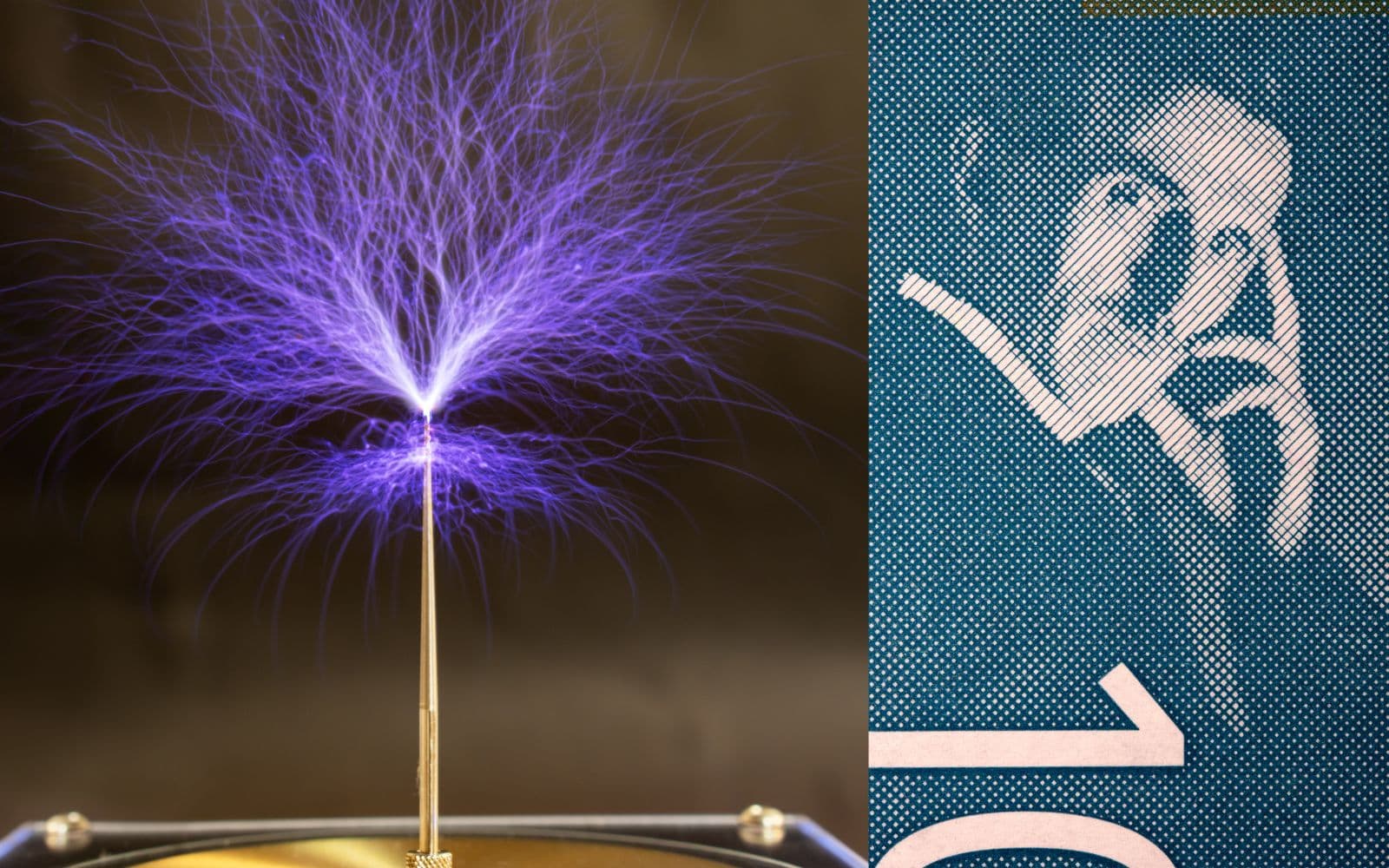
Long before wireless phone chargers, Nikola Tesla was dreaming about sending electricity through the air. His Wardenclyffe Tower project on Long Island was meant to beam power and messages across oceans, using the Earth itself as part of the circuit. Investors and the public struggled to grasp it, and the project ran out of money.
Historical accounts from the Tesla Science Center explain that work on the 187-foot Wardenclyffe Tower began in 1901 as part of a plan to transmit both wireless telegraphy and electrical energy, but funding from J.P. Morgan stopped in 1905, and the tower was demolished in 1917.Today’s wireless charging pads and experimental long-range power projects look a lot like the future Tesla pictured more than a century ago.
Early Electric Cars
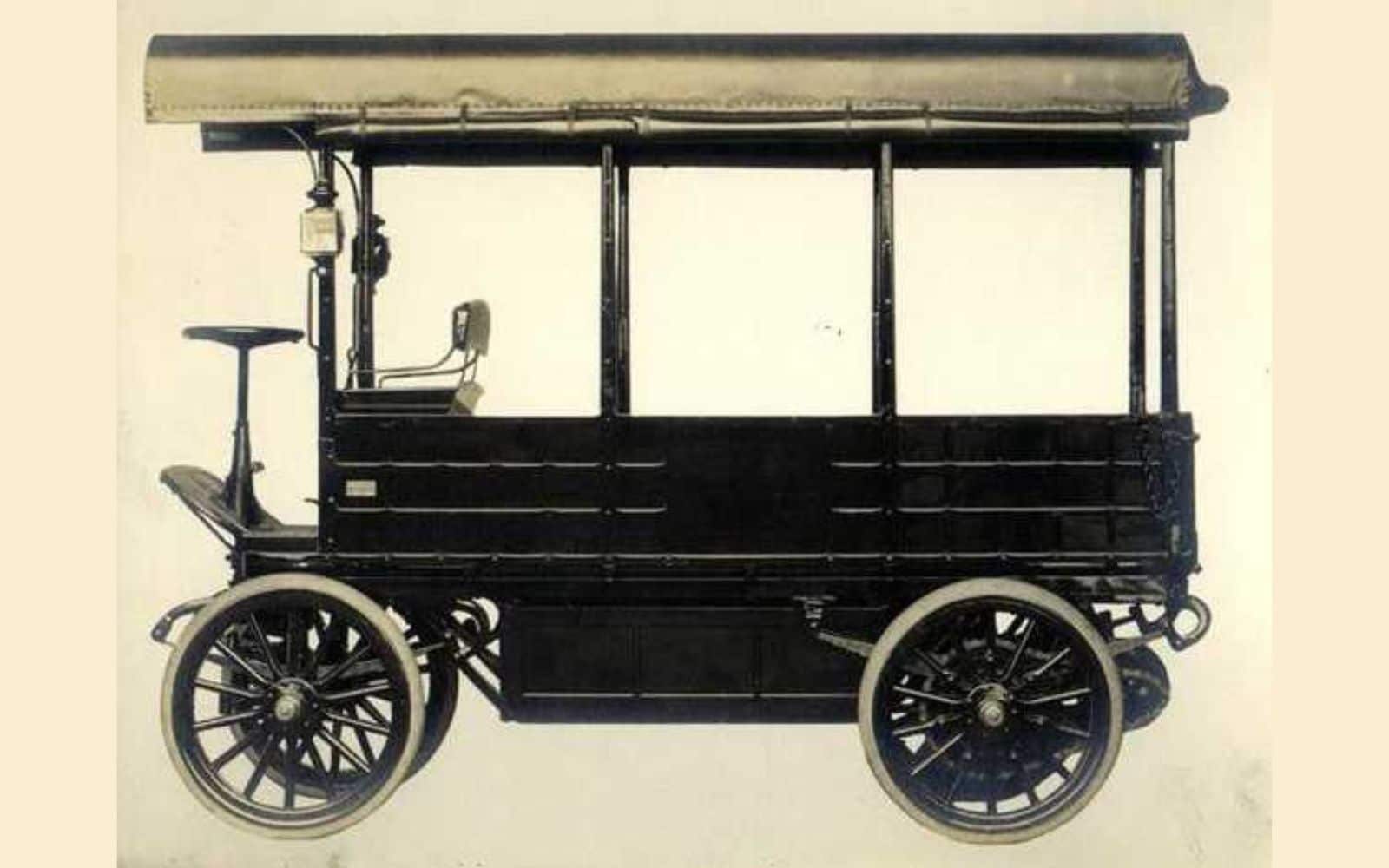
Electric vehicles feel like a 21st-century solution, but they were on American streets in the 1890s. For a while, quiet, easy-to-start electric buggies competed seriously with loud, smelly gasoline cars. Drivers loved that they did not need hand cranks or complicated gear shifting.
The Library of Congress notes that by 1897, the first 12 electric cabs were already operating in New York City, and electric cars “competed with gasoline-powered cars” into the early 1900s before fading from the market after about 1914. EVs disappeared for decades, only to roar back as if they were brand-new inventions.
The Polaroid Instant Camera
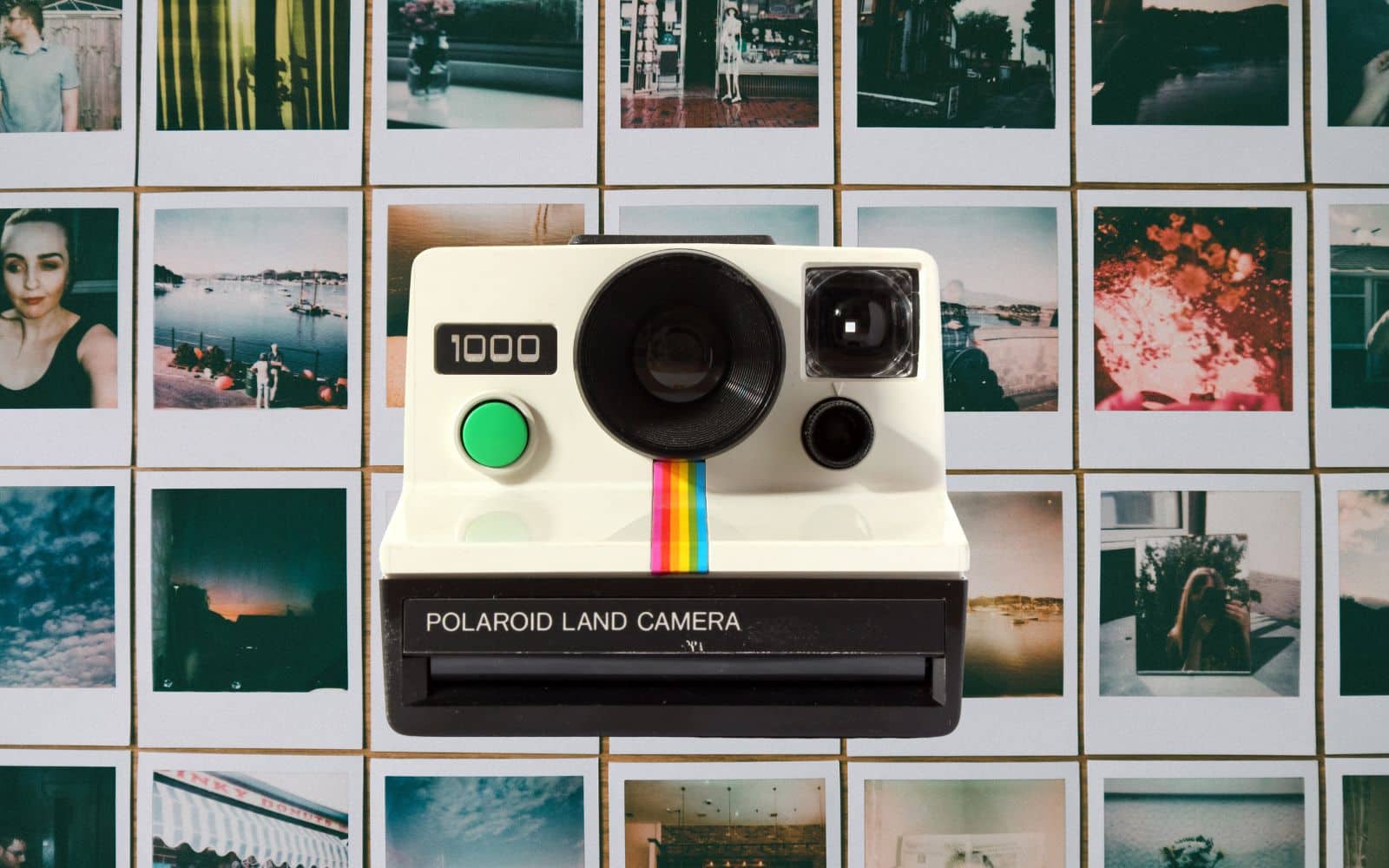
In a world used to dropping film at the drugstore and waiting days for prints, Polaroid’s instant camera looked like magic. You took a photo, pulled out the picture, and watched it develop in your hands. It was bulky and pricey at first, but it felt like a peek into the future of personal photography.
Physics Today recounts that on 21 February 1947, Edwin Land first demonstrated instant photography at a meeting of the Optical Society of America, and Polaroid soon released cameras that produced finished prints in about a minute. That desire for instant images is the same impulse that later made camera phones and social media so addictive.
Vannevar Bush’s Memex Concept
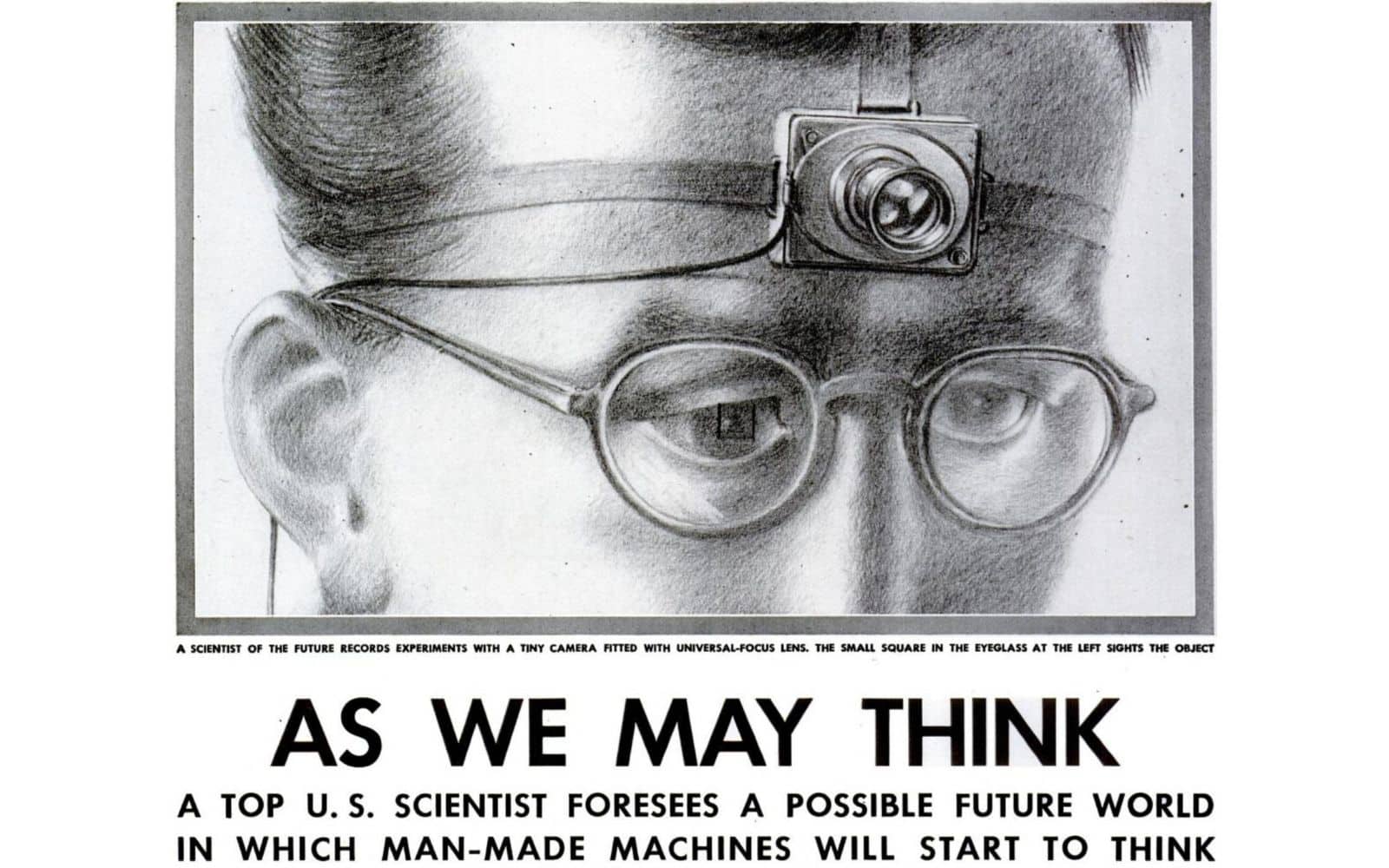
Decades before anyone typed a query into a search bar, engineer Vannevar Bush imagined a desk-sized machine that could store vast amounts of information and let users link ideas together. In his 1945 essay “As We May Think,” he described the Memex, a personal information system where people could create “trails” through documents, much like modern hyperlinks.
Histories of computing note that an illustrated version of Bush’s 1945 essay depicted the Memex as a desk-like device with screens and controls, and later scholars linked it directly to the conceptual roots of hypertext and personal computing. If the modern web feels familiar, it is because someone sketched its logic on paper nearly 80 years ago.
Douglas Engelbart’s “Mother Of All Demos”

In 1968, engineer Douglas Engelbart stood on a stage and showed a stunned audience a vision of computing that looked like pure science fiction. He demonstrated a mouse, Windows, video calls, real-time document editing, and hyperlinks, all in a single live presentation. Most viewers had never even touched a computer.
Contemporary descriptions from SRI and later write-ups describe the 90-minute event as the first public demonstration of the computer mouse, hypertext, on-screen windows, and shared-screen teleconferencing, which is why it earned the nickname “The Mother of All Demos.” What looked wildly futuristic then is just “a normal workday on a laptop” now.
Save this article
The First Head-Mounted VR Display

Today’s virtual reality headsets still feel futuristic, but the idea is older than most of the people wearing them. In 1968, computer scientist Ivan Sutherland built a massive, ceiling-mounted contraption nicknamed “The Sword of Damocles,” which projected simple wireframe 3D graphics that moved with the user’s head. It was clunky, heavy, and wildly ahead of consumer demand.
Tech histories describe Sutherland’s system as the first true head-mounted 3D display, suspended from the ceiling and tracking head movements so the computer-generated image shifted with the wearer’s viewpoint in real time. Strip away the metal arm and you have the basic concept used by modern VR and AR headsets.
Smartwatches Before Smartphones
Long before Apple and Samsung made tiny screens for your wrist, watchmakers were experimenting with calculator watches, TV watches, and early digital organizers. In the 1980s and 1990s, some models let you store phone numbers, control VCRs, or even check basic data, but most people just saw them as gadgets for nerds.
Those clunky devices looked like novelties at the time, yet they hinted at a future where your wrist would be a hub for notifications, health stats, and quick replies. The smartwatches we swipe today are just sleeker, faster versions of experiments that showed up 30 or 40 years too early.
Early Home Automation Systems
Before “smart homes” had apps and voice assistants, tech enthusiasts in the 1970s and 1980s wired lights and appliances to basic control boxes. Some used the X10 protocol, which let homeowners control devices over existing electrical wiring. It was glitchy and limited, but the vision was clear: a home that responded to you.
Home tech historians often point to X10, introduced in 1975, as the first widely available home automation standard, sold in kits that let users turn lamps on and off remotely over power lines. Today’s smart plugs and voice-controlled bulbs owe a quiet debt to those early tinkerers.
Car Phones And Early Mobile Networks
The giant “car phones” of the 1970s and ’80s were expensive status symbols that took up half a console. Calls were spotty, networks were tiny, and bills were outrageous. Still, they proved people would pay a lot to talk from anywhere instead of hunting for pay phones.
Telecom timelines note that commercial cellular service began in Japan in 1979 and spread through major U.S. cities in the 1980s, turning bulky analog car phones into the predecessors of modern mobile networks. Those chunky handsets were the awkward baby photos of the smartphone era.
Hybrid Cars Before Gas Prices Spiked
The idea of combining a gas engine with an electric motor is older than most people realize. Concept vehicles and limited production hybrids were tested long before the Prius hit American roads in the late 1990s. For years, they were seen as odd little science projects rather than practical family cars.
Once fuel prices jumped and climate concerns grew, that “weird” engineering suddenly looked wise. Many modern models and plug-in hybrids trace their lineage back to prototypes that never sold well but proved the technology could work. Sometimes the market has to catch up to the machine.
Online Shopping Before Broadband
Ordering from a screen feels normal now, but early online shopping in the 1980s and very early 1990s required dial-up connections and a lot of patience. A few services let users browse text catalogs and place orders electronically, but the process was clunky enough that most people stuck to phone orders and paper catalogs.
Those early experiments, including videotex and proprietary online services, mostly fizzled, yet they laid the infrastructure and habits that later enabled Amazon and others to explode. What started as a slow, text-based curiosity became the default way to buy everything, from groceries to furniture.
Key Takeaway
The most exciting inventions are often the ones that show up a decade or a century before the rest of us are ready. From Leonardo’s flying sketches to Tesla’s wireless dreams and Engelbart’s mind-blowing demo, these ideas looked strange in their own time but quietly set the stage for our daily routines. If something seems too far-fetched today, there is a good chance it is just waiting for the world to catch up.
Disclosure: This article was developed with the assistance of AI and was subsequently reviewed, revised, and approved by our editorial team.
Like our content? Follow us on Newsbreak.
10 psychological benefits of prayer according to science

When life feels overwhelming, prayer turns out to be more than comfort; it’s a quiet mental reset button many of us didn’t realize we were pressing.
Many people turn to prayer when life gets rocky because they are looking for some peace or a sense of direction. It turns out that this age-old practice does a lot more than just offer spiritual comfort. Science is now backing up what believers have felt for centuries about the power of bowing your head. The act of praying triggers specific reactions in the brain that can actually change how we handle challenges. Learn more.





