

Before smartphones, YouTube tutorials, and on-demand services, everyday life required a level of hands-on competence that many people no longer develop. Today, multiple studies suggest a measurable generational gap in practical skills, not necessarily because younger people are less capable, but because the world has changed.
For example, a 2025 Nationwide Building Society survey found that 30% of people believe DIY skills are being lost among younger generations, while 41% of Gen Z admit they lack confidence in their own abilities. The gap becomes clearer in specific tasks: only 9% of Gen Z have performed basic home maintenance, such as bleeding a radiator, compared to 53% of baby boomers.
Researchers also point to key reasons behind this shift: less hands-on education, greater reliance on professionals, and the fact that knowledge is no longer consistently passed down between generations. In short, it’s not that younger generations can’t learn these skills; it’s that they’ve had fewer reasons to.
Here are 12 forgotten skills boomers mastered, and why they’re fading today.
Haggling and negotiating for a fair deal
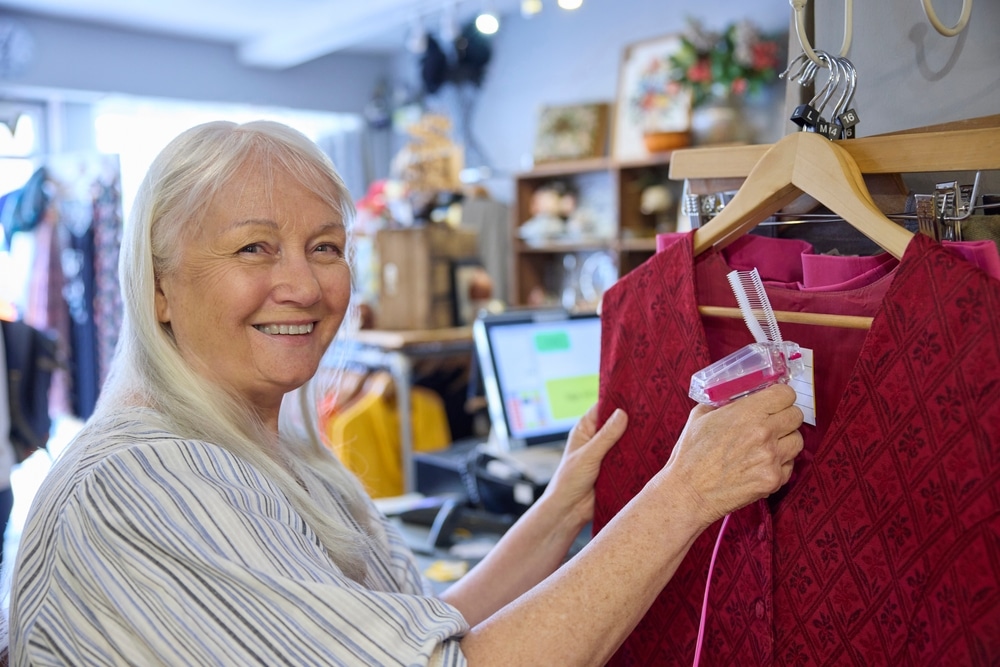
Boomers knew that the first price offered was rarely the final price paid. They learned the dance of negotiation, using charm and firm logic to ensure they were getting the best possible value for their hard-earned cash. It was a social game that required a quick wit and the ability to walk away if the deal did not sit right.
Younger shoppers often find the idea of haggling incredibly awkward and would rather pay a premium to avoid a confrontation. Reclaiming this skill can save a person thousands of dollars over a lifetime of big and small purchases.
Navigating with a physical road map
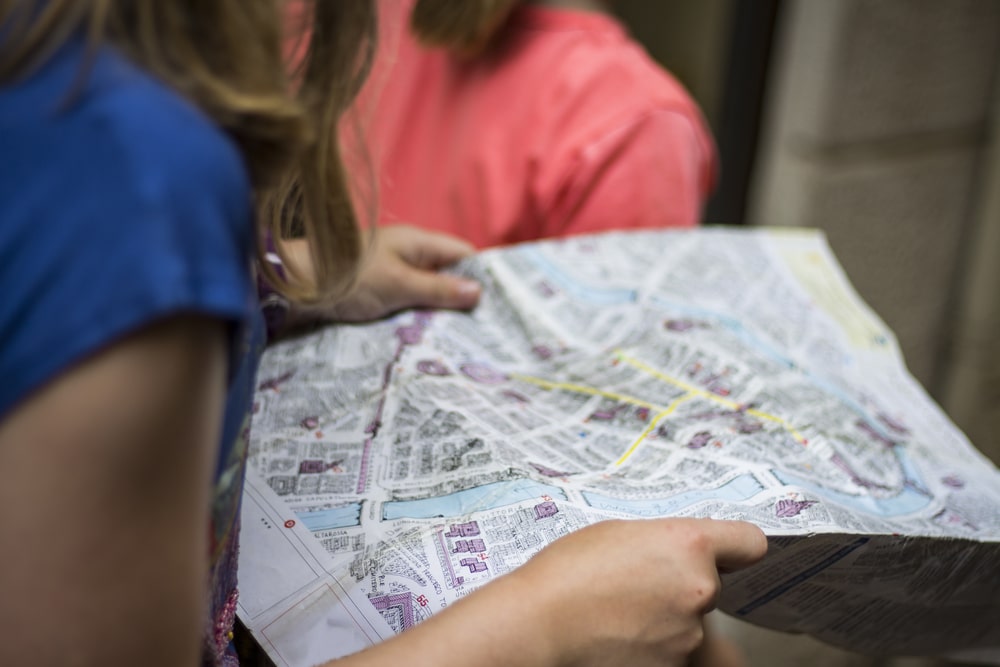
Long before a calm digital voice told us to turn left in two hundred feet, people had to figure out their own way across the country using giant paper maps. Boomers mastered the art of spatial awareness, learning to orient themselves by landmarks and a steady sense of direction.
It was a mental workout that kept the brain connected to the world’s physical geography during every long trip. Current figures show that about 92% of drivers now rely on GPS apps to get where they are going without ever looking at a paper atlas.
This total reliance on technology means that many younger people feel completely lost the moment their battery dies or they lose a cell signal. The old skill of reading a legend and tracking a route is a mental safety net that is slowly being phased out by convenience.
Repairing household items instead of replacing them

When a button fell off a shirt or a chair leg got wobbly, the first instinct for a boomer was to grab a sewing kit or some wood glue. They viewed their belongings as long-term investments that were worth a little elbow grease and care.
This mindset of preservation helped them save a lot of money over a lifetime while keeping their homes in top-notch condition. Many younger folks find the idea of fixing a blender or a lamp to be an impossible task because modern products are often built to be unserviceable. We have traded the satisfaction of a job well done for the ease of a next-day delivery box.
Cooking from scratch without a screen

Boomers spent years learning the secrets of a family recipe by standing next to their parents and watching how the flour was measured by feel. They did not need a tablet propped up on the counter to tell them when the onions were perfectly translucent or when the meat was done.
This intuitive style of cooking relied on the five senses and a deep understanding of how heat interacts with different types of ingredients.
Statistics show that only 30% of families regularly cook and eat dinner together in our fast-paced environment. Many younger adults feel paralyzed in the kitchen without a step-by-step video to guide every single knife movement.
Operating manual tools with precision
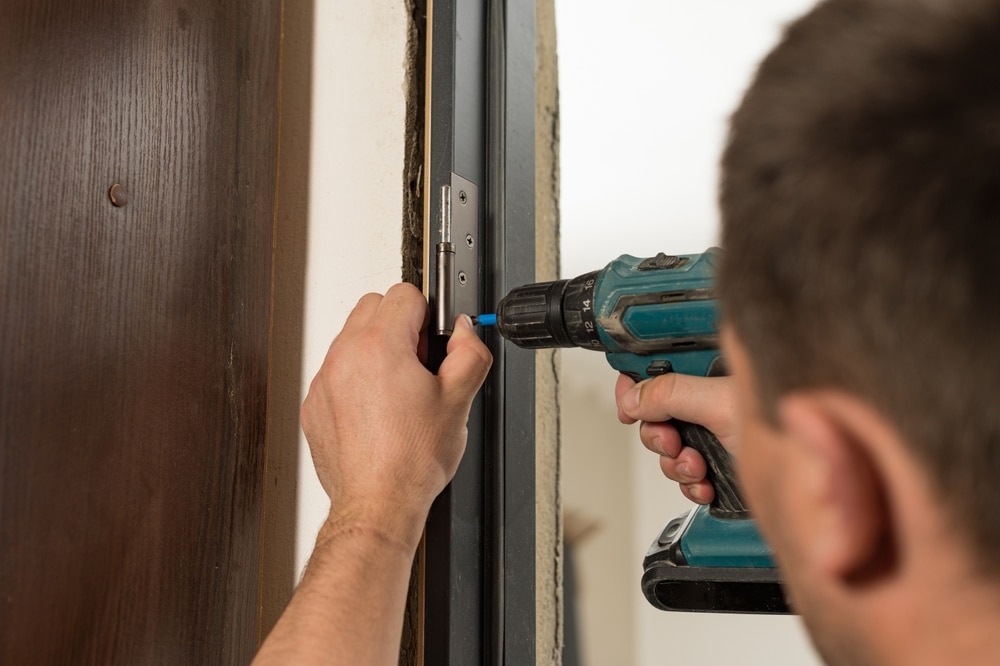
Before every drill and saw was powered by a lithium-ion battery, boomers used hand tools that required a high level of physical skill. They knew how to use a hand plane to smooth a piece of wood or a manual brace to drill a perfect hole through a beam.
These tools provided a direct physical feedback that helped them understand the properties of the materials they were working with.
Working with hand tools builds a level of coordination and focus that is difficult to find in our purely digital and automated world. It is a slow and steady craft that turns a simple piece of wood into a functional work of art for the home.
Writing in legible cursive script

The art of handwriting was once a mark of a good education and a respectful way to send a personal note to a friend or a colleague. Boomers spent hours practicing their loops and slants until their signature was a unique stamp of their own personality and style. It was a slow form of communication that required a person to think carefully about their words before the ink hit the page.
Currently, only 21 states in the U.S. require schools to teach cursive writing as part of the standard curriculum. This shift toward typing means that many young people can barely read historical documents or even birthday cards from their own grandparents.
Save this article
Basic car maintenance and fluid checks

Knowing how to change a tire or check the oil level was once a mandatory rite of passage for any young person getting their first car. Boomers took pride in understanding the basic mechanics of their vehicles, often spending their weekends tuning up engines in the driveway.
It gave them a sense of control and saved them from expensive trips to the mechanic for simple and routine tasks. Modern vehicles have become so complex that popping the hood can feel like looking at a spaceship for someone without a specialized degree.
However, the loss of these basic mechanical skills makes drivers more vulnerable when they are stuck on the side of the road.
Maintaining a face-to-face conversation

Before the arrival of text messages and social media, the only way to catch up with a friend was to look them in the eye and talk. Boomers learned to read body language and subtle shifts in tone that reveal how a person is truly feeling during a chat. They mastered the art of small talk and the ability to keep a conversation moving without the crutch of a glowing screen.
About 95% of individuals believe that face-to-face conversations are key to successful long-term relationships in the workplace. Without these skills, younger generations often struggle to build the deep connections that are vital for long-term success.
Memorizing important phone numbers

In a world without digital contact lists, boomers had to keep their social circle stored in their own gray matter for daily use. They could rattle off the numbers for their parents, their best friend, and their workplace without a single moment of hesitation or doubt.
This mental exercise kept the brain sharp and ensured they could always reach help, even when they were away from their home base. Many younger people do not even know their own partner’s number by heart, leaving them completely stranded if their phone gets lost or broken. Reclaiming a bit of mental real estate for these vital facts is a simple way to boost your daily independence and confidence.
Balancing a paper checkbook ledger

There was a certain discipline in sitting at the kitchen table every month to account for every single penny spent on bills and groceries. Boomers treated their checkbook as a vital ledger of their personal finances and a way to catch banking errors before they became big problems.
It required a level of focus and basic math that kept a person very close to the reality of their spending habits. A recent report by Westpac found that three in ten people admit they are losing track of their spending because they no longer use manual tracking methods.
While mobile apps are fast, they often hide the pain of spending, making it much easier to go over your intended monthly budget. The tactile act of writing down numbers creates a mental friction that helps prevent the mindless swiping of a credit card.
Using a traditional physical compass

Before satellite navigation, a simple magnetized needle was the only thing standing between a hiker and a very cold night in the woods. Boomers learned how to use a compass in conjunction with a map to find their way through dense forests and over unfamiliar hills.
It was a skill that combined basic physics with keen observation of the natural world and the sun’s changing position.
Younger generations often lack the fundamental understanding of how to navigate using nature’s own markers and simple tools. Learning to read a compass is more than just a hobby; it is a vital survival skill that connects us to the earth beneath our feet.
Developing a high level of patience

The pre-digital world was a place of waiting, from waiting for photos to be developed to waiting for a favorite show to come on. Boomers mastered the art of the “slow burn,” learning to manage their expectations and stay calm when things did not happen instantly.
This internal patience allowed them to tackle long-term projects with a steady hand and a clear mind without getting frustrated. Our current “on demand” culture has made the virtue of patience feel like a relic from a forgotten age. Relearning how to wait can lower your stress levels and help you achieve the kind of success that only comes with time and persistence.
Key takeaway
While technology has made our lives much easier, the loss of these hands-on skills represents a quiet decline in our collective sense of self-reliance. By looking back at the practical wisdom of the boomer generation, we can find a balance that combines modern efficiency with the grit of manual labor.
Disclaimer: This list is solely the author’s opinion based on research and publicly available information. It is not intended to be professional advice.
Like our content? Be sure to follow us





