

Have you noticed the grocery cart starting to look a little more… old-fashioned?
As food prices continue climbing, shoppers are quietly changing the way they buy groceries. Fancy ingredients are staying on the shelf, while versatile staples, store brands, frozen foods, and budget-friendly classics are making a comeback. For many families, the goal isn’t just spending less—it’s stretching every dollar without sacrificing full meals.
The numbers explain why. Grocery prices for meat, poultry, fish, and eggs rose 5.2% over the past year, outpacing overall food inflation, while egg prices alone jumped 16.4%. As budgets tighten, Americans are rediscovering foods that are inexpensive, filling, and remarkably adaptable.
Here are 12 grocery items making a surprising comeback as shoppers adjust to today’s higher prices.
1. Eggs
Eggs are shockingly expensive—but shoppers still keep buying them
Eggs may seem like an unlikely inflation comeback story. Prices have climbed so dramatically that many shoppers now experience genuine sticker shock in the dairy aisle. What was once one of the cheapest proteins in the grocery store can suddenly feel like a splurge.
Yet demand remains surprisingly resilient. Eggs are still versatile, protein-rich, and capable of stretching across breakfasts, lunches, dinners, baked goods, and casseroles. Even at today’s painful prices, a carton can produce several meals and may still cost less than buying the equivalent amount of meat. That helps explain why shoppers complain bitterly about egg prices—and then put them in the cart anyway.
2. Beans / Lentils & Other Plant-Based Proteins
With meat becoming pricier, plant-based proteins like beans and lentils are re-emerging as budget-friendly winners. People seeking nutrition and affordability are leaning into beans for soups, stews, and protein swaps — a return to frugal cooking instincts from past generations.
3. Pasta & Rice (Staple Carbs)
When meat and produce get expensive, pasta and rice often slide back into regular rotation. These shelf-stable carbs stretch a meal farther and give families flexibility to mix with cheaper sauces or veggies — a classic inflation‑era strategy.
4. Canned / Shelf‑Stable Goods (Tomato sauces, canned veggies, canned tuna)
Canned goods regained favor as shoppers look for longevity and value. With produce prices up and perishables riskier, canned products offer predictable pricing, longer shelf-life, and convenience — ideal in tight budget cycles.
5. Frozen Vegetables & Fruits
Frozen produce helps families dodge high fresh-produce prices or spoilage. With recent inflation and supply chain disruption affecting fresh produce, vegetables and fruits in frozen form offer nutrition, affordability, and less waste — prompting a comeback.
6. Peanut Butter & Basic Spreads
As spreads, peanut butter and similar items offer affordable, calorie-dense nutrition that stretches across meals. With prices rising on many items, peanut butter’s “bang for buck” quality appeals strongly for budget‑conscious households.
7. Ground Meat & Cheaper Cuts (Over Premium Cuts)
As retail meat prices rise, more shoppers turn to ground meats or cheaper cuts instead of premium steaks or specialty meats. Ground beef, chicken thighs, or mixed-meat meals help families maintain protein intake without breaking the bank.
8. Legumes and Pulses (Dry Beans, Lentils)
Not just canned, dry legumes — beans, lentils, chickpeas — are resurging. Their long shelf life, low cost per protein gram, and adaptability in stews, curries or salads make them a go-to for shoppers tightening budgets.
9. Budget-Friendly Meal Kits / Value Pack Foods
Pre-packaged, value- or economy-family meal kits (or basic boxed ingredients) are seeing renewed interest. Families opting for cheaper, easy-to-prepare meals — often stretching ingredients across multiple dinners — is becoming more common as cost-cutting behavior spreads.
Save this article
10. Oats & Whole Grains (Oatmeal, Bulk Grains)
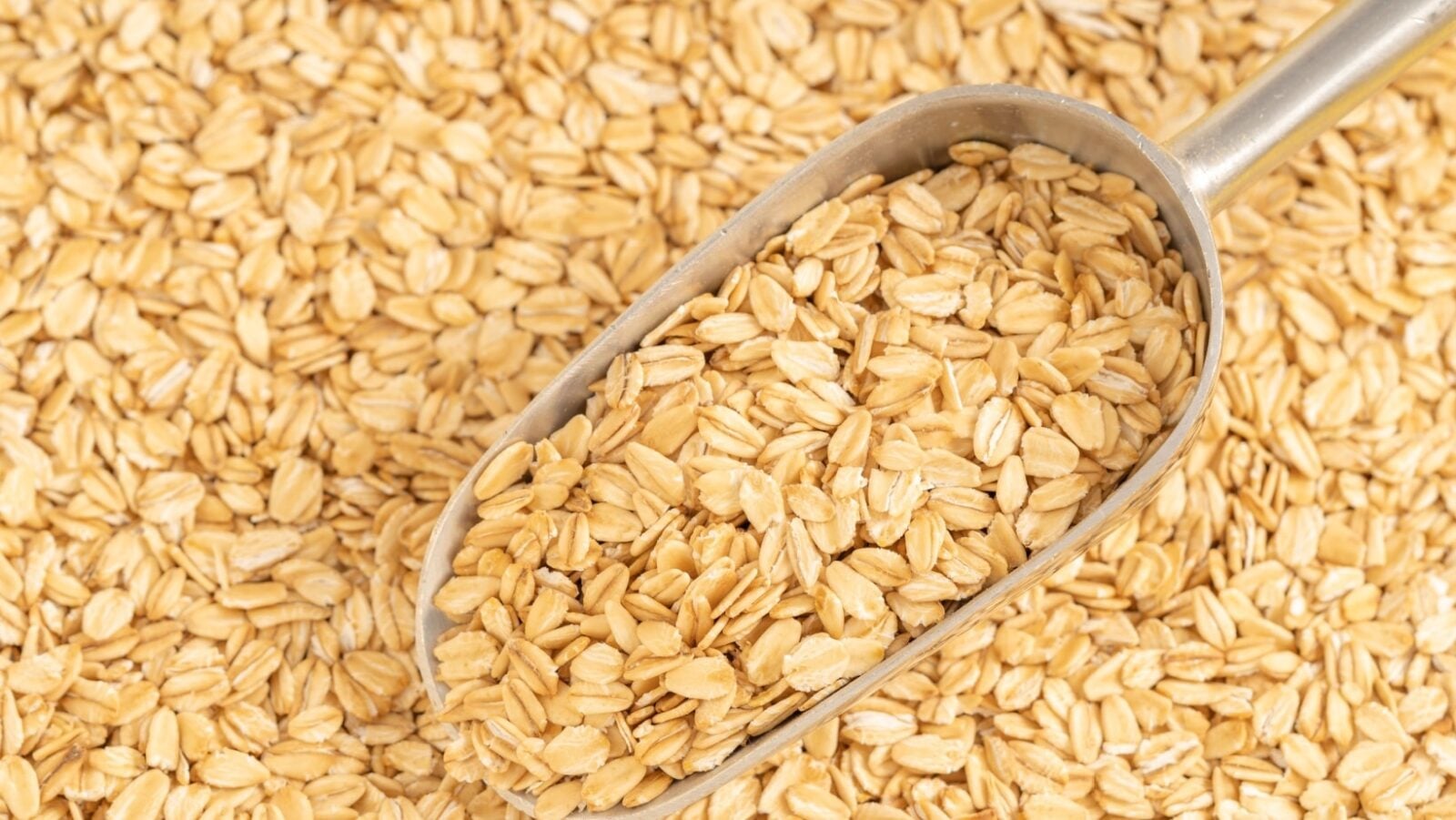
Oats, whole wheat, and bulk grains — often seen as humble staples — have regained popularity because they’re filling, affordable, and healthy. Users making oatmeal breakfasts or grain-based dishes get more meals per dollar now.
11. Generic / Store‑Brand Items
To battle inflation, many households are switching from premium brands to store brands or generics. Store-brand canned goods, pantry staples, and everyday foods offer lower prices with nearly identical utility. Budget-conscious shoppers embrace these switch‑overs en masse.
12. Versatile Vegetables & Carbs (Potatoes, Onions, Root Veggies)
When expensive produce hits wallets, inexpensive yet versatile vegetables like potatoes, onions, carrots, and root veggies see a comeback. They’re budget-friendly, store longer, and combine well with proteins — a reliable base for many plates in inflationary times.
Key Takeaways
Inflation doesn’t eliminate grocery shopping — it changes what people buy. Staples with good value, long shelf life, and versatility bounce back fast.
Pantry items, plant‑based proteins, basic grains, and store‑brand staples help households stretch budgets while maintaining nutrition.
In tough economic times, comfort returns not to novelty foods, but to reliable, filling basics that feed families affordably.
More articles:
- 12 fruits that contain more vitamin C than oranges
- 12 reasons dragon fruit may be one of the healthiest fruits you’re not eating enough of
- Starting Your First Garden? Here Are the 10 Easiest Vegetables to Grow
The Best Root Vegetables for Better Vision

Around the world, most conversations about eye health focus on things like glasses, screen time, or supplements. But in public-health circles, the story actually starts much deeper—literally underground. Root vegetables, especially the ones loaded with carotenoids, play a major role in keeping our eyes healthy.
Vitamin A deficiency is still the leading cause of preventable childhood blindness around the globe, according to the World Health Organization. It contributes to an estimated 250,000 to 500,000 cases every year, especially in places where people don’t have access to foods rich in provitamin A. Learn more.
Common spices linked to colon cancer prevention

In the quiet routine of seasoning a meal, you may be adding small, powerful defenses against one of the most common cancers.
Your spice rack might actually be hiding some powerful health benefits. It turns out that a handful of common pantry staples pack a serious punch against serious illnesses. Medical researchers are looking closely at how everyday seasonings can fight back against cellular damage in the digestive tract. Learn more.
Which protein is actually better for arthritis, plant or animal?

via 123RF
With more than 53 million Americans living with arthritis, emerging research points to nutrient balance—not protein source alone—as the real driver of bone and joint health.
CDC estimates from 2019–2021 show about 21.2% of US adults (around 53.2 million people) report a doctor’s diagnosis of some form of arthritis (including osteoarthritis, rheumatoid arthritis, gout, lupus, etc.). Osteoarthritis (OA) is the most common joint disorder in the US (over 32.5 million US adults live with it), mainly affecting knees, hips, hands, and spine. Learn more.





