

Long-lasting marriages aren’t sustained by chemistry alone. Research such as Dr. John Gottman’s Love Lab studies at the University of Washington shows that everyday habits, how couples communicate, handle conflict, and show care, predict long-term happiness more reliably than personality traits or income.
Husbands who remain happily married tend to practice the same small disciplines for years, even when feelings fluctuate. These habits quietly build trust, safety, and emotional closeness long after the wedding day.
They listen without preparing a defense

Happily married husbands listen to understand, not to reload arguments. Instead of interrupting or planning rebuttals, they focus on what their partner is actually feeling.
This habit lowers tension, prevents misunderstandings, and makes difficult conversations feel safer rather than threatening.
They express appreciation often

They don’t assume love is obvious. They say thank you for every effort, every meal cooked, every piece of work done, every stress handled, and every child cared for.
Regular appreciation reduces resentment and reminds their partner that her contributions matter.
They protect the relationship publicly and privately

They refuse to ridicule their spouse in front of friends, family, or coworkers. They avoid sharing private conflicts for entertainment or sympathy. This protection strengthens loyalty and signals emotional security.
They apologize quickly and sincerely
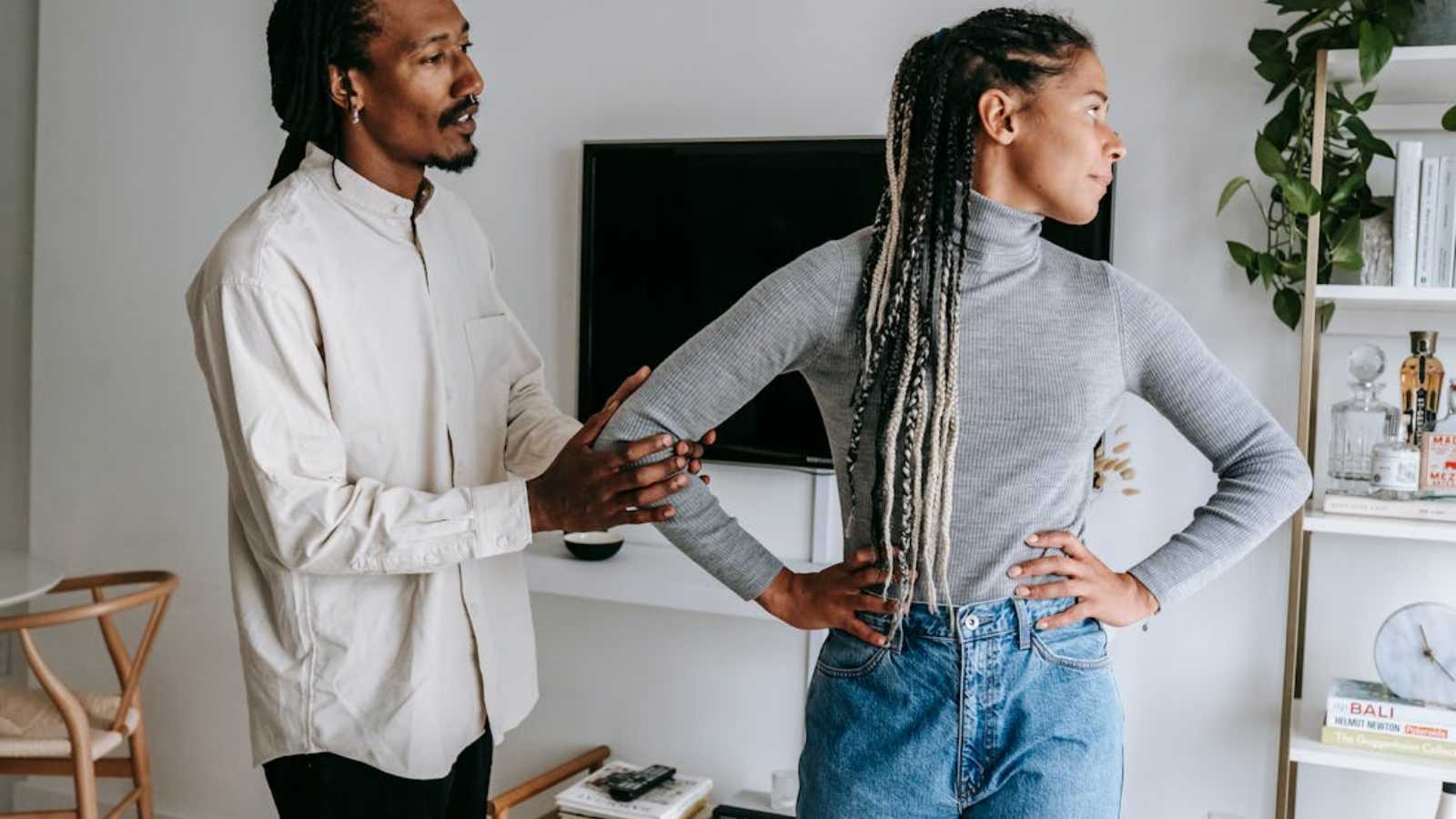
They admit mistakes without excuses. Instead of defending their intentions, they acknowledge the impact. A simple, honest apology repairs emotional damage faster than hours of arguing.
They stay curious about their partner

They understand that people evolve. Interests change. Fears grow or fade. Dreams shift. Rather than relying on outdated assumptions, they continue learning who their spouse is becoming.
They manage anger before it manages them

They recognize that uncontrolled anger damages trust more than the original problem. They pause, step away when needed, and return calmer. Emotional regulation becomes a form of love.
They invest time, not just money

Save this article
Providing financially matters, but emotional presence matters more. They schedule conversations, shared meals, walks, and quiet moments. Consistent time creates intimacy that gifts cannot replace.
They respect boundaries

They honor personal space, friendships, and private thoughts. They avoid controlling behavior disguised as concern. Respect keeps love from turning into pressure.
They support growth, not just comfort

They celebrate their partner’s education, career goals, healing process, and personal development. They do not compete with her progress or feel threatened by independence.
They keep romance practical, not performative

They show love in ordinary ways: sending thoughtful messages, helping without being asked, remembering important dates, showing physical affection, and checking in emotionally.
Romance becomes routine, not rare.
They choose the marriage during hard seasons

They understand happiness rises and falls. Stress, grief, illness, and financial pressure test every couple. Commitment, not mood, anchors their decisions.
They treat marriage as a partnership, not a scoreboard

They divide responsibilities fairly, share victories, absorb losses together, and solve problems as a team. Winning matters less than staying united.
Key Takeaways

- Happy marriages are built on habits, not luck.
- Emotional safety matters as much as attraction.
- Consistency beats grand gestures.
- Respect and self-control protect love long-term.
- Strong husbands grow alongside their partners, not ahead of them.
Also on MSN: Sorry, Gen Z—Baby Boomers were right about these 12 things all along
Disclosure: This article was developed with the assistance of AI and was subsequently reviewed, revised, and approved by our editorial team.
Disclaimer: This list is solely the author’s opinion based on research and publicly available information. It is not intended to be professional advice.





