Data from AARP shows that 21 percent of adults over 50 now live alone, quietly facing loneliness, health scares, and money worries that rarely get talked about until it is too late.
Growing old alone is a reality many people fear, yet it’s rarely discussed openly. In a world that prioritizes companionship and social connections, the idea of aging without these supports can feel unsettling.
The challenges of growing older without the company of close friends or family go beyond loneliness and touch on deeper, more complex issues. While society often glorifies independence, there are undeniable difficulties to aging alone.
Many of these struggles remain hidden because the subject itself is rarely discussed. From health challenges to financial worries, growing old without a partner or close family members presents difficulties that are often underestimated. The following 12 realities shed light on the harsh realities of aging alone, a topic many people are uncomfortable addressing but should consider seriously.
Physical Health Declines Without Support

As we grow older, maintaining our physical health becomes increasingly challenging, and the absence of a support system exacerbates this difficulty. Without someone around to assist with basic tasks, such as managing medical appointments, preparing meals, or even monitoring health symptoms, small issues can quickly escalate. Health conditions that require regular care or attention can become overwhelming without a loved one available to help.
Without a spouse or family to rely on, those living alone may miss vital health checkups, potentially resulting in untreated conditions. In more extreme cases, a health emergency could go unnoticed for days, leading to serious consequences. As the need for healthcare increases, those without close support face added risks and challenges, making it far harder to stay healthy as they age.
Emotional Strain and Loneliness

One of the most profound impacts of growing old alone is the emotional toll it can take. Loneliness is a constant companion when there are no loved ones nearby to offer emotional support.
Without someone to share everyday moments or discuss important life events, isolation becomes a heavy burden. While technology can help bridge the gap, it doesn’t fully replace the comfort of having people physically present in one’s life.
The lack of companionship during this stage of life can lead to feelings of sadness, anxiety, and depression. Without a spouse, children, or close friends, many find it difficult to fill the emotional void left by the absence of regular interactions.
Emotional well-being is deeply connected to social relationships, and without those, many people experience a decline in mental health that can make aging even more challenging.
Financial Insecurity and Stress

For those who grow old alone, financial worries can become overwhelming, especially without a partner to share the financial responsibilities. Single individuals must shoulder the full cost of living, housing, utilities, insurance, and more on a single income. This can cause significant stress, especially if retirement savings are insufficient or if the individual is living on a fixed income.
Without family support, the risk of financial instability increases. Medical expenses, long-term care, and housing costs can quickly drain savings, leaving many without a financial safety net. This financial strain is compounded by the reality that long-term care is expensive and often not covered by insurance, leaving individuals to manage the costs alone in their later years.
Lack of Advocacy in Healthcare

When growing old alone, navigating healthcare can be much more difficult. Many people rely on a spouse or family member to help with decision-making, such as understanding medical conditions or coordinating care. Without an advocate, individuals may struggle to understand complex health information or communicate their needs to medical professionals.
This lack of support can lead to miscommunication, misunderstandings, or even neglect. It’s harder to get the appropriate care when there is no one who knows your medical history, reminds you to attend appointments, or advocates on your behalf. The absence of someone to help manage these health concerns increases the risk that conditions will be overlooked or mismanaged.
The Fear of Dying Alone

The prospect of dying alone is a fear that many face as they grow older. The idea of passing away without someone by their side can feel like the ultimate loneliness. The thought of not having anyone to support you in your final moments or advocate for your wishes is an emotionally taxing reality for those who live alone in their later years.
This fear isn’t just emotional; it’s practical as well. In an emergency, individuals living alone may not receive the immediate help they need.
Without someone around to notice if something goes wrong, people who live alone face greater risks, particularly in urgent medical situations. This isolation during later life can lead to feelings of helplessness and despair.
Difficulty in Finding Social Connections

Save this article
As people age, finding new friendships or social connections becomes increasingly difficult. Baby Boomers grew up in a time when social networks were built around in-person connections, but today, technology has changed how we communicate. For individuals living alone, especially those without close family, finding opportunities to build meaningful connections can be challenging.
Social isolation increases with age, and as people retire or face mobility limitations, their ability to engage in social activities dwindles. Younger generations may be more comfortable making friends online, but for older adults, this shift in social dynamics can feel isolating. The lack of a social network not only leads to loneliness but can also cause emotional stress and a decline in mental health.
Increasing Vulnerability to Scams

Older adults who live alone are particularly vulnerable to financial scams. Scammers often target seniors because they may be more trusting, less familiar with new technologies, or living in isolation. Without someone to consult or look out for them, older adults are at greater risk of falling victim to schemes ranging from identity theft to fraudulent investment opportunities.
This vulnerability is made worse by the fact that older individuals may not have someone to help them track their finances or protect them from scams. The lack of a trusted individual to double-check suspicious activities can result in significant financial losses, further adding to the emotional and financial burden of aging alone.
The Burden of Household Maintenance

Homeownership can become a significant burden for those who grow old alone. Tasks that once seemed simple, cleaning, repairing, or maintaining the home, become increasingly difficult as physical abilities decline with age. Without a partner or family members to help, individuals must face these responsibilities alone, often leading to deferred maintenance and an inability to keep the home livable.
The financial cost of hiring help for these tasks also becomes a problem. For individuals on fixed incomes, the cost of regular home repairs, lawn care, and other maintenance services can be prohibitive. The physical and emotional toll of maintaining a home alone can lead to stress and even prompt a decision to sell the property, adding to the challenges of aging alone.
Lack of Emotional Support During Major Life Events

Major life events, such as the death of a close friend or family member, illness, or financial setbacks, are difficult to navigate alone. Most people rely on a partner or family members for emotional support during these times. However, those who grow old alone may find themselves without anyone to lean on during these challenging moments, making it even more difficult to cope.
The absence of emotional support during crucial times increases feelings of sadness and helplessness. Without someone to help process these emotions, individuals may experience isolation and a deeper sense of loss. Major life transitions are inherently stressful, and the lack of support when facing these moments can feel overwhelming.
Limited Ability to Participate in Activities
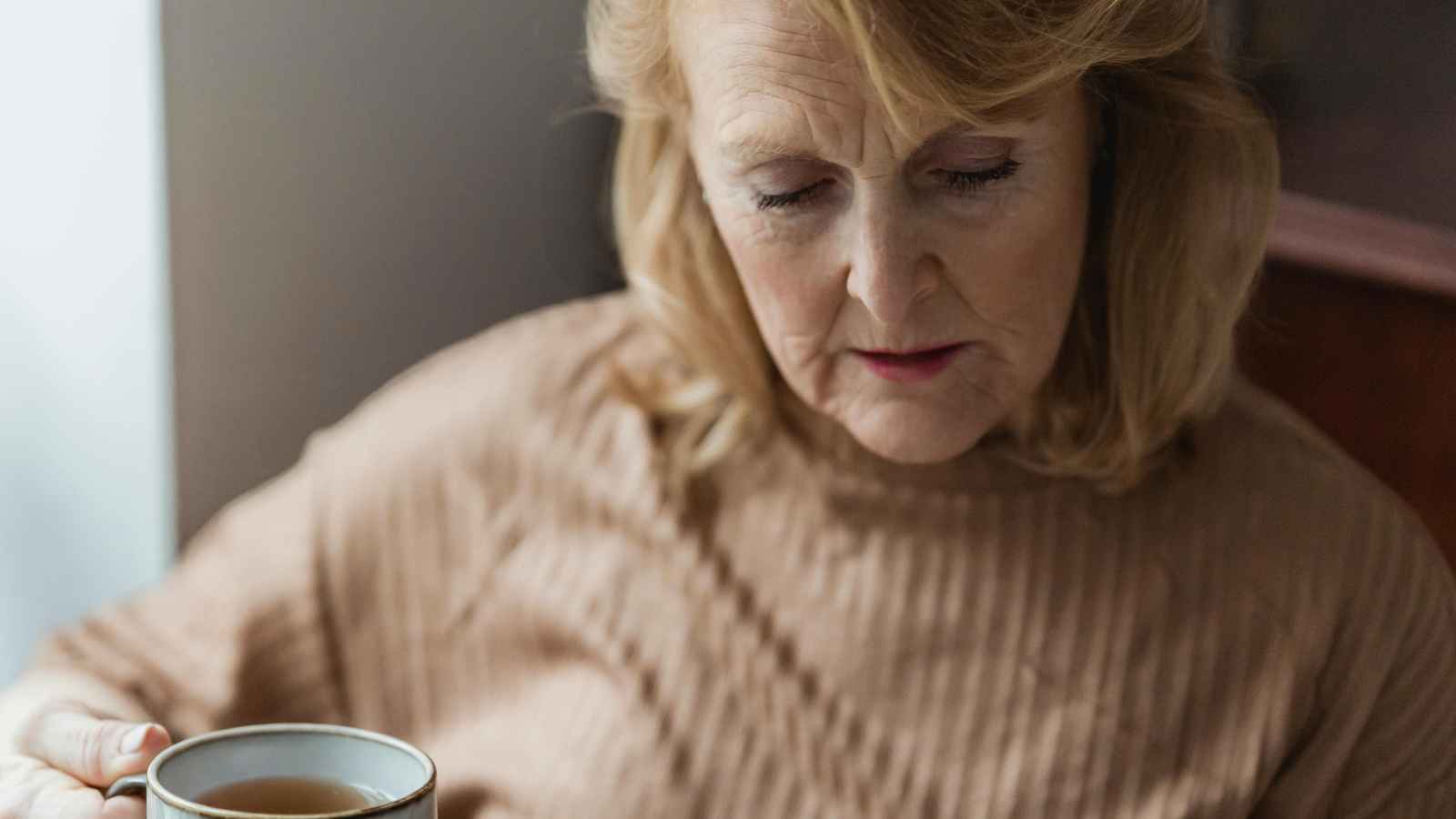
As people age, they may find it harder to participate in activities they once enjoyed, especially when alone. Traveling, socializing, or even attending events can feel daunting without someone to accompany you. The lack of a companion can deter many older individuals from participating in social or recreational activities, contributing to further isolation.
Not having someone to share experiences with can make activities seem less enjoyable and more of a chore. Without the motivation or companionship to engage in these activities, older individuals might withdraw even more, leading to a further decline in their social and emotional well-being. This isolation can significantly impact both mental and physical health.
The Challenge of Long-Term Care

One of the biggest realities of growing old alone is the need for long-term care. As people age, their need for assistance with daily living increases.
For those without family or close friends to help coordinate care or make decisions, this process becomes even more complicated. The logistics of long-term care, including hiring a caregiver, navigating insurance, or choosing an appropriate facility, can feel overwhelming without support.
The lack of close family members to help make care decisions can leave individuals uncertain about their future. Long-term care can be costly, and many older adults without family support may struggle to afford the services they need. This added financial and emotional strain can make aging alone even more challenging, leading to feelings of helplessness and fear about the future.
Key Takeaway

The harsh realities of growing old alone are more complex than many people realize. From emotional isolation to financial struggles and healthcare challenges, aging without close companions brings about difficult circumstances that can’t be overlooked. It’s essential to address these issues with greater awareness and to find ways to support those facing the prospect of aging without the comfort of loved ones.
Disclaimer: This list is solely the author’s opinion based on research and publicly available information. It is not intended to be professional advice.
Like our content? Be sure to follow us.