

Across America, the ghosts of shuttered malls and diners tell a quiet story about how technology has rewritten our sense of community.
America’s collective memory is stitched together from the glow of neon signs, the buzz of crowded aisles, and the shared rituals that once defined weekends and childhoods. These spaces were more than buildings; they were cultural meeting grounds where families bonded, friendships deepened, and life’s small milestones played out.
Now, many of these once-vibrant landmarks sit empty, quiet reminders of how quickly technology can reshape not just our economy, but our sense of belonging. What was once a night out or a family ritual has become a solitary scroll or click, rewriting how Americans connect, spend, and remember. What remains are memories of a slower, more tangible world that once felt permanent, until it wasn’t.
The Drive-In Theater

The drive-in movie theater was a classic slice of Americana, particularly popular after the rise of the car culture post World War II. It offered privacy, family fun, and a truly distinct atmosphere, essentially turning the family vehicle into a temporary viewing room and a low-budget source of entertainment.
Their decline is due to real estate economics, as the vast tracts of land required for seasonal use became too valuable. Furthermore, the technology of large screens could not compete with modern high definition screens and digital sound, making the grainy projection and weak audio a difficult sell.
The Department Store Anchor

Department stores like Sears and JCPenney served as the mighty anchors for those great malls, offering everything from appliances to holiday goods under one roof, fundamentally shaping how families spent their money. They were pillars of middle-class finance and served as cultural landmarks where generations shopped for outfits and back-to-school essentials.
Their slow, agonizing demise is a consequence of competing with specialized big box stores and online giants like Amazon. Department stores were the original curators of American consumerism. However, once consumers realized they could obtain better value and a deeper assortment elsewhere, the model became unsustainable, ultimately leading to its slow, painful demise.
The Local Video Rental Store

Blockbuster Video, with its iconic blue-and-yellow color scheme, represented the pinnacle of Friday night family entertainment—a physical manifestation of anticipation. The long aisles of VHS and later DVDs provided a ritualistic hunt for the perfect cinematic adventure.
This industry was utterly decimated by digital disruption. At its peak, Blockbuster had over 9,000 stores worldwide, but its reliance on late fees ultimately proved fatal when Netflix offered greater convenience. The company failed to pivot to streaming, ultimately filing for bankruptcy in 2010 after losing approximately 75% of its market value by 2005. This proves that even giant businesses must always prioritize innovation.
The Arcade Or Coin Op Game Room

Before every child carried a powerful gaming console in their pocket, the brightly lit, noisy arcade was the epicenter of competitive gaming and adolescent social hierarchy. These places were social laboratories where teenagers exchanged quarters, learned sportsmanship, and developed friendships and rivalries over Pac-Man and air hockey.
These dedicated gathering spots have largely disappeared, replaced by home consoles, online multiplayer networks, and mobile games. While nostalgia keeps some small retro arcades alive, the mass market dominance is gone. The thrill of spending a quarter is replaced by the ease of free-to-play apps that offer endless digital entertainment.
The Indoor Shopping Mall
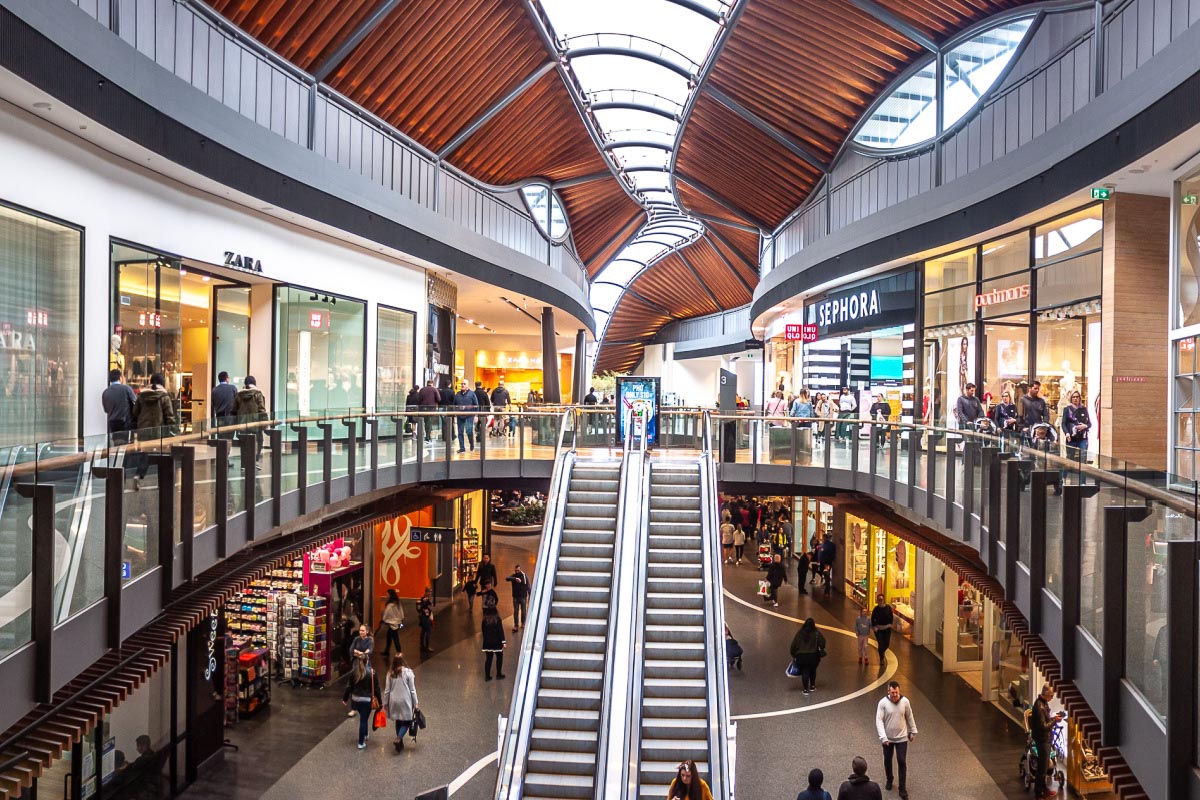
Once the beating heart of suburban youth culture, the sprawling indoor mall was the quintessential gathering spot, serving as a climate-controlled town square for teenagers and families alike. The trip was an experience in itself —a place to see and be seen, to browse the latest beauty trends, and to try on new fashion, even if no major purchase was made.
The rise of e-commerce proved a fatal blow to this model, rendering the variety and convenience of malls obsolete. Retailers are expected to close approximately 15,000 stores this year as some legacy brands shrink and file for bankruptcy protection. This massive shift reflects consumer preference for home delivery and personalized shopping.
The American Diner (Traditional Style)

The classic, stainless-steel American diner, serving endless coffee and all-day breakfast specials, was once the community’s democratic melting pot. It was where factory workers, students, and travelers could find reliable comfort food and conversation at any hour of the day or night.
The proliferation of fast food chains and casual dining franchises in the 1960s presented stiff, focused competition that offered speed and consistency. TGI Fridays, a former casual dining staple, experienced a significant decline in revenue from its peak of $2 billion in 2008 to $728 million by 2023. This change reflects a continued shift in public dining habits away from full-service restaurants.
The Payphone Booth

A few decades ago, the payphone booth was a critical communications lifeline on every street corner, a small, glass-walled fortress for urgent calls and secret conversations. If your car broke down or you needed to reach family urgently, the payphone was your only option, a necessary tool for maintaining vital relationships.
The ubiquitous cellphone wiped this technology off the landscape. At their peak in 1999, there were over 2.1 million payphones in the U.S., but that number has declined by over 95%. Today, approximately one-fifth of America’s remaining payphones are located in New York, often serving areas with weak cell phone coverage.
Save this article
The Community Movie Theater

Long before stadium seating and luxury recliners, the single-screen or modest twin-screen community theater was the primary venue for cultural consumption and a cherished date spot. It was a cultural hub that provided mass inspiration and common talking points for the entire neighborhood, offering a shared cinematic escape.
Today, streaming services have fundamentally altered the movie-going lifestyle. Though major chains still operate, the locally owned theater struggled greatly when the COVID-19 pandemic accelerated the shift to in-home viewing.
The Photo Development Store

The era of film cameras meant that taking photos was an act of delayed gratification, often requiring a visit to a dedicated photo development store to drop off a roll and anxiously wait for the physical prints to be developed. This process of ordering physical copies was how families documented their most cherished relationships and memories.
The digital camera and, more critically, the smartphone, made this business model instantly obsolete. Now, people can take, edit, and share photos instantly, bypassing the need for a physical location. Although printing photos is still possible, it is now an automated process performed via machines, eliminating social interaction.
The Record Store (Mass Market)

The mass-market record store, often found in malls, was a cultural institution where young people learned about music, discovered new artists, and purchased physical media, such as LPs, cassette tapes, and CDs. It was a place for sonic exploration and collecting, where music shaped personal identity.
Digital music downloads initially eroded this market, but streaming services dealt the final blow, rendering physical ownership primarily a niche hobby. A vast library of music is available instantly for a low monthly fee, eliminating the need for a physical space to browse and purchase individual albums.
The Traditional Bowling League

For decades, the bowling alley was a crucial social anchor, with bowling leagues providing structure, camaraderie, and a sense of shared purpose for millions of Americans. It was an influential community force where friends made a weekly commitment, and the pursuit of a high score was paramount.
League bowling once generated about 70 percent of a bowling center’s business, but now accounts for only about 40 percent. The shift is not that people stopped bowling, but that they stopped committing to the league format and chose casual open play instead, reflecting a more flexible lifestyle.
The Local Newsstand Or Kiosk

The local newsstand was once a key part of the morning ritual, a quick stop for coffee, a newspaper, and a magazine covering the latest trends or current events. This kiosk served as a vital, if brief, social waypoint for commuters and neighborhood residents alike, offering a physical glimpse into the broader world.
Like the payphone, the newsstand was made obsolete by the phone constantly in your pocket. News and magazines are now consumed digitally, eliminating the need for physical visits.
Key Takeaway

The decline of these communal physical spaces demonstrates that convenience and technology ultimately outweigh nostalgia, fundamentally altering the American social environment from one based on shared gathering spots to one centered on personal, digital consumption.
Disclaimer: This list is solely the author’s opinion based on research and publicly available information. It is not intended to be professional advice.
Disclosure: This article was developed with the assistance of AI and was subsequently reviewed, revised, and approved by our editorial team.
10 Luxury Home Decor Touches To Elevate Your Living Space

10 Luxury Home Decor Touches To Elevate Your Living Space
I’ve tried and styled many of these ideas in my own home and for clients. The difference these small changes make is fantastic. Swap harsh lighting for warm lamps, or add a wine fridge to your kitchen, and your house quickly feels less like just a place to live and more like a home you’re proud to share.
Let me walk you through 10 luxury upgrades I swear by—ones that can transform your home without a complete remodel.





