Organic. The word itself conjures up images of sun-drenched fields, happy chickens, and a purity that feels miles away from the fluorescent-lit aisles of a conventional grocery store. We’ve been told it’s better for us, better for the planet, and worth the extra cash. For many, that little USDA organic seal is a golden ticket to a healthier lifestyle, a shortcut to making good choices without a second thought. But what if that shortcut leads you down a path paved with clever marketing instead of genuine nutrition?
It’s a common misconception that organic automatically equals healthy. The truth is, many items labeled as organic are often just highly processed junk food in disguise. We’re often paying a premium for a label, not for a product that truly nourishes our bodies. So, I decided to pull back the curtain and share a little secret from the world of nutrition. Here are 12 organic products you should consider passing on, along with the reasons why.
Organic Snack Crackers
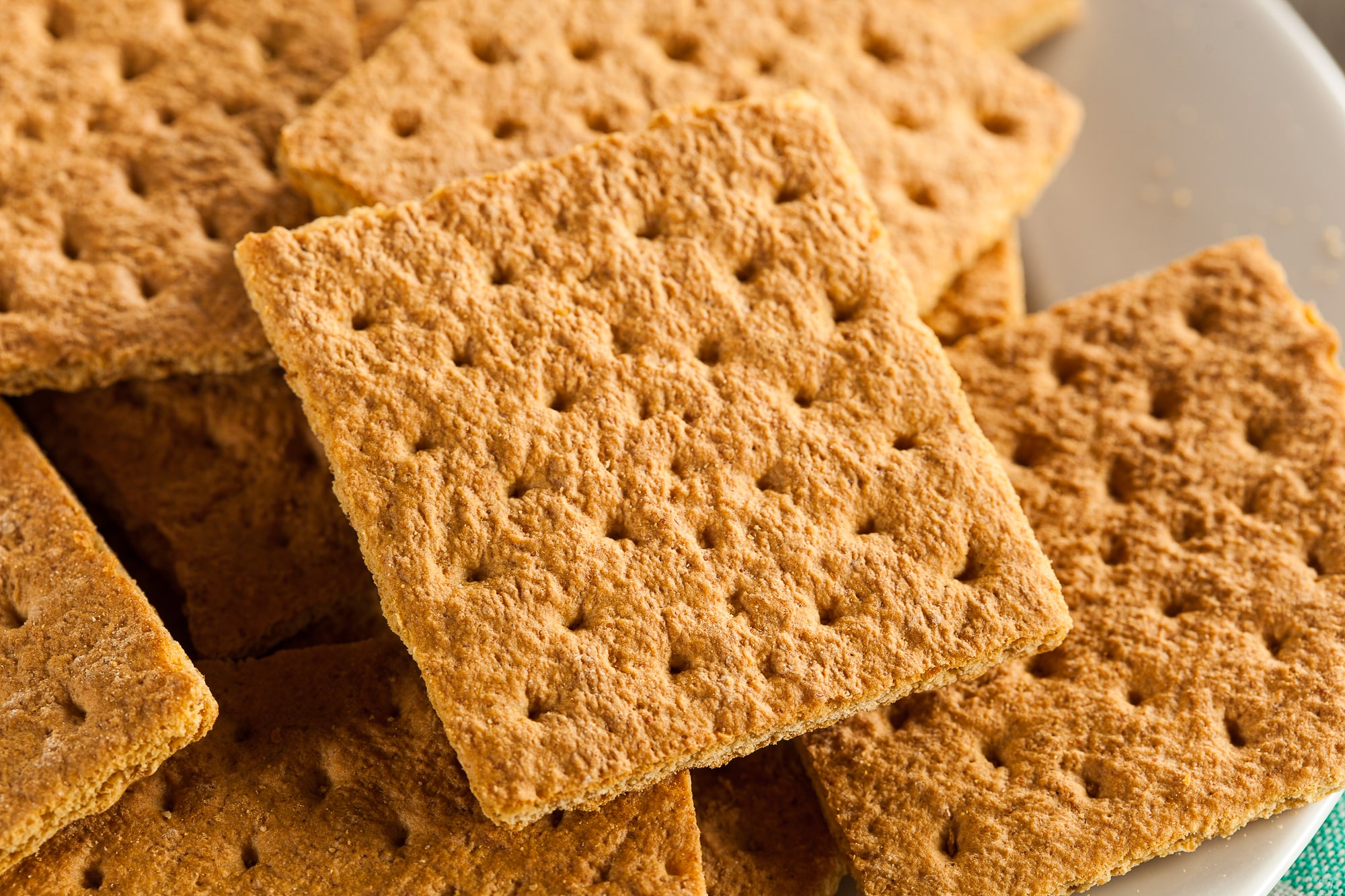
Just because they’re made with organic flour doesn’t mean they’re good for you. These crackers often have the same issues as their conventional counterparts: they’re typically made from refined grains, are low in fiber, and can be high in sodium and unhealthy fats. Think of it this way: an organic cookie is still a cookie. The label means the ingredients were grown without synthetic pesticides, not that the finished product is a health food. Instead of reaching for these, opt for whole-food snacks, such as apple slices with almond butter.
Organic Potato Chips

Who doesn’t love a good crunch? But organic chips are still, at their core, fried potatoes. They’re high in calories, salt, and fat, and they can be a serious saboteur of a healthy eating plan. The organic label here primarily refers to farming practices rather than nutritional content. While organic potatoes have slightly higher antioxidant levels, the difference is negligible once they’re cooked and heavily salted. When you’re craving a salty snack, roasted chickpeas or kale chips offer a much better nutritional payoff.
Organic Bottled Smoothies

These can be a sugar bomb in disguise. While they may be made with organic fruits and vegetables, they often contain a shocking amount of added sugars and can be stripped of their fiber during processing. It’s a classic case of what you see isn’t what you get. The best smoothies are the ones you make at home, where you control every ingredient. You can add in a handful of spinach, a scoop of protein powder, and some chia seeds to make a truly nutrient-dense drink.
Organic Agave Nectar

Agave is often touted as a “natural” and “healthy” alternative to sugar, but it’s not all it’s cracked up to be. It’s still a highly processed sweetener and is primarily composed of fructose. According to a report by Healthline, organic agave nectar is about 85% fructose, which can be even more taxing on the liver than traditional table sugar. Our bodies process fructose differently, and excessive consumption can contribute to conditions such as fatty liver disease. A little bit of maple syrup or honey is a better choice if you need a sweetener.
Organic Pretzels

Much like the crackers, organic pretzels are typically made from refined white flour and offer little to no nutritional value. They’re a classic example of “empty calories.” They provide a quick energy spike but can leave you feeling hungry shortly after. It’s a quick trip to the land of no return. Organic snacks are not inherently healthier than their non-organic counterparts. For a satisfying crunch, try a handful of unsalted nuts or seeds.
Organic Packaged Cookies

Some people feel better about eating organic cookies. The problem is, a cookie is a cookie. They’re still full of sugar and fat. The organic ingredients don’t magically erase the high-calorie content or the lack of fiber. A recent study by WebMD found that the average American consumes approximately 22 teaspoons of added sugar per day, exceeding the recommended daily intake of 6 teaspoons of added sugar. The source of that sugar, whether organic or not, is still sugar.
Organic Puffed Corn Snacks

These light, airy snacks are often a go-to for kids, but they’re basically empty calories. They’re low in fiber and protein, and it’s easy to overeat them. The organic label means the corn wasn’t sprayed with certain chemicals. It doesn’t add any nutritional punch.
Organic Soda

Save this article
This is a head-scratcher. Organic soda? It’s still loaded with sugar and offers no nutritional benefit. The main ingredients are typically organic cane sugar, organic flavorings, and carbonated water. It’s still a sugary beverage that can deter weight loss and increase blood sugar issues. The American Heart Association recommends no more than six teaspoons of added sugar per day for women and 9 for men. A single can of organic soda can easily put you over that limit.
Organic Fruit Juices

You might think you’re getting a serving of fruit, but many of these juices are just concentrated sugar water. About 90% of fiber is removed during processing, leaving you with a drink that can cause a rapid spike in your blood sugar. Consuming one serving of fruit juice per day may increase the risk of developing type 2 diabetes. It’s like eating a whole bag of sugar with a straw. Better to eat the actual fruit, with all its fiber and nutrients intact.
Organic Salad Dressing
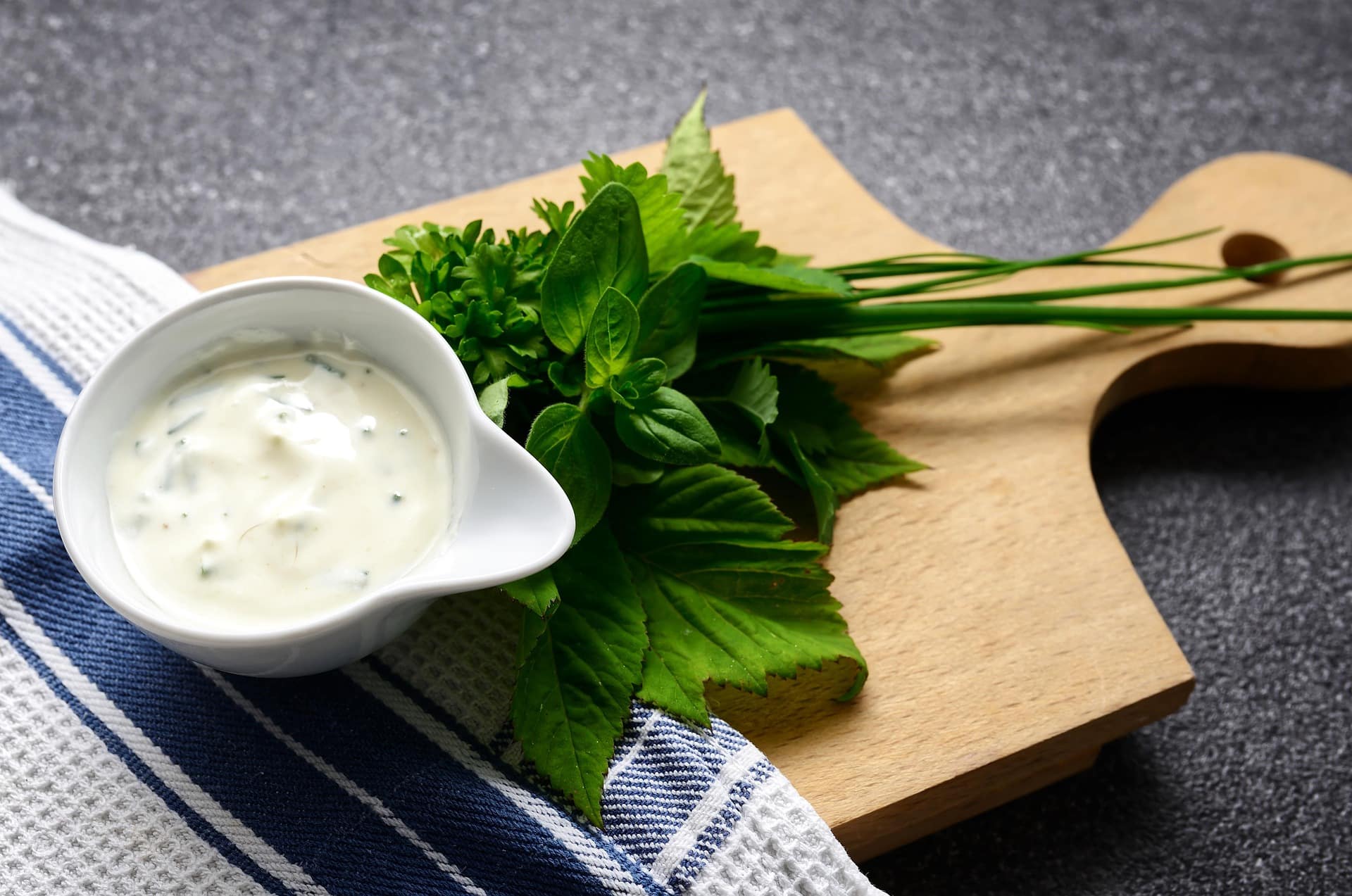
Although the ingredients may be organic, many store-bought salad dressings are loaded with sugar, sodium, and unhealthy fats, including those labeled as organic. Some brands use organic soybean or canola oil, which can be highly processed and not ideal for our health. Some organic dressings contain more than the daily recommended intake of sodium. Whipping up your own dressing for your salad with organic olive oil, vinegar, and herbs takes just a minute and is much better for you.
Organic Cereal

Don’t let the organic label fool you. Many organic cereals are heavily processed and full of added sugar and refined grains. They often lack the fiber and protein needed to keep you full and energized. If it comes in a box and crunches like cardboard, it’s probably not a health food, organic or not. For a better start to your day, try a bowl of organic rolled oats with some nuts and berries.
Organic Candy

This one is the ultimate trick. An organic gummy bear is still just sugar and gelatin. An organic chocolate bar can still contain a significant amount of added sugar. The organic label does not change the fact that these are treats that should be eaten in moderation. The truth is, there are no “free passes” when it comes to nutrition. The principles of a healthy diet are based on whole foods, not clever marketing.
Disclaimer – This list is solely the author’s opinion based on research and publicly available information. It is not intended to be professional advice.
How Total Beginners Are Building Wealth Fast in 2025—No Experience Needed

How Total Beginners Are Building Wealth Fast in 2025
I used to think investing was something you did after you were already rich. Like, you needed $10,000 in a suit pocket and a guy named Chad at some fancy firm who knew how to “diversify your portfolio.” Meanwhile, I was just trying to figure out how to stretch $43 to payday.
But a lot has changed. And fast. In 2025, building wealth doesn’t require a finance degree—or even a lot of money. The tools are simpler. The entry points are lower. And believe it or not, total beginners are stacking wins just by starting small and staying consistent.
Click here and let’s break down how.
5 Easy Steps to Change Any Habit

5 Easy Steps to Change Any Habit
We all click on them with the hope that just THIS time the secret to changing a bad habit or adopting a healthy one will be revealed and we’ll finally be able to stick to that diet, stop that one or ten things that might in the moment make us feel temporarily good but really just make us fat, unhealthy, sad, mad or just frustrated with ourselves.