

Ever hear a phrase that felt like a slap wrapped in a smile? Turns out, those subtle digs can do real damage. A 2025 study cited in the compassion report found that 61% of Americans believe empathy and compassion have declined in recent years.
Long-term exposure to emotionally disconnected relationships can leave people feeling drained, isolated, and deeply dissatisfied. It’s a quiet crisis—and it starts with the words we choose.
“You’re overreacting.”

This phrase instantly invalidates someone’s emotions, cutting off the chance to feel safe expressing them. It tells them their feelings are too much to handle, which can make vulnerability feel like a burden instead of a bridge.
That’s a fast way to make anyone shut down, retreating rather than opening up. A better move is to ask, “What’s making you feel this way?” Instead of judging the reaction.
“I don’t see what the big deal is.”

This one sounds harmless, but it actually feels dismissive, cutting off the chance for real understanding. It says the other person’s pain doesn’t matter, as if their feelings are being weighed against some invisible standard.
Everyone experiences emotions differently, and empathy means respecting those differences instead of trying to erase them. Ever had your stress brushed off? Not fun—and it leaves you feeling unseen rather than supported.
“That’s your problem, not mine.”

“that’s your problem, not mine” might sound like setting a boundary, but it often lands as a cold dismissal. It shuts down emotional connection by signaling that someone’s struggles aren’t worth your concern.
A 2025 state of marriage study found that 41.9% of women cited emotional distance and loneliness as major issues harming their relationships. Clearly, empathy isn’t just nice to have—it’s essential for keeping love and trust alive.
“I’m just being honest.”

That’s usually code for “I’m being rude,” because bluntness without care can sting more than intended. Honesty without kindness feels like a slap, leaving the truth harder to accept and the message clouded by hurt.
Genuine empathy balances truth with tact, allowing difficult words to land softly while still carrying their full weight. You can be direct without sounding like a bulldozer, and when compassion guides candor, people are far more likely to listen, understand, and grow.
“You always make everything about you.”

This line often hides defensiveness, acting as a shield rather than an invitation to connect. It shifts blame instead of trying to understand, which can shut down meaningful dialogue before it even begins.
Sometimes people just want to be heard, and acknowledging their feelings without judgment can make all the difference. Empathy listens before labeling, creating space for trust, respect, and genuine human connection to grow.
“Just get over it.”

If empathy had an arch-nemesis, this phrase would surely be it, because it undermines genuine care. It pressures someone to stop feeling pain on a timeline that isn’t theirs, dismissing the depth of their struggle.
Healing doesn’t happen on command, and forcing it only adds another layer of hurt. Compassion waits—it doesn’t rush, allowing people the space and time they need to truly recover.
“I had it worse.”

This one turns pain into a competition, as if suffering could be measured or ranked. It replaces genuine connection with comparison, which only distances people instead of bringing them closer.
Save this article
Everyone’s experience is valid, and there’s no scoreboard needed when it comes to human emotions. Empathy comforts instead of competing, offering understanding and support rather than judgment or rivalry.
“You’re too sensitive.”

People often say things like “you’re just being emotional” to dodge accountability and shift blame. It dismisses someone’s experience instead of addressing the behavior that caused it.
A 2025 state of marriage study found that nearly 39% of respondents said their partner frequently minimized their feelings, a pattern linked to higher conflict and lower relationship satisfaction. Empathy doesn’t mean fixing everything—it means validating that those feelings matter.
“I don’t care.”

Ouch. That phrase slices straight through trust, leaving the relationship’s foundation shaky. It signals zero emotional investment, as if the other person’s feelings don’t matter.
If you say this often, it might be time to question why you’re still there and what keeps you in that space. True connection requires care, and without it, words become walls instead of bridges.
“You should be grateful.”

Gratitude is good, but not when it’s forced, because then it feels hollow instead of healing. This phrase minimizes real pain by preaching positivity, as if discomfort can simply be erased by counting blessings.
People can feel thankful and hurt at the same time, and true empathy honors both emotions without trying to silence one. Empathy makes space for both.
“That’s not my fault.”

Maybe it’s not—but empathy isn’t about blame, because pointing fingers only deepens the divide. It’s about connection, finding common ground where understanding can grow.
Saying this quickly shuts down understanding, leaving little room for dialogue or healing. Try “I get why that upset you” instead, a phrase that validates feelings and opens the door to genuine empathy.
“I don’t want to talk about this.”

Everyone needs space sometimes, sure. But using this constantly kills communication. It tells your partner their feelings don’t deserve attention. Empathy faces discomfort instead of avoiding it.
Disclaimer – This list is solely the author’s opinion based on research and publicly available information. It is not intended to be professional advice.
Disclosure: This article was developed with the assistance of AI and was subsequently reviewed, revised, and approved by our editorial team.
7 Morning Rituals Women Swear By for More Energy and Confidence

7 Morning Rituals Women Swear By for More Energy and Confidence
Morning rituals don’t have to be complicated. A glass of water, a quick stretch, five minutes with your journal — these small things stack up to create significant change. Women who build these habits aren’t just “morning people”; they’re people who decided to take charge of their first hour of the day.
13 Things Even Atheists Could Take Away From Reading The Bible
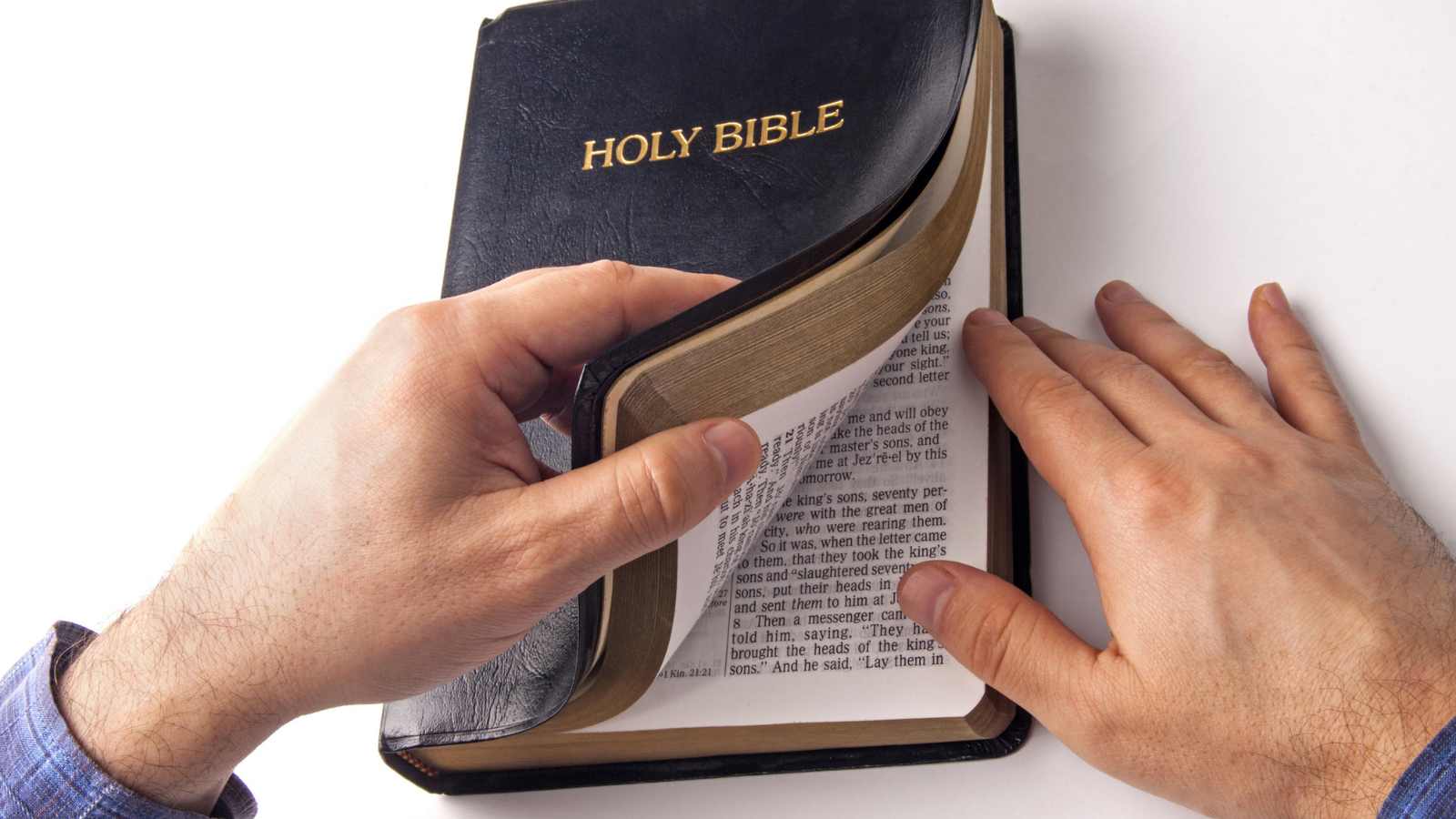
13 Things Even Atheists Could Take Away From Reading The Bible
Whether a devout believer or a card-carrying atheist, the Bible offers something for everyone with its compelling narratives and profound wisdom. Now, you may be thinking, “Wait, I’m an atheist. What could I possibly glean from a book steeped in religious doctrine?” Well, stick around, dear skeptic.





